Visitors of germanexpatinthephilippines/Besucher dieser Webseite.Ich liebe meine Flaggensammlung!

Saturday, May 23, 2026



To teach is to bleed
.jpg)
Meingel Damayon
I woke up choking on blood.
I barely made it out of bed; a thick, watery clump just poured out of my mouth. Red. So much red. My head spun hard, legs shaking, scared I’d collapse right there on the floor with my own blood staring back at me. I’m scared of seeing my own blood. I glanced at the wall clock: past 1 a.m.
Two hours until I had to leave for practice teaching.
Suddenly, the blood didn’t scare me anymore. What scared me was the thought of standing in front of class half-sleep, voice cracking, dizzy, blanking out while students watched. I was more afraid of being late, teaching ineffectively, than the fact that I just puked a scary amount of blood.
I know I’m not sick. I feel no pain anywhere else. But at that moment, my body spoke in a language my mind had been refusing to hear. There’s no time to be tired, no time to be broken, I don’t have time to fall apart. So I wiped my mouth, rinsed the sink, and went back to bed as if nothing had happened.
That morning, I learned the first real lesson of teaching: sometimes the blood comes out of your mouth, and you still have to smile by 5:50 a.m. and pretend you are whole.
I’m still learning the same lesson, in slower, quieter ways. Not a single day has passed that I haven’t asked myself: What does it truly mean to teach?
Is it just ticking boxes on a curriculum guide? Marching through lesson plans like a soldier on parade? Is greatness measured in titles, ranks, extra duties, the dryness of your throat from back-to-back classes, and exhaustion in your bones? These questions will not leave me alone. Some nights I beg them to stop.
I am sick of teachers being called heroes, of the profession dressed up in gold stars and martyrdom quotes. I am tired of pretending the exhaustion is holy. I am sick of hearing “This is just how teaching is” when everyone knows the pay is pitiful, the classrooms are ovens, the paperwork is endless, and the system could be fixed but isn’t—because it counts on our patience, on our guilt, on the fact that we will keep showing up anyway.
Teaching demands pieces of your body and soul, and the system knows exactly how to take them. We hate ourselves for still walking through the gate every morning, because somewhere inside, we still believe one child might be worth the cost. I know one person cannot fix a broken system, cannot rewrite policies written, cannot carry every child across every finish line. And still, I bleed.
Three months of practice teaching felt like three lifetimes. Before they pinned the “Pre-Service Teacher” badge on me, I sat through the seminar like a convict waiting for the sentence. I had fought this degree for years, convinced teaching had chosen the wrong heart. I was tired, broke, just trying to survive the program. Deep inside, I was desperately and quietly begging the universe to change my heart and mind. I was pleading, or at least to make this path make sense, to let me feel, for once, that I belonged here. That, maybe, this is my calling after all.
I walked into those classrooms carrying that fragile hope like a lit candle in a storm. Every day I taught, I bled a little more—quietly, willingly, hopelessly—praying at least one student absorbed something from the lesson I had lost sleep preparing. The raw, burning dryness in my throat after five straight periods, the nights my mind raced while I prepared every slide, the dread that it still wouldn’t be enough.
My professor once said, “A learner must learn from their teacher, but a teacher must also learn from their learners.” This idea resonated deeply with me, becoming a personal mantra for the educator I aspire to be. I once asked each class about their dreams. I’ll never forget how their eyes lit up as they told me what they wanted to be and why. In those moments, I saw my younger self in them—full of color, hope, and a wide-open view of the world. Yet every time they spoke, a quiet part of me ached, knowing that in this broken system, many of those dreams would fade or become almost impossible to chase. The old battle between passion and practicality waits for them, too. Still, in that classroom, I let them dream.
And there were days it physically pained me because I couldn’t protect them enough. I’m only one person, and I’m not nearly enough. Some nights, I wished I were selfless enough to dedicate my entire life to them. I would, if I could. I’m not selfless enough to sacrifice everything this path demands.
To teach is to be wounded every day by a system that piles on impossible workloads; to teach is to stay passionate and dedicated enough to make sure real learning happens. It demands the sacrifice of your very soul—your time, your sanity, your identity. Teaching isn’t just exhaustion; it’s a slow, agonizing bleed—your mind, your emotions, your spirit dripping away.
And the final, rotten truth I learned: to teach is to bleed, it’s inevitable.
Friday, May 22, 2026
Delegates arrive for Palaro in Agusan

PATIN-AY, Prosperidad, Agusan del Sur – Athletes have started arriving for the Palarong Pambansa 2026 from May 24 to 31 here.
Among those who arrived were Region 2 (Cagayan Valley), Region 4-B (Mimaropa), Region 1 (Ilocos), National Capital Region (NCR), Region 6 (Western Visayas), Region 7 (Central Visayas), and Negros Island Region.
More delegates are expected to arrive before the competition starts.
A multi-sectoral group has conducted an inspection of the Multi-Agency Coordination Center at the Government Center here to ensure the safe, successful, and orderly conduct of the Palaro.
Police Regional Office-13 Director Police Brig. Gen. Marcial Mariano P. Magistrado IV supervised the implementation of security measures.
He ordered police personnel to remain vigilant at all times and sustain continuous and coordinated monitoring in every area to ensure a safe, orderly, and well-managed event.
The Department of Health in Caraga assured that they are prepared to respond to health concerns during the Palaro.
Action teams have been deployed and the main action center is located at the main venue in Patin-ay..
Awra Briguela responds to professor's alleged transphobic comment, sparks online debate

Awra Briguela (Instagram)
Content creator Awra Briguela is pushing back against derogatory and allegedly transphobic remarks made by an individual reported to be a professor at the Universidad de Manila.
The issue began after the supposed teacher allegedly posted a malicious comment on Awra’s social media post, sparking online backlash.
Awra then addressed the matter on social media, publicly calling out the professor and stressing the responsibility of educators to uphold professionalism and respect.
“As a professor, you are expected to uphold professionalism, respect, and basic human decency. Educators should serve as role models and create safe spaces for students, not contribute to online bullying, humiliation, and discrimination. What he did was completely unacceptable and disappointing coming from someone in a position of authority,” Awra wrote.
Following her statement, Awra also met with officials from the Universidad de Manila and the Youth Development and Welfare Bureau to formally raise her concerns.
Awra shared a photo from her visit to the office, explaining her decision to speak up.
“I chose to speak up and take action because what happened was not just a simple misunderstanding,” she said.
She added, “It was discrimination, and staying silent about it would only allow this kind of behavior to continue.”
Awra stressed that her goal was accountability not only for herself, but for other students who may have faced similar treatment.
“I wanted accountability, not only for myself, but also for every student who has experienced the same treatment, or even worse, and felt too afraid to speak out,” she said.
She also emphasized that schools should be safe spaces for all students.
“No student should ever feel humiliated, invalidated, or discriminated against inside an institution that is supposed to be a safe space for learning and growth,” Awra said.
Calling for responsibility from educators, she added: “This is not normal, and it should never be normalized especially when it comes from people who are expected to guide, educate, and protect students.”
Awra thanked the Youth Development and Welfare Bureau and university officials for their response.
“I am deeply thankful to the Youth Development and Welfare Bureau for listening, acknowledging this issue, and extending their assistance,” she said.
“I also want to thank the School President of Universidad de Manila for taking this matter seriously and allowing conversations about accountability and inclusivity to happen.”
She clarified that her action was not about conflict but advocacy.
“This step was never about creating drama or conflict. It was about standing up for myself, my dignity, and for those who still do not have the courage, platform, or voice to defend themselves,” she said.
Awra ended with a message for others facing similar situations:
“I hope this becomes a reminder that discrimination in any form has consequences, and that every student deserves respect regardless of gender identity, expression, or appearance.”
“Education should be a place of safety, respect, and equality never fear, shame, or discrimination.”
“And to those who have experienced the same situation, or even worse, please know that your voice matters too.”
“Feel free to directly raise your concerns and complaints to the Office of the President. The President is all ears and willing to listen to every student who seeks justice, accountability, and a safe environment within the university.”
Why do Filipinos love ‘sawsawan’ or dipping sauce?

Ghemma Marie
SouthEast AsianWed
Not only Filipinos I guess. I also noticed this about Indonesian and Thai. Also Japanese, SK and Chinese. The only iconic about Filipinos is we love this fish sauce, as dipping sauce, even if it smells like pussy 🫢 but… tasty. (You guys should try it).
Hahah. Joke….partly joke…uhm, no, its a joke…
Seriously speaking, dipping sauce is a massive staple in Asian cuisine, specially among coastal nations. Probably because of the main staple during the old old times, like rice (which is basically bland). A bowl of dipping sauce on the side is meant to enhance and add contrast to the main dish.
For proof, let’s explore some of Asia’s dipping sauce.
Yakiniku sauce, Japan.
This Japanese dipping sauce is a blend of sake, mirin, soy sauce, miso paste, bonito flakes and sugar for the savoury-sweetness, rice vinegar and grated apple for a sour touch, and sesame seeds to complete its aroma.
Ssamjang sauce, South Korea. It looks fiery, this is similar to barbecue sauce.
Chinese Sichuan Chilli Oil.
Nam Prik Ong, Thailand
………….and many, many, many more……..
Now, in regards to the Filipinos, I have a theory that it has something to do with rice, (and fish) which is a staple during the primitive period. The rice is boiled and the fish is broiled. Because plain rice and fresh or broiled fish have very mild and neutral flavors, indigenous Filipinos developed table sauces to enhance, balance, and personalize every bite.
Btw, Philippine dipping sauce go far beyond just fish sauce. Vinegar and calamansi (lime) are also very popular in the whole archipelago. This is mainly because vinegar can be made from sugarcane, seasonal fruits, coconut sap and rice, while lime is also abundant there. Also, soy sauce usually mix with vinegar and/or lime.
Here they are.
Image sources from Google
Why do all people find Asian women attractive?

Answered by
Ronna Lou
Not all people find Asian women attractive. That’s just the truth.
I know that because I’m an Asian woman who grew up with a lot of insecurities. Don’t get me wrong, I’m happy now and I know I’m beautiful (mostly because my husband always tells me) but I also can’t deny the reality that most Asian women like me have a complicated relationship with things like attractiveness and beauty.
First of all, attraction is subjective.
What is attractive to one man might not be the same to another. If one guy prefers dating Chinese or Indian or Filipino women, then there are other guys who like perky Americans or tall Europeans more. And that’s okay.
But when it comes global beauty standards, you don’t usually immediately think of Asian women.
Even among us Asians, there are different types of beauty. But what we’re not (at least not usually) is fair, blonde, or blue-eyed. And that’s often the “ideal” woman for a lot of people.
But we are attractive! Common Asian characteristics like long black hair, cute eyes, and brown complexion are also appealing to certain people. I just know it’s not for everybody, and that’s also okay.
(My husband will usually say it’s my charismatic personality that he finds most attractive about me, but that’s not really exclusively Asian, is it? Haha!)
EMERGING ILONGGA DESIGNER YSA DAN MARI FAJARDO IMPRESSES AT MASS EXODUS 2026

Discover more
City & Local Guides
TORONTO — Emerging Ilongga fashion designer Ysa Dan Mari Fajardo delivered a confident runway presentation at Mass Exodus 2026, the annual showcase of graduating students from the School of Fashion at Toronto Metropolitan University.

DESIGNER
as served as a key platform connecting emerging designers with the broader fashion community. The annual event combines runway presentations with multidisciplinary exhibitions, offering students an opportunity to present their final capstone projects to both in-person and online audiences.
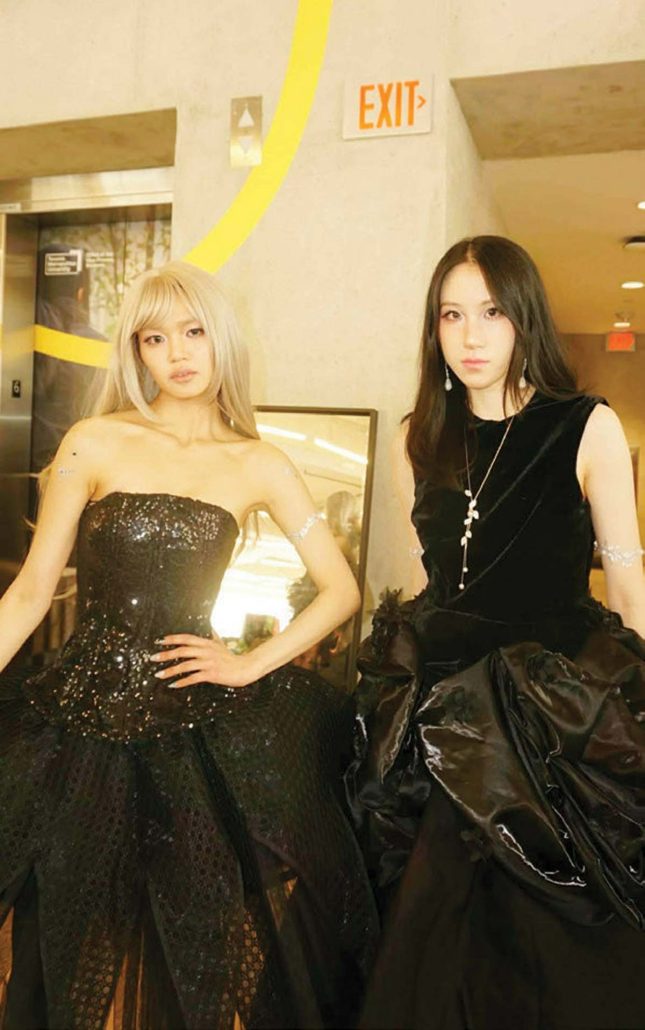
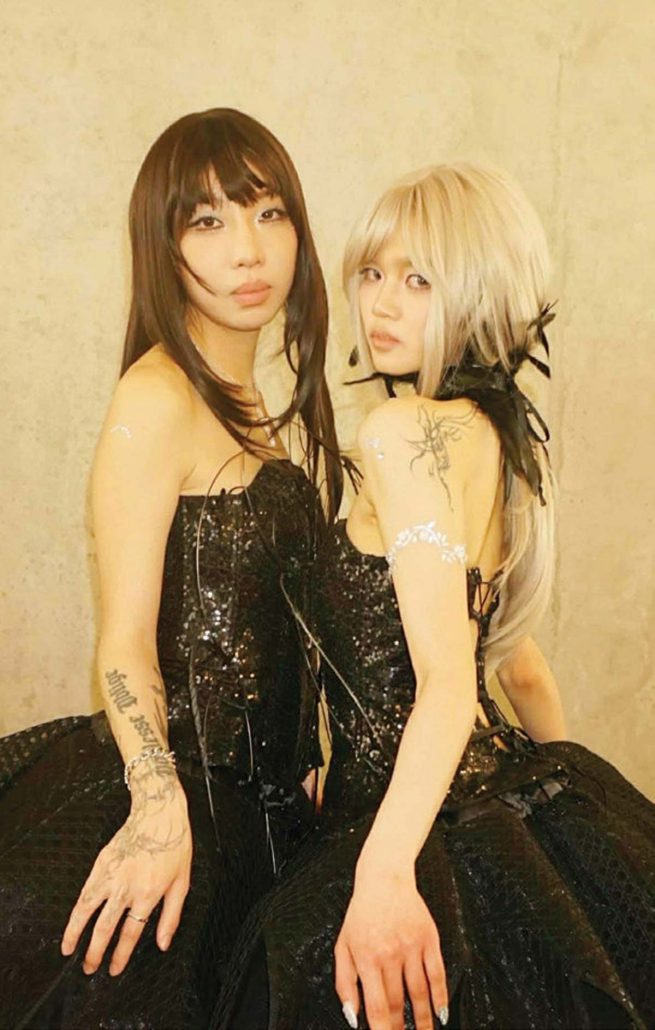
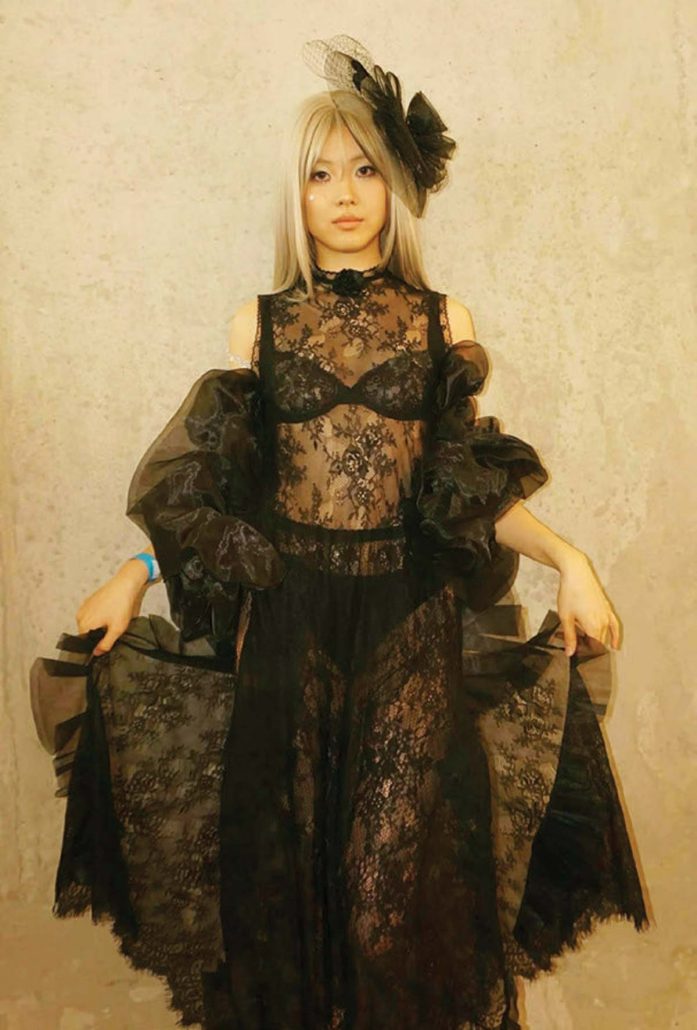
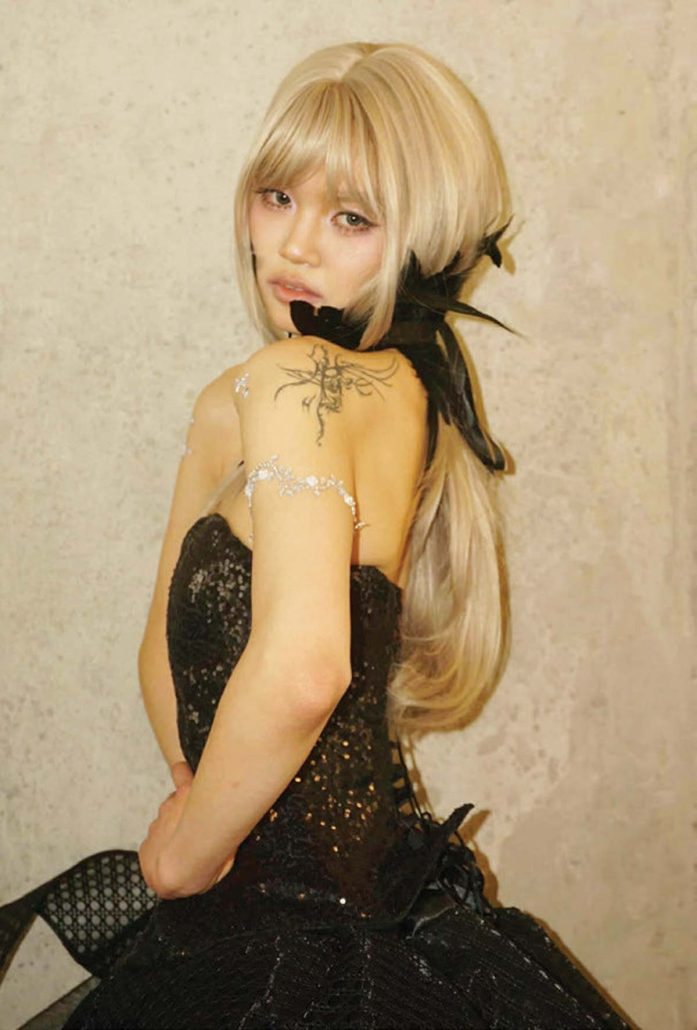
Held on April 11, with an accompanying exhibition running from April 12 to 14 at the Sheldon & Tracey Levy Student Learning Centre, the event featured more than 60 student collections and over 40 design projects. The showcase drew an audience of more than 900 attendees, highlighting the next generation of Canadian fashion talent.
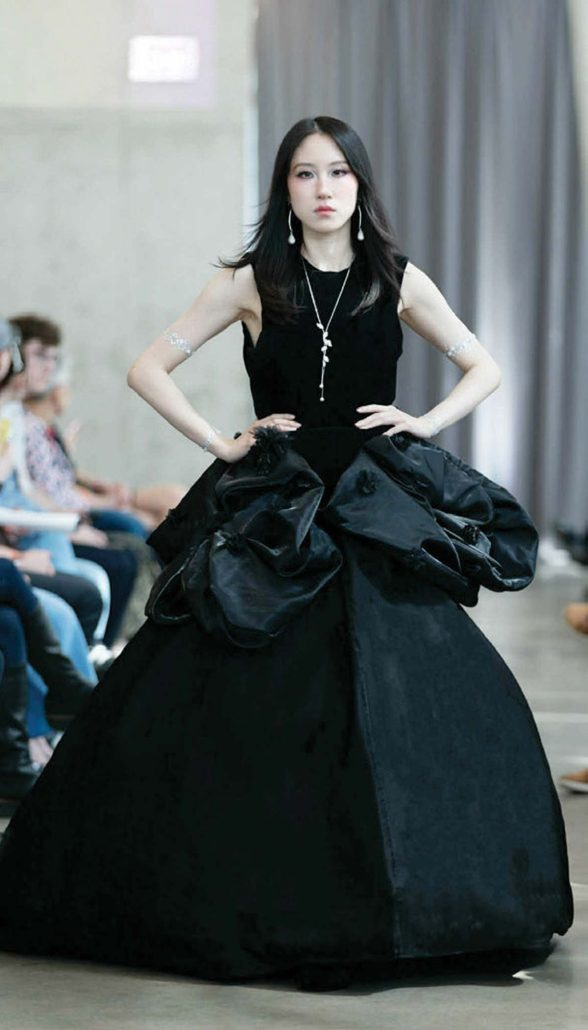
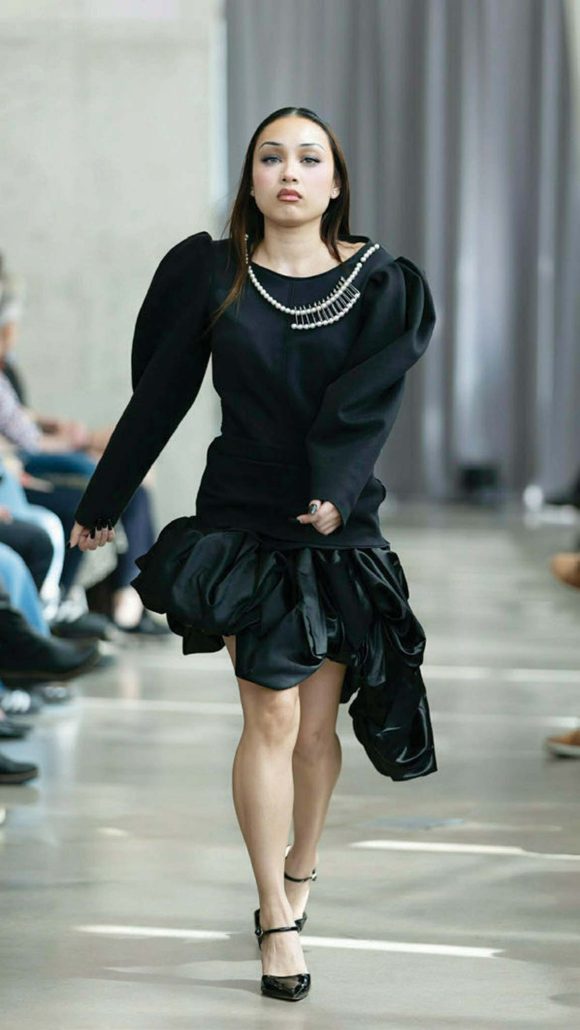
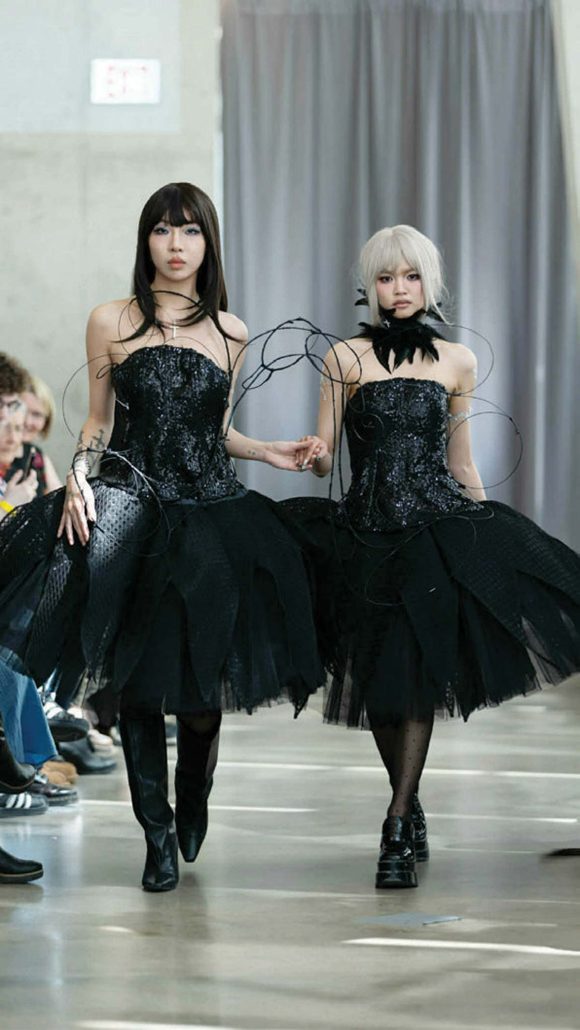
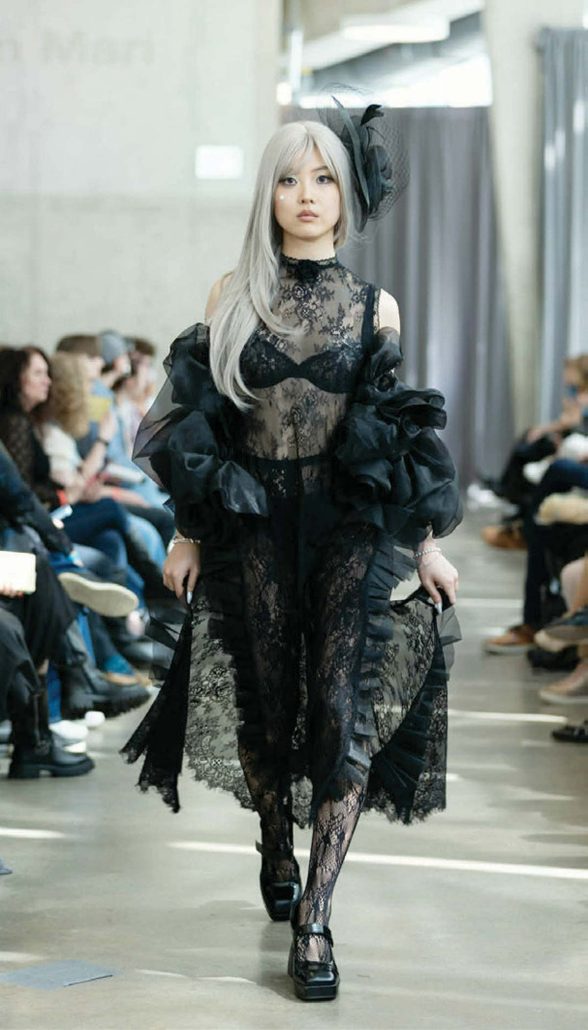
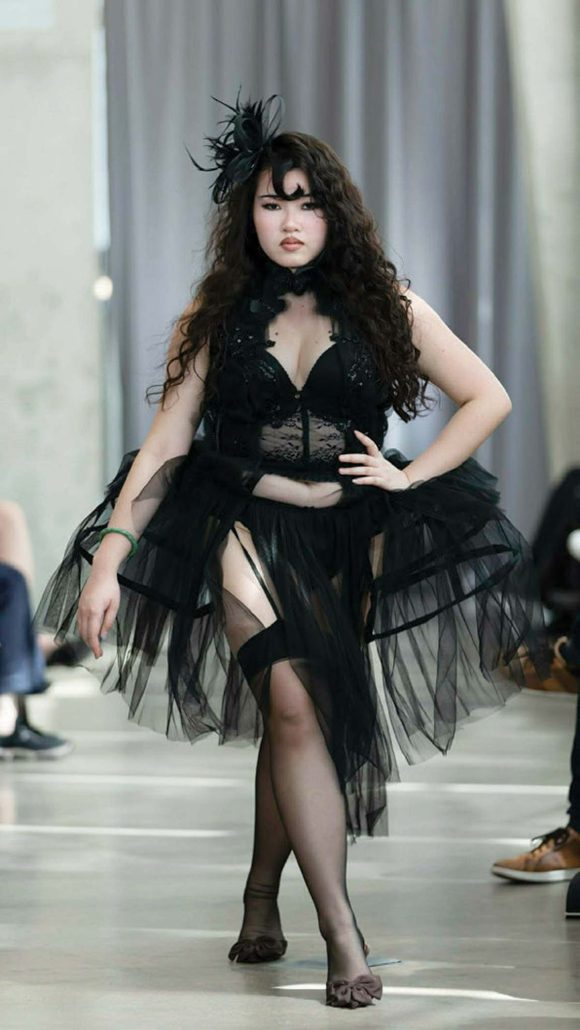
Fajardo’s collection, “Dioscuri,” was presented during the 1 p.m. runway show 2 and explored themes of duality, balance, and mirrored identities. The collection stood out for its cohesive visual language and conceptual clarity, earning a strong audience response and closing the segment on a confident note.
Following her presentation at Mass Exodus, Fajardo was invited to showcase her collection “Dioscuri” at the annual charity fashion show organized by the U of T Charity Fashion show. The event, scheduled for May 14, supports the SickKids Centre for Brain & Mental Health and brings together emerging designers and creative talent in support of mental health advocacy. The charity’s theme is “Nocturne”. The charity show is expected to feature more than 400 runway guests and draw over 1,000 attendees throughout the evening. Organizers discovered Fajardo’s collection during Mass Exodus and extended the invitation in recognition of its strong narrative and visual impact.
A graduating student of Toronto Metropolitan University, Fajardo is part of a new wave of designers who use fashion as a platform for storytelling and social reflection. Her work underscores inclusivity and diverse representation—values that continue to shape the direction of the industry.
Fajardo’s continued recognition beyond the showcase signals her emergence as a designer to watch in contemporary fashion.
Subscribe to:
Posts (Atom)