You plan to move to the Philippines? Wollen Sie auf den Philippinen leben?

There are REALLY TONS of websites telling us how, why, maybe why not and when you'll be able to move to the Philippines. I only love to tell and explain some things "between the lines". Enjoy reading, be informed, have fun and be entertained too!

Ja, es gibt tonnenweise Webseiten, die Ihnen sagen wie, warum, vielleicht warum nicht und wann Sie am besten auf die Philippinen auswandern könnten. Ich möchte Ihnen in Zukunft "zwischen den Zeilen" einige zusätzlichen Dinge berichten und erzählen. Viel Spass beim Lesen und Gute Unterhaltung!


Visitors of germanexpatinthephilippines/Besucher dieser Webseite.Ich liebe meine Flaggensammlung!

free counters

Total Pageviews


Monday, August 4, 2025

The other meaning of LGBT

Growing up in the church, my earliest memories are filled with the scent of old wooden pews, the sound of hymns echoing off the walls, and the solemn rituals that shaped my understanding of holiness.

I was a child who loved the sacred, the pageantry of worship, the mystery of prayer, the stories of prophets and promise. But even then, before I had the words to name it, I also knew I was different. I was queer.

I was immersed in the rituals and rhythms of faith. I knew the order of worship by heart, memorized verses before I could spell “salvation,” and sang hymns with a voice I hoped sounded strong enough to drown out the confusion inside me. And in the same breath that I learned about divine love, I also learned to fear divine disappointment. From a young age, I felt a call to serve, but I also felt a deep and unspoken fear: what if God didn’t want me as I am?

You must upgrad

Caught on camera: Technology can be a double-edged sword


By Manila Bulletin

Published Aug 2, 2025 12:05 am


Cameras have the power to humble the arrogant and hold the powerful accountable. We have seen many instances where abusive motorists and traffic enforcers, rude government clerks, or even VIPs bypassing rules have been caught red-handed. For the public, the lens can be a form of justice.

It can also be the source of witnessing situations we would never have the chance to see if CCTVs were not perched somewhere up there. Among these — an angry motorist pulling out his gun and shooting a person; an SUV "running amok" crashing onto vehicles, speeding through the highway and finally causing a gas station fire; random people walking in the midst of crawling traffic and divesting a truck of its valuable cargo.

In today’s hyperconnected world, it often feels like someone is always watching. From CCTV units on every street corner to camera phones in every hand, a person is constantly in the lens of a camera — sometimes knowingly, often not. In many cases, this has brought good results.

Public officials, once emboldened by anonymity or power, now act with more caution, aware that even the smallest indiscretion could be recorded, uploaded, and go viral within minutes. Arrogant citizens who break the law, bully traffic enforcers, or who run away from the scene of a crime are caught on street CCTV — or on curious citizens’ phones — and get penalized by the authorities.

There have been many videos that became viral on social media that have shown images of people in questionable situations, like the image of online gaming on a mobile phone screen. Whether or not these images were real, manipulated, or came from an email inbox, these triggered public outrage.

The clip became a rallying point for renewed calls to ban or heavily regulate online gaming and other forms of digital gambling, which have reportedly led to personal bankruptcies, domestic conflict, and addiction. In this case, the camera has sparked debates on regulating online gambling.

But technology is also a double-edged sword. And there is a deeper concern here – privacy. As much as we value the ability to call out misconduct, we must also be mindful of the growing invasion of private spaces especially while in public places. Everyday citizens are increasingly vulnerable to being filmed during unguarded moments — at work, on public transport, in elevators, even in what they assumed were private conversations. These clips, often uploaded without consent, can lead to online shaming, damage or reputations, and even legal trouble.

What, then, can we do?

First, we must educate ourselves and others about digital privacy and the laws that protect privacy.

Second, we must urge the government to create clearer policies on surveillance, facial recognition, and data retention. Who owns the data? Who ensures it won’t be misused? These are questions still largely unanswered.

Third, we must hold ourselves accountable. Not every viral clip deserves to be shared. The dignity of others — even those we disagree with — should not be sacrificed for clicks.

Technology is not inherently good or evil. It reflects the values of those who use it. As cameras become more present in our daily lives, let us use them responsibly — protecting the truth, upholding accountability, and defending each other’s right to be human.

Because someone is always watching. The question is: for what purpose?

Stars of tomorrow: Star Magic introduces the most promising new faces

By Robert Requintina

Published Aug 3, 2025 11:59 am
Coach Jim Saret, Coach Toni Saret, Joaquin Arce, Angelina Cruz, Ezri Mitra, Julia Mitra, Tasha Mitra, Michelle Garcia, Carmella Ford, Christof, Ice Almeria, and Iñigo Jose.
Star Magic celebrated yet another milestone as the management formally welcomed a fresh batch of artists at the “Shining Now” contract signing and mediacon event last July 25.
The special gathering featured a lineup of promising young stars as well as renowned fitness coaches Toni and Jim Saret—long-time partners of Star Magic—who officially signed under the management.
The coaches’ signing symbolized Star Magic’s deeper commitment to nurturing artists holistically, ensuring that being a Tatak Star Magic goes beyond charisma; it also means cultivating discipline and wellness. According to Coach Toni Saret, "Ang gusto naming mangyari ay maging pangkalahatan na ang fitness at maging abot kamay. Through this, through what you've given us, we get every Filipino fitter, healthier, and stronger."

Carmella Ford
Carmella Ford
Kicking off the lineup of rising stars was Carmella Ford, who came with the loving support of her mom and co-manager, Karla Estrada. A standout in the recent Star Magic All-Star Games, where she was named part of the Mythical Six, Carmella dreams of taking on action-packed roles. When asked about her plans for her showbiz journey, she said, “I hope to grow and to prove myself, and to create my own path here in the industry.”

Inigo Jose
Inigo Jose
Iñigo Jose, son of actor James Blanco, was also introduced. At the event, he was supported by his family, including his mom, Tania Creighton, and his brother. With a clear vision of becoming both an action star and a rom-com lead, Iñigo is determined to carve his own path in showbiz. Thinking about the challenges he might face in his career, he expressed, "Sa challenges… syempre pag humarap naman sa akin ‘yun, I’ve just got to face it with grace.”

Michelle Garcia
Michelle Garcia
Michelle Garcia, 12, may be the youngest in the group, but she’s already an experienced performer. Joined by her proud parents and co-managers, Patrick Garcia and Nikka Garcia, Michelle’s stage presence and passion for dance show that talent speaks louder than age. She has already performed as a front act at the Grand BINIverse concert at the Big Dome.
Also under Star Music, she shared about how her passion for performing began: “Actually my dad didn’t influence me; it came from me. I would watch K-pop, P-pop, everything! So from watching that, I wanted to perform.”
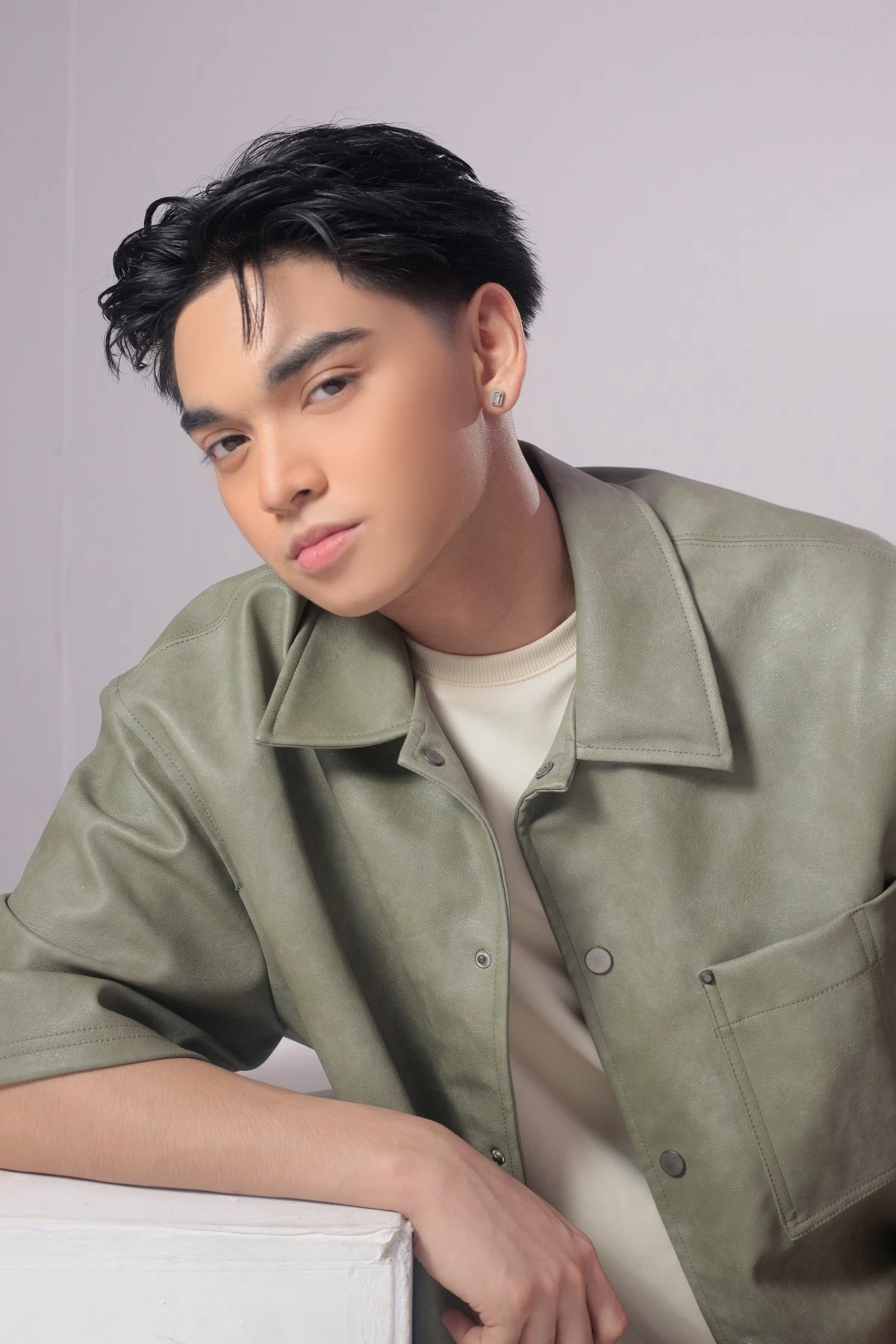
Ice Almeria
Ice Almeria
Ice Almeria, Time to Dance grand champion, known for his standout dance moves, proved that there’s more to him than meets the eye. Ice expressed how grateful he was for Star Magic: “From Time to Dance to Star Magic, I am really beyond grateful. Siguro po nakita ni Lord how I started nine years ago. This is really what I've prayed for…Hindi pa rin ako bumibitaw sa munting pangarap na may mararating ang pagsasayaw.”
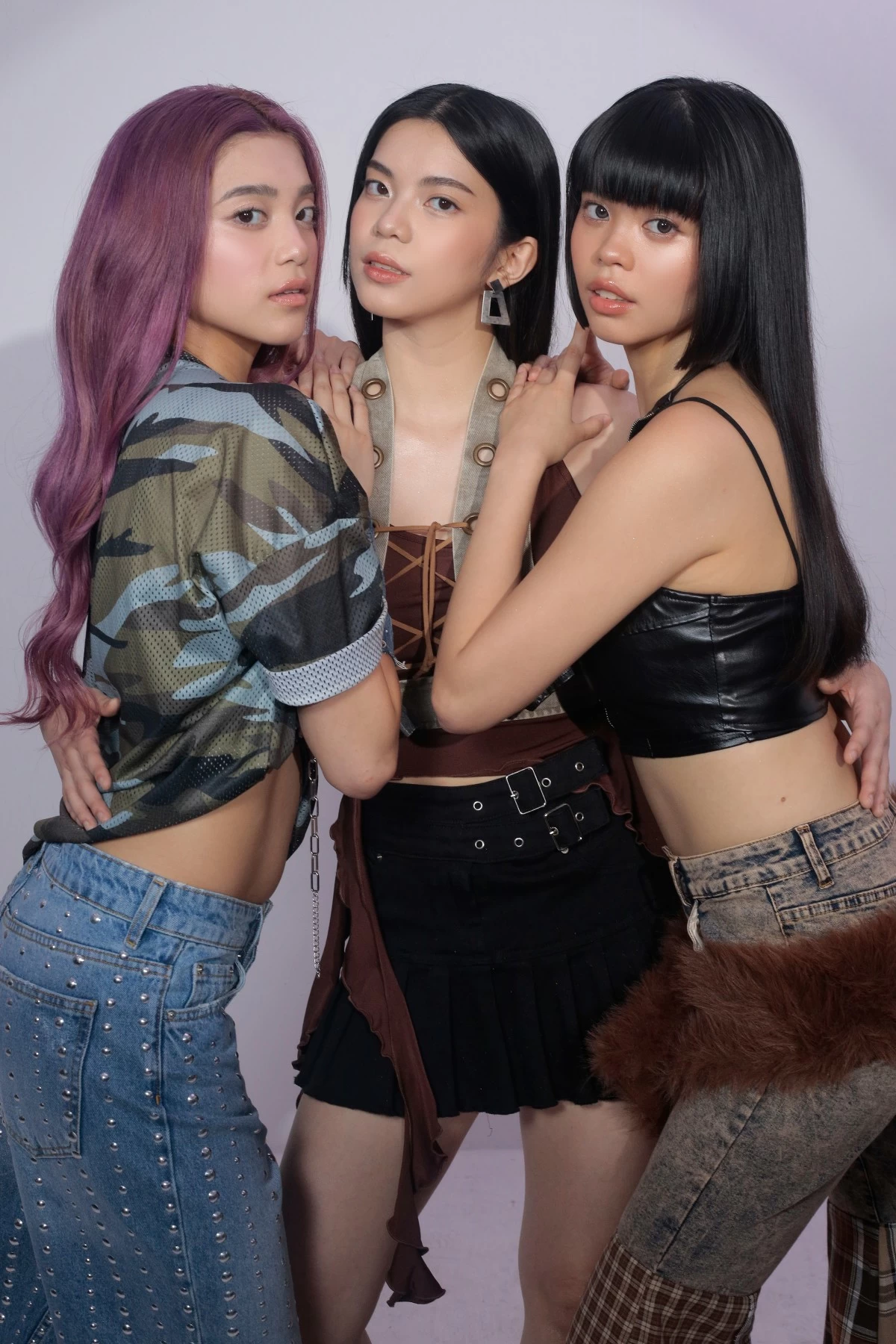
Mitra Sisters (Tasha, Julia, and Ezri)
The Mitra sisters—Ezri, Julia, and Tasha, daughters of concert producer Cacai Mitra and renowned musical director and composer Raul Mitra, and nieces of Asia’s Songbird, Regine Velasquez-Alcasid—are ready to make their names in the industry. The eldest of the sisters, Ezri, told the audience about what makes their group different: “Something unique about us is that we’re not afraid to fight, because we’re sisters, we’re very upfront with each other, and we tell each other everything that we need to know straight up. Because at the end of the day, we’ll be okay, because we’re doing it with good intentions.” The trio is also currently working on original music under Star Music.
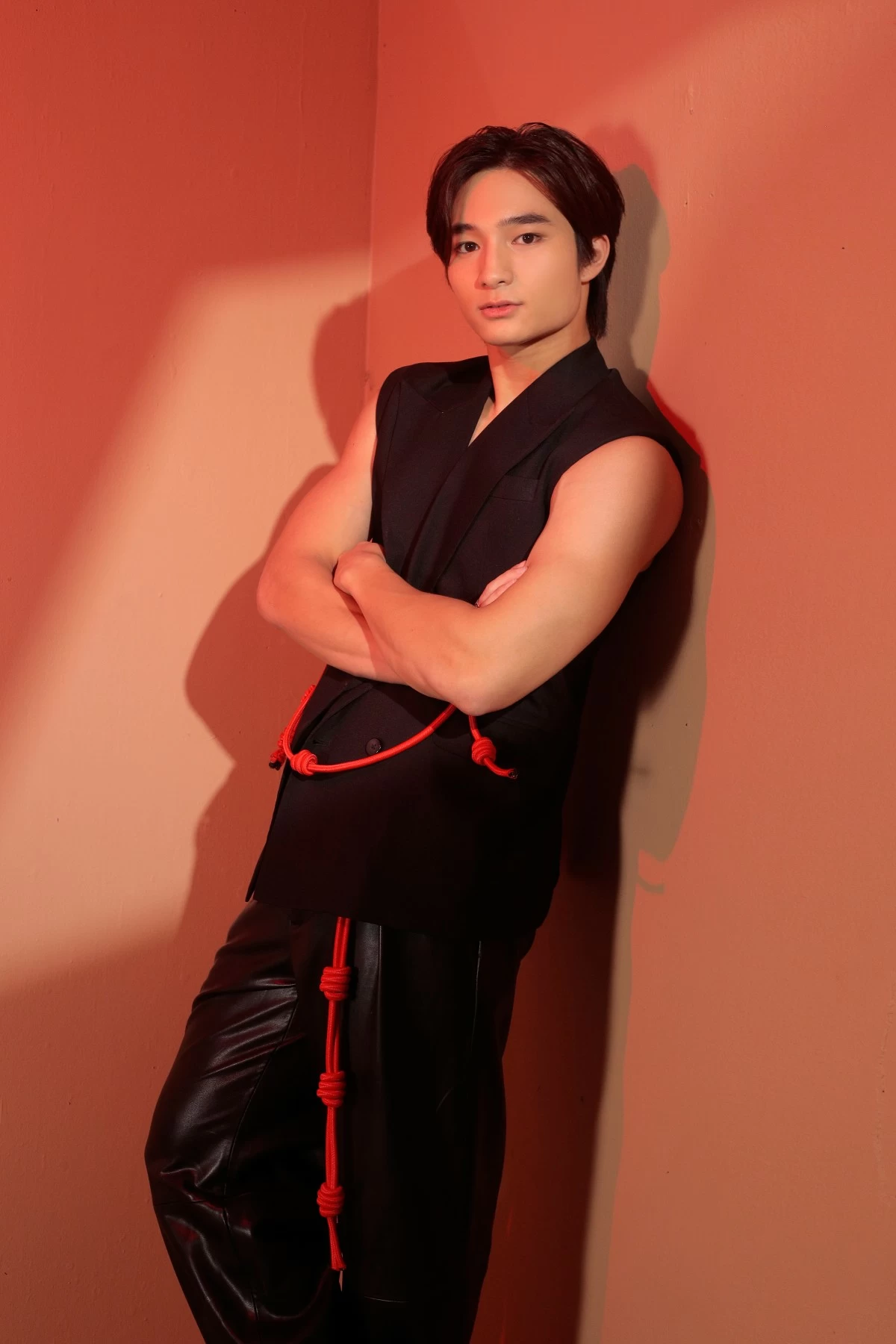
Joaquin Arce
Joaquin Arce
Joaquin Arce, son of producer Neil Arce, was a charismatic addition to the roster. An aspiring actor, this Korean drama fan is eager to face the camera and begin his journey in the spotlight. He shared, “It’s an honor to walk alongside the best to ever do it. To walk alongside them and the cast and crew behind them just means that I have to keep up and do my very best… so it means a lot to me.”

Up next was Christof, a budding rockstar, who arrived with his mom and co-manager, actress Gladys Reyes. Also a recording artist under Star Music, Christof is ready to explore new creative heights in his passion. Reflecting on being a celebrity and staying true to oneself, he said, “Not only do we as celebrities have to keep ourselves authentic, but in return, we also want to see authenticity in our audience.”
Rounding out the new batch was Angelina Cruz, one of Star Magic’s newest shining stars. While newly signed, she’s already part of the upcoming Kapamilya series The Alibi, where she stars alongside Kim Chiu and Paulo Avelino. When asked about her ultimate dream, Angelina said, “My ultimate dream is to play a lead role in a teleserye or movie. Speaking of serye, watch out for me in an upcoming Kapamilya serye coming out very very soon, I'm so excited!”
Though composed of fresh faces, ‘Shining Now’ was a memorable event filled with promise, potential, and passion. These new artists, each with their own story and drive, are all eager to shine and show the world what Tatak Star Magic truly means.

Gabbi Garcia swears by this Filipino brand for her everyday elegant look


Gabbi Garcia swears by this Filipino brand for her everyday elegant look


By MBrand

Published Aug 2, 2025 09:50 am


Alberto, the beloved Filipino lifestyle brand known for its chic, comfortable, and high-quality footwear and bags, proudly welcomes Gabbi Garcia as its first-ever female brand ambassador. This exciting partnership kicks off a new era for the brand as it celebrates “35 Years of Everyday Elegance” in 2025—signaling a bold evolution for the trusted homegrown name.

Welcoming Gabbi into the Alberto family felt like the most natural step forward. “We chose Gabbi because she truly reflects what Alberto is all about,” shared Alberto Gaerlan, the brand’s namesake and founder. “As we mark our 35th year with the ‘Everyday Elegance’ campaign, we wanted someone who embodies timeless beauty, effortless style, and that unique Filipina charm—qualities at the heart of our brand.” Gabbi’s vibrant, down-to-earth personality and her sense of style—both classic and current—make her a perfect match for Alberto.

For Gabbi Garcia, joining the brand feels like a full-circle moment. “I grew up seeing Alberto stores in the mall, so when the opportunity came, it really felt full circle,” she said. “I love that they’re a proudly Filipino brand that’s been around for years.” Gabbi also expressed her admiration for the brand’s authenticity, rooted in Filipino values like family, craftsmanship, and accessibility—all while staying current with fashion trends.

This collaboration marks a meaningful new chapter in Alberto’s story, highlighting the brand’s evolution and forward-looking direction. Since 1990, Alberto has been part of Filipinos’ everyday lives. Now, as it celebrates its 35th year in 2025, the homegrown label steps into a new era—staying true to its heritage of everyday elegance while embracing contemporary trends and the style and spirit of today’s modern, dynamic working class.

“Our partnership with Gabbi represents this evolution, as we continue to introduce fresh collections that blend timeless appeal with contemporary trends,” Gaerlan added.

Gabbi describes her style as “effortless and evolving,” which perfectly aligns with Alberto’s collection. “I like to be chic when I want, comfy when I need. I choose pieces that feel like ‘me’ but are also functional,” she said. She values the brand for being stylish without trying too hard—and versatile enough for both glam moments and everyday errands. Comfort and quality are her top priorities: “I always choose comfort and craftsmanship—cute alone isn’t enough. I move a lot, so I need pieces that keep up without sacrificing style.”

Her current favorites include Alberto’s strappy kitten heels, praised for their comfort and elegance, and a suede bag she finds chic and easy to style.

“Alberto fits into everyday life—whether at work, on weekends, or casual days. There’s an Alberto for every Filipina. I want them to see how these pieces can elevate their style without feeling intimidating,” Gabbi shared.

Shoppers can look forward to exciting things from this collaboration, including exclusive collections and new product drops that bring the brand’s vision of “everyday elegance” to life with a fresh twist. Expect standout, trend-forward pieces that reflect Gabbi’s effortless style—wearable looks that inspire and resonate with the everyday lives of Filipinos.

Alberto is available in over 90 stores nationwide and online at www.alberto.com.ph, as well as on Lazada, Shopee, TikTok, and Zalora.

NAIA cuts overnight parking to ₱600 for 'verified' travelers


Cars parked at the Manila airport terminal 2 (New NAIA Infra Corp. photo) 

By Manila Bulletin Newsroom


The Ninoy Aquino International Airport (NAIA) significantly lowered its overnight parking rates for verified passengers and other legitimate airport users, effective Friday, Aug. 1.

In a Facebook post, the New NAIA Infra Corp. (NNIC) said the new parking system aims to enable more efficient management of parking facilities while ensuring accessibility for those who genuinely use the airport.

The NNIC noted the new system helps keep parking slots available and convenient for NAIA’s intended users.

To get the discounted rates, verified passengers who park their vehicles at any of the NAIA Terminals—Terminal 1, 2, or 3—must park and keep their ticket. They then need to bring their ticket and boarding pass on their trip and present both at the validation counter upon return. Once verified, passengers will pay only half the standard overnight rate.

This new overnight parking rate for verified passengers is ₱600. While this is still more expensive than the original ₱300 overnight rate, it represents a 50 percent reduction compared to the ₱1,200 rate the NNIC implemented last October.

The priesthood


By Fr. Roy Cimagala

Chaplain

Center for Industrial Technology and Enterprise (CITE)

Talamban, Cebu City

Email: roycimagala@gmail.com


AUGUST 4 being a Memorial of St. John Mary Vianney, patron saint of priests, is a good occasion to review who a priest is and how he should be. St. John Mary Vianney (1786-1859), also known as the Cure of Ars, can provide us with a good idea about this since he was well known for his heroic priestly and pastoral work in a parish in France that resulted in a radical spiritual transformation of the community and its surroundings.


To be a priest is actually a profound calling to serve Christ and the Church that necessarily involves a deep relationship with God, a commitment to holiness, and a dedication to lead others to Christ. It is a ministry of sacrifice, love and availability to the people entrusted to his care. 


With the sacrament of Holy Orders, the priest shares in the priesthood of Christ himself, that is, Christ as Head of the Church and not just a member of it. This is another proof that God shares his power with us since, in the end, we are meant to be his image and likeness, sharers precisely of his life and nature.


The priest, so ordained, should realize more deeply that he should transform himself into Christ, and to love and suffer as Christ did for everybody, and to see the things of the world through the eyes of Christ. His lifestyle should be that of total self-giving, unafraid of the effort and costs it involves. This, of course, would require a special vocation.


As such, a priest is expected to be a model individual, a living example of faith, love and holiness that should effectively inspire others to follow Christ. He has to see to it that people see and hear Christ through him. He is not just a good orator, an amusing comedian, or a creative artist. Of course, it would be good if he could integrate all these good traits but seeing to it that it is Christ that is seen and heard by the people.


This is, of course, a very overwhelming ideal for a priest to pursue. Thus, a priest should be so deeply rooted in prayer and to spend time with God that he can fairly say he is acting “in persona Christi capitis” (in the person of Christ as head of the Church). He has to realize that his formation—human, doctrinal, spiritual, pastoral, etc.—is a continuing affair, a till-death pursuit.


A priest should have a very deep love for souls, always making himself available to the people, offering guidance, comfort and support. He should give priority to the celebration of the sacraments, especially Confession which is a means of grace and healing. Of course, the daily celebration of the Holy Mass holds the most important duty for him.


If every person is supposed to be “alter Christus” (another Christ) since we are all created in God’s image and likeness which is what Christ is, the priest should be the first one to show it to the world, aware that he is called to be the very instrument of God’s love and grace.


To be a priest should be an all-time affair. Once a priest, he is a priest forever. He cannot say that he is a priest at certain moments of the day only when he celebrates the sacraments, or in certain situations and conditions in life. He is and should be a priest at every breath he makes. 


What do Filipinos think of half Caucasian/half Filipino people, especially those who were born and raised in Europe or the US?


 · 

I can speak from personal experience as a half-Filipino, half-white woman, but I have never been to the Philippines myself. Here is what I notice from the first-and even second-generation Filipinos in America in my family or extended family. Maybe not all Filipinos are generally like this, but the ones I have been exposed to are.

  • Their initial reaction will always be, “Whose white kid is that?” This would mostly be a thing that happens at gatherings I guess, but I know this because even my own family does it. Honestly, I forget that I am half white and find myself doing it. Filipinos tend to be quite gossipy, so they are all curious about who went out and found themselves a white person to have a child with. Usually, they are proud that they found a white spouse.
  • They favor white people over any other. This is sad but true. My half sister is fully Asian. Her father was very tan, so she is too. My grandparents would always say that I am their favorite because I am white. Growing up, she would not be allowed to play in the sun, God forbid she got any darker. Many Filipinos I know, not all, but the ones that my family knows, seem to favor white people over many other, sometimes even their own. I often hear what equates to, “Find a nice white boy to marry! Or a Filipino.”
  • They love to point out that you don’t look like them. This one hurts me a lot. To this day, my family is always making comments like, “You’re so pale!” “Your hair is so much lighter than ours!” “Your skin burns but ours doesn’t!” “You don’t have the same genes to stay thin.” All things I am aware of, but it hurts to hear all the time. When I am with them, sometimes I can pretend I look like them and I fit in, but then they say something like this or I walk by a mirror and I’m reminded I’ll never look quite right in my family.
  • They also love to point out what you do more American. I’ve started doing this to myself, because if someone is going to make jokes about you, it helps to join in with them. If I choose to eat with a fork over chopsticks, my hands, or a spoon, they sometimes will make a comment like, “You’re so American.” Once again, I am aware, but it used to bother me a bit. They also say the same thing if we go to a restaurant and I order something more American.
  • They seem to forget you’re Asian as well. My family sometimes quizzes me on Tagalog, the language that they all understand but failed to teach me. I know a handful of words, and they taught me all of them, yet they seem so surprised when I know the word. The same goes for when I know the name of an Asian food. They seem to think that I am completely out of touch with Asian culture. I’m not that close to Filipino culture, but it’s not my fault that my upbringing was quite Americanized. Once, a relative said to me, “I forget sometimes that you’re Filipino.”
  • You are only seen as Filipino when you do something extra Filipino. When I am running extra late, they say, “You run late all the time. You’re so Filipino!” When I eat rice with my hands, or enjoy a Filipino dish, they say “I knew you were Filipino!” As if they had believed I was switched at birth, just some random white kid swapped into a Filipino family.

Overall, the Filipinos I have encountered seem to like white people a lot. However, as a half-white, half-Filipino, raised by my American born parents in America, they tend to overlook my Filipino side. Even my own family has said that they occasionally forget that I am Filipino, and I am sure that that statement is primarily based on my looks. They have never said the same to my sister, who was raised by the same parents as me, in the same family as me, but only is genetically more Asian than me.

I want so badly to teach my children about Filipino culture, but it will be hard because I haven’t been taught much about it. I have been accepted to be a white person, not a Filipino, so although my fondest childhood memories are immersed in Filipino culture, I have been treated as nothing but white. (Not to say that being fully white is bad. Sometimes I wish I were one or the other.) I just want to be treated as a Filipino-American, because that’s what I feel like I am.

18 Things Mentally Strong People Do


1. They move on. They don't waste time feeling sorry for themselves.

2. They keep control. They don't give away their power.

3. They embrace change. They welcome challenges.

4. They stay happy. They don't complain. They don't waste energy on things they can't control.

5. They are kind, fair, and unafraid to speak up. They don't worry about pleasing other people.

6. They are willing to take calculated risks. They weigh the risks and benefits before taking action.

7. They invest their energy in the present. They don't dwell on the past.

8. They accept full responsibility for their past behavior. They don't make the same mistake over and over.

9. They celebrate other people's success. They don't resent that success.

10. They are willing to fail. They don't give up after failing. They see every failure as a chance to improve.

11. They enjoy their time alone. They don't fear being alone.

12. They are prepared to work and succeed on their own merits. They don't feel the world owes them anything.

13. They have staying power. They don't expect immediate results.

14. They evaluate their core beliefs and modify as needed.

15. They expend their mental energy wisely. They don't spend time on unproductive thoughts.

16. They think productively. They replace negative thoughts with productive thoughts.

17. They tolerate discomfort. They accept their feelings without being controlled by them.

18. They reflect on their progress every day. They take time to consider what they've achieved and where they are going.

Saturday, August 2, 2025

QUALITY OF LIFE


Quality of life is defined as an individual's perception of their position in life relative to their culture, values, goals, and standards, influenced by factors such as physical health, psychological state, independence, social relationships, and environmental features.


I am not a doctor. I am just a normal person with a different education and past experiences. I am an expat in the Philippines. I experienced the following things here.


Quality of life is a highly subjective measure of happiness that is an essential component of many financial decisions. Factors that play a role in the quality of life vary according to personal preferences, but they often include financial security, job satisfaction, family life, health, and safety.


Four domains common to QOL in health have been defined as: physical health, mental health, social health and functional health.


Intellectualization is a transition to reason, where the person avoids uncomfortable emotions by focusing on facts and logic. The situation is treated as an interesting problem that engages the person on a rational basis, whilst the emotional aspects are completely ignored as being irrelevant.


We all know that positive thoughts and emotions help you feel better, but they also do some other pretty cool things. They help you:


Improve your memory and attention. Take in more information and hold several ideas in your mind at once

understand how different thoughts relate to each other. Handle tough situations more easily. Positive thoughts and emotions help open you up to new possibilities. You’re better able to learn and build on your skills. That leads to doing better on tasks and tests.


Do you know where I learned this? In the Philippines. My family taught me all these things.


Building habits that encourage you to think and feel more positive can help you be more satisfied and have fewer unwanted feelings. This is especially important if you’re already dealing with a lot of negative emotions like fear, sadness, anger, frustration, or stress. Everyone has negative thoughts and feelings sometimes, but try to look on the bright side as much as you can.


Try these tips:


Notice and name any positive emotions you feel during the day. Track them in a list to be more aware of positive feelings you experience and situations or activities that cause them. For example, you might feel proud when you answer a question right, joyful when your dog or cat does something funny, or loved when a parent shows up at your game.


At the end of each day, try to find at least 3 good things that happened to you. This trains you to notice positive things and encourages you to do more stuff that causes positive emotions.


Pick a positive emotion and make it stronger. Let’s say you choose confidence. What helps you feel confident? How can you get more of that feeling? You might give yourself a “Yes, I can!” pep talk before a test. Or maybe you stand up straighter and try walking through the halls in a confident way, feeling strong. Think of positive emotions as muscles you should exercise by the way you look at things and what you do.


Be grateful. Make an effort to practice gratitude every day. This means pausing to notice and appreciate the things you often take for granted, like having a place to live, food, clean water, friends, family, even computer access. It's taking a moment to reflect on how fortunate you are when something good happens — whether it's a small thing or big thing.


Gather reminders of good experiences. Consider making a positivity box or folder filled with things like photos of good times, cards from special people, and favorite song lyrics. If you have trouble thinking or feeling positive some days, the box can lead you back to a happier emotional place.


Positive thoughts and emotions are powerful tools. So find ways to make time for them in your everyday life. Try to create room in your day for joy, fun, friendship, relaxation, kindness, and gratitude.

Als Rentner im Ausland? Lebensnachweis kann notwendig werden

Menschen sitzen in einem Café in Palma

Wer im Ruhestand im Ausland lebt, benötigt unter Umständen einen sogenannten Lebensnachweis, um weiter die Rentenzahlungen zu erhalten. © Clara Margais/dpa/dpa-tmn

Manche im Ausland lebende Ruheständler müssen nachweisen, dass sie noch leben. Nur so kann die Rentenzahlung fortgesetzt werden. Auf welche Schreiben man da achtgeben sollten.

Berlin - Erhalten Sie Ihre Rente auf ein ausländisches Konto? Oder leben Sie im Ruhestand selbst im Ausland? Dann kann es sein, dass Sie einmal im Jahr nachweisen müssen, dass Sie noch am Leben sind.

Den Nachweis können Betroffene entweder in Papierform oder digital erbringen. Der für den digitalen Weg erforderliche persönliche QR-Code ist dem Schreiben zu entnehmen. Eine Schritt-für-Schritt-Anleitung finden Ruheständler auf der Webseite des Renten Service. Dort kann zudem eine Ersatzbestellung beantragt werden, falls Unterlagen ganz oder teilweise verloren gegangen sein sollten.   

Angeschriebene, die es versäumen, ihren Lebensnachweis fristgerecht zu erbringen, müssen damit rechnen, dass ihre Rentenzahlung eingestellt wird. Das erfolgt regelmäßig zum 30. November eines Jahres. Die Zahlung wird erst dann wieder fortgesetzt, wenn der Lebensnachweis erbracht wurde.

Übrigens: Obwohl der DRV zufolge zwar rund 1,7 Millionen Renten ins Ausland überwiesen werden, müssen trotzdem nicht alle diese Empfängerinnen und Empfänger einen Lebensnachweis erbringen. Mit Ländern wie etwa Australien, Italien, Spanien oder Österreich erfolgt zwischen den Behörden ein automatischer Datenaustausch, der den Vorgang vereinfacht. 

Nur Menschen, deren Konto in Ländern ohne automatischen Datenaustausch liegt, müssen den Lebensnachweis selbst erbringen. Rentnerinnen und Rentner, die ihren Lebensabend in Deutschland verbringen, müssen ebenfalls keinen Lebensnachweis erbringen. dpa