
Exploring Southern Mindanao's flavors at Crimson Resort
and Spa Boracay with Chef Miguel Cabel Moreno
By Rey Ilagan
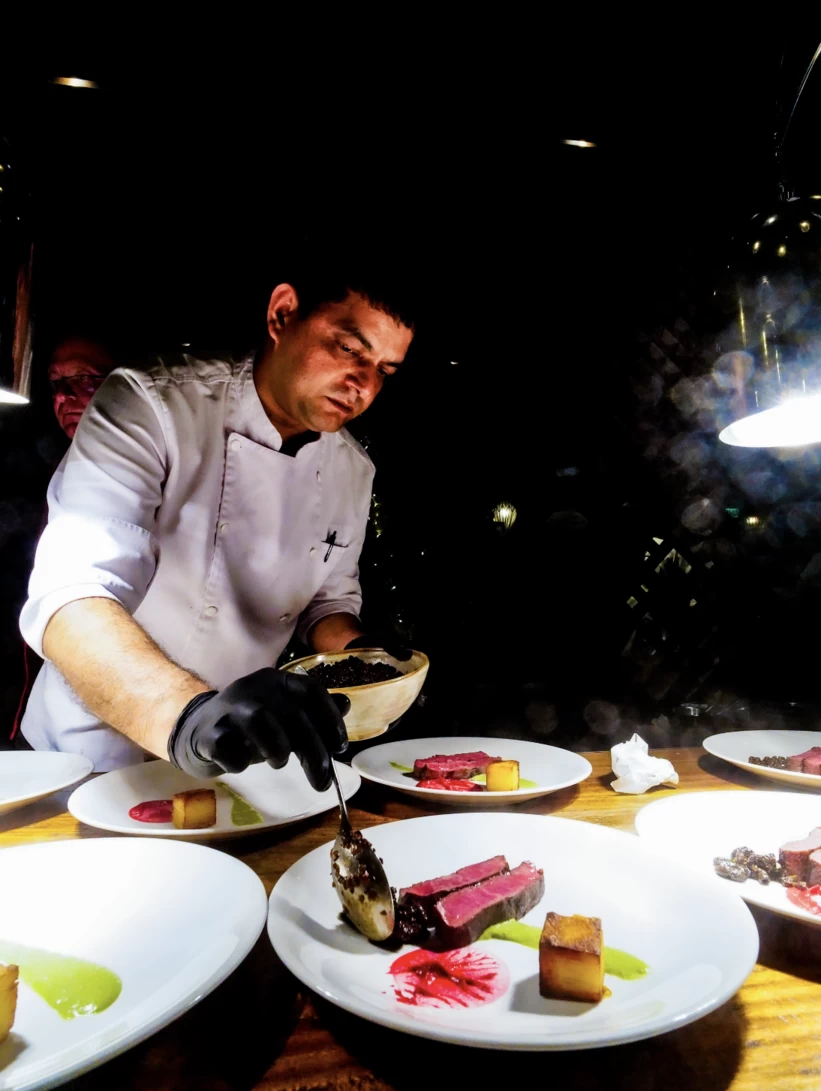
Chef Miguel’s presence is quite unmistakable: quietly commanding, thoughtful, and deeply rooted in where he comes from. Born in Sulu and shaped by life in Zamboanga, Chef Miguel has made it his life’s mission to bring Mindanaoan cuisine into conversations it has long been excluded from. Watching him move through the kitchens of Crimson Boracay, you sense that this isn’t simply about food. It’s about representation and about pride of telling a story to many Filipinos–and even foreigners–have yet to fully taste.
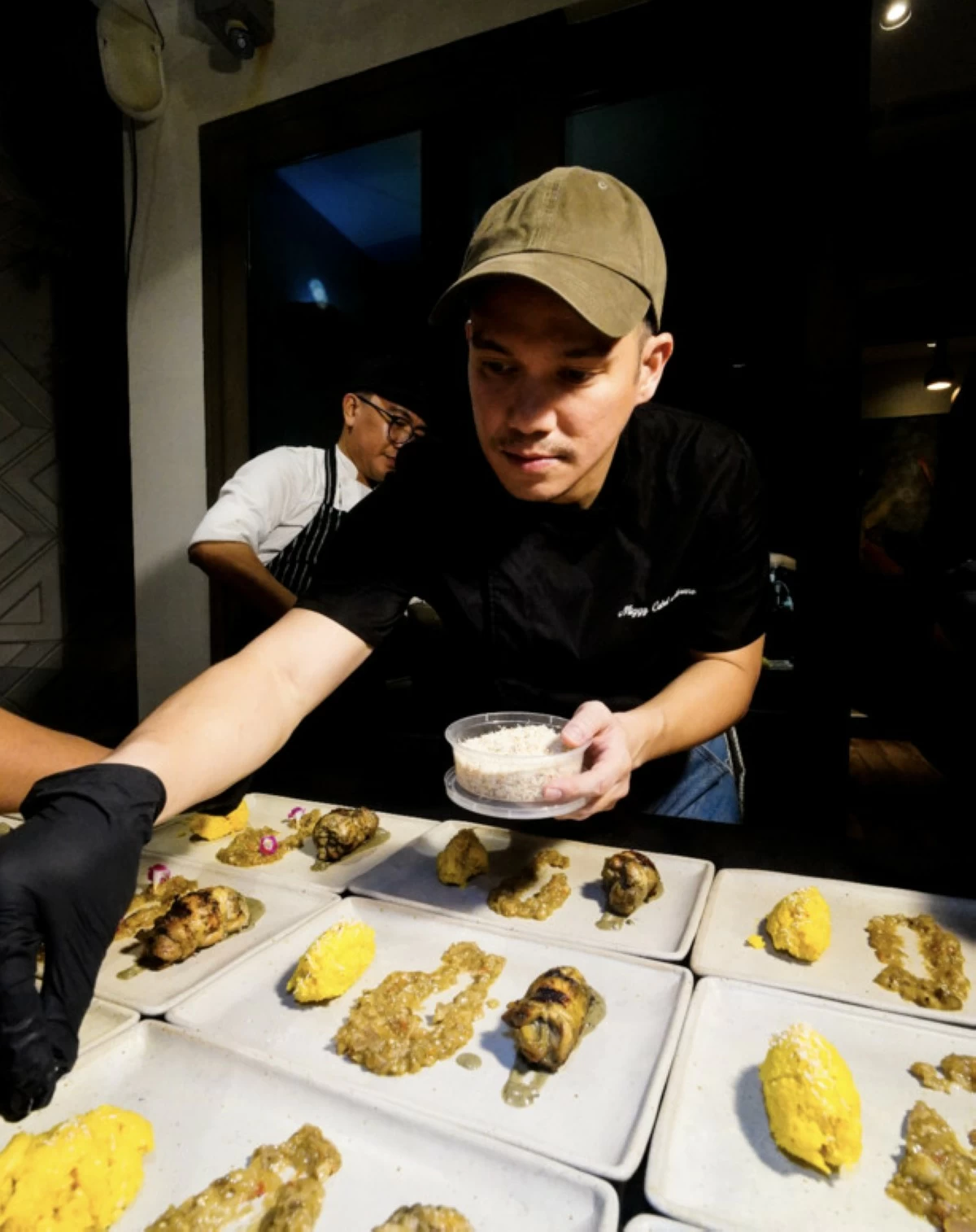
Chef Miguel Moreno
For those unfamiliar with his work, Chef Miguel is the man behind Palm Grill, with branches in Tomas Morato, Quezon City (opened in 2017) and Araneta City, Cubao (2023), both championing cuisines from ZamBaSulTa or Zamboanga, Basilan, Sulu, and Tawi Tawi. He is also the force behind Cabel Filipino Heritage Restaurant inside the Malanacanang Compound in Manila City.
With the entry of the Michelin Guide to the Philippines last October, both of his restaurants earned Bib Gourmand distinctions. Palm Grill was cited for its “warm hospitality and classic Southern Mindanao cuisine” defined by spices, acidity, and roasted coconut, while Cabel was praised for reflecting “the length and breadth of the Philippines, albeit with a penchant for Southern Mindanao.”
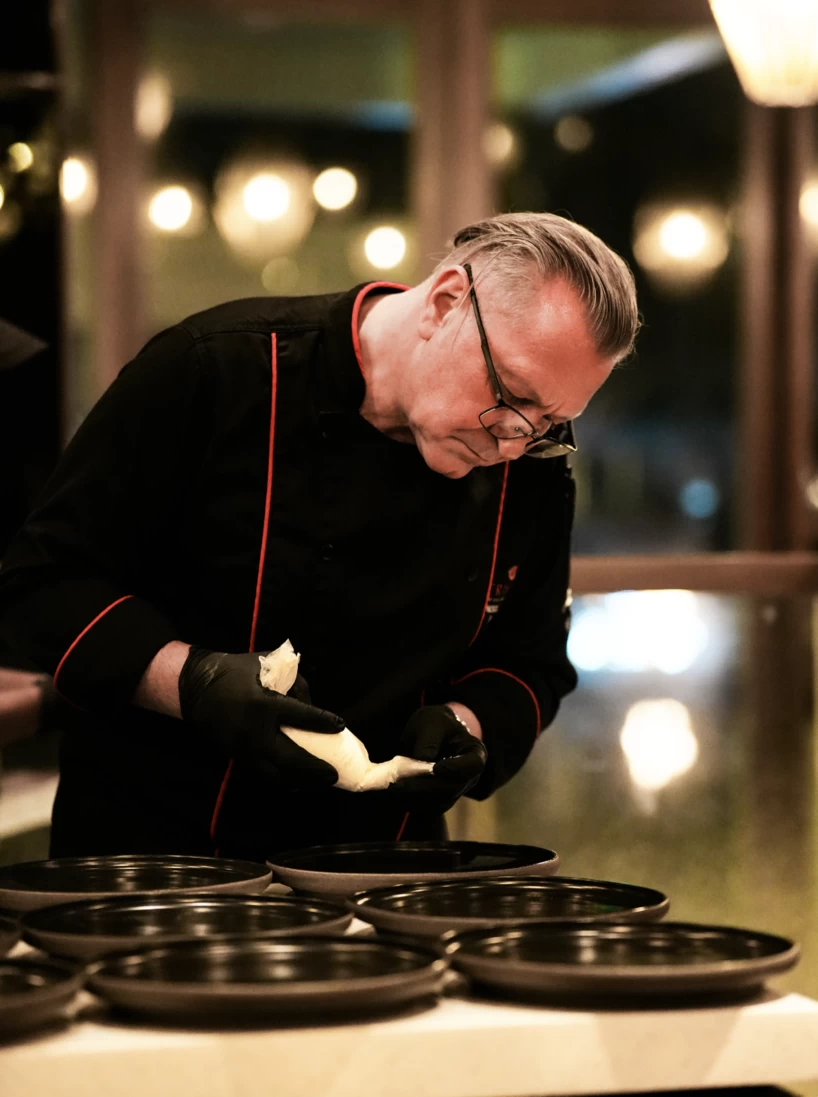
Chef Nickolai Stoyanov
Recognition, yes but for Chef Miguel this is not the end goal.
What struck me during our conversation was how often he returned to the idea of home. Every dish he served during “From South to Shore” felt like an ode to home, like an edible memory designed to transport diners from Boracay’s shores to his kitchen in Mindanao.
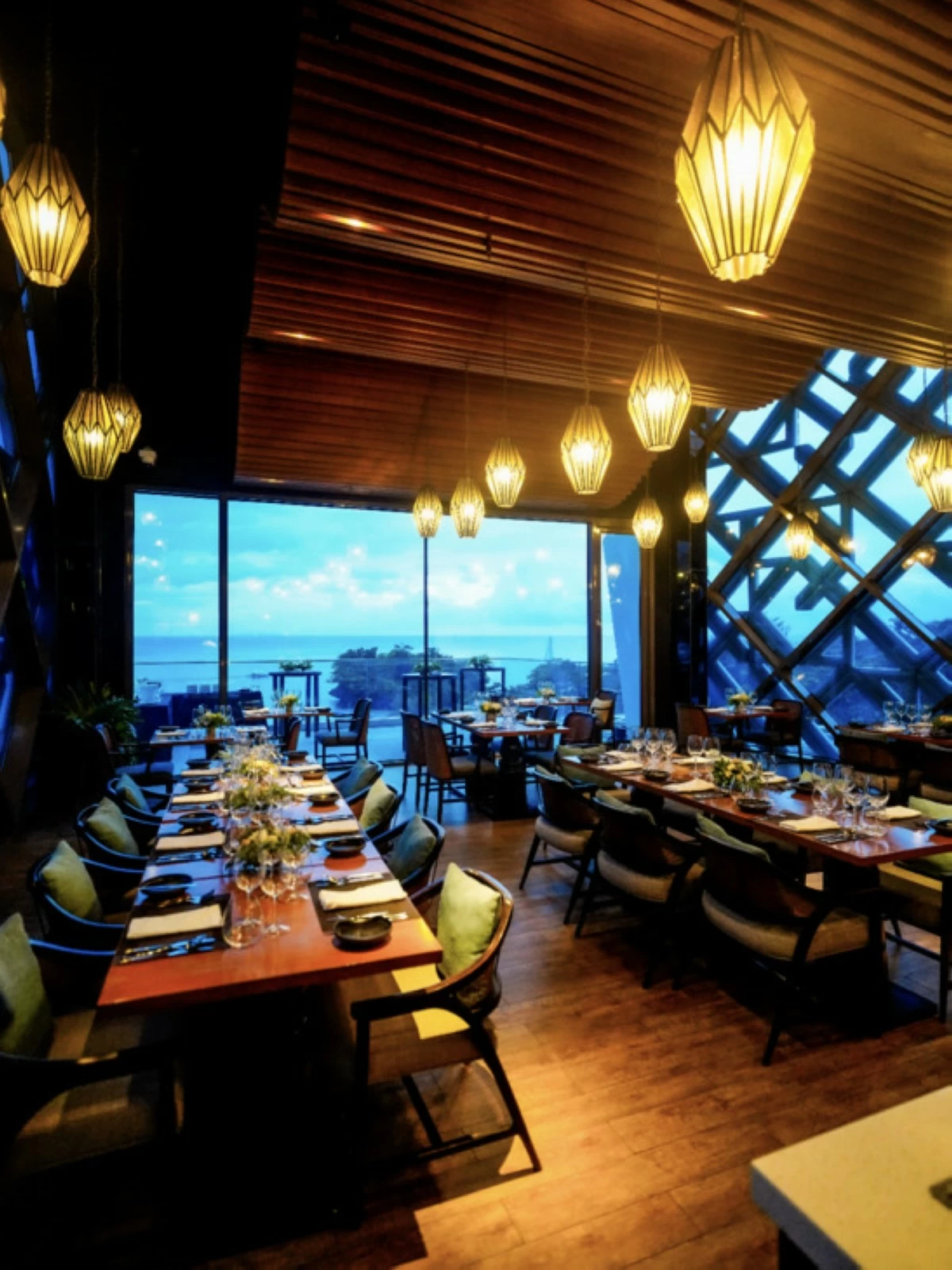
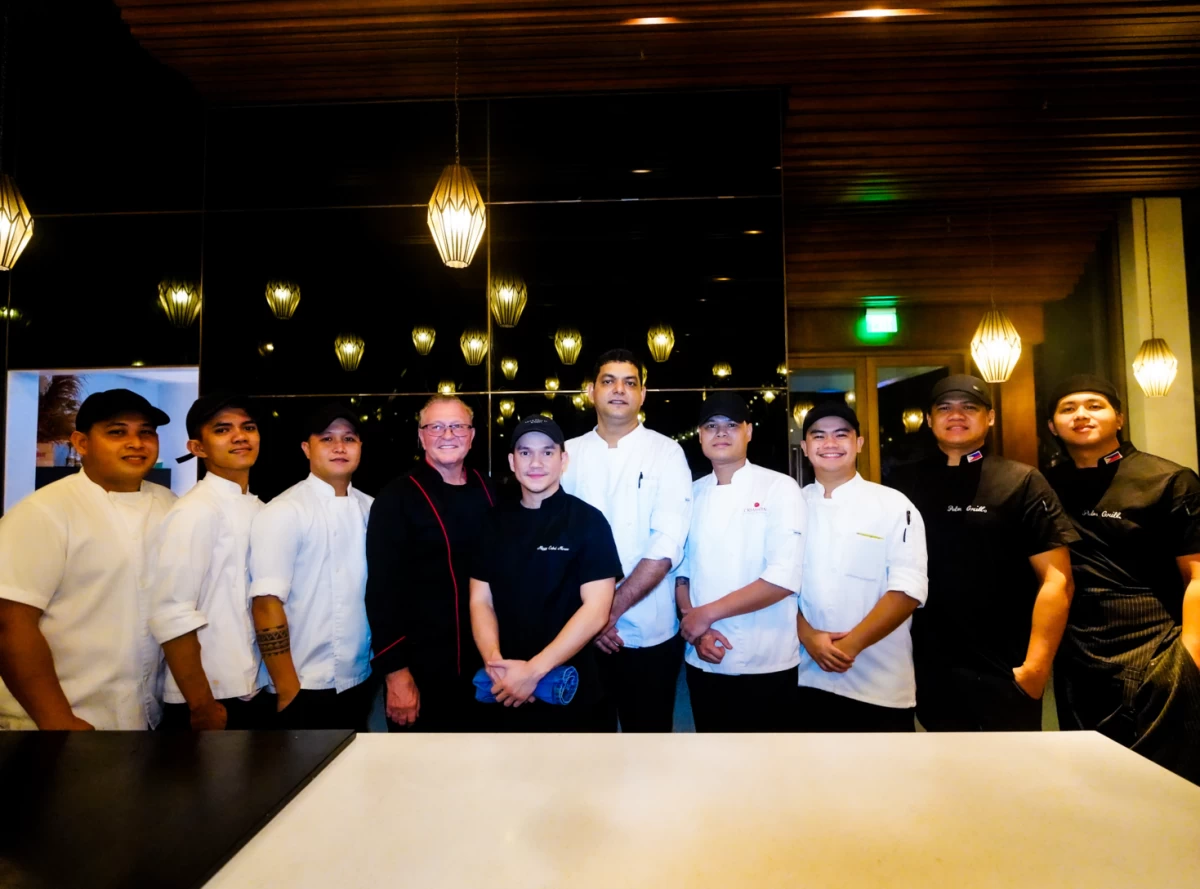
Golden collaboration
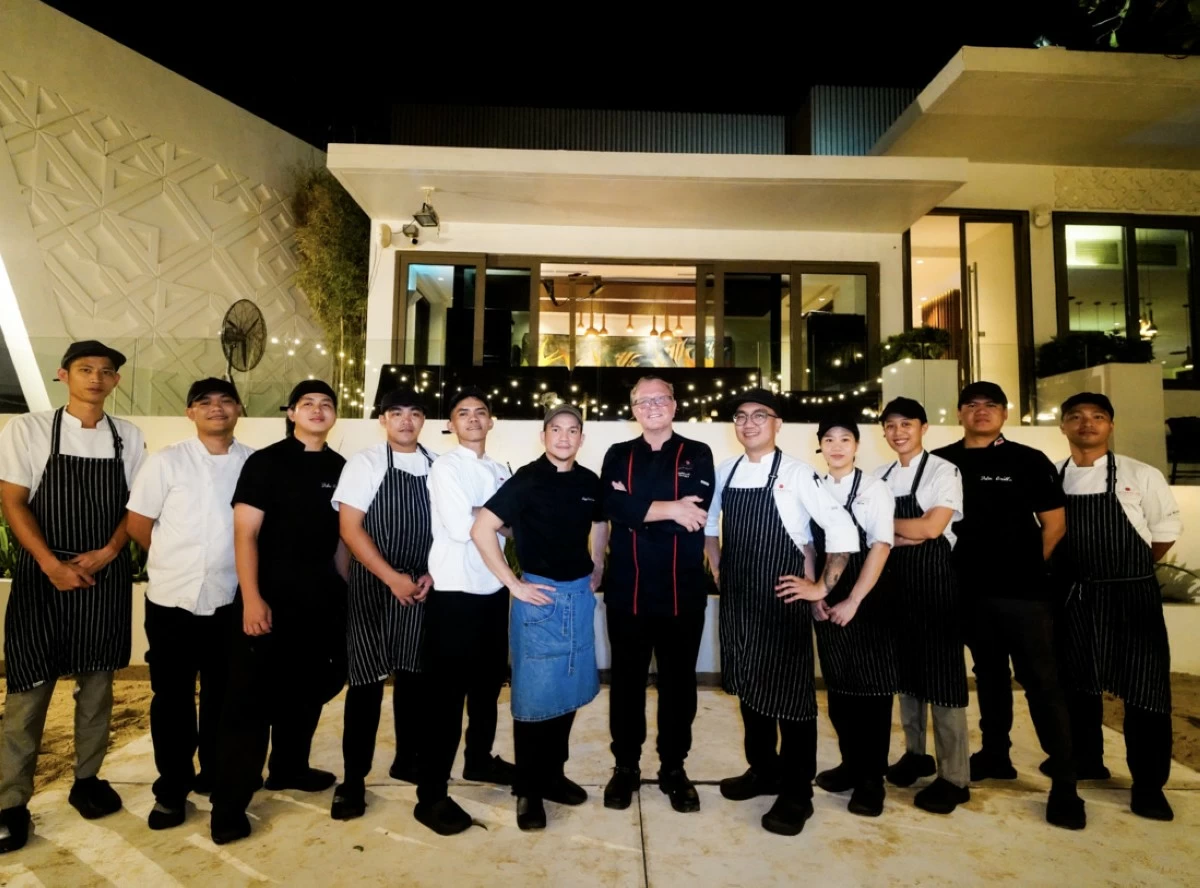
The collaboration itself came together organically. Crimson Boracay’s executive chef, Nickolai Stoyanov, had been increasingly interested in weaving Mindanaoan flavors into the resort’s dining concepts, whether subtly in buffet spreads or more deliberately through a la carte offerings. While exploring possible collaborations, he came across an article on Chef Miguel. By mid-2025, Crimson reached out.
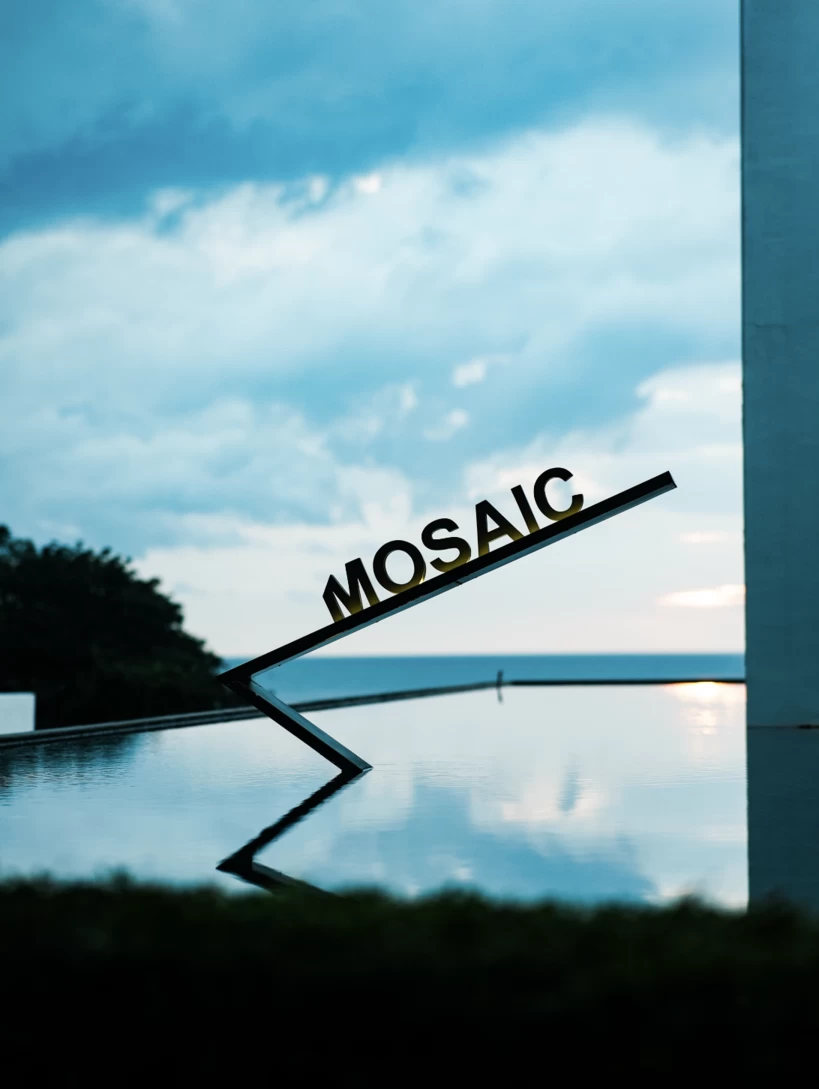
At the time, neither party knew that Michelin recognition was just around the corner. In a twist of fate, the partnership was sealed before accolades arrived, making the collaboration feel less like a calculated move and more like a meeting of kindred spirits. Notably, Crimson Boracay itself, through its restaurant Mosaic, was later recognized as Best Restaurant at the Conde Nast Johansens Awards for Excellence in 2026. Its sister property in Cebu, Crimson Resort and Spa Mactan, would also get a nod from the Michelin Guide for its Spanish restaurant, Enye.
“When Crimson called, it was a no-brainer,” Chef Miguel recalled. “I never say no to collaborations. I always find time because that’s how we push the narrative forward. That’s how we spread the word.”
Echoes from the south
The first night unfolded at Mosaic Latin Grill, where Chef Miguel worked alongside Chef Nickolai and Chef Josephine Doromal. The brief from the executive chef was clear: Mindanaoan food, seen through a Spanish and Latin American lens. This approach felt natural for Chef Miguel given Zamboanga’s heritage.
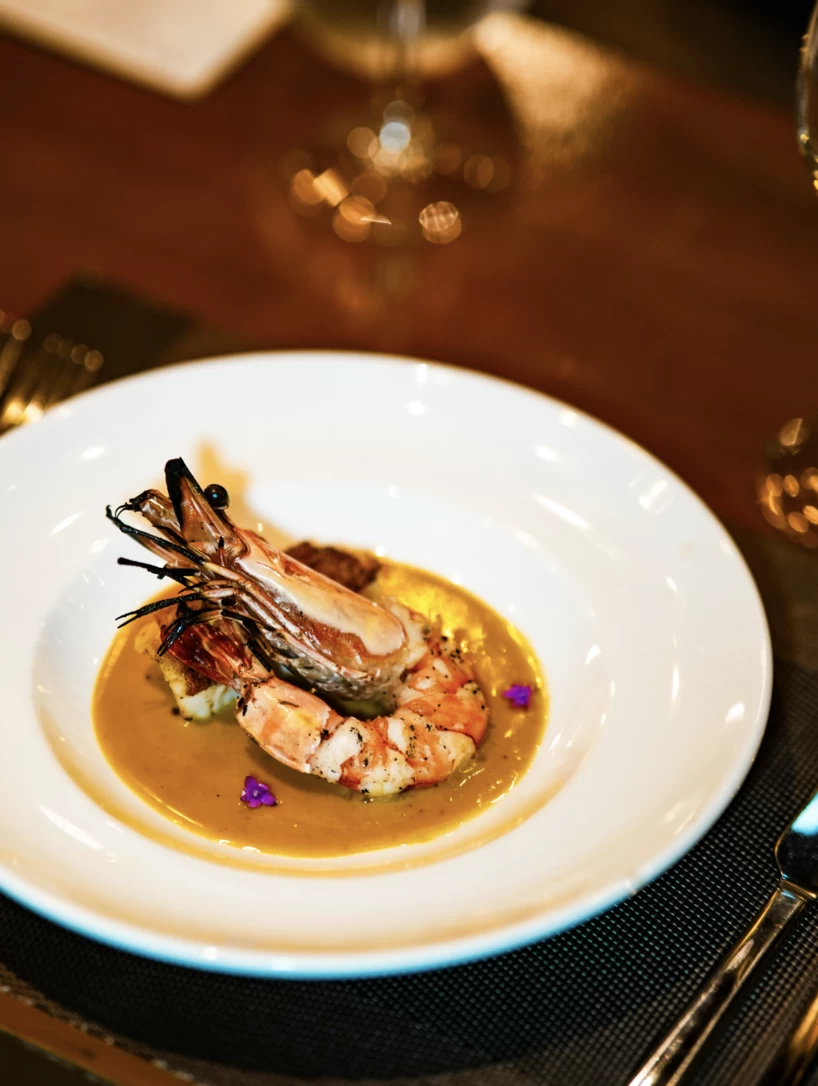
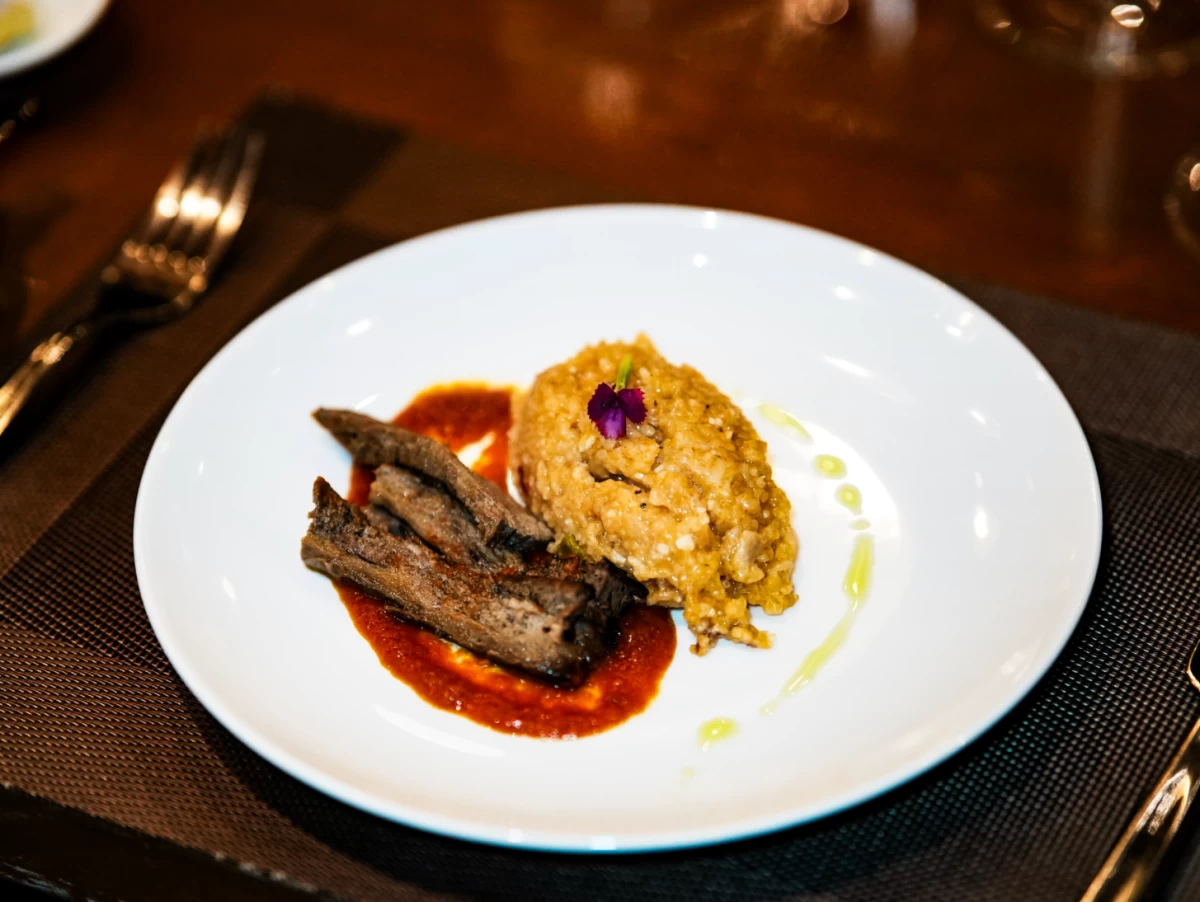
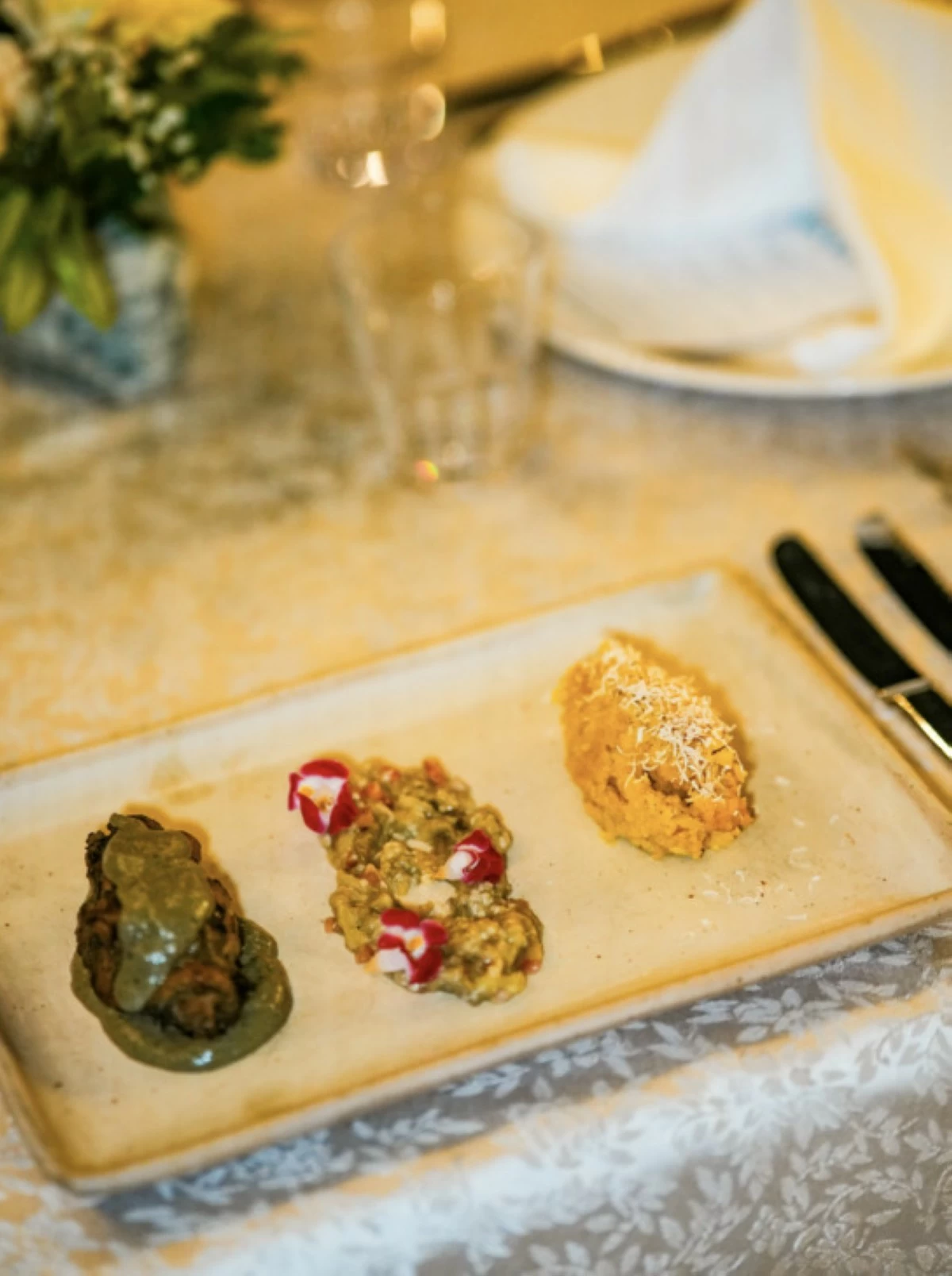
Chef Miguel presented Amor del Mar (translation: Love from the Sea), a delicate yet deeply flavored dish of tiger prawn and red grouped in coconut milk and turmeric reduction; and Mi Abuela (My Grandmother), lengua estofado paired with arroz valenciana—a recipe passed down from his grandmother to his mother, and now to him.
“This dish is an ode to my grandmother,” he said. “She taught me how to make valenciana and lengua when I was a kid.”
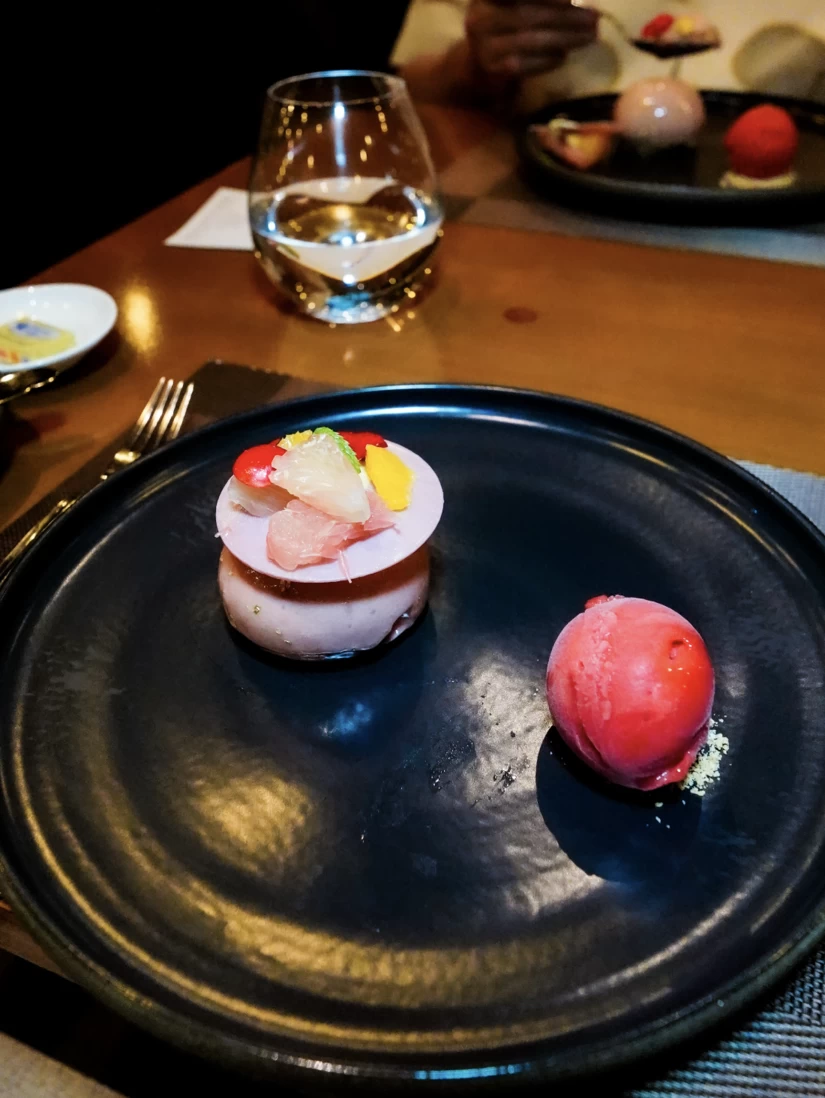
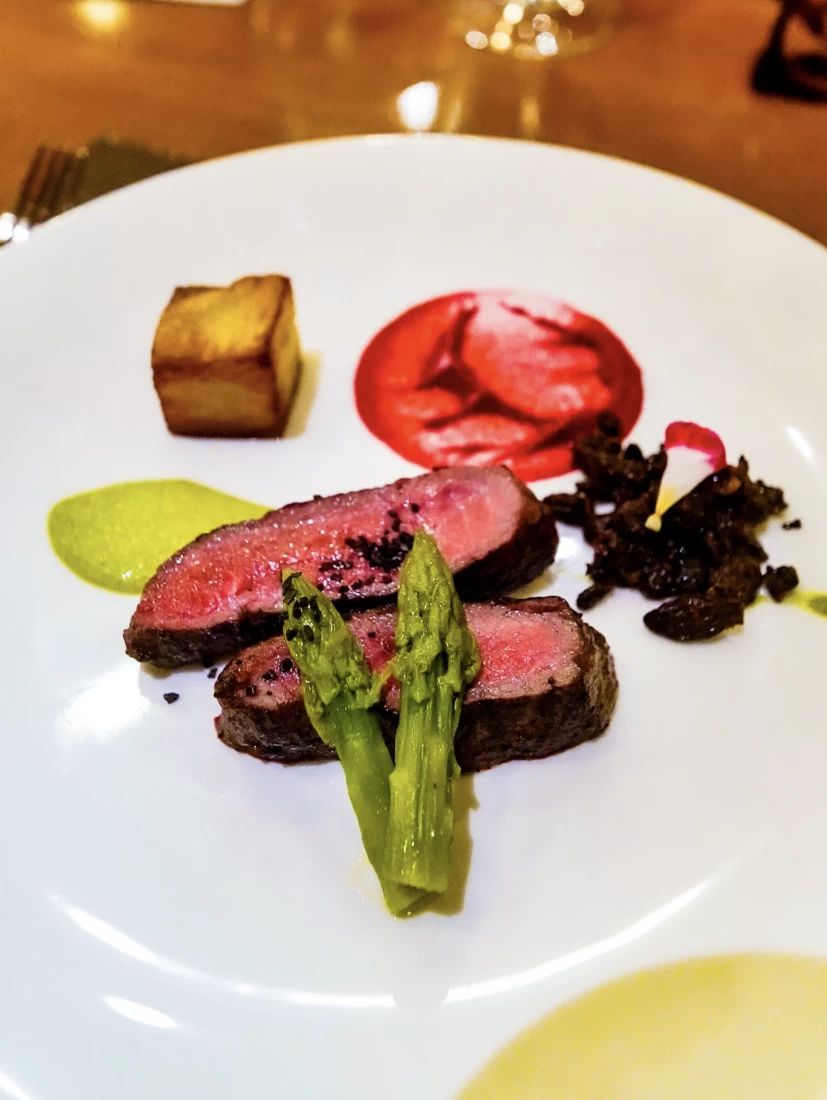
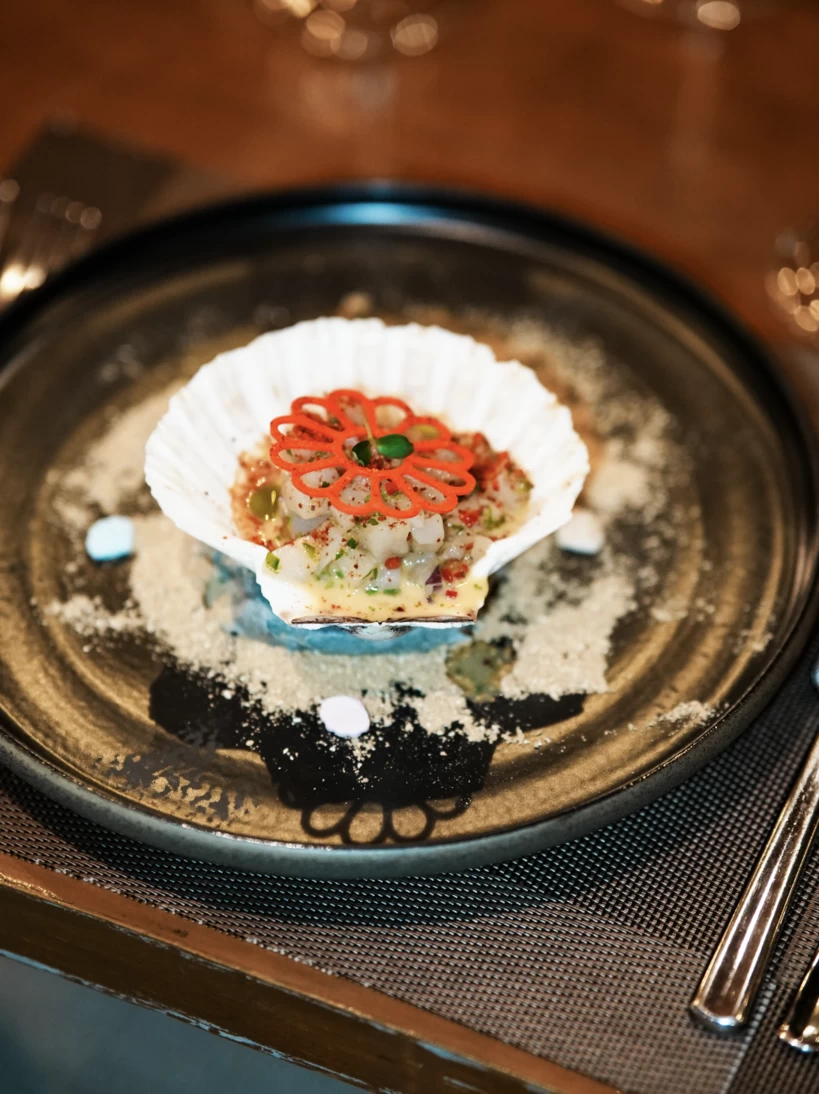
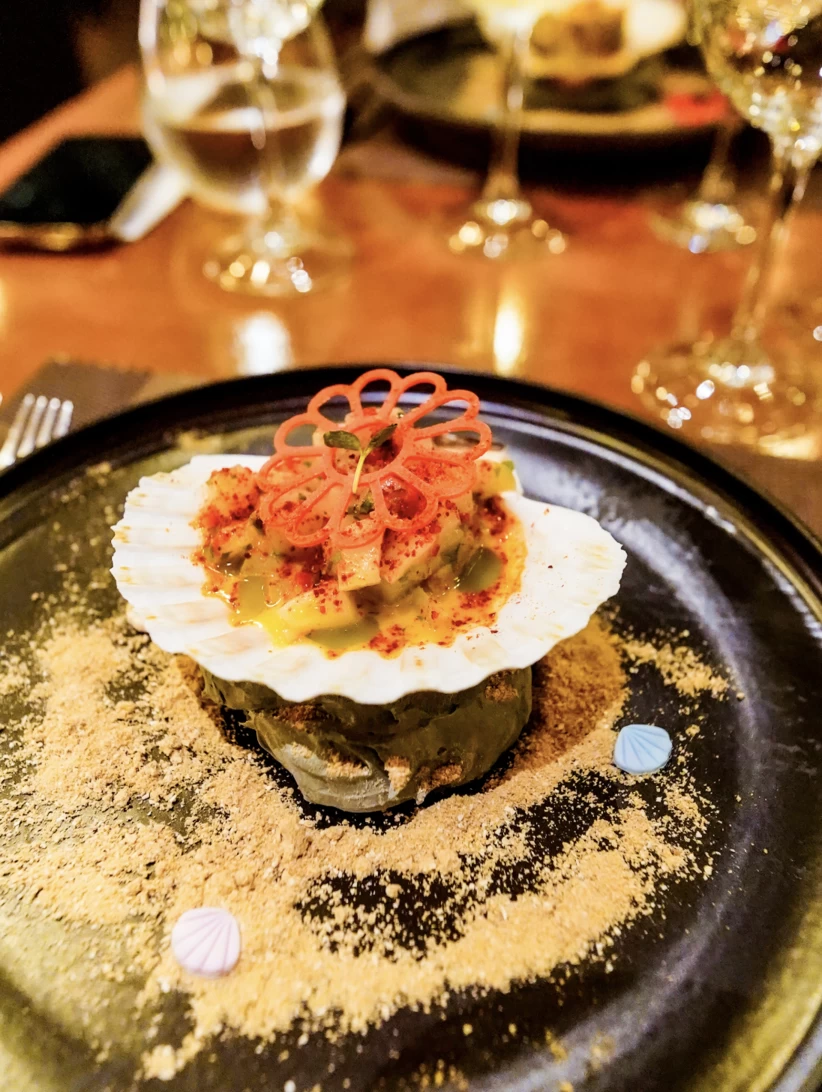
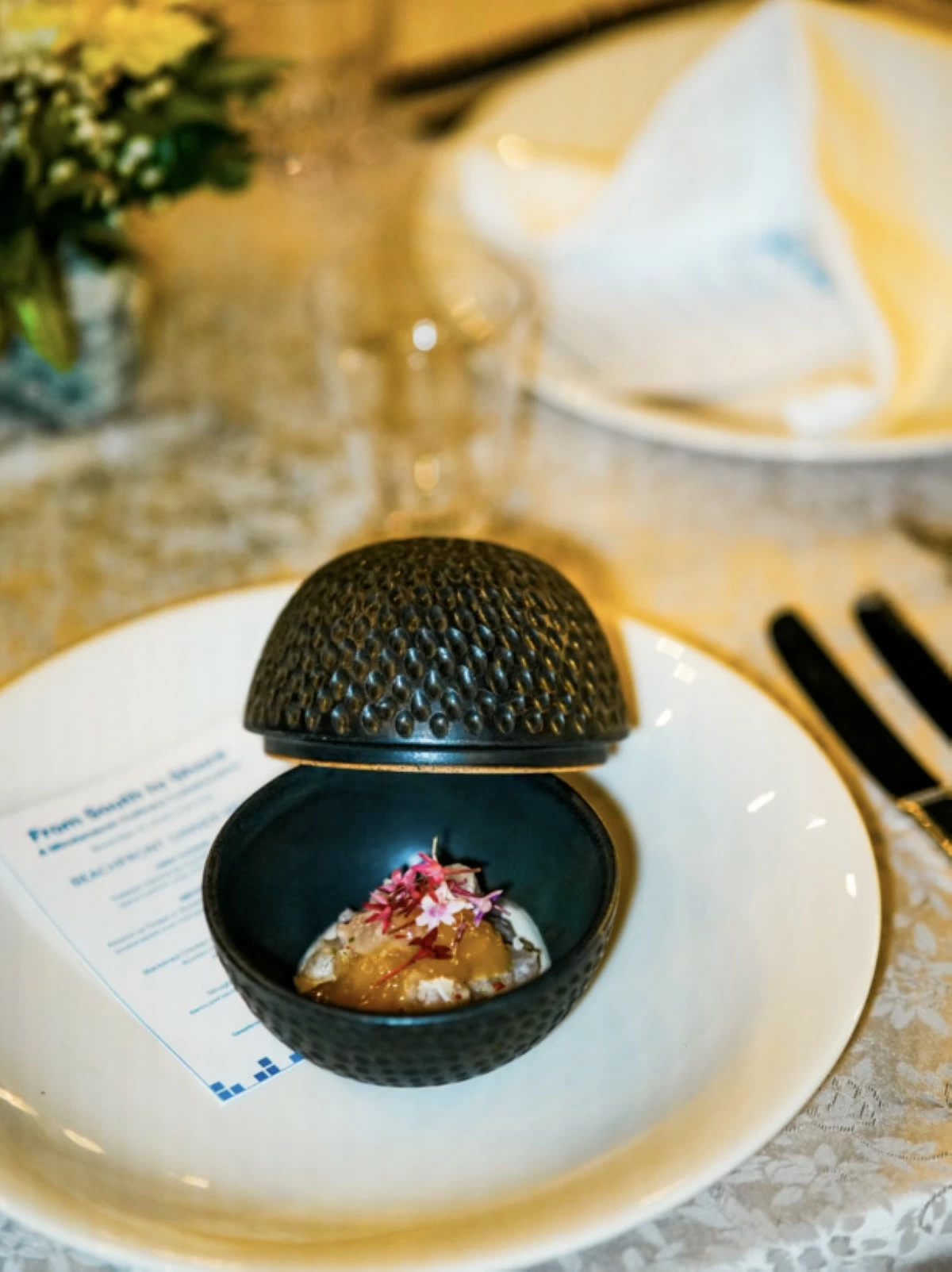
The dinner, paired with wines from AWC Philippines, also featured Scallop Ceviche, sea urchin leche de tigre, piment d’Espelette; Wagyu Flat Iron Steak, asparagus spears, roasted beef puree, braised morels, Aji Verde; and Pomegranate Mousse, pomegranate cremeux, citrus salsa, calamansi curd, and spicy strawberry sorbet.

Tausug roots by the sea
On the sophomore night, the experience shifted to Azure, Crimson Boracay’s beachfront dining outlet, where the atmosphere was livelier and the flavors more intense. Here, Chef Miguel collaborated with Chef de Cuisine Philip Arroza, bringing his Tausug roots to the forefront.
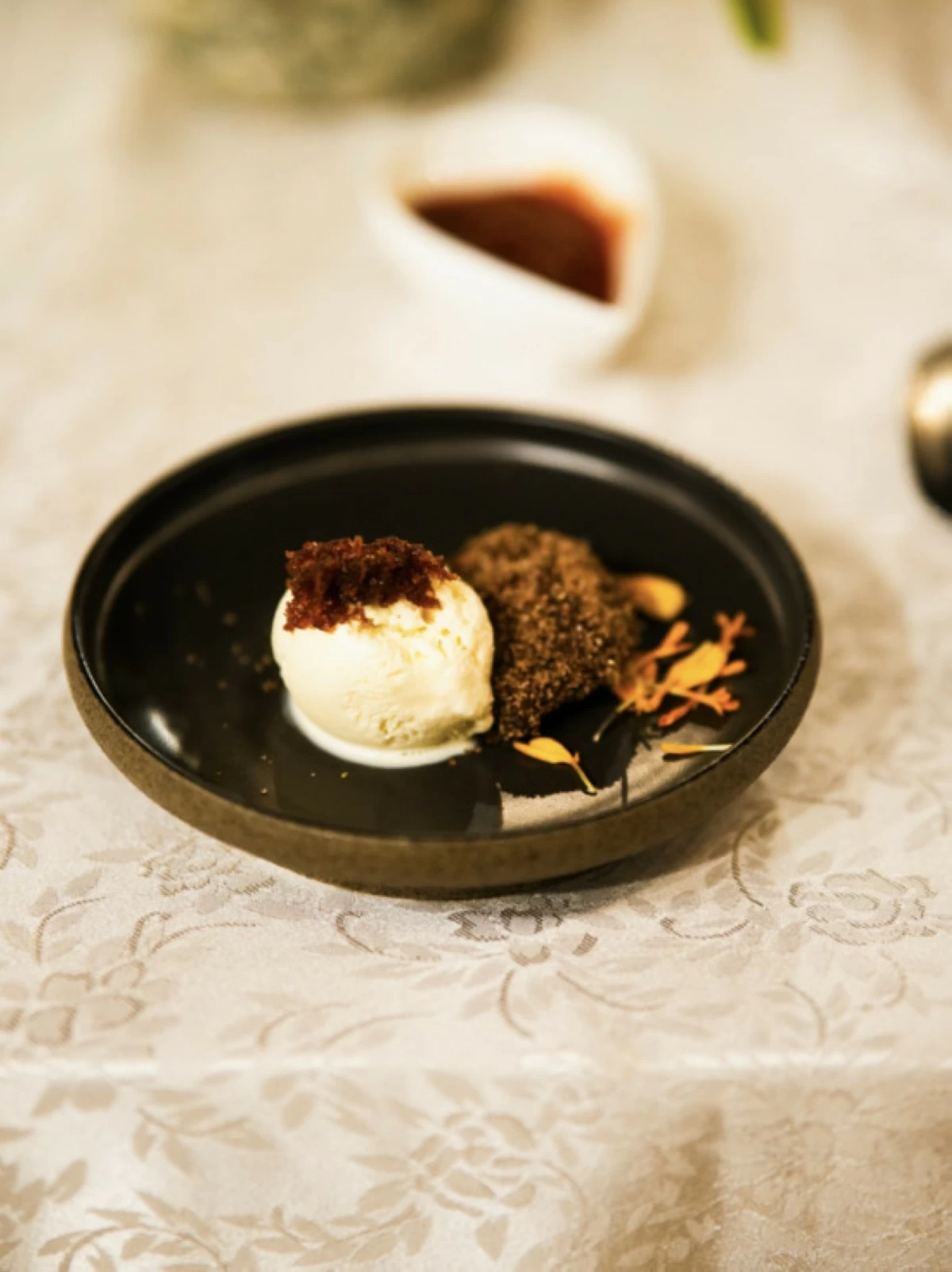
Standout dishes included Thalassic Ceviche—Spanish mackerel cured without vinegar, enriched instead with coconut milk and dried fish—and Blackened Chick of the Tausugs, featuring burnt coconut, turmeric rice, and Mindanaoan ensalada. Dessert was Hinti, a comforting composition of sweetened coconut mean, banana fritters, and house-made 100 percent carabao milk gelato.
“This is where it really dives into my Tausug roots,” Chef Miguel said. “Heavy coconut, burnt coconut, turmeric, these are flavors I grew up wth.”
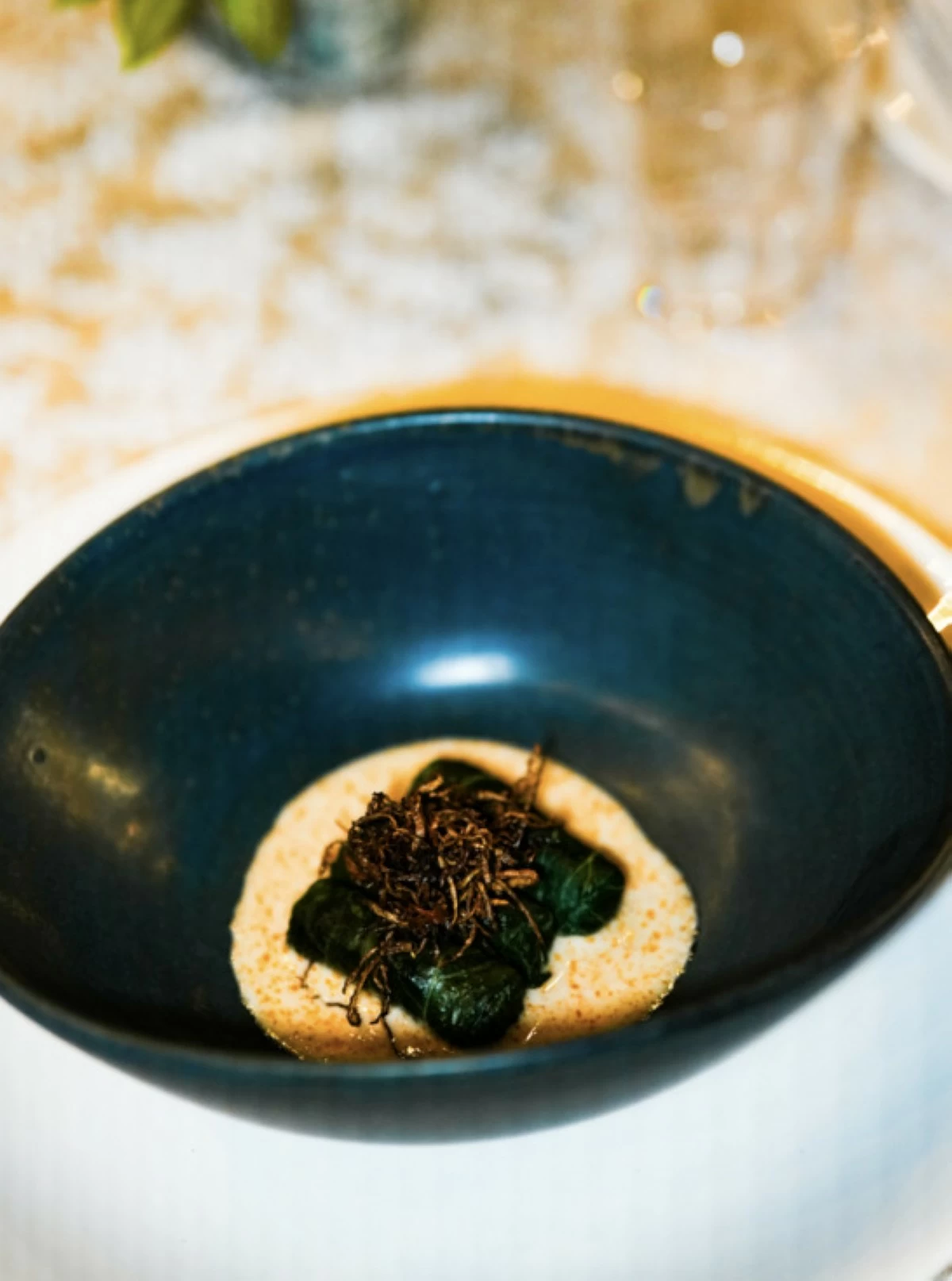
Chef Philip also offered Kinunot na Tinapa or Shredded Smoked Fish with smoked blacken scad, malunggay leaves, peachy, banana blossom, and coconut sauce; as well as Sinugba or Grilled Meat with iberico pork secrete, coriander coconut rice, green mango salsa, and pumpkin puree.
From Mindanao to the world
Nearly nine years into running Palm Grill, Chef Miguel still believes there is much work to be done.
“Not a lot of people get to travel to Mindanao, especially Zamboanga, Basilan, Sulu, Tawi Tawi,” he said. “So people don’t know the food. There’s also apprehension and fear.”
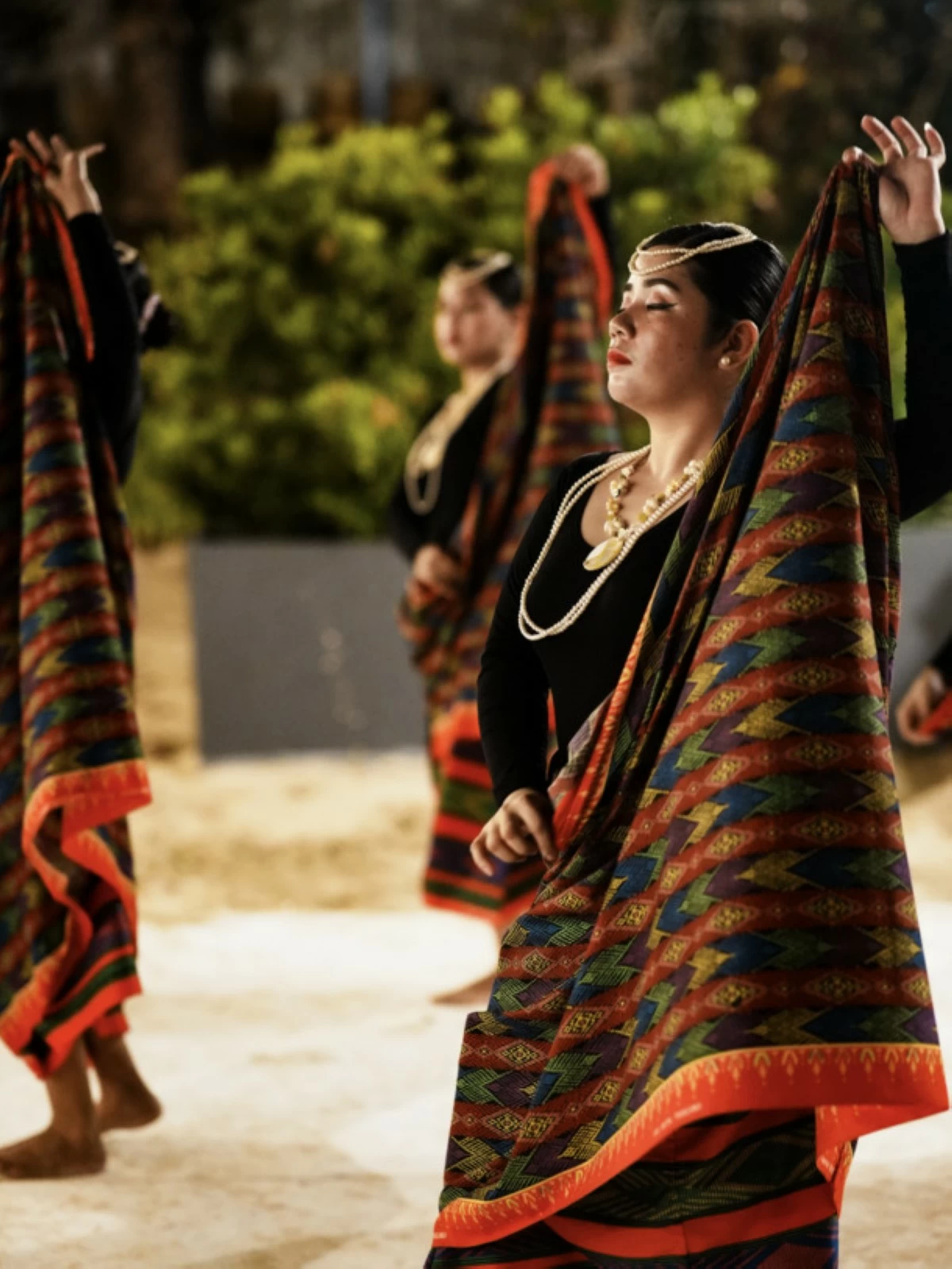
He is quick to dismantle misconceptions, especially the tendency to box Mindanaoan cuisine as something unfamiliar. In fact, the flavor profile of Mindanaoan food is right there along Southeast Asian cuisines–Thai, Indonesian, Singapores–rich in spices, coconut, turmeric, and familiar cooking methods. For many diners, the revelation is the same: It’s new, yet comforting.
Culture and legacy
Beyond restaurants and collaborations, Chef Miguel has also authored two children’s books, “Si Migoy, Ang Batang Tausug” and “Ang Kwento ni Putli Mandi.” These introduce culture and cuisine to the next generation.
Legacy, for Chef Miguel, is not measured by profit margins. “If there are savings, thank God,” he said. “Most of the time, we’re just breaking even. But what matters most is purpose.”
As the collaboration came to a close, I realized that what Chef Miguel is building is far larger than a culinary empire. It’s a bridge between regions, histories, and identities. In every dish, from Boracay to Manila, he reminds us that Filipino cuisine is truly something we should be proud of.
“It's not just a business of putting up a restaurant. It's a business of introducing history and culture. It's a business of educating people, and it's a business of reminding them to continuously be proud of who we are as Filipinos,” he said.
“I think we, as Filipinos, should be extremely proud of our cuisine because it's so diverse. It's so multifaceted. It's glorious,” he concluded.
And perhaps, all it takes to understand Mindanaoan cuisine is to sit at the table, and taste.
ADVERTISEMENT

No comments:
Post a Comment