
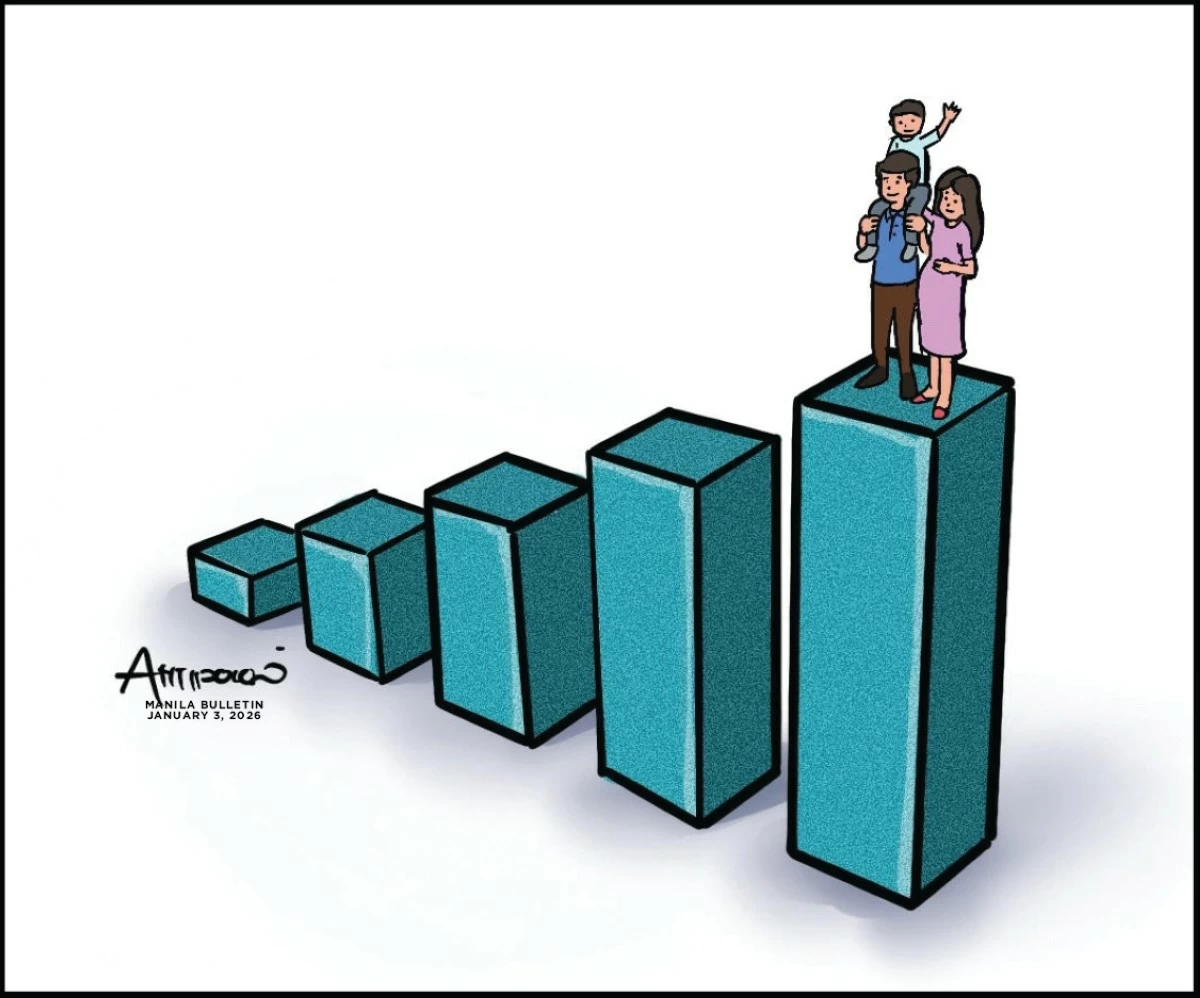
As the Philippines looks ahead to 2026, there is reason for cautious optimism. Macroeconomic indicators point to steady growth, easing inflation compared to previous years, and renewed investor confidence. Yet for many Filipino families, optimism remains conditional. The true measure of economic progress is not found in charts or forecasts, but in the daily realities of households struggling to stretch incomes, manage food costs, and plan for the future.
Inflation, while moderating, continues to pose a threat to household stability. Even small price increases have outsized effects on low- and middle-income families, where food, transport, utilities, and education consume the bulk of earnings. Improvements in headline inflation figures must therefore translate into actual relief at the marketplace level. Vigilance is imperative, particularly against supply shocks, global volatility, and climate-related disruptions that can quickly push prices upward.
Food security lies at the heart of this challenge. The affordability and availability of basic commodities—rice, vegetables, fish, meat—determine whether economic growth is felt or merely reported. Structural weaknesses in agriculture, from post-harvest losses to logistics inefficiencies, continue to expose Filipino households to price spikes. Addressing these issues requires more than short-term importation measures. Sustained investment in local production, farmer support, irrigation, cold storage, and modern farming techniques is essential to ensure stable food supply and fair prices.
Equally important is income growth. Economic expansion means little if wages remain stagnant and employment insecure. Government and the private sector must work together to create quality jobs that offer not only pay, but stability, skills development, and social protection. Supporting micro, small, and medium enterprises remains critical, as they employ the majority of Filipino workers and are most sensitive to economic shifts. When MSMEs thrive, growth in household incomes is realized.
Fiscal policy must also remain prudent and responsive. Social protection programs—such as targeted cash transfers, fuel and transport subsidies, and food assistance—serve as vital buffers during periods of economic stress. These interventions should be well-planned, efficiently delivered, and regularly reviewed to ensure they reach those who need them most without distorting markets or straining public finances.
At the same time, households benefit from predictability. Stable prices, reliable public services, and clear economic direction allow families to plan, save, and invest in education and health. This is where governance matters. Transparent policymaking, disciplined spending, and effective regulation help sustain confidence not just among investors, but among ordinary citizens.
In 2026, the country’s ability to balance growth with protection will undergo stress tests. External risks, such as geopolitical tensions, commodity price fluctuations, and extreme weather, remain beyond effective national control despite limited predictability. What the government can control and manage is to elevate preparedness by strengthening food systems, reinforcing safety nets, and maintaining sound economic management.
Economic optimism is welcome, but it must be grounded in realism. Growth that is not felt at the household level erodes trust and widens inequality. Growth that reaches the kitchen table—through affordable food, decent work, and stable living conditions—builds resilience and shared prosperity.
As the nation moves forward, the guiding principle should be clear. Every policy, every reform, and every peso spent must ultimately answer a simple question: Does this make life better for the Filipino family? Only when the answer is yes can optimism truly be justified.
