
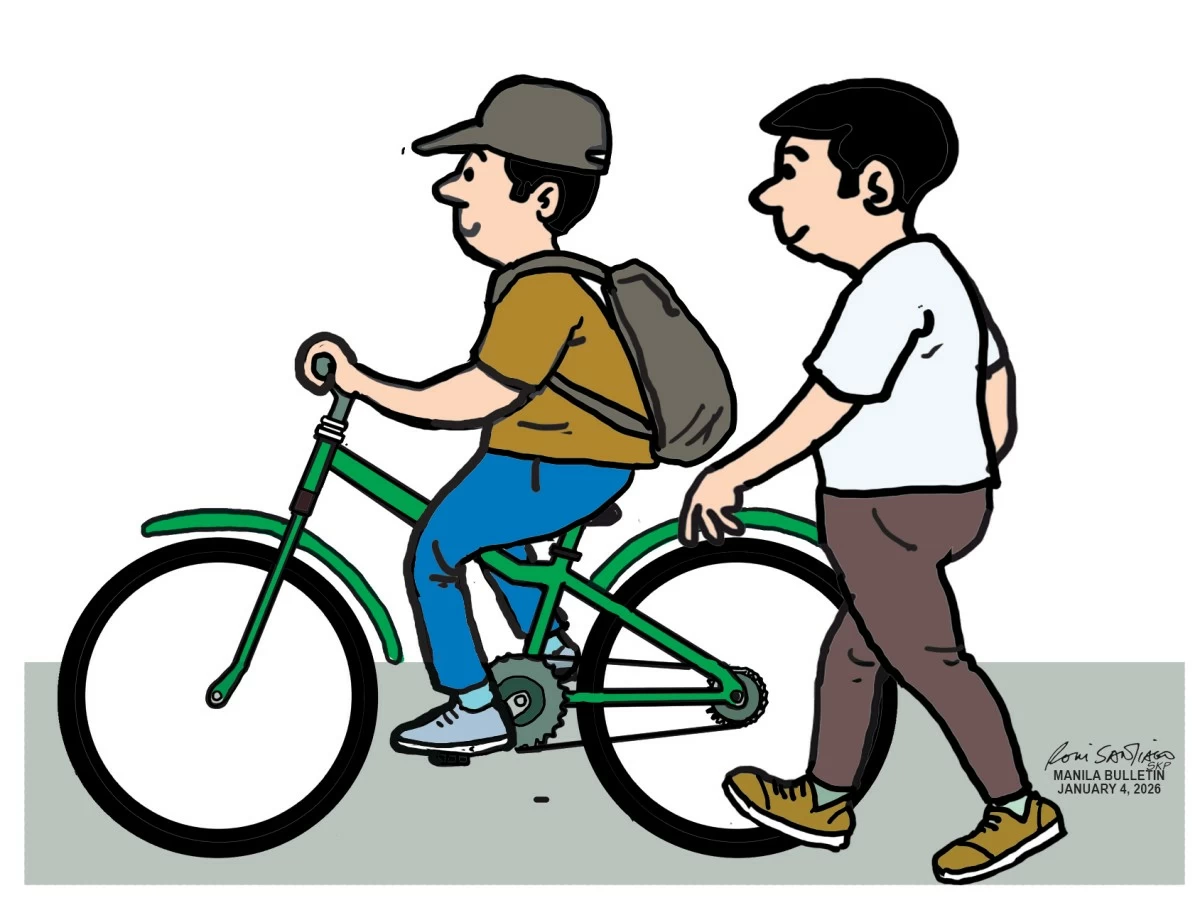
The first Sunday of 2026, just before we start the first workweek of the new year, is a good moment to reflect on a truth – our health matters. In the rush of work, chores, errands, and digital distractions, it’s easy to postpone exercise and self-care as luxuries for “later.”
But evidence from health experts around the world shows that caring for our bodies isn’t a fleeting preference — it’s a foundation for a longer, more fulfilling life.
Regular physical activity does more than build muscles or improve appearance – it prevents disease. According to the World Health Organization, physical activity significantly reduces the risk of non-communicable diseases such as heart disease, cancer, diabetes and stroke, while improving mental health, sleep quality, and overall wellbeing. Physical inactivity increases the risk of death and poor health outcomes, while moving more can lower these risks significantly.
Scientific studies have repeatedly stated that being active boosts good cholesterol, reduces unhealthy triglycerides, combats obesity, and even enhances mood and energy throughout the day.
But many of us struggle not because we don’t want to be healthy, but because our environments and routines don’t make it easy. When city planning prioritizes cars over people, healthy activities such as walking becomes a chore and cycling feels risky. That’s why government investment is a commitment to healthier, happier citizens.
Take New Zealand, for example. The government funds the Ngā Haerenga Great Rides network, a system of cycle trails and walking routes that attracts millions of users and contributes over $1.28 billion annually to local economies while encouraging outdoor activity and healthier lifestyles. These trails — like the scenic Queenstown Trail or Otago Central Rail Trail — are more than recreational assets; they are living infrastructure that invites people of all ages to move, explore, and connect with nature.
Cities in Europe have set similar examples. In the Netherlands, extensive cycling infrastructure — from protected lanes to widespread bike parking — contributes to high bicycle use and tangible health benefits. Research suggests that Dutch cycling levels prevent thousands of premature deaths each year and add years to life expectancy, translating into significant economic gains as well.
These are not fringe strategies. Countries like Germany, Denmark, and Ireland actively promote walking and exercise through public programs, upgraded walking paths, and community events aimed at broad populations.
Public health policy increasingly sees preventive care — including exercise — as a long-term investment in national wellbeing, not a short-term cost.
So what can our government do to encourage citizens to care for their health? The government could expand safe walking and cycling networks in cities and provinces, paired with public campaigns that normalize daily movement. Local governments can convert under-used spaces into parks, walking loops, or community exercise hubs. Schools and workplaces can integrate short activity periods into daily routines.
For individuals, a simple yet powerful place to start is walking. Unlike specialized gym routines or expensive equipment, walking is accessible, low-impact, and can be woven into daily life. A brisk 30-minute walk most days of the week improves cardiovascular health, strengthens muscles, reduces stress, and helps regulate weight. It also opens the door to greater activity — from cycling and hiking to group sports — building not just fitness, but community and joy.
In a world that prizes productivity, we must redefine what it means to be productive. True productivity isn’t measured only by tasks completed, hours worked, or targets met, but by the richness of our lives — how well we can move, breathe, laugh, and engage with the world and people we love. Investing time in our health isn’t selfish; it’s essential.
