You plan to move to the Philippines? Wollen Sie auf den Philippinen leben?

There are REALLY TONS of websites telling us how, why, maybe why not and when you'll be able to move to the Philippines. I only love to tell and explain some things "between the lines". Enjoy reading, be informed, have fun and be entertained too!

Ja, es gibt tonnenweise Webseiten, die Ihnen sagen wie, warum, vielleicht warum nicht und wann Sie am besten auf die Philippinen auswandern könnten. Ich möchte Ihnen in Zukunft "zwischen den Zeilen" einige zusätzlichen Dinge berichten und erzählen. Viel Spass beim Lesen und Gute Unterhaltung!


Visitors of germanexpatinthephilippines/Besucher dieser Webseite.Ich liebe meine Flaggensammlung!

free counters

Total Pageviews

Showing posts with label Dexter Cabalza. Show all posts

Tuesday, June 23, 2026

PH braces for severe El Niño seen to last until 2027


Dexter Cabalza

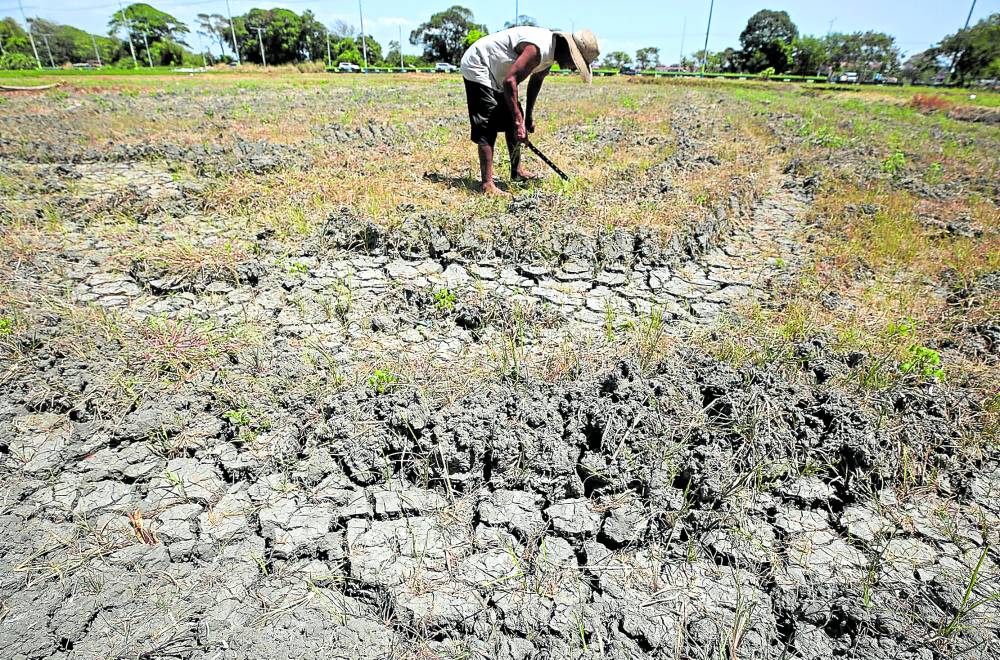
The Marcos administration is ramping up measures to protect the country’s food, water and energy supplies amid warnings that a potentially severe El Niño phenomenon could persist until 2027, threatening agricultural production and economic activity nationwide.

President Marcos on Monday said government agencies were intensifying preparations as forecasts pointed to prolonged dry conditions that could affect large parts of the country.

“According to our data, there is a high possibility that the country will experience severe El Niño that may last until next year, 2027,” the President said during the inauguration of the Mabini-Cayacay Small Reservoir Irrigation Project (SRIP) in Bohol province.

He said the government was accelerating investments in irrigation and water-management projects to help farmers cope with drought and strengthen resilience against climate-related disasters.

Farmers on the front line

Among the measures being implemented is the promotion of drought-resistant and less water-intensive crops such as watermelon, ginger, purple yam, peanuts and eggplant in vulnerable farming communities.

The government is also encouraging the use of climate-adaptive technologies, including solar-powered irrigation pumps and water recycling systems in drought-prone areas.

Mr. Marcos highlighted the newly completed P833.37-million Mabini-Cayacay SRIP, a project of the National Irrigation Administration, as part of the administration’s broader strategy to sustain agricultural productivity despite worsening climate conditions.

The facility is expected to provide a year-round water supply to 530 hectares of farmland in eastern Bohol, benefiting 717 farmers in Mabini and Alicia towns.

The project includes a 32.20-meter-high dam, an ungated spillway and an 11.31-kilometer main canal that will distribute water from the Baujanan and Cawasan creeks to agricultural areas.

Officials said the irrigation system would allow farmers to increase cropping frequency from two to three planting cycles annually, boosting yields and incomes.

El Niño alert

The government’s preparations come after the Philippine Atmospheric, Geophysical and Astronomical Services Administration (Pagasa) confirmed earlier this month that El Niño conditions had developed in the tropical Pacific.

Sea surface temperatures in key regions of the Pacific were about 0.5 degree Celsius above normal, meeting the threshold for the onset of El Niño, Pagasa said.

The state weather bureau recently projected a 92-percent probability that a moderate to strong El Niño event would develop in the fourth quarter of 2026 and continue into early 2027.

El Niño is associated with below-normal rainfall, prolonged dry spells and drought conditions in the Philippines, although Pagasa said above-normal rainfall may still occur in western parts of the country during the southwest monsoon season until October.

Costly reminder

The Department of Agriculture (DA) warned that a strong El Niño could slash national rice production by as much as 700,000 metric tons, raising concerns over food security and farmers’ livelihoods.

Officials are drawing lessons from the 2023-2024 El Niño episode, which caused P57.78 billion in agricultural losses, the highest in recent years.

SEE ALSO
Swift youngest woman in Songwriters Hall of Fame

Corn suffered the heaviest damage, followed by rice, high-value crops, cassava, coconut and fisheries.

Data from the Philippine Statistics Authority showed agricultural output fell by 2.2 percent in 2024 to P483.58 billion, reflecting the impact of drought and extreme weather.

To mitigate similar losses, Malacañang said Mr. Marcos recently convened a Cabinet meeting to review the government’s El Niño action plan covering food security, water supply, energy reliability, public health and disaster preparedness.

The DA, National Food Authority, Philippine Coconut Authority and Bureau of Fisheries and Aquatic Resources have been directed to reactivate the DA National El Niño Team, identify drought-prone areas, rehabilitate irrigation facilities and promote water-saving farming practices.

Water-management agencies have been tasked to desilt reservoirs, repair facilities, enforce conservation measures and prioritize domestic water supply.

Health authorities are preparing for a possible rise in heat-related and waterborne illnesses, while energy agencies have been instructed to secure fuel reserves, strengthen transmission systems and ensure adequate electricity supply. —WITH A REPORT FROM ANDRE ESGUERRA

Saturday, March 29, 2025

UP develops natural, safer remedy for gout

Avatar

After decades of studies, researchers from the University of the Philippines Manila (UPM) have developed a natural treatment for gout, a type of inflammatory arthritis, and hyperuricemia, or abnormally high uric acid levels in the blood.

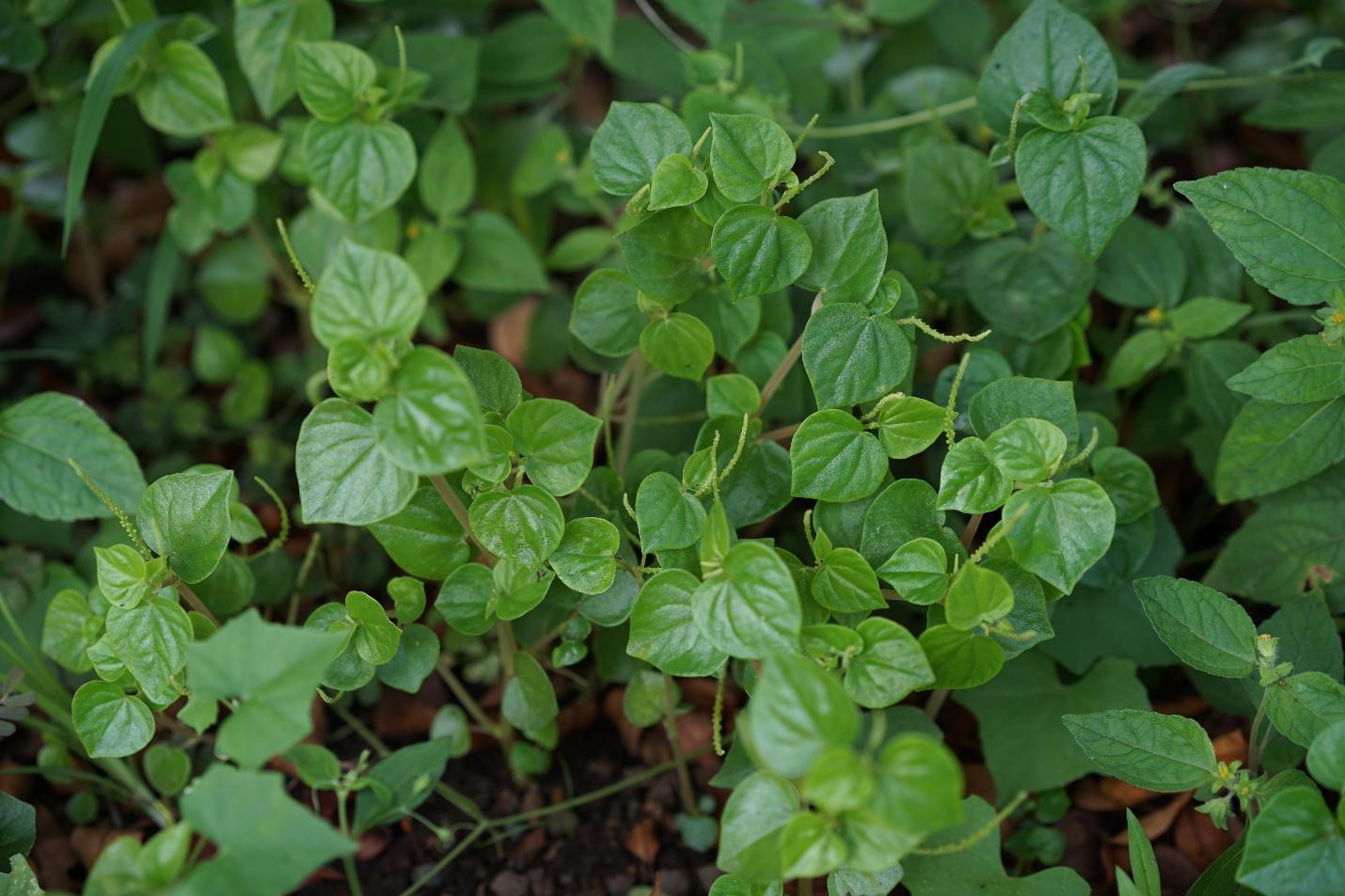
The oral tablets are made from the extract of pepper elder or shining bush plant (Peperomia pellucida), which has long been used as a traditional medication for its pain-relieving, anti-inflammatory properties.

The plant is known in the country for its different names—“pansit-pansitan” or “ulasimang-bato” in Tagalog, “olasiman-ihalas” in Bisaya, “sinaw-sinaw” or “tangon-tangon” in Bicolano, “lin-linnaaw” in Ilocano and “clavo-clavo” in Chavacano.

The Department of Health said it had endorsed P. pellucida since 1992 as among the 10 “scientifically validated” medicinal plants.

Folk healers let their patients consume the plant’s leaves raw, have it dipped in water like tea for drinking, or apply the mashed herb like an ointment.

Researchers of UPM’s Institute of Herbal Medicine (IHM)-National Institutes of Health (NIH) have taken the medication a step further by clinically proving its effectiveness and developing it into an easy-to-take tablet.

No adverse side effects

During the unveiling of the formulation at the 2nd Philippine Pharma and Health care Expo last month, UPM professor Jade Rodriguez said the clinical trials demonstrated a progressive reduction in uric acid among participants, with a 40-percent decrease observed by Day 14.

This reduction continued to 63 percent by Day 28 and 78 percent by Day 49 of the trials.

Notably, no adverse side effects were reported, in contrast to conventional gout remedies such as allopurinol or febuxostat—which may cause kidney and liver injuries, and other reactions.

“Our research shows that ulasimang bato has powerful anti-inflammatory and antihyperuricemia properties. It could be a safer, more natural way for Filipinos to manage gout without the risks linked to synthetic drugs,” Rodriguez said.

The UPM team behind the innovation, mostly experts in herbal medicine, includes Nina Evangelista; Doctors Horacio Estrada, Nelia Cortes-Maramba, Jaime Purificacion, Romeo Quijano, Bernadette Heizel Manapat-Reyes, Jesus Sarol, Isidro Sia and Cecilia Zamora; and Professors Evangeline Amor, Natividad de Castro, Constancio de Guzman, Leticia-Barbara Gutierrez, Jocelyn Palacpac and Ernesta Quintana.

1.8M Filipinos affected

Gout is caused by too much uric acid, which dissolves most of the time in the blood, passes through the kidneys and is expelled from the body as urine.

But when uric acid is too high, it may form hard crystals in the joints, often around elbows, knees, or hands, which cause painful swelling.

SEE ALSO

Gout attacks can recur frequently unless treated and also managed through a healthy diet—which should minimize food and drinks high in purine, the gout-inducing compound, such as meat fat, seafood including certain types of fish, seeds of vegetables and fruits, sugary beverages and alcohol.

Over time, these attacks can harm the joints, tendons and other tissues.

Based on the Global Burden of Disease Study 2021 published last year in The Lancet journal, around 56 million people worldwide are afflicted with gout—a figure projected to reach 96 million by 2050.

Around 1.8 million Filipinos, or 1.6 percent of the country’s 114 million population, have gout, according to the Philippine Rheumatology Association.

Men between 30 and 50 are more likely to develop gout, while women generally experience onset of symptoms after menopause.

Since their formulation is now patented, UPM researchers said they aim to make the tablet available to the public and are looking for companies that will manufacture and distribute the product.

Friday, March 1, 2024

Senior citizens need not show prescription for OTC drugs


FDA CLARIFICATION Complaints about pharmacies requiring a doctor’s prescription for seniors buying over-the-counter medicines have prompted the Food and Drug Administration to issue a clarification. —GRIG C. MONTEGRANDE


By: Dexter Cabalza - Reporter / @dexcabalzaINQ

Philippine Daily Inquirer / 05:50 AM March 01, 2024


Senior citizens do not need to present a prescription from their physicians to get the mandated 20-percent discount they are entitled to when buying over-the-counter (OTC) medicines, including vitamins and food supplements, according to the Food and Drug Administration (FDA).

The clarification made under FDA Advisory No. 2024-0429 and signed by FDA Director General Dr. Samuel Zacate was issued on Wednesday. It was addressed to all drug outlets, hospital pharmacies and healthcare professionals to avoid confusion.

According to the FDA, Administrative Order No. 2012-0007-A of the Department of Health (DOH) states that those age 60 and above are not required to get a doctor’s prescription to avail themselves of a 20-percent discount in “the purchase of OTC medicines.”

Under the DOH administrative order, medicines are defined as “prescription and nonprescription/over-the-counter drugs, both generic and branded, including vitamins and mineral supplements medically prescribed by the attending physician and approved by the [DOH and FDA], which are intended for use in the diagnosis, cure, mitigation, treatment or prevention of human disease or sickness.”

The 20-percent discount privilege for seniors is provided for under Republic Act No. 9994, or the Expanded Senior Citizens Act of 2010.Requirements

Citing the law, the FDA noted that in order to avail themselves of the discount, seniors or their representatives can present any form of identification (senior citizens ID card, passport or document) showing their birthday. They must also bring their purchase slip booklets for recording purposes (name of OTC medicine purchased, quantity, when and where it was purchased).

In an earlier radio interview, FDA spokesperson Pamela Angeline Sevilla said they had been receiving complaints from the elderly about pharmacies asking for doctors’ prescriptions when purchasing OTC drugs.

“This should not be the case, because it is clear in the law that when buying OTC items, the only documentary requirement that senior citizens need to present is their senior citizen ID or any ID proving their senior status,” she added.

The FDA instead urged pharmacies and similar establishments to assist and educate the elderly in distinguishing between prescription and OTC drugs to avoid unnecessary inconvenience.

“Let’s help our seniors instead of asking them for a prescription even if we know that the medicine they are buying is OTC and does not need one in the first place,” Sevilla said.

To determine whether a medicine is a “prescription drug (RX)” or OTC drug, the public can access verification.fda.gov.ph/ALL_DrugProductslist.php. which lists down all of the nearly 30,000 FDA-registered human medicines available.

Senior citizens can also file complaints before the Office of Senior Citizens Affairs in their respective local government units against pharmacies that do not comply with RA 9994.

The FDA warned that establishments which fail to honor the 20-percent discount on medicines for the elderly face imprisonment ranging from two to six years, plus a fine of P50,000 to P100,000 for the first offense.

Their business permit, permit to operate, franchise and other similar privileges may also be revoked by authorities.

If the offender is a corporation, partnership or company with a similar structure, its officials such as the president, general manager, managing partner or such other officer charged with managing its business affairs shall also be held liable.