

Felice Prudente Sta. Maria is an award-winning author and a pioneer in Philippine food history. Through research and storytelling, she helps us understand where our food comes from, reminding us that everyday dishes are part of a long, deeply rooted past.
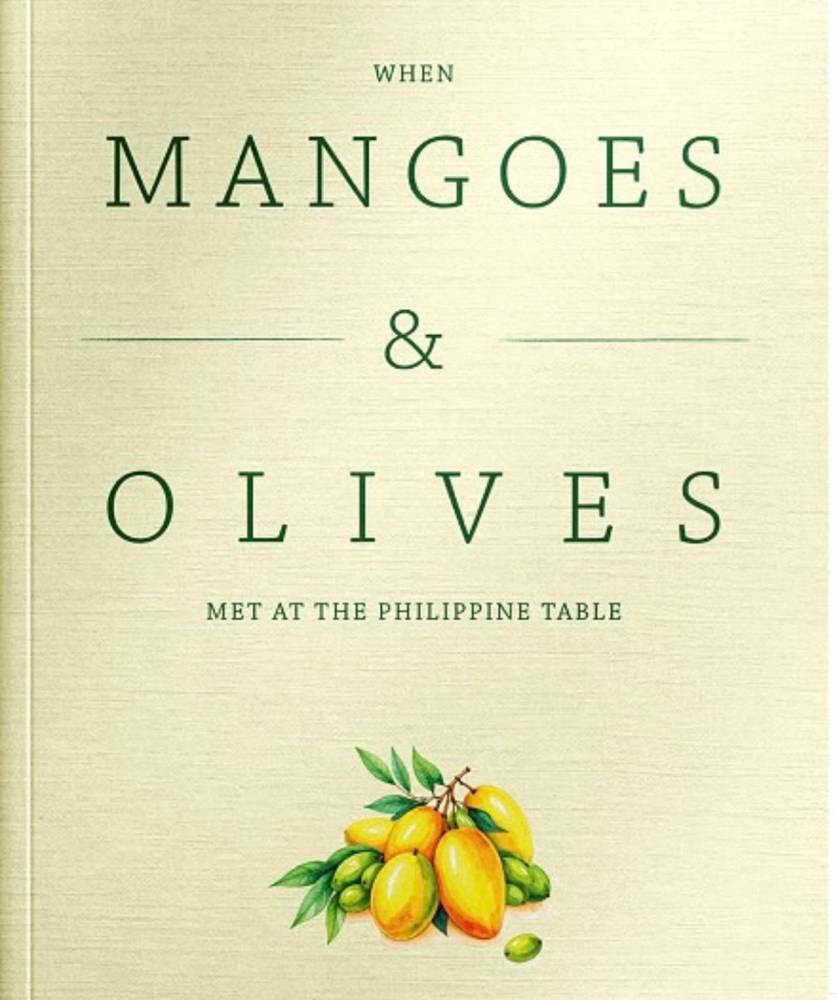
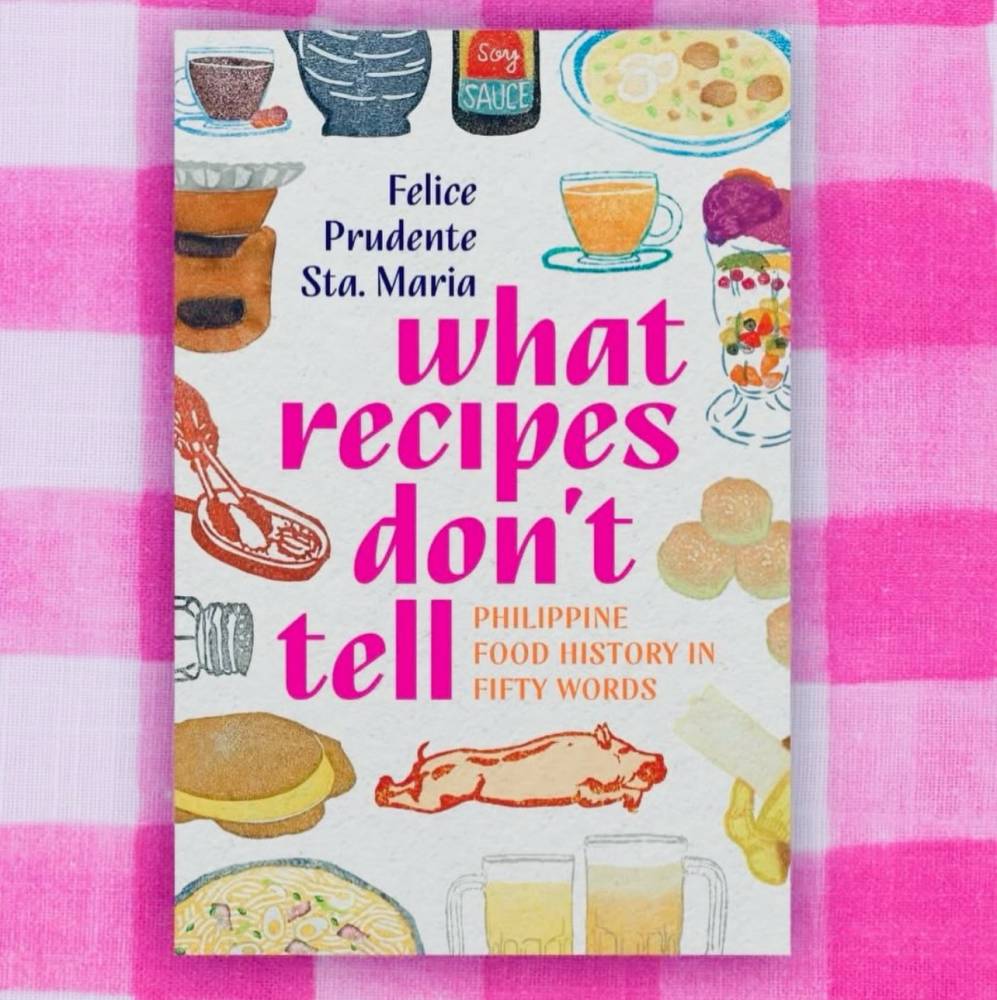
The latest fruits of her labor are the newly published “When Mangoes & Olives Met at the Philippine Table” and its sequel, “What Recipes Don’t Tell.” The books reflect her belief that Filipino food cannot be understood through recipes alone, but through the changes it has undergone over time.

A food trip down memory lane
Long before colonization, Filipinos were already cooking using ingredients and techniques drawn from their land and daily needs. The earliest recorded meat eaten in the Philippines was a prehistoric rhinoceros hunted in what is now Kalinga over 777,000 years ago. Thousands of years later, Filipino ancestors were domesticating pigs in Lal-lo, Cagayan, and sun-drying dolphin fish in Batanes more than 3,000 years ago—early signs of preservation, planning, and skill.
“Mangoes & Olives” traces this long food story using archaeology and historical records. It tells us that coconut vinegar was already recorded in writing in 1521. Dayap was the first cooking citrus of the islands, and calamansi, often assumed to be ancient, was developed only in the early 20th century by Filipino scientists.
The book also invites us to take another look at familiar food. Pan de sal, for instance, was once a measure of salt shaped like a bread bun. Lumpiang sariwa was originally served with a simple tahuri sauce—without soy sauce or cornstarch. Tsokolateh was so popular that it was served several times a day on galleon voyages, often in small bowls made of polished coconut shell. Even paho mango was once pickled to replace olives that could not grow in the Philippines.
“Mangoes & Olives” also shows that Filipino food history is a story of choice. Filipinos chose coffee over black pepper because it was easier to harvest. Spanish women born in the Philippines grew up eating tapa, tinola, sinigang, and eating with their fingers—habits they learned from the Filipina women who raised them.
The origins of Filipino spaghetti
“Recipes Don’t Tell” continues the story by focusing on food words. Everyday terms like kilaw, guisa, and halo-halo are highlighted and put in proper perspective. One Visayan word, nayá-nayá, captures the very essence of Filipino meals—caring for others and sharing happiness with guests.
Together, these books are Sta. Maria’s lasting gift to Filipino food culture. They prove that our food has a long, well-documented history and is something we can truly be proud of.
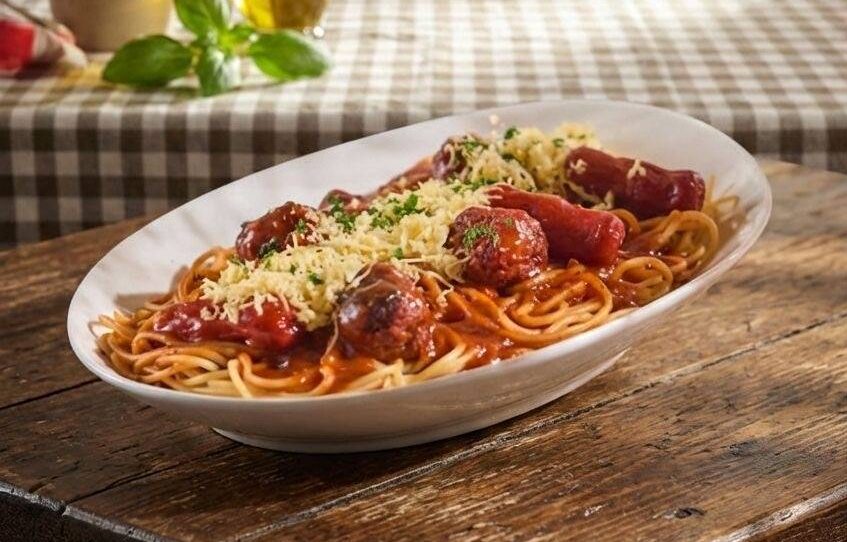
A delightful story she tells in her book is that of Filipino spaghetti, a dish many of us grew up with. In “What Recipes Don’t Tell,” Sta. Maria traces how spaghetti first appeared at the Philippine table in the 1920s, served publicly in Manila at places like the Santa Ana Cabaret. “Spaghetti dinners” were advertised for large gatherings and celebrations, when pasta was still new and considered special-occasion food.
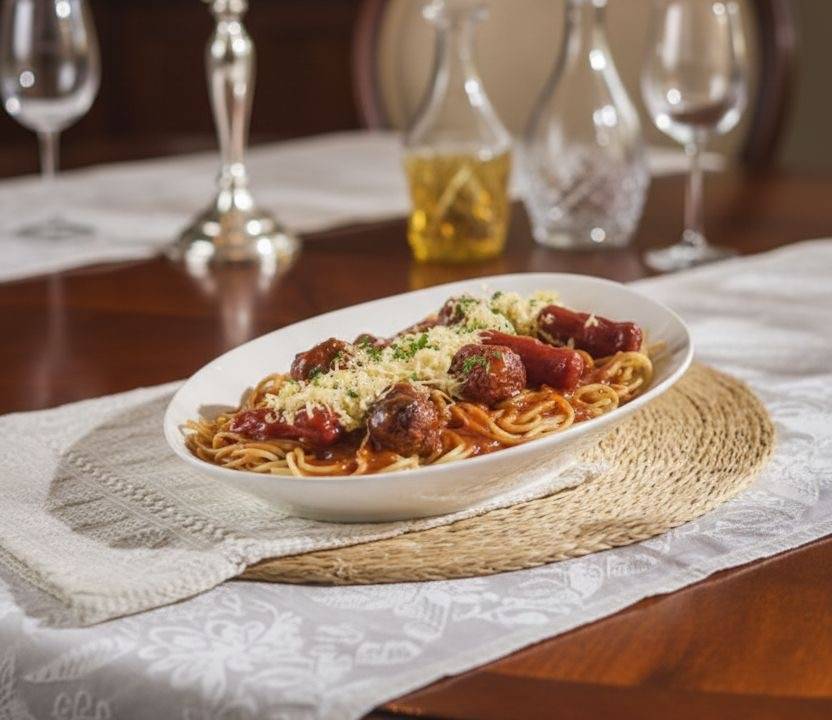
By the 1930s, spaghetti slowly moved from dance halls into Filipino homes, pushed by the emergence of imported pasta, canned tomatoes, and American-style products. Early versions were savory, not sweet—closer to its Italian or American counterparts.
A clear example appears in the heirloom recipes chapter of “Mangoes & Olives”—a 1937 recipe for Spaghetti Italian from a Philippine Manufacturing Company booklet using Purico and Star Margarine. Made with bacon, tomato pulp, stock, mushrooms, and a simple roux, it shows how spaghetti was first prepared in Filipino kitchens.
There’s more to the food we eat
What I love about these two books is how they make you think more carefully about the food we eat every day. The shift from the 1937 Spaghetti Italian to today’s Filipino-style spaghetti happened gradually. Cooks substituted tomato pulp with banana ketchup, bacon for hot dogs. And somewhere along the way (perhaps as children became the stars of our celebrations), the sauce turned sweet.
Whether that last part is fact or fiction—is something I need to confirm with Sta Maria. But one thing is clear: Filipino sweet spaghetti, the staple of birthdays and family gatherings, shows that Filipino food is alive—always changing, always evolving.
1937 Spaghetti Italian
Ingredients
1/4 pound cooked spaghetti
3 slices of bacon
1 to 1/2 Tbsp minced onion
2 sprigs of parsley
1/2 cup canned mushrooms
2 cups stock
1 cup tomato pulp

1 Tbsp flour
1 Tbsp Star Margarine
1/2 tsp salt
1/4 tsp paprika
Grated cheese
Procedure
1. Place chopped bacon in a saucepan. Once the bacon has released some oil, add onion and allow it to cook slightly in the fat.
2. Chop and add in the mushrooms, along with the stock, parsley, tomato, salt, and paprika.
3. Bring slowly to their boiling point and simmer until ingredients are cooked down into a thick sauce. Rub flour into Star Margarine to make a paste, similar to making a roux. Blend it into the sauce. Cook for 3 minutes.
4. Pour sauce over cooked spaghetti. Using two forks, lift the spaghetti several times to evenly cover it with sauce. Sprinkle with a generous amount of grated cheese.

No comments:
Post a Comment