

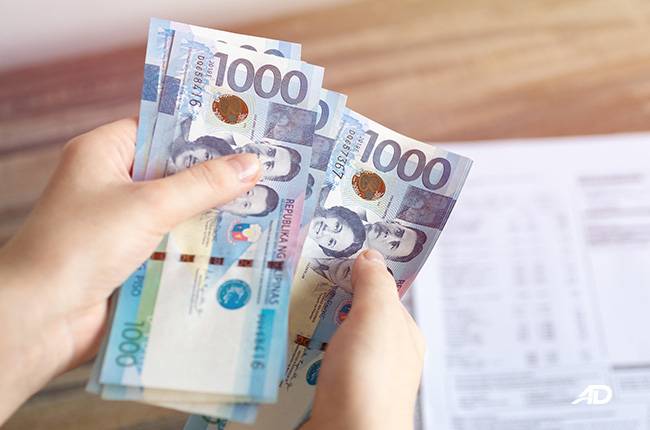
The Philippine peso slumped to a new record low on Wednesday, pressured by a rebounding dollar amid firmer expectations that the US Federal Reserve (Fed) will keep interest rates unchanged despite pressure from the White House.
The local currency capped yesterday’s session at 59.44 against the greenback, 9 centavos weaker than its previous finish and beating the previous record-low closing of 59.355 set on Jan. 7.
The peso’s worst showing in intraday trade stood at 59.45:$1. Total volume fell to $951 million, from $999.22 million before.
Latest data showed that the US consumer price index had risen by 2.7 percent last month, unchanged from November and in line with expectations. With economists divided over whether inflation in America has already peaked, Reuters reported that the Fed was widely expected to keep rates steady at its meeting this month.
“Expect the US dollar-peso spot to grind lower, as steady corporate demand and a firm US dollar backdrop are likely to overwhelm local bank supply,” a trader said.
Firmer greenback
“The dollar is strong because US growth is holding up; rates are staying higher for longer; and policy uncertainty around the Fed is reinforcing the dollar’s safe-haven appeal,” the trader added. “Fed uncertainty hasn’t weakened the dollar—it has actually strengthened it by keeping rates high and investors defensive.”
A weaker peso carries mixed consequences for the Philippines.
It boosts the domestic value of remittances sent home by millions of overseas workers and could help make Filipino exports more competitive. But it also risks driving up import costs and reigniting inflation.
Prolonged depreciation could likewise inflate the peso value of foreign debt held by the government and private firms.
The Bangko Sentral ng Pilipinas (BSP) has signaled it will allow market forces to determine the exchange rate, intervening only if a sustained downturn threatens to fuel imported inflation.
The BSP is willing to absorb some currency weakness as it approaches the conclusion of its pro-growth push. Governor Eli Remolona Jr. last week signaled that the central bank’s easing cycle could end with just one more interest rate cut—possibly in February—unless “bad surprises” emerge that would justify further reductions.
Looking ahead, analysts at MUFG Research warned that a renewed rise in global oil prices could weigh on the peso, as higher import costs would intensify dollar outflows in the Philippines, a net oil importer.

With Brent crude trading near $65 a barrel, oil-sensitive Asian currencies have already come under pressure, they said, even as the global oil market remained “fundamentally oversupplied.”
Diwa Guinigundo, an economist at New York-based GlobalSource Partners, said uneven and subdued foreign direct investment inflows could add to the strain.
“Prolonged FDI (foreign direct investment) weakness could place downward pressure on the peso, especially amid potentially tighter global financial conditions,” Guinigundo said. “With growth already struggling to reach the lower bound of the 2025 target of 5.5 percent, unresolved political and fiscal governance challenges risk making the outlook for 2026 even more demanding.”
Cheuk Wan Fan, chief investment officer for Asia at HSBC Private Bank and Premier Wealth, struck a more measured tone, holding a neutral view on the peso over the next six months.
“After the Philippines peso weakened to its record low level against the US dollar in 2025, we expect the peso to remain largely range bound this year and will reach 59.20 at the end of 2026,” Fan said.
