This might not be the typical expat blog, written by a German expat, living in the Philippines since 1999. It's different. In English and in German. Check it out! Enjoy reading!
Dies mag' nun wirklich nicht der typische Auswandererblog eines Deutschen auf den Philippinen sein. Er soll etwas anders sein. In Englisch und in Deutsch! Viel Spass beim Lesen!
You plan to move to the Philippines? Wollen Sie auf den Philippinen leben?
There are REALLY TONS of websites telling us how, why, maybe why not and when you'll be able to move to the Philippines. I only love to tell and explain some things "between the lines". Enjoy reading, be informed, have fun and be entertained too!
Ja, es gibt tonnenweise Webseiten, die Ihnen sagen wie, warum, vielleicht warum nicht und wann Sie am besten auf die Philippinen auswandern könnten. Ich möchte Ihnen in Zukunft "zwischen den Zeilen" einige zusätzlichen Dinge berichten und erzählen. Viel Spass beim Lesen und Gute Unterhaltung!
Visitors of germanexpatinthephilippines/Besucher dieser Webseite.Ich liebe meine Flaggensammlung!
Two of my favorite topics, feeling and Philippines. Bluntly put, from a North American standpoint, it feels pretty darn good. The everyday life that is.
Of course, there is plenty to complain about while living here, especially in Manila, and even moreso when you are used to living standards of, let's say, living in one of the top 10 most livable countries on earth. If that's how you prefer to live your life, complaining that is, then you would be well served in the Philippines because there is no lack of opportunities.
However, if you leave your prejudices at the airport before departing your homeland, and open your mind to discover why they say "It's more fun in the Philippines" you will soon be in for a great discovery. Yes, the geographical features of the islands are fantastic but it is NOT what will make you FEEL good about living here. Nor is it the stench or the air pollution of Manila in the summer months.
It's the people that makes you feel good. Of course, there's the good, the bad and the ugly just like anywhere else on the planet. In general though, people are nice here. They are friendly and warm. I would even say friendlier and warmer than most places I've been.
So if you're asking or following the question because you are thinking about moving here, let me assure you that it's the people who will make you feel good about living here.
Go-to ticketing platform Ticketnet has welcomed a global fintech player into its ecosystem: Google Wallet.
Starting soon, Filipinos buying tickets for movies, concerts and sporting events may be able to store them directly in Google Wallet, which officially launched in the country in late November. This is in line with paperless ticketing that’s already commonplace in overseas markets.
This integration is expected to streamline how customers manage their event passes, as Google Wallet allows users to store event and cinema tickets, loyalty cards, digital vouchers and even digital car keys.
“We are glad to be one of the first services that will boast of Google Wallet integration,” said Irene Jose, chief operating officer of Uniprom, the parent company of Ticketnet. “This will mean easier access and more convenient ticketing for our customers.”
For Ticketnet, the partnership also reflects its push to use technology to elevate entertainment and sporting experiences.
At present, Google Wallet supports cards from seven partner banks in the Philippines: Chinabank, EastWest Bank, GoTyme Bank, Maya Bank, RCBC, UnionBank and Wise.
For ticket-buyers weary of misplaced stubs, Ticketnet’s tie-up with Google Wallet could soon make attending events a little less stressful.
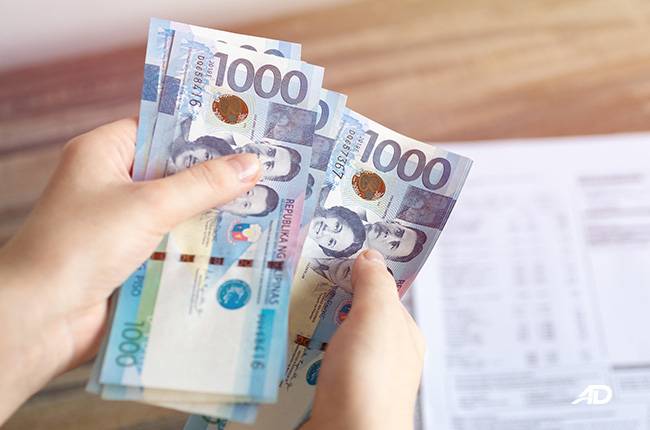
The Philippine peso slumped to a new record low on Wednesday, pressured by a rebounding dollar amid firmer expectations that the US Federal Reserve (Fed) will keep interest rates unchanged despite pressure from the White House.
The local currency capped yesterday’s session at 59.44 against the greenback, 9 centavos weaker than its previous finish and beating the previous record-low closing of 59.355 set on Jan. 7.
The peso’s worst showing in intraday trade stood at 59.45:$1. Total volume fell to $951 million, from $999.22 million before.
Latest data showed that the US consumer price index had risen by 2.7 percent last month, unchanged from November and in line with expectations. With economists divided over whether inflation in America has already peaked, Reuters reported that the Fed was widely expected to keep rates steady at its meeting this month.
“Expect the US dollar-peso spot to grind lower, as steady corporate demand and a firm US dollar backdrop are likely to overwhelm local bank supply,” a trader said.
Firmer greenback
“The dollar is strong because US growth is holding up; rates are staying higher for longer; and policy uncertainty around the Fed is reinforcing the dollar’s safe-haven appeal,” the trader added. “Fed uncertainty hasn’t weakened the dollar—it has actually strengthened it by keeping rates high and investors defensive.”
A weaker peso carries mixed consequences for the Philippines.
It boosts the domestic value of remittances sent home by millions of overseas workers and could help make Filipino exports more competitive. But it also risks driving up import costs and reigniting inflation.
Prolonged depreciation could likewise inflate the peso value of foreign debt held by the government and private firms.
The Bangko Sentral ng Pilipinas (BSP) has signaled it will allow market forces to determine the exchange rate, intervening only if a sustained downturn threatens to fuel imported inflation.
The BSP is willing to absorb some currency weakness as it approaches the conclusion of its pro-growth push. Governor Eli Remolona Jr. last week signaled that the central bank’s easing cycle could end with just one more interest rate cut—possibly in February—unless “bad surprises” emerge that would justify further reductions.
Looking ahead, analysts at MUFG Research warned that a renewed rise in global oil prices could weigh on the peso, as higher import costs would intensify dollar outflows in the Philippines, a net oil importer.
With Brent crude trading near $65 a barrel, oil-sensitive Asian currencies have already come under pressure, they said, even as the global oil market remained “fundamentally oversupplied.”
Diwa Guinigundo, an economist at New York-based GlobalSource Partners, said uneven and subdued foreign direct investment inflows could add to the strain.
“Prolonged FDI (foreign direct investment) weakness could place downward pressure on the peso, especially amid potentially tighter global financial conditions,” Guinigundo said. “With growth already struggling to reach the lower bound of the 2025 target of 5.5 percent, unresolved political and fiscal governance challenges risk making the outlook for 2026 even more demanding.”
Cheuk Wan Fan, chief investment officer for Asia at HSBC Private Bank and Premier Wealth, struck a more measured tone, holding a neutral view on the peso over the next six months.
“After the Philippines peso weakened to its record low level against the US dollar in 2025, we expect the peso to remain largely range bound this year and will reach 59.20 at the end of 2026,” Fan said.
Ja, ein einzelnes Kreuz im Rentenantrag kann Folgen für die Finanzen im Ruhestand haben. Eines davon ist die sogenannte Hochrechnung der Rente. Was es zu beachten gibt, lesen Sie hier: