This might not be the typical expat blog, written by a German expat, living in the Philippines since 1999. It's different. In English and in German. Check it out! Enjoy reading!
Dies mag' nun wirklich nicht der typische Auswandererblog eines Deutschen auf den Philippinen sein. Er soll etwas anders sein. In Englisch und in Deutsch! Viel Spass beim Lesen!
You plan to move to the Philippines? Wollen Sie auf den Philippinen leben?
There are REALLY TONS of websites telling us how, why, maybe why not and when you'll be able to move to the Philippines. I only love to tell and explain some things "between the lines". Enjoy reading, be informed, have fun and be entertained too!
Ja, es gibt tonnenweise Webseiten, die Ihnen sagen wie, warum, vielleicht warum nicht und wann Sie am besten auf die Philippinen auswandern könnten. Ich möchte Ihnen in Zukunft "zwischen den Zeilen" einige zusätzlichen Dinge berichten und erzählen. Viel Spass beim Lesen und Gute Unterhaltung!
Visitors of germanexpatinthephilippines/Besucher dieser Webseite.Ich liebe meine Flaggensammlung!
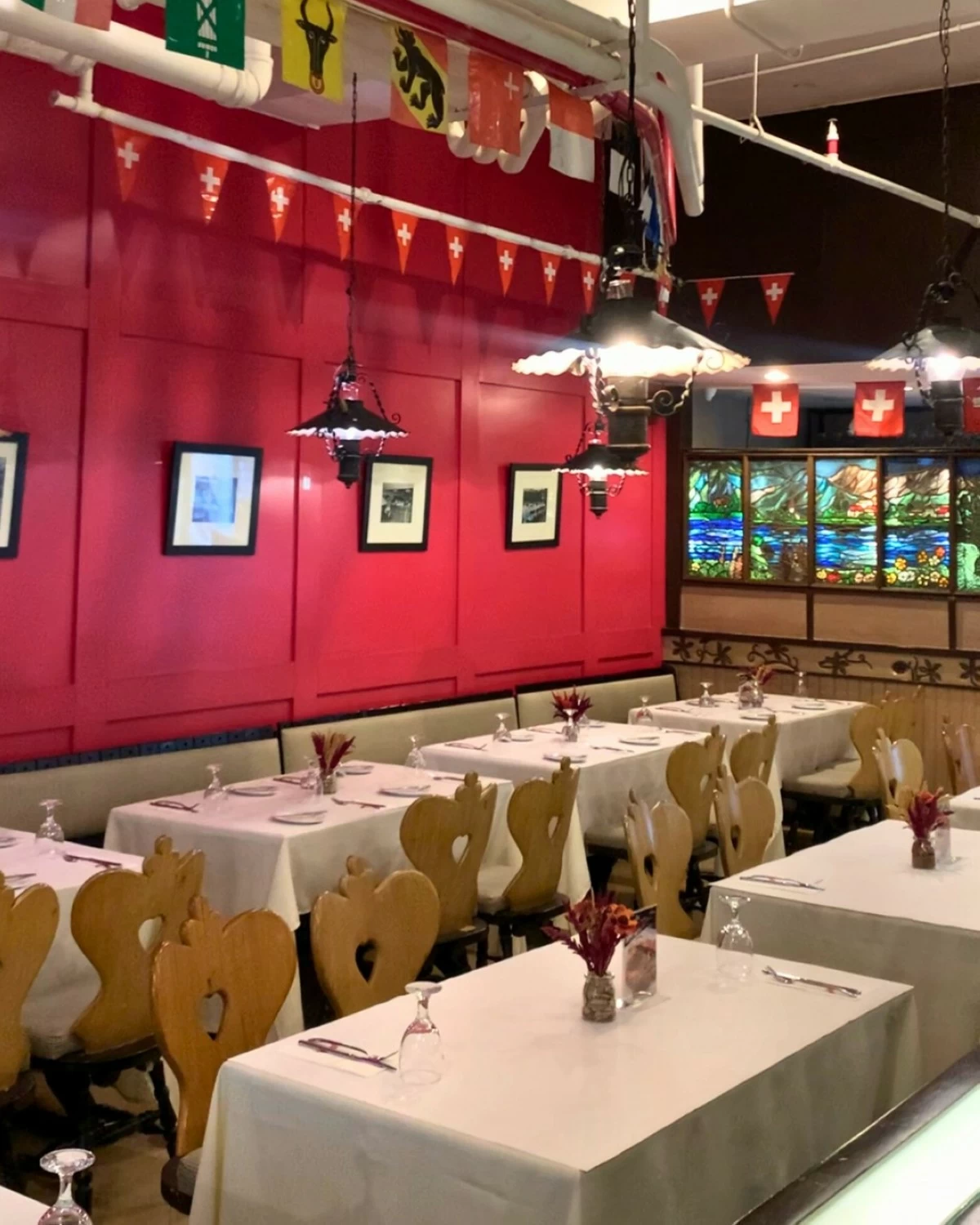
The interiors of Old Swiss Inn in Makati (Photo from Old Swiss Inn Restaurant | Facebook)
Old Swiss Inn will close its Makati branch on July 1 after 32 years, according to a post published on its official Facebook page on April 20.
The restaurant has been part of the city’s dining landscape for decades, known for its European comfort food and its steady, unchanged presence amid a constantly shifting food scene.
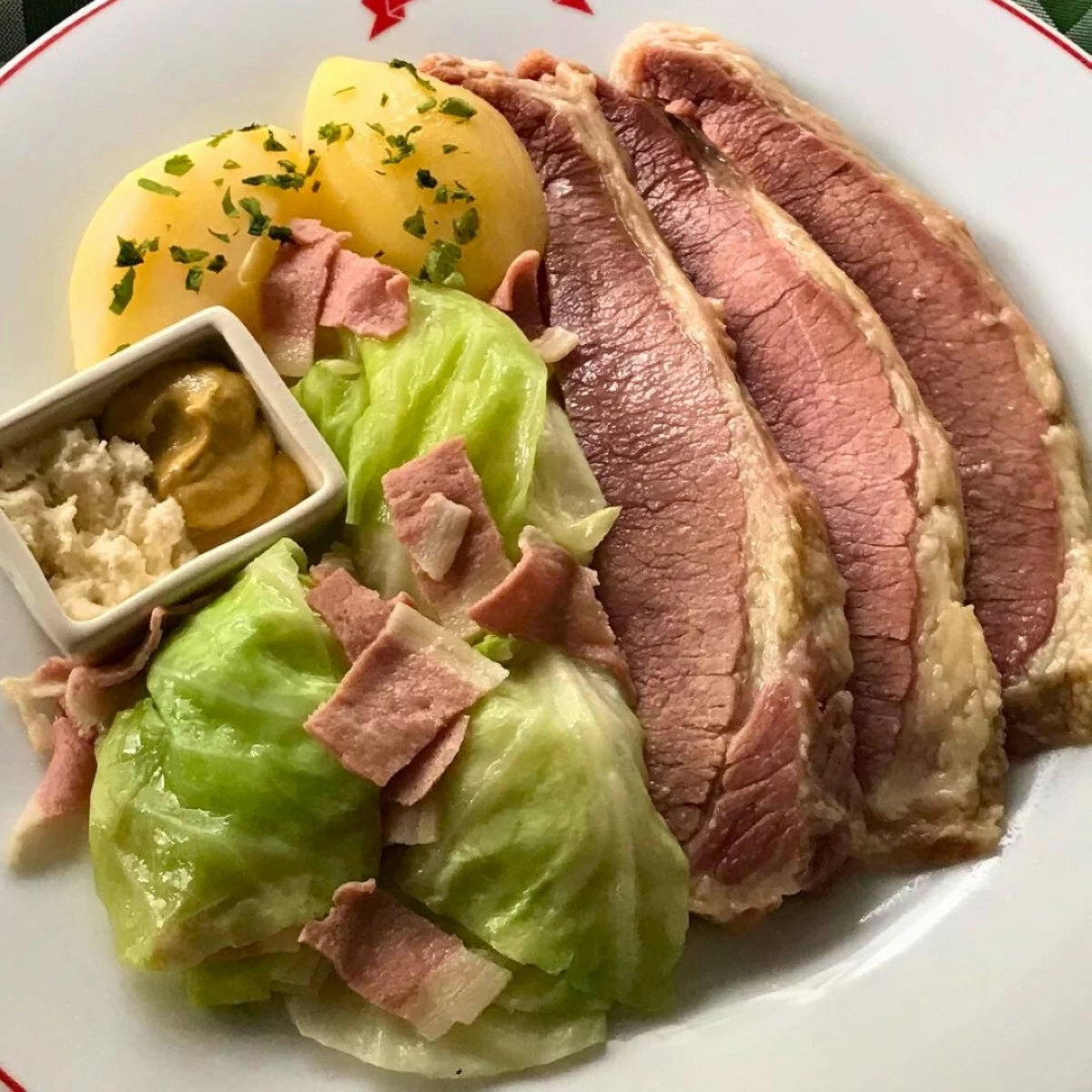
I’ll miss the signature fresh corned beef—a staple that defined many meals there—and the Makati branch’s intimate, old-school interiors. The closure, however, does not signal an exit for the brand.
Old Swiss Inn continues to operate its Paco branch, which carries the same menu and character, now in a refreshed space. The restaurant is also pushing further into off-site dining, with party platters, takeout options, and its “Dinner Drop” delivery service.
A deli line under Swiss Inn Deli remains available, offering all-natural products for home consumption, while catering services continue for private events and gatherings.
To mark the final months of the Makati branch, the restaurant is introducing a “Signature Moments Card” from May 1 to July 1, giving diners a last opportunity to return, with added rewards and in-store promotions tied to the program.
The group is also exploring new locations, pointing to plans for expansion even as it closes one of its longest-running sites.
Signature Fresh Corned Beef (Photo from Old Swiss Inn Restaurant | Facebook)
Travelers flying within and out of the Philippines are facing significantly higher airfares for the rest of April after the Civil Aeronautics Board (CAB) approved a Level 19 fuel surcharge, pushing additional charges to as much as P15,397 per ticket.
This new rate brings jet fuel surcharges close to the maximum Level 20 and marks a sharp increase from Level 8 imposed from April 1 to April 15.
Before the Middle East conflict broke out, Level 4 surcharge had applied.
Under Level 19, fuel surcharges for domestic flights now range from P627 to P1,834, up from P253 to P787 earlier in April—equivalent to increases of 147.83 percent and 133.04 percent, respectively.
For international flights, the surcharge rises to at least P2,070.77 and as much as P15,397.15, from P835.05 to P6,208.98 previously, representing a 147.98-percent increase.
CAB issued the advisory on Wednesday, although the new rates had taken effect for tickets issued starting April 16.
“This interim measure shall be in effect until the current situation stabilizes, or as may be revised or revoked accordingly,” it said.
These new rates will be applied at a conversion rate of P59.95 per US dollar.
Up 436% from prewar levels
This adjustment comes as global jet fuel prices remain high, reaching $184.63 per barrel as of April 17, from $99.40 per barrel prior to the Iran conflict, based on data from the International Air Transport Association.
Compared with prewar levels, Philippine jet fuel surcharges have now increased by 436 percent.
In March, carriers were unable to immediately reflect the price surge, as surcharges had already been set at Level 4 before hostilities escalated. At that level, domestic charges ranged from P117 to P342, while international surcharges were between P385.70 and P2,867.82.
Level 20 remains the highest allowable tier under CAB rules, with domestic surcharges ranging from P661 to P1,993 and international charges from P2,183.11 to P16,232.44.
Under CAB Resolution No. 25, Series of 2022, fuel surcharges are optional and charged on top of the base airfare. These may be removed if the one-month average price of jet fuel falls below P21 per liter.
In a statement, AirAsia Philippines said the increase reflects mounting cost pressures on carriers amid the ongoing conflict.
“With the ongoing geopolitical uncertainty, our operational cost base has significantly exceeded initial forecasts—global jet fuel prices have surged to more than double 2025 levels,” the airline said.
A person’s name is deeply personal. Using it in conversation creates an immediate sense of familiarity and respect. It shows that you value them as an individual, not just another face in the crowd.
2) Mirror Their Body Language
Subtly reflecting someone’s posture, tone, or gestures can build unconscious rapport. When people notice similarities—without realizing it—they tend to feel more comfortable and trusting around you.
3) Maintain Warm Eye Contact
Eye contact communicates confidence, sincerity, and attentiveness. It shows that you’re fully present in the moment. Just be sure to keep it natural—not intense or forced.
4) Ask People About Themselves
Most people enjoy talking about their experiences, passions, and stories. Asking thoughtful questions not only keeps conversations flowing but also makes others feel important and interesting.
5) Give Specific Compliments
Generic praise can feel hollow, but specific, genuine compliments stand out. Instead of saying “You’re great,” try “I really admire how clearly you explained that idea.” It shows you’re paying attention.
6) Listen More Than You Speak
Active listening is one of the most underrated social skills. When you truly listen—without interrupting or planning your next response—people feel respected and valued.
7) Smile When Greeting
A simple smile can instantly break down barriers. It signals friendliness, warmth, and openness, making others more comfortable around you from the very first moment.
Giselle Yujuico and Joanne Tengco of Wonderplants | Photos by Mikey Yabut
Some people simply know when a space feels right. They notice light before furniture and silence as much as sound. Those with an eye for beauty and a leaning toward philosophy have long understood something that International Mother Earth Day quietly affirms: that the spaces we inhabit are not separate from the natural world but extensions of it.
Observed every April 22, International Mother Earth Day is a global reminder of our responsibility to care for the planet. But beyond its environmental urgency, it also offers a more intimate invitation to reconsider how we live with nature, not just around it. It is less about grand gestures and more about a shift in awareness. A return, in many ways, to what feels essential.
For the aesthetically attuned, this return often begins at home.
A source of wonder
A well-considered space is never just about aesthetics. It is also about atmosphere. The way a room holds you. The way it welcomes, softens, and restores. In this sense, design becomes a quiet form of hospitality—not only extended to guests but to oneself. And within this layer of hospitality, nature plays a defining role.
Plants, in particular, have taken on a new kind of significance. No longer mere decorative accents, they are living elements that bring depth, movement, and presence into a space. They shift the energy of a room, from static to dynamic, from styled to alive.
This is where the philosophy behind Wonderplants resonates more personally.
Founded by Giselle Yujuico and Joanne Tengco, Wonderplants began as a passion project during the pandemic—an intimate response to a time when homes became our entire world. As Yujuico shares, the brand represents beauty and the quiet spark of magic that greenery brings into spaces. What started as a personal pursuit soon evolved into something more thoughtful: a way to help others experience that same sense of wonder.
For Tengco, it began with a shared rhythm. “Giselle and I both loved fixing our homes and incorporating indoor plants and greens,” she reflects. “What drew us in was the beauty we saw in the plants we chose and in curating them within our own spaces, and eventually, in other people’s sanctuaries.”
Even the name itself carries meaning. Yujuico recalls coming across a book titled “Wonderplants,” a phrase that lingered. For them, it captured something essential: that plants are, quite simply, a source of wonder.
Yucca is perfect for first-time plant carers
Complementing a space
This sense of wonder is what elevates their work beyond décor.
Each plant is not merely placed, but considered—sculpted to complement a space, to enhance its rhythm, to contribute to its narrative. There is intention in every form, every curve, every composition. For those who see design as a language, this matters.
A sculpted plant by a window, catching the afternoon light. A curated arrangement anchoring a quiet corner. These are not just visual choices; they are gestures of care. They signal that a space has been thought through; that it holds a certain attentiveness. In the language of hospitality, it feels like: You can relax here.
This is perhaps one of the most overlooked connections between International Mother Earth Day and the way we design our environments. Caring for the Earth does not exist only in distant landscapes or policy discussions—it can be expressed in the way we invite nature into our daily lives.
More than a place to stay—it’s a place to be
To bring a plant into a space is to welcome something living. Plants benefit the mind, body, spirit, and even the air we breathe. Quiet companions that bring life into a room. They ask for attention, patience, and a certain rhythm of care. In return, they offer more than beauty; they offer presence.
For those attuned to beauty and meaning, this presence becomes a source of inspiration. Nature has always informed art, design, and philosophy—not just in form but also in process. The slow unfurling of leaves, a quiet sign of renewal and transformation you can’t help but photograph; the quiet persistence of growth that sparks hope; the balance between structure and fluidity—how something can be both well-formed and free, grounded yet evolving—are lessons as much as they are visual aesthetics.
In a workspace, this influence is especially powerful. Amid schedules and screens, a living element introduces a pause. It softens the edges of productivity, reminding us that inspiration is not only about output, but about observation and connection.
And in the home, the effect is even more personal.
A room with plants feels inhabited in a different way. There is a sense of life that extends beyond the people within it. It becomes a place not just to stay, but to be. This is where the idea of hospitality deepens—not as performance, but as atmosphere. A space that feels calm, intentional, and quietly alive is, in itself, a form of welcome.
Honeysuckle: an outdoor flowering plant rich in nectar
The thoughtful gestures that define how we live
International Mother Earth Day, then, is not only about looking outward. It is also about looking inward—at the spaces we shape, the lives we lead within them, and the quiet, positive effect they have on our well-being and inner life.
Wonderplants offers a way to make this connection tangible. Through curated and sculpted greenery, it allows individuals to bring nature into their environments with intention and artistry. It transforms plants from background elements into central expressions of living design.
For those adapted to beauty and meaning, this is more than a design choice. It is a philosophy.
To live with nature is to acknowledge that beauty is not static, that it grows, evolves, and requires care. It is to understand that the most compelling spaces are not just styled but nurtured. And that true luxury, perhaps, lies in this quiet relationship—with the Earth, and with the life we invite into our everyday surroundings.
On Mother Earth Day, this relationship comes into focus. Not in sweeping declarations but in subtle shifts. A plant placed with intention. A space that breathes. A home that feels not only seen, but alive.
In the end, it is these layered, thoughtful gestures that define how we live and how we honor the world that sustains us.
To learn more, visit Wonderplants on Instagram @wonderplants.ph
Selloum: easy to care for and often used for lush, natural styling
A guide to wonderplants
Honeysuckle: An outdoor flowering plant that blooms all year round. According to Yujuico, flowering plants are best kept outdoors. They don’t thrive long indoors.
Bougainvillea (Bougie): Seasonal outdoor bloomer in vibrant colors
Selloum: The plant that keeps on giving. Easy to care for and often used for lush, natural styling.
Palmera: A tropical essential that also helps purify the air.
Pencil cactus: A sculptural cactus that thrives both indoors and outdoors. It is also known as the “ugly-beautiful” plant.
Gigantea: Low-maintenance and versatile. Works well both indoors and outdoors.
Yucca: Easy to care for and naturally sculptural. Adds structure and form to any space. Perfect for first-time plant carers.
Dracaena: The most sturdy plant. Ideal for restaurants, offices, and high-traffic spaces.
Tired of endless queues and conflicting information at the LTO?
Many expats and travelers don't fail because of the rules, but because of the bureaucratic hurdles. Whether you want to convert your license or apply for a brand-new one, the key to success is perfect preparation.
How we solve the problem:
Structure over Chaos: We clarify which documents are strictly required for your specific visa status before you even go.
Identifying Hurdles: We prepare you for the differences between theoretical requirements and the actual local practices in regional offices.
Efficiency: With the right roadmap, you avoid repeated trips and unnecessary waiting times.
Stop guessing and start driving!
Get your Checklist now: Comment "LISTE" below, and I’ll send you my driver's license guide directly to your inbox!
Need immediate help? If you don’t want to waste time and prefer an individual analysis of your situation (including info on my consultation fees), send me a private message right away!
Dein Weg zum philippinischen Führerschein – ohne Stress!
Keine Lust auf endlose Warteschlangen und widersprüchliche Aussagen bei der LTO?
Viele Expats und Reisende scheitern nicht an den Regeln, sondern an der bürokratischen Umsetzung. Ob du deinen Führerschein umschreiben (Conversion) oder komplett neu erwerben willst – der Schlüssel zum Erfolg liegt in der perfekten Vorbereitung.
So lösen wir das Problem:
Struktur statt Chaos: Wir klären vorab, welche Dokumente für deinen speziellen Visum-Status zwingend erforderlich sind.
Hürden erkennen: Wir bereiten dich auf die Unterschiede zwischen theoretischen „Muss-Bestimmungen“ und der praktischen Handhabung in den regionalen Büros vor.
Effizienz: Mit dem richtigen Fahrplan vermeidest du mehrfache Behördengänge und unnötige Wartezeiten.
Du möchtest nicht länger raten, sondern sicher ans Ziel kommen?
Hol dir jetzt die Checkliste: Kommentiere diesen Beitrag mit "LISTE" und ich sende dir meinen Leitfaden für den Führerschein direkt zu!
Direkte Hilfe gesucht? Wenn du keine Zeit verlieren willst und eine individuelle Analyse deiner Situation (inkl. Gebühreninfo für meine Beratung) wünschst, schreib mir direkt eine Nachricht!