
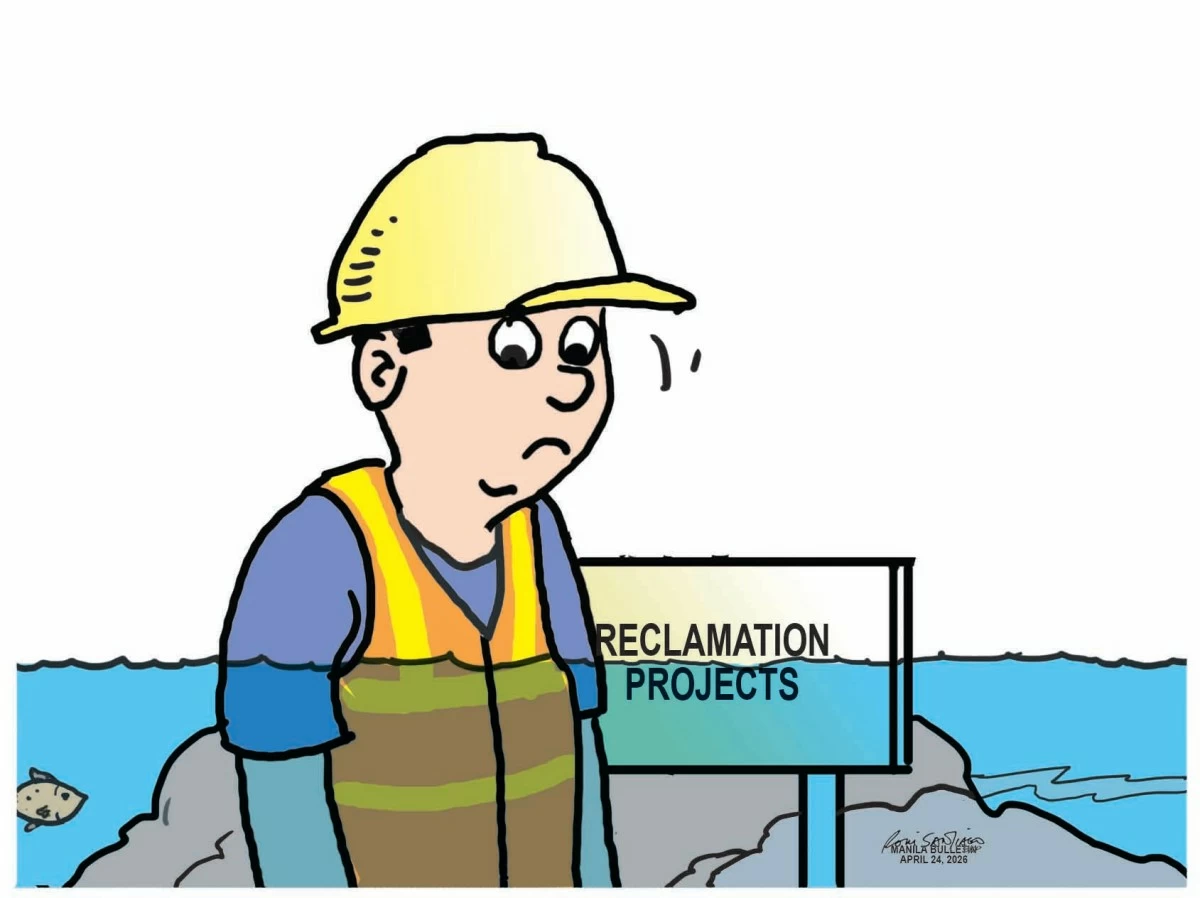
The warning signs are here, measurable, and accelerating. New studies highlighted in an article published at the Yale School of the Environment reveal an alarming reality. Sea-level trends indicate that oceans are rising at a pace exceeding earlier projections, while the land beneath many coastal communities is sinking even faster. This convergence significantly alters flood-risk assessments, rendering traditional models increasingly unreliable. For an archipelagic nation such as the Philippines, where coastlines are lifelines, the implications are both immediate and profound. It is an urgent call to act.
Nowhere is this urgency more evident than in Manila Bay, where large-scale reclamation projects continue to advance. Marketed as engines of economic growth, these developments promise to generate commercial opportunities, attract investments, and support urban development. However, such potential benefits must be carefully weighed against the environmental and societal risks they may intensify.
Coastal reclamation inevitably disrupts fragile ecosystems. Mangrove forests, which serve as natural buffers against storm surges and coastal erosion, are frequently removed or degraded in the process. Beyond their protective function, these ecosystems sustain marine biodiversity and support fisheries that are vital to national food security. Their loss diminishes ecological resilience at a time when environmental pressures are rapidly intensifying.
In this context, it is crucial for the Department of Environment and Natural Resources (DENR) to expedite its Cumulative Impact Assessment (CIA) and undertake a comprehensive compliance review of all reclamation initiatives within Manila Bay. Such an undertaking should extend beyond verifying adherence to existing regulatory frameworks. It must critically evaluate whether these frameworks remain adequate in light of emerging scientific insights on sea-level rise and accelerated subsidence.
A rigorous and forward-looking assessment should consider the aggregate effects of multiple reclamation projects, rather than evaluating them singlehandedly. The interaction of these developments may alter hydrodynamic patterns, exacerbate flooding, and further contribute to land instability. Incorporating updated scientific data into planning and decision-making processes is essential to ensure that policies reflect current conditions rather than outdated assumptions.
While the economic rationale for reclamation is valuable, it cannot supersede considerations of long-term safety and sustainability. The expansion of commercial districts may offer immediate financial returns, but such gains become questionable if these areas are exposed to increasing flood risks or structural instability. Development that compromises resilience ultimately undermines the very economic objectives it seeks to achieve.
The private sector, as a principal driver of these projects, must also assume a greater degree of responsibility. Sustainable development practices should be integrated into project design and implementation. This includes investing in nature-based solutions, supporting the preservation and restoration of coastal ecosystems, and maintaining transparency in environmental risk assessments. Economic participation should be accompanied by a clear commitment to environmental stewardship.
Nevertheless, the primary obligation rests with the government. As both regulator and custodian of public welfare, it must ensure that development initiatives are aligned with the broader interests of society. This requires a deliberate and evidence-based approach to decision-making, where thorough evaluation takes precedence over expediency. The consequences of insufficient scrutiny are far-reaching and, in some cases, irreversible.
Public engagement is equally vital. Citizens must remain informed and actively participate in discussions surrounding environmental governance. Advocacy for sustainable practices, support for conservation initiatives, and vigilance in holding institutions accountable contribute to a more resilient and responsive policy environment.
The Philippines now faces a critical juncture. The realities of rising seas and subsiding land demand a reassessment of how coastal development is pursued. Progress must be defined not solely by economic expansion, but by the capacity to safeguard communities and ecosystems against emerging threats.
The challenge is clear. Scientific evidence has advanced, and the risks are better understood. The responsibility now lies in ensuring that policy, practice, and public awareness advance accordingly.
