Late-night scrolling might feel harmless, but research suggests it can quietly interfere with your body’s natural sleep cycle. The blue light emitted from phones and other screens suppresses melatonin — the hormone responsible for signaling that it’s time to sleep. When melatonin production is delayed, falling asleep becomes harder and overall sleep quality declines. Poor sleep doesn’t just mean feeling tired the next day; it can affect concentration, mood stability, memory performance, and even long-term metabolic health. Over time, chronic sleep disruption has been associated with increased stress levels and reduced cognitive efficiency. Creating a simple nighttime routine — such as limiting screen exposure 60 minutes before bed — may help restore your natural rhythm. Small behavioral shifts often produce meaningful results when practiced consistently.
Visitors of germanexpatinthephilippines/Besucher dieser Webseite.Ich liebe meine Flaggensammlung!

Wednesday, March 4, 2026
Late-night scrolling might feel harmless

'/%3E%3Cpath d='M16.0001 7.9996c0 4.418-3.5815 7.9996-7.9995 7.9996S.001 12.4176.001 7.9996 3.5825 0 8.0006 0C12.4186 0 16 3.5815 16 7.9996Z' fill='url(%23paint1_radial_15251_63610)'/%3E%3Cpath d='M16.0001 7.9996c0 4.418-3.5815 7.9996-7.9995 7.9996S.001 12.4176.001 7.9996 3.5825 0 8.0006 0C12.4186 0 16 3.5815 16 7.9996Z' fill='url(%23paint2_radial_15251_63610)' fill-opacity='.5'/%3E%3Cpath d='M7.3014 3.8662a.6974.6974 0 0 1 .6974-.6977c.6742 0 1.2207.5465 1.2207 1.2206v1.7464a.101.101 0 0 0 .101.101h1.7953c.992 0 1.7232.9273 1.4917 1.892l-.4572 1.9047a2.301 2.301 0 0 1-2.2374 1.764H6.9185a.5752.5752 0 0 1-.5752-.5752V7.7384c0-.4168.097-.8278.2834-1.2005l.2856-.5712a3.6878 3.6878 0 0 0 .3893-1.6509l-.0002-.4496ZM4.367 7a.767.767 0 0 0-.7669.767v3.2598a.767.767 0 0 0 .767.767h.767a.3835.3835 0 0 0 .3835-.3835V7.3835A.3835.3835 0 0 0 5.134 7h-.767Z' fill='%23fff'/%3E%3Cdefs%3E%3CradialGradient id='paint1_radial_15251_63610' cx='0' cy='0' r='1' gradientUnits='userSpaceOnUse' gradientTransform='rotate(90 .0005 8) scale(7.99958)'%3E%3Cstop offset='.5618' stop-color='%230866FF' stop-opacity='0'/%3E%3Cstop offset='1' stop-color='%230866FF' stop-opacity='.1'/%3E%3C/radialGradient%3E%3CradialGradient id='paint2_radial_15251_63610' cx='0' cy='0' r='1' gradientUnits='userSpaceOnUse' gradientTransform='rotate(45 -4.5257 10.9237) scale(10.1818)'%3E%3Cstop offset='.3143' stop-color='%2302ADFC'/%3E%3Cstop offset='1' stop-color='%2302ADFC' stop-opacity='0'/%3E%3C/radialGradient%3E%3ClinearGradient id='paint0_linear_15251_63610' x1='2.3989' y1='2.3999' x2='13.5983' y2='13.5993' gradientUnits='userSpaceOnUse'%3E%3Cstop stop-color='%2302ADFC'/%3E%3Cstop offset='.5' stop-color='%230866FF'/%3E%3Cstop offset='1' stop-color='%232B7EFF'/%3E%3C/linearGradient%3E%3C/defs%3E%3C/svg%3E)
'%3E%3Cpath d='M15.9943 8.0004c0 4.4181-3.5815 7.9996-7.9996 7.9996-4.418 0-7.9996-3.5815-7.9996-7.9996 0-4.418 3.5816-7.9995 7.9996-7.9995 4.4181 0 7.9996 3.5815 7.9996 7.9995Z' fill='url(%23paint0_linear_15251_63610)'/%3E%3Cpath d='M15.9973 7.9992c0 4.4178-3.5811 7.9992-7.9987 7.9992C3.5811 15.9984 0 12.417 0 7.9992S3.5811 0 7.9986 0c4.4176 0 7.9987 3.5814 7.9987 7.9992Z' fill='url(%23paint1_radial_15251_63610)'/%3E%3Cpath d='M15.9943 8.0004c0 4.4181-3.5815 7.9996-7.9996 7.9996-4.418 0-7.9996-3.5815-7.9996-7.9996 0-4.418 3.5816-7.9995 7.9996-7.9995 4.4181 0 7.9996 3.5815 7.9996 7.9995Z' fill='url(%23paint2_radial_15251_63610)' fill-opacity='.8'/%3E%3Cpath d='M12.3964 9.0861c0 1.1142-.3999 1.1142-1.1999 1.1142-.7999 0-1.2 0-1.2-1.1142 0-.8205.5373-1.4856 1.2-1.4856s1.1999.6651 1.1999 1.4856ZM5.9965 9.0861c0 1.1142-.4 1.1142-1.1999 1.1142-.8 0-1.2 0-1.2-1.1142 0-.8205.5373-1.4856 1.2-1.4856s1.2.6651 1.2 1.4856Z' fill='%231C1C1D'/%3E%3Cpath fill-rule='evenodd' clip-rule='evenodd' d='M7.9946 11.2002c1.6447 0 2.3999 1.0936 2.3999 1.4122 0 .1095-.084.1877-.2248.1877-.3152 0-.752-.4-2.1751-.4s-1.8599.4-2.175.4c-.1409 0-.2249-.0782-.2249-.1877 0-.3186.7552-1.4122 2.3999-1.4122Z' fill='%234B280E'/%3E%3Cpath fill-rule='evenodd' clip-rule='evenodd' d='M10.7861 6.3078a3.3942 3.3942 0 0 1 1.8777 1.0409.4.4 0 0 0 .5892-.5411 4.1944 4.1944 0 0 0-2.3202-1.2862.4.4 0 1 0-.1467.7864ZM5.206 6.3078a3.3946 3.3946 0 0 0-1.8777 1.0409.4.4 0 1 1-.5891-.5411 4.1946 4.1946 0 0 1 2.3202-1.2862.4.4 0 0 1 .1467.7864Z' fill='%23E0761A'/%3E%3Cg filter='url(%23filter0_i_15251_63610)'%3E%3Cpath d='M2.9952 11.2004c-.2647-.003-.435.1598-1.1536 1.3088-.3267.5231-.6468 1.0515-.6468 1.691 0 .994.8 1.7999 1.8 1.7999.9999 0 1.8008-.8 1.8008-1.7999 0-.6395-.32-1.1679-.6468-1.691-.7186-1.149-.8887-1.3118-1.1536-1.3088Z' fill='%2302ADFC' fill-opacity='.9'/%3E%3C/g%3E%3C/g%3E%3Cdefs%3E%3CradialGradient id='paint1_radial_15251_63610' cx='0' cy='0' r='1' gradientUnits='userSpaceOnUse' gradientTransform='matrix(0 7.9992 -7.99863 0 7.9986 7.9992)'%3E%3Cstop offset='.5637' stop-color='%23FF5758' stop-opacity='0'/%3E%3Cstop offset='1' stop-color='%23FF5758' stop-opacity='.1'/%3E%3C/radialGradient%3E%3CradialGradient id='paint2_radial_15251_63610' cx='0' cy='0' r='1' gradientUnits='userSpaceOnUse' gradientTransform='rotate(45 -4.5287 10.9195) scale(10.1818)'%3E%3Cstop stop-color='%23FFF287'/%3E%3Cstop offset='1' stop-color='%23FFF287' stop-opacity='0'/%3E%3C/radialGradient%3E%3ClinearGradient id='paint0_linear_15251_63610' x1='2.395' y1='2.4007' x2='13.5944' y2='13.6001' gradientUnits='userSpaceOnUse'%3E%3Cstop stop-color='%23FFF287'/%3E%3Cstop offset='1' stop-color='%23F68628'/%3E%3C/linearGradient%3E%3CclipPath id='clip0_15251_63610'%3E%3Cpath fill='%23fff' d='M-.003.0009h15.9993v15.9984H-.003z'/%3E%3C/clipPath%3E%3Cfilter id='filter0_i_15251_63610' x='1.1948' y='11.2003' width='3.6006' height='4.7998' filterUnits='userSpaceOnUse' color-interpolation-filters='sRGB'%3E%3CfeFlood flood-opacity='0' result='BackgroundImageFix'/%3E%3CfeBlend in='SourceGraphic' in2='BackgroundImageFix' result='shape'/%3E%3CfeColorMatrix in='SourceAlpha' values='0 0 0 0 0 0 0 0 0 0 0 0 0 0 0 0 0 0 127 0' result='hardAlpha'/%3E%3CfeOffset/%3E%3CfeGaussianBlur stdDeviation='1.1999'/%3E%3CfeComposite in2='hardAlpha' operator='arithmetic' k2='-1' k3='1'/%3E%3CfeColorMatrix values='0 0 0 0 0.278431 0 0 0 0 0.196078 0 0 0 0 0.952941 0 0 0 0.1 0'/%3E%3CfeBlend in2='shape' result='effect1_innerShadow_15251_63610'/%3E%3C/filter%3E%3C/defs%3E%3C/svg%3E)

PEF appeals for donations to build cages for breeding eagles

Step back, sit down, and talk to avert war from escalating

By Manila Bulletin
Published Mar 4, 2026 12:05 am
The widening conflict in the Middle East has already demonstrated how swiftly a regional confrontation can assume global dimensions. Missiles have pierced skies once thought secure. Commercial aviation has been disrupted on an extraordinary scale, stranding hundreds of thousands of passengers across continents. Oil prices have surged, unsettling fragile markets. Civilian casualties continue to mount on all sides. What is unfolding is not merely a clash of states. A shock wave is now reverberating through an already strained international order.
The world cannot afford another protracted war.
Beyond the immediate human tragedy lies a deeper danger—escalation driven by pride, retaliation, and the pursuit of strategic advantage without regard to long-term consequences. History offers lessons about conflicts that begin with promises of swift resolution yet evolve into enduring cycles of violence. Military action may yield temporary tactical gains, but it rarely secures lasting peace. Instead, it entrenches hostility, multiplies grievances, and destabilizes entire regions.
The responsibility to halt this descent rests not solely with the principal combatants, but with the international community at large. Foremost among its institutions is the United Nations. At this critical juncture, the UN must move beyond expressions of concern and act with urgency and resolve. An immediate ceasefire resolution should be pursued without delay. Even if political divisions complicate enforcement, a formal and unified call for cessation of hostilities establishes a moral and diplomatic baseline from which further negotiations can proceed.
The Secretary-General should appoint a high-level envoy with a clear mandate to engage directly and persistently with the leadership of the United States, Israel, and Iran. Discreet diplomacy—often conducted away from public scrutiny—has historically prevented miscalculations from spiraling into catastrophe. Channels of communication must remain open, particularly in moments of heightened tension when misinterpretation can prove disastrous.
Simultaneously, the UN must prioritize humanitarian access. Civilian populations must not bear the brunt of geopolitical rivalry. Safe corridors for medical aid, food, and essential supplies are not concessions; they are obligations under international law. Preserving human life must supersede all strategic considerations.
Yet the United Nations cannot succeed alone. Peace-loving nations with diplomatic credibility and established relationships across the divide must assume an active mediating role. A contact group composed of such states could provide a platform for structured dialogue, reduce mutual suspicion, and create conditions conducive to negotiation. Their efforts should be guided by a singular objective: to bring all parties to the negotiating table without humiliation or precondition.
Diplomacy requires space for dignity. Leaders are more likely to compromise when doing so does not appear as capitulation. Each of the principal actors must be afforded a pathway to de-escalation that preserves domestic legitimacy while advancing collective security. The language of vengeance must give way to the language of responsibility.
Economic considerations further underscore the urgency of peace. The global economy is already contending with inflationary pressures, debt vulnerabilities, and uneven recovery. Disruptions to energy supplies threaten to exacerbate hardship, particularly in developing nations least equipped to absorb such shocks. A prolonged conflict would deepen inequality and divert resources from pressing global priorities, including development and climate resilience.
Ultimately, the choice confronting the parties is stark. Continued escalation risks a wider regional conflagration with unpredictable consequences. Negotiation, though arduous and imperfect, offers the only sustainable path forward. The courage required today is not the courage to strike, but the courage to restrain; not the resolve to retaliate, but the resolve to reconcile.
In moments such as this, the measure of leadership is not gauged in displays of brute force, but in the wisdom to prevent further loss. The world stands at a precarious threshold. It must choose dialogue over destruction, and peace over pride.
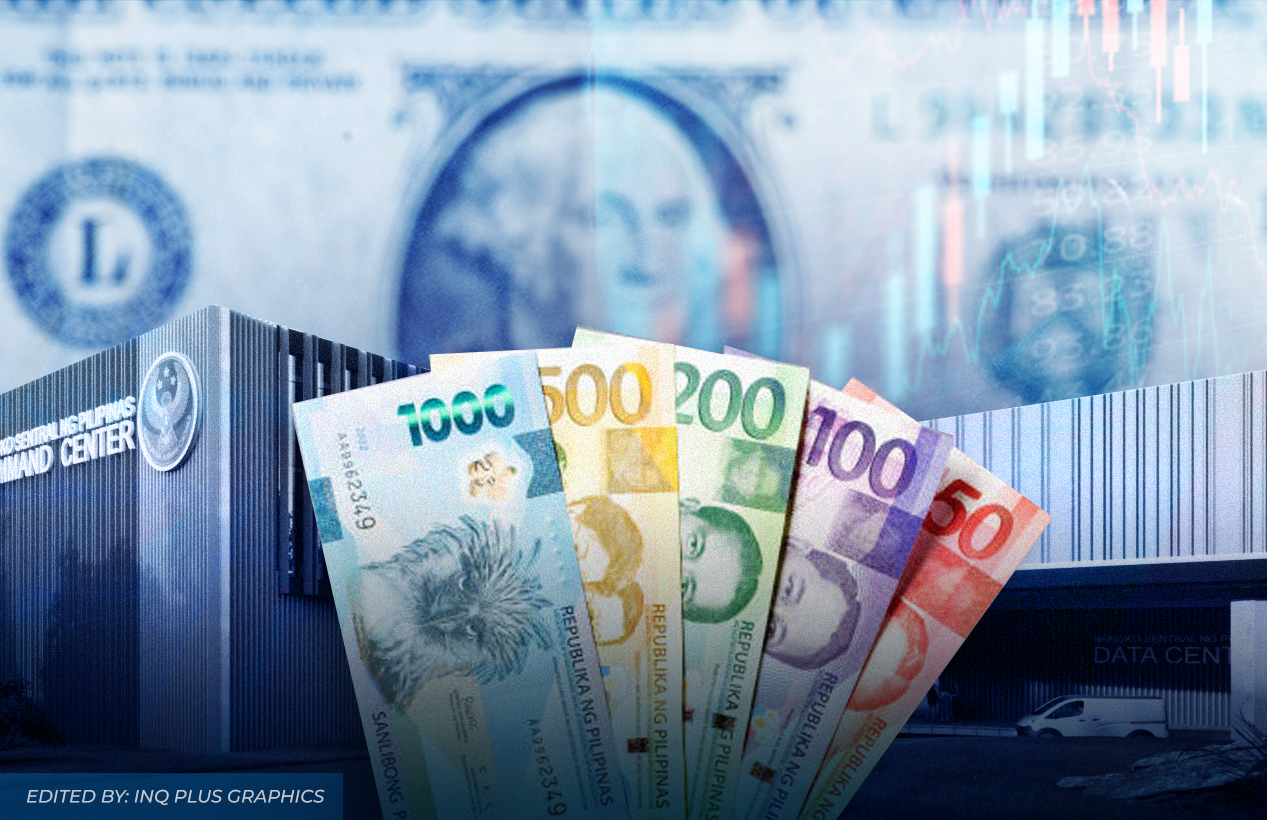
BSP eases rules on large cash withdrawals
BSP eases rules on large cash withdrawals | |
| |
The Bangko Sentral ng Pilipinas (BSP) has doubled the threshold for cash withdrawals, from ₱500,000 to ₱1 million, to ease the regulatory burden on legitimate business operations while maintaining the focus on high-risk financial activity. Read more |

Economic team seeks emergency power for PBBM to cut oil taxes
| ||
Economic managers are seeking authority to allow President Marcos Jr. to lower excise taxes on petroleum products if oil prices surge to around $80 per barrel or beyond. Read more | ||
Meanwhile, senators on Tuesday, March 3 supported the proposal to give the President the authority to reduce or suspend fuel excise taxes as global oil markets react to the escalating conflict in the Middle East. Read more |


Tuesday, March 3, 2026
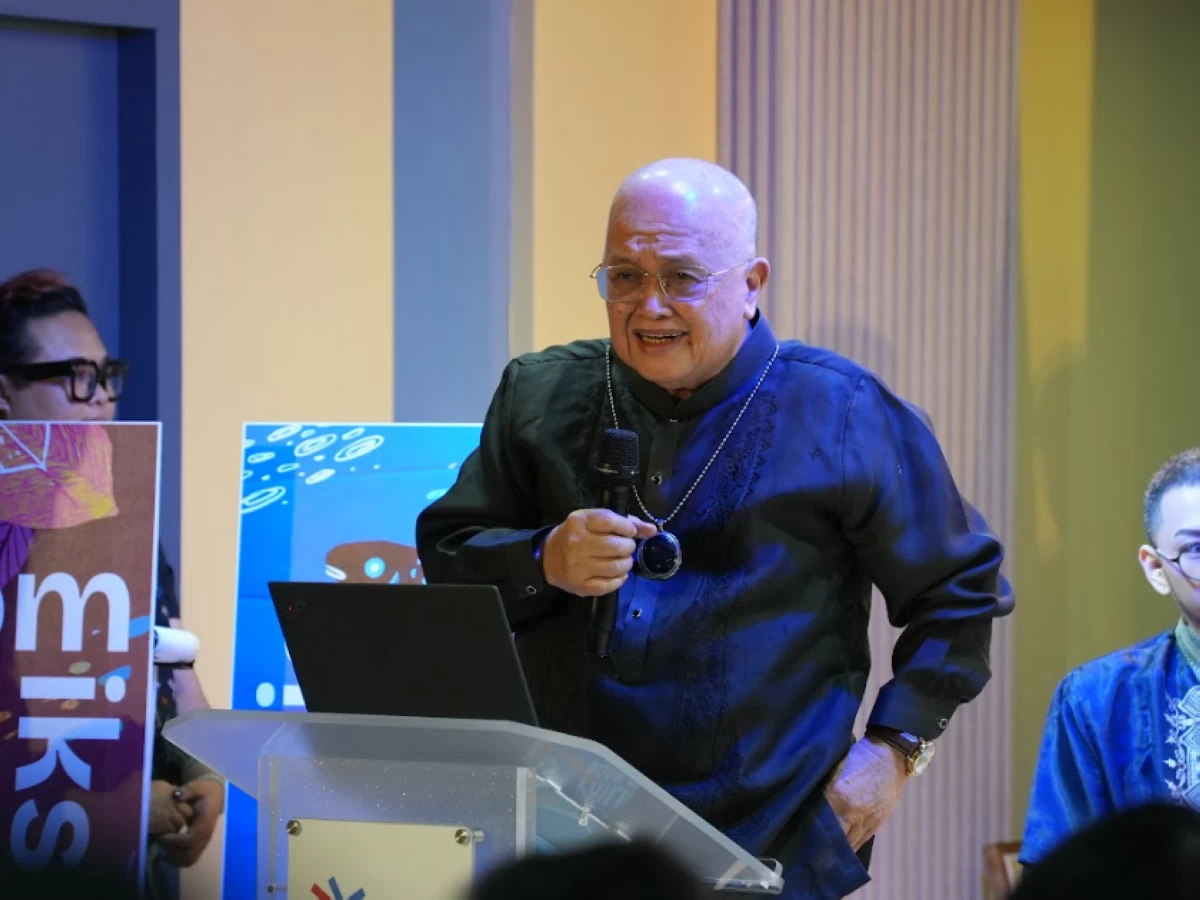
Philippine Book Festival returns for fourth year with 'Gubat ng Karunungan'
By Manila Bulletin Newsroom Since its launch in 2023, the Philippine Book Festival (PBF), led by the National Book Development Board, has helped bring Filipino-authored books, educational materials, and creative works closer to the masses. The festival has drawn more than 120,000 visitors and, through its partnership with the Department of Education (DepEd), helped generate P946 million in institutional book sales in 2024 alone. Its mission of creating a shared third place for readers, writers, teachers, illustrators, publishers, students, families, and literary enthusiasts continues with its 2026 edition.




Monday, March 2, 2026

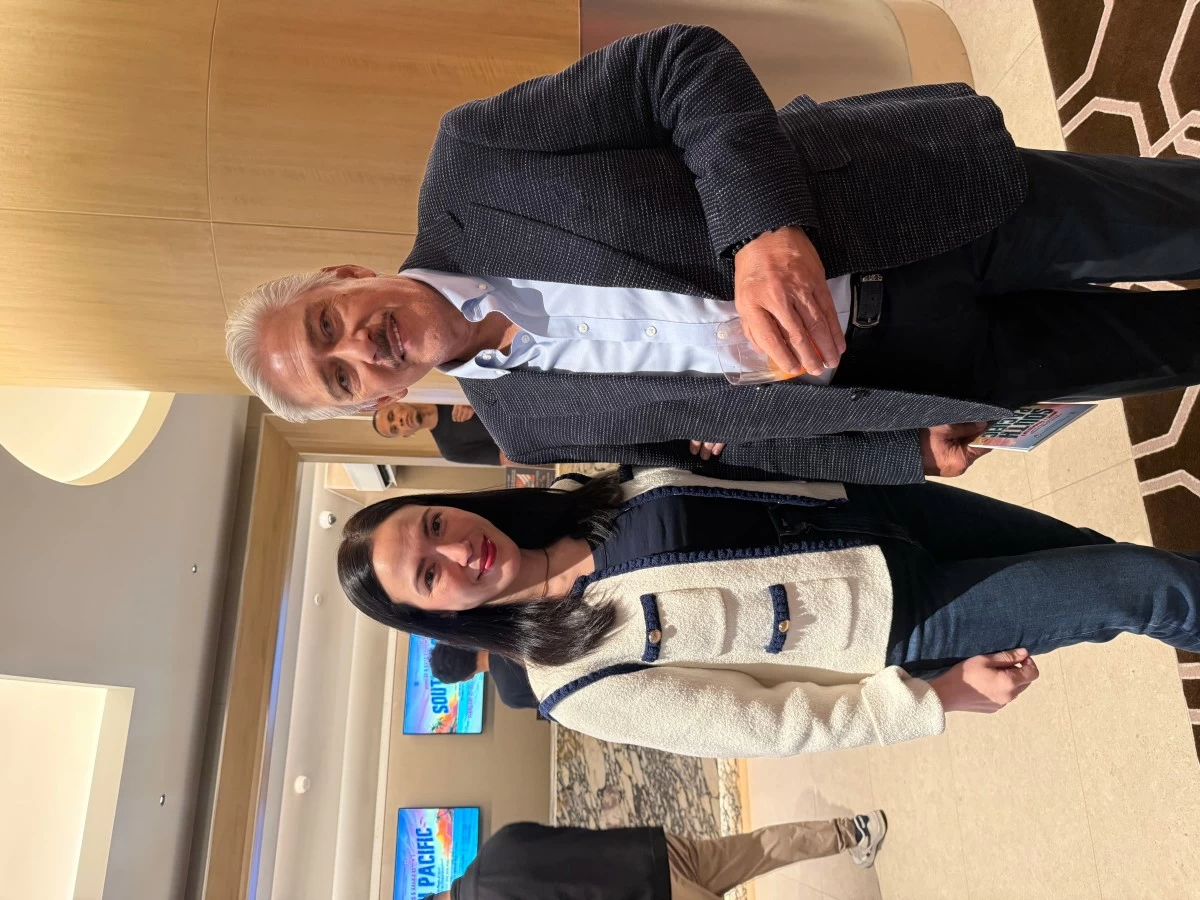
More airlines join NAIA's self-check-in and automated gates