
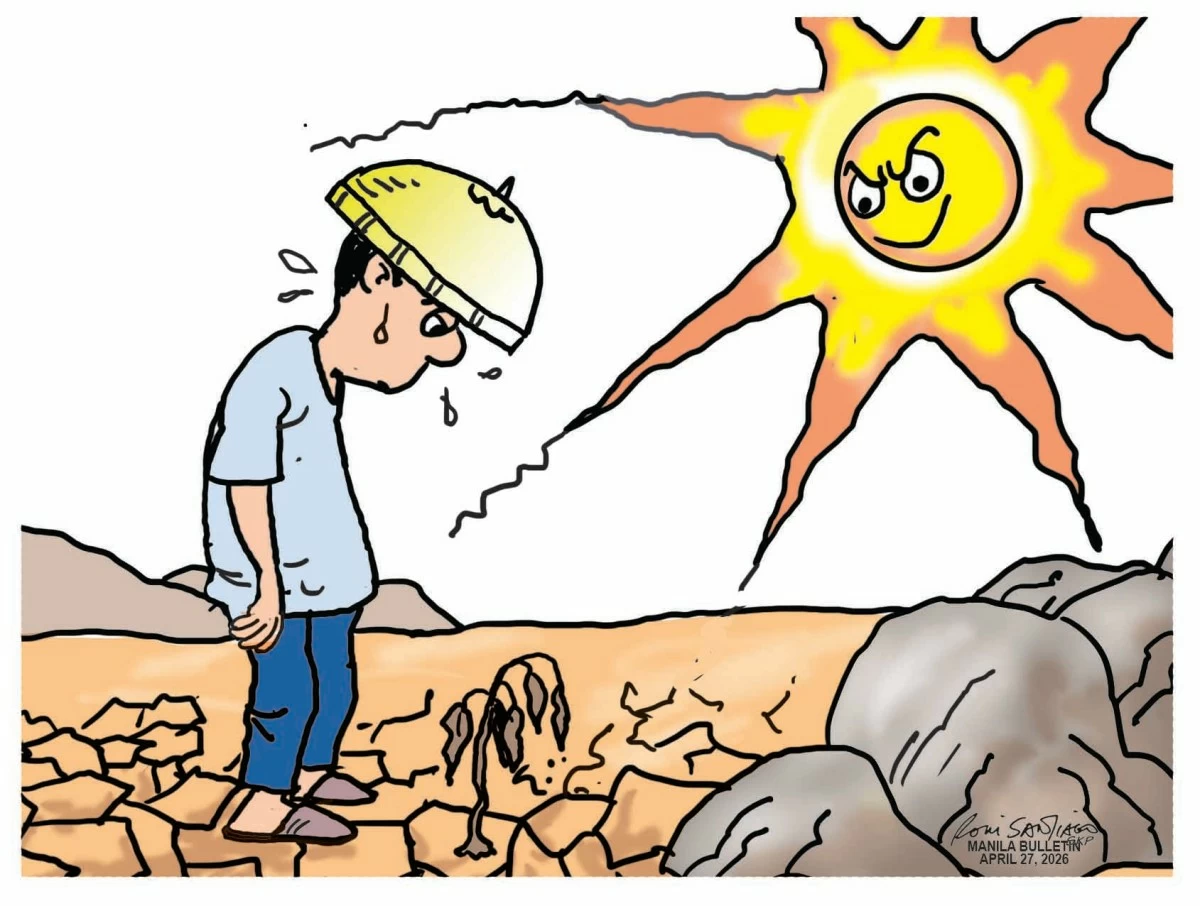
The latest report from Philippine Atmospheric, Geophysical and Astronomical Services Administration that drought conditions now grip 25 provinces across Luzon should sound a resounding alarm far beyond the agricultural sector. It is not merely a matter of failed rains or depleted reservoirs. It is a deepening crisis that cuts into the very fabric of Filipino life, threatening food security, livelihood, and the fragile resilience of communities already burdened by a national energy emergency.
For farmers, drought is an unforgiving adversary. Crops wither before harvest, irrigation systems run dry, and debts mount as yields diminish. In provinces dependent on rice and corn production, the lack of water translates directly into lost income and heightened food prices. The ripple effects are swift. Reduced water supply drives inflation, placing further strain on households already grappling with elevated electricity and transport costs.
Fisherfolk, too, are not spared. Prolonged dry spells alter water salinity and temperature in inland and coastal ecosystems, disrupting fish breeding cycles and reducing catch volumes. As fuel prices remain volatile due to global uncertainties, fewer fish in the nets mean deeper losses for small-scale operators who can ill afford another economic shock.
At the center of this unfolding hardship is the “common tao” — families who must stretch limited incomes to cover rising food and energy expenses. The convergence of drought and energy constraints forms a perfect storm, eroding purchasing power and amplifying vulnerabilities, particularly in rural and peri-urban communities.
Government response must therefore be both immediate and strategic. Emergency measures should prioritize the delivery of water through mobile tankers and the rehabilitation of critical irrigation systems in affected provinces. The National Irrigation Administration must accelerate desilting operations and repair damaged canals to maximize whatever limited water supply remains.
Equally urgent is the expansion of targeted financial assistance. Rather than broad, unfocused subsidies, support must be calibrated. Crop insurance payouts should be expedited, and concessional credit must be extended to farmers and fisherfolk to enable replanting and recovery. The Department of Agriculture can lead in distributing drought-resistant seed varieties and promoting climate-resilient farming techniques such as drip irrigation and crop diversification.
Water management, however, cannot remain reactive. The present crisis underscores the need for a more integrated, forward-looking approach. Investments in rainwater harvesting, small farm reservoirs, and watershed rehabilitation must be scaled up. Local government units, working alongside national agencies, should institutionalize water conservation measures and community-based resource management systems.
At the household level, practical coping mechanisms can make a difference. Families can adopt water-saving practices, shift to less water-intensive food consumption where feasible, and participate in community efforts to safeguard local water sources. These small but collective actions help build resilience from the ground up.
Beyond immediate relief, this drought episode is a stark reminder of the accelerating impact of climate variability. It calls for stronger alignment between climate adaptation policies and economic planning. The integration of renewable energy solutions in rural areas, for instance, can ease dependence on strained power systems while supporting agricultural productivity.
Ultimately, the challenge demands a whole-of-society response. National government, local units, the private sector, and communities must act in concert, guided by both urgency and foresight. The cost of inaction — or delayed action — will not only be measured in economic losses but in the diminished well-being of millions of Filipinos.
The fields may be parched today, but with decisive and coordinated effort, the nation can still weather this dry spell and emerge more resilient in the face of future crises.
