
DRIVING THOUGHTS
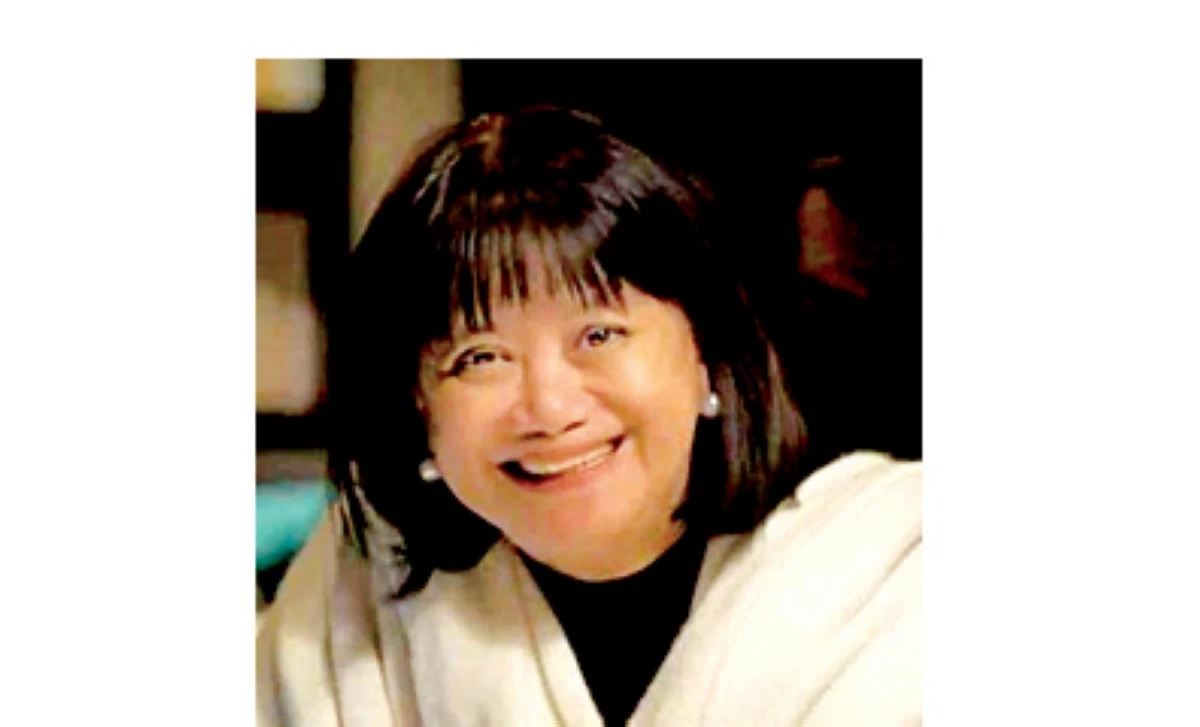
Retirement is a strange word for me. I’ve been working even before I finished college. After graduation, I dove into journalism. For about half a century — 44 years with Manila Bulletin and many years as editor of a provincial daily— journalism was not just my profession, it was my clock, my compass, my daily contact with the world. Deadlines measured my days. Everything else– my children’s birthday celebrations, vacations, school events – revolved around these.
And now, I am stepping away.
In truth, I feel like separating from an identity. I have spent more waking hours in the Manila Bulletin newsroom than in my own house. I know the rhythm of editorial meetings better than the rhythm of my neighborhood. I remember special days commemorating a health, political or education issue, yet forget my children’s Parents’ Day, Holy Retreat, or School Fair.
And so there is anxiety. Not over the contents of my pages, but over my relevance. Journalism is a profession that feeds on relevance. Every day asks: What matters now? Who needs to know? Why should anyone care? For decades, I lived inside those questions. My byline was proof of presence. The sections I edited, the latest was the opinion-editorial section, documented how people were absorbing and reacting to the news.
Retirement, by contrast, threatens my days with silence. No more daily deadline. No more expectation that my take will appear in print or online. The world will spin without waiting for my story, the edited versions of stories, or the decision on what’s ethical or prudent.
I now feel a different form of anxiety. It is not about deadlines or accuracy, it is about becoming a spectator in a society I once helped interpret. It is about going to sleep with the thought that I had not done something that documented history.
I also feel a personal kind of quiet. My children — who did not question my excuses on why I have to cut short a conversation or celebration — now have full lives of their own. They now have their own deadlines. The house that once felt like a terminal between assignments has been quiet for a long time now. Now that quiet will also come from my phone where my email inbox and Viber messages will stop its once constant beeps.
Thankfully, my long years in journalism gave me a wake-up call. It reminded me that every ending is also a beginning; and a story always has another angle. For 50 years, I chased success as scoops, well-written stories, and page view numbers – all these giving the subtle pride of influence. With retirement, I will now seek my identity through relevance.
There will be many venues for that. Relevance can mean mentoring students or young reporters who enter a media landscape far more challenging than the one I joined. It can mean volunteering in community organizations that need experienced voices. It can mean writing not for headlines, but for depth — columns, essays, memoir, even that book friends have encouraged me to attempt.
I have spent decades telling the stories of other people. Perhaps it is time to tell my own –the stories behind the stories, the decisions before giving the final order to “down” a page, the people I’ve met.
The newsroom taught me urgency. Retirement will teach me patience. I will learn that importance is not synonymous with being busy. And I will hope that the relationships built over decades do not evaporate. But if it will fade because of my lack of influence, I will be on another path where I will be judged according to relevance – not influence.
So I step away with mixed emotions — gratitude, pride and apprehension. I am very grateful to Manila Bulletin Chairman Basilio Yap and President Emil C. Yap III who believed in me. I carry much pride that I had been part of the 126-year history of Manila Bulletin, and have trained most of its senior reporters. I am grateful for having experienced being a reporter covering various beats — from the police to arts and culture, motoring, agriculture, education, science, health, travel, housing and real estate, and special assignments—and then being assigned editor of various sections.
But I also feel some apprehension on entering a new chapter which I have yet to structure. I will miss the noise and the news leads. I will miss the stressful minutes before the decision to send a page down. And I will miss the steady presence of Business Development Head Jordan Tan who carries the idealism of youth, and the openness to new experiences.
For 50 years, I belonged to the story of a newsroom — from the days when a reporter dictated a story by phone to a deskman, to sending it through fax, then through email, and today, posting it online almost in real time.
Now, I have the chance to write a different chapter — one that comes from reflection and quiet relevance as a volunteer, teacher, and still a journalist writing bits of history at my own pace.
I hope that will matter just as much as being executive editor of Manila Bulletin. (Email: pinkycolmenares@yahoo.com)



'/%3E%3Cpath d='M16.0001 7.9996c0 4.418-3.5815 7.9996-7.9995 7.9996S.001 12.4176.001 7.9996 3.5825 0 8.0006 0C12.4186 0 16 3.5815 16 7.9996Z' fill='url(%23paint1_radial_15251_63610)'/%3E%3Cpath d='M16.0001 7.9996c0 4.418-3.5815 7.9996-7.9995 7.9996S.001 12.4176.001 7.9996 3.5825 0 8.0006 0C12.4186 0 16 3.5815 16 7.9996Z' fill='url(%23paint2_radial_15251_63610)' fill-opacity='.5'/%3E%3Cpath d='M7.3014 3.8662a.6974.6974 0 0 1 .6974-.6977c.6742 0 1.2207.5465 1.2207 1.2206v1.7464a.101.101 0 0 0 .101.101h1.7953c.992 0 1.7232.9273 1.4917 1.892l-.4572 1.9047a2.301 2.301 0 0 1-2.2374 1.764H6.9185a.5752.5752 0 0 1-.5752-.5752V7.7384c0-.4168.097-.8278.2834-1.2005l.2856-.5712a3.6878 3.6878 0 0 0 .3893-1.6509l-.0002-.4496ZM4.367 7a.767.767 0 0 0-.7669.767v3.2598a.767.767 0 0 0 .767.767h.767a.3835.3835 0 0 0 .3835-.3835V7.3835A.3835.3835 0 0 0 5.134 7h-.767Z' fill='%23fff'/%3E%3Cdefs%3E%3CradialGradient id='paint1_radial_15251_63610' cx='0' cy='0' r='1' gradientUnits='userSpaceOnUse' gradientTransform='rotate(90 .0005 8) scale(7.99958)'%3E%3Cstop offset='.5618' stop-color='%230866FF' stop-opacity='0'/%3E%3Cstop offset='1' stop-color='%230866FF' stop-opacity='.1'/%3E%3C/radialGradient%3E%3CradialGradient id='paint2_radial_15251_63610' cx='0' cy='0' r='1' gradientUnits='userSpaceOnUse' gradientTransform='rotate(45 -4.5257 10.9237) scale(10.1818)'%3E%3Cstop offset='.3143' stop-color='%2302ADFC'/%3E%3Cstop offset='1' stop-color='%2302ADFC' stop-opacity='0'/%3E%3C/radialGradient%3E%3ClinearGradient id='paint0_linear_15251_63610' x1='2.3989' y1='2.3999' x2='13.5983' y2='13.5993' gradientUnits='userSpaceOnUse'%3E%3Cstop stop-color='%2302ADFC'/%3E%3Cstop offset='.5' stop-color='%230866FF'/%3E%3Cstop offset='1' stop-color='%232B7EFF'/%3E%3C/linearGradient%3E%3C/defs%3E%3C/svg%3E)
'%3E%3Cpath d='M15.9963 8c0 4.4179-3.5811 7.9993-7.9986 7.9993-4.4176 0-7.9987-3.5814-7.9987-7.9992 0-4.4179 3.5811-7.9992 7.9987-7.9992 4.4175 0 7.9986 3.5813 7.9986 7.9992Z' fill='url(%23paint0_linear_15251_63610)'/%3E%3Cpath d='M15.9973 7.9992c0 4.4178-3.5811 7.9992-7.9987 7.9992C3.5811 15.9984 0 12.417 0 7.9992S3.5811 0 7.9986 0c4.4176 0 7.9987 3.5814 7.9987 7.9992Z' fill='url(%23paint1_radial_15251_63610)'/%3E%3Cpath d='M7.9996 5.9081c-.3528-.8845-1.1936-1.507-2.1748-1.507-1.4323 0-2.4254 1.328-2.4254 2.6797 0 2.2718 2.3938 4.0094 4.0816 5.1589.3168.2157.7205.2157 1.0373 0 1.6878-1.1495 4.0815-2.8871 4.0815-5.159 0-1.3517-.993-2.6796-2.4254-2.6796-.9811 0-1.822.6225-2.1748 1.507Z' fill='%23fff'/%3E%3C/g%3E%3Cdefs%3E%3CradialGradient id='paint1_radial_15251_63610' cx='0' cy='0' r='1' gradientUnits='userSpaceOnUse' gradientTransform='matrix(0 7.9992 -7.99863 0 7.9986 7.9992)'%3E%3Cstop offset='.5637' stop-color='%23E11731' stop-opacity='0'/%3E%3Cstop offset='1' stop-color='%23E11731' stop-opacity='.1'/%3E%3C/radialGradient%3E%3ClinearGradient id='paint0_linear_15251_63610' x1='2.3986' y1='2.4007' x2='13.5975' y2='13.5993' gradientUnits='userSpaceOnUse'%3E%3Cstop stop-color='%23FF74AE'/%3E%3Cstop offset='.5001' stop-color='%23FA2E3E'/%3E%3Cstop offset='1' stop-color='%23FF5758'/%3E%3C/linearGradient%3E%3CclipPath id='clip0_15251_63610'%3E%3Cpath fill='%23fff' d='M-.001.0009h15.9992v15.9984H-.001z'/%3E%3C/clipPath%3E%3C/defs%3E%3C/svg%3E)