You plan to move to the Philippines? Wollen Sie auf den Philippinen leben?

There are REALLY TONS of websites telling us how, why, maybe why not and when you'll be able to move to the Philippines. I only love to tell and explain some things "between the lines". Enjoy reading, be informed, have fun and be entertained too!

Ja, es gibt tonnenweise Webseiten, die Ihnen sagen wie, warum, vielleicht warum nicht und wann Sie am besten auf die Philippinen auswandern könnten. Ich möchte Ihnen in Zukunft "zwischen den Zeilen" einige zusätzlichen Dinge berichten und erzählen. Viel Spass beim Lesen und Gute Unterhaltung!


Visitors of germanexpatinthephilippines/Besucher dieser Webseite.Ich liebe meine Flaggensammlung!

free counters

Total Pageviews

Tuesday, June 2, 2026

A night of charity with a plus


DigiPlus Foundation reveals a billion-peso investment at BingoPlus Night 2026


For the fourth straight year, BingoPlus celebrated its victories as the number one and most trusted Filipino online entertainment platform with the uber-glitzy BingoPlus Night 2026: Step into the Next Plus, held last May 19 at a luxury ballroom in Pasay City.
Smack dab in the middle of the spotlights and splendor, however, was a dedicated segment celebrating what truly matters: the lives improved by the DigiPlus Foundation through its key projects this year, in previous years, and beyond.
Top DigiPlus executives raised their wine glasses with pride as the foundation, together with BingoPlus, announced a massive P1 billion commitment to causes, donations, and initiatives over the next three years—a significant step up from past endeavors.
To ensure that the Filipino public can track where this huge commitment is being directed, the DigiPlus Foundation also launched its own Charity tab within the BingoPlus app, making it a one-stop hub for the country’s number one and most trusted Filipino online entertainment platform.
Through this tab, users can view the company’s championed causes, particularly in community resilience, accessible healthcare, and technology education, including the upcoming PluSkwela project, all neatly presented in visual cards optimized for mobile viewing.
Having transformed the lives of more than 1.1 million Filipinos, the DigiPlus Foundation remains in constant work mode, as evidenced during BingoPlus Night 2026, where WishPlus segments were held between artists’ performances, infusing the party atmosphere with purpose.
With the help of BingoPlus endorser Kim Chiu and fellow stars Julie Anne San Jose and Yeng Constantino, more wishes from the Filipino public were granted in line with the organization’s inclusive empowerment pillar.
No stranger to charitable efforts herself, Kim urged more Filipinos to continue submitting their wishes, saying that the WishPlus initiative is open to Filipinos from all walks of life.
As the night progressed, foundation initiatives continued playing in the background, with DigiPlus scholars and beneficiaries of its technology education pillar notably featured during Bamboo’s high-energy and interactive set.
From dusk until early morning, BingoPlus Night 2026 was a celebration of epic proportions, yet it never lost sight of the reason the party began in the first place.

An island state of mind at Plantation Bay


Published Jun 1, 2026 10:00 pm
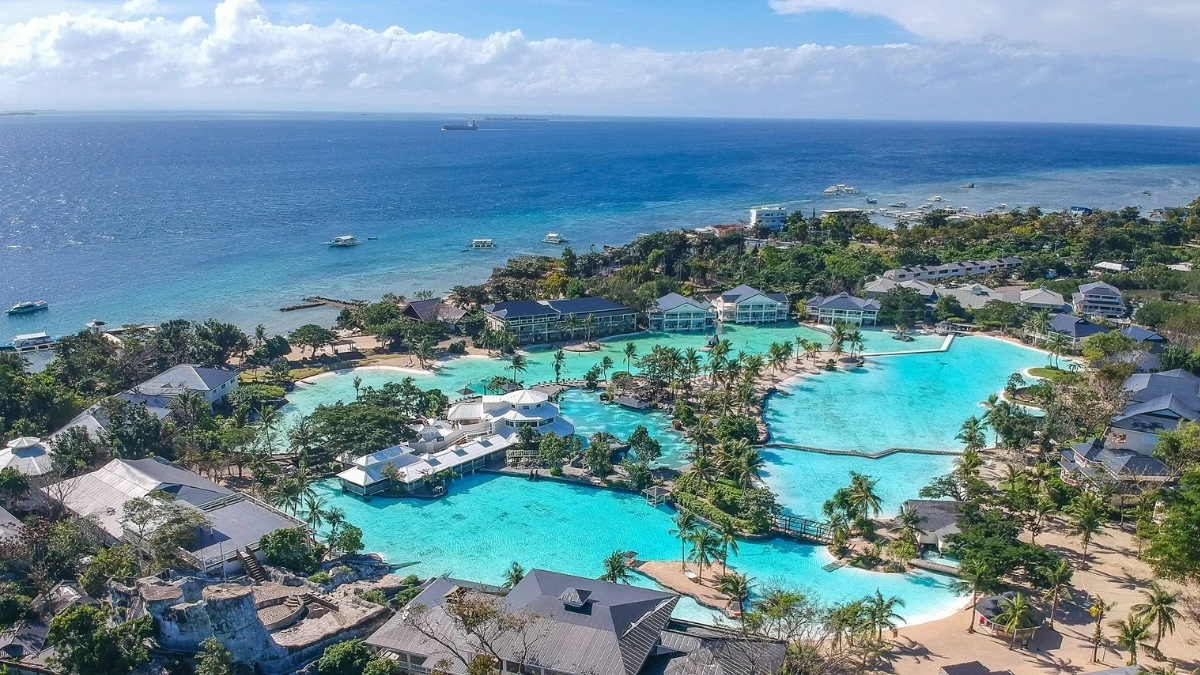
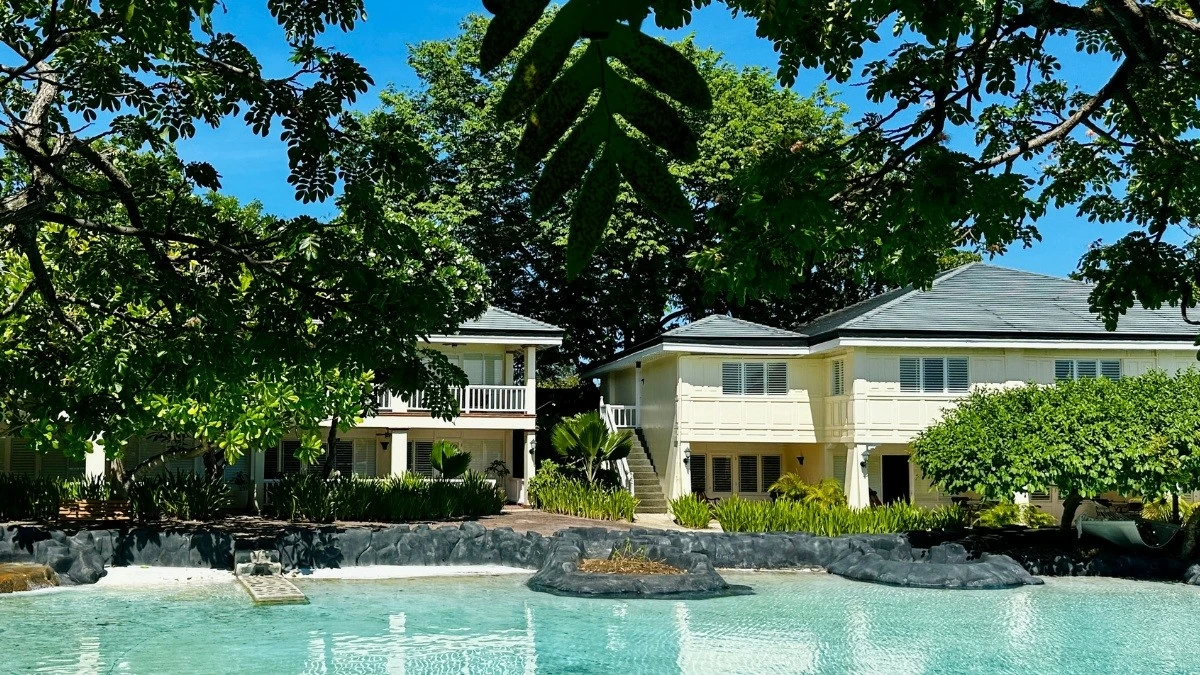
Plantation Bay Resort and Spa is an 11.4 hectare luxury paradise in Cebu. (Photo: Plantation Bay)
The summer season never quite feels complete without one last escape to the sea. Before the rains fully settle in and the pace of daily life takes over again, there is always that lingering desire for a few more days of sun, sand, and sea.
For my final attempt at a summer getaway this year, I found myself at Plantation Bay Resort and Spa in Cebu.
I have to admit: I may very well be among the last people in my circle of friends to visit this iconic resort. For years, I had heard stories about its sprawling lagoons, exceptional service, and unique approach to luxury. Yet somehow, visit after visit to Cebu, I never found my way to the resort.
After spending a few days there last month, I could only ask myself one question: Why did I wait so long?
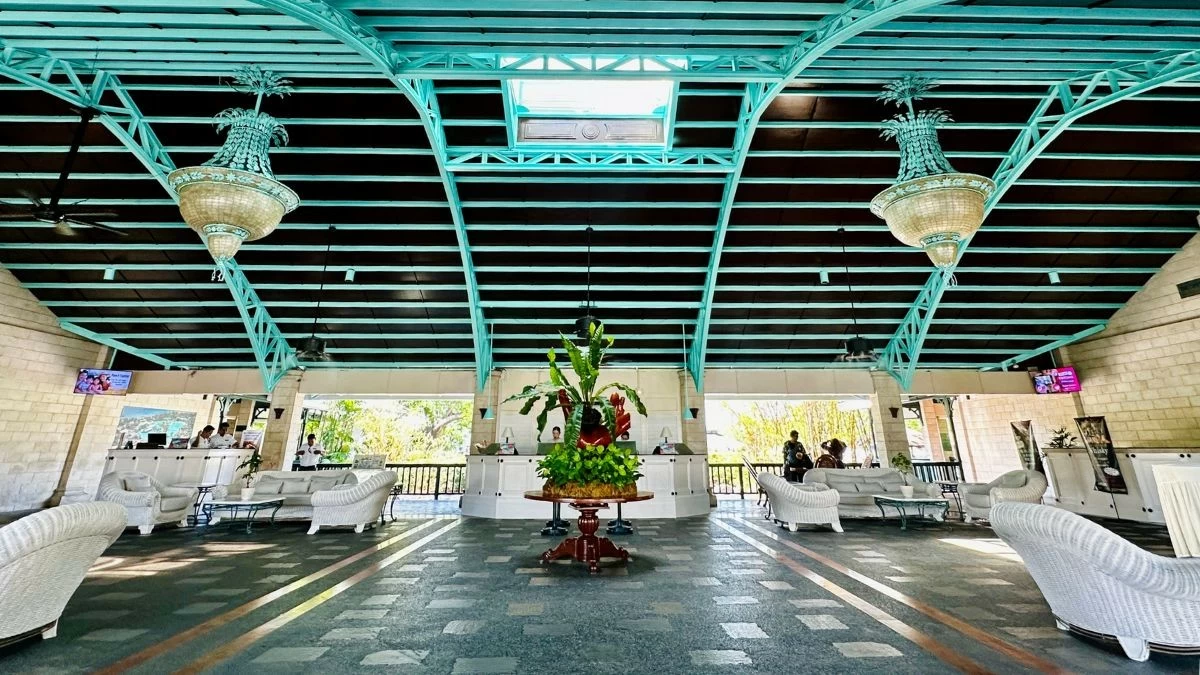
Plantation Bay's grand lobby (Photo: Rey Ilagan/Manila Bulletin)
From the moment I arrived, the resort definitely made an impression.
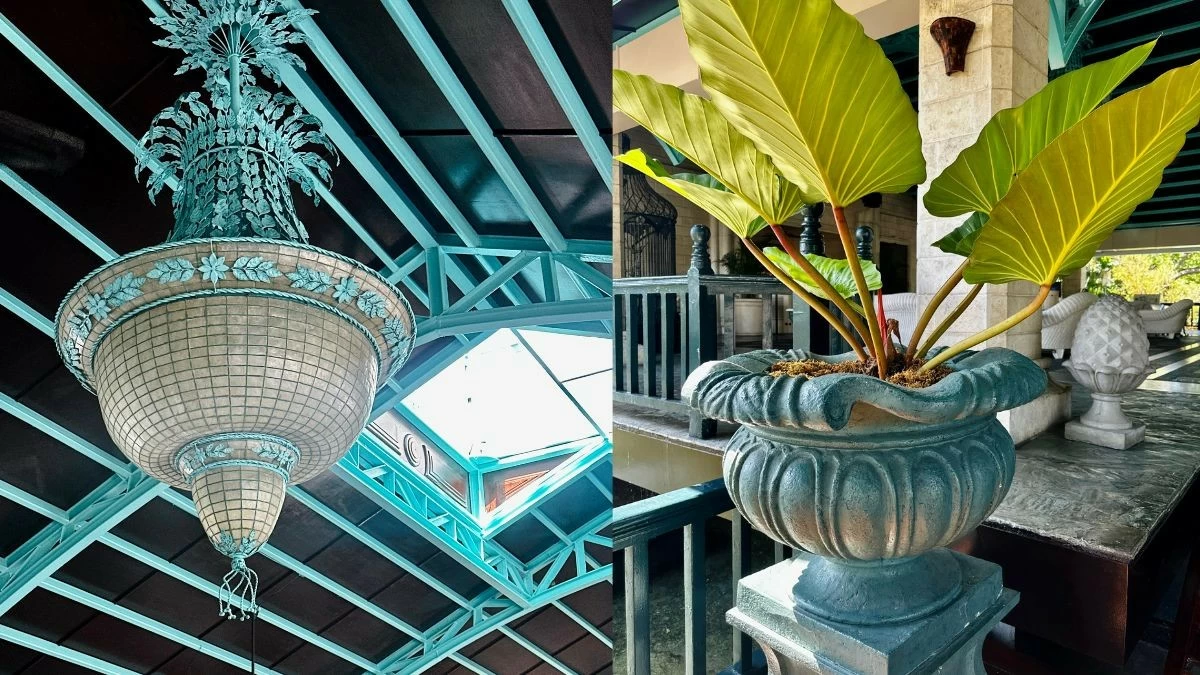
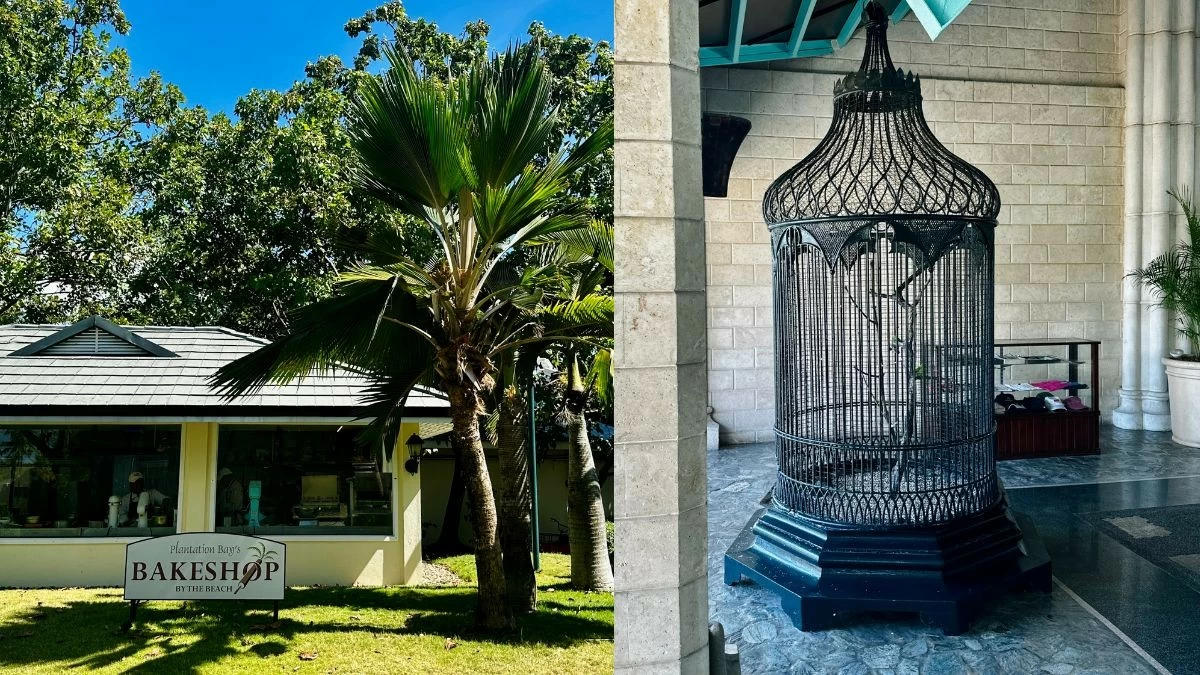
The expansive lobby area immediately sets the tone for the entire experience with its colonial elegance meets Caribbean-inspired architecture. Turquoise-painted steel truss ceiling, white wicker lounge furniture, natural stone walls, oversized birdcage, and impressive chandeliers with botanical motifs frame the grand tropical resort lobby. It possesses a timeless charm that reminds guests they are entering a place designed not merely for accommodation but for retreat.
Elements of the resort's grand lobby (Photo: Rey Ilagan/Manila Bulletin)
Bakehouse by the beach (left) and a giant birdcage located at the lobby (Photo: Rey Ilagan/Manila Bulletin)
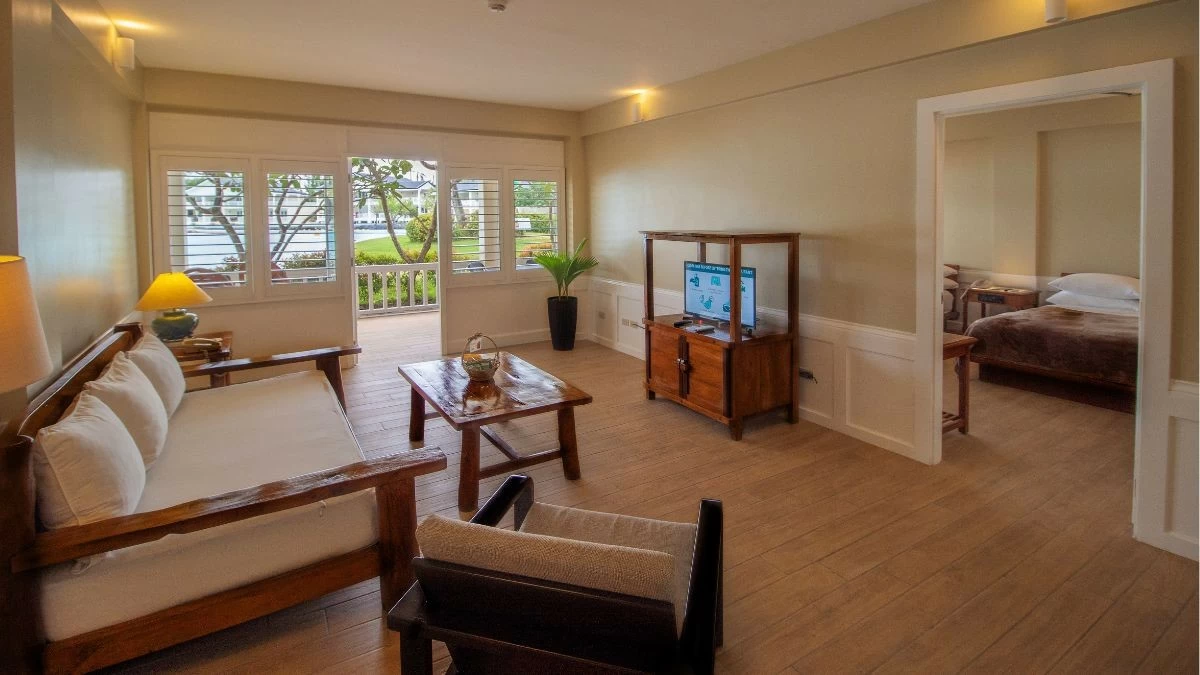
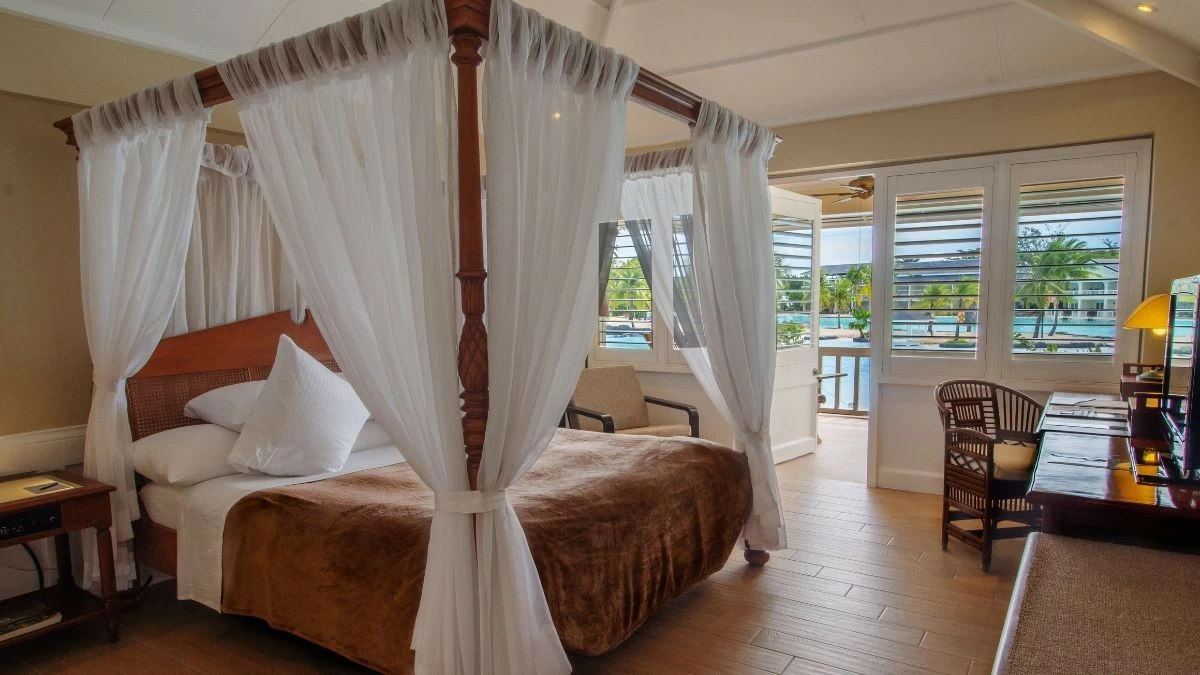
As I reached my suite, the story continued. Stepping inside felt less like checking into a resort and more like arriving at a private tropical retreat. Warm earth-toned walls, handcrafted terracotta floors, rich wooden furnishings, and classic plantation shutters create an atmosphere that is both elegant and inviting. The bedroom, anchored by a romantic four-poster king bed draped in flowing white canopies, evokes that charm of old-world island escapes.
What struck me most, however, was how Plantation Bay approaches luxury.
In an era when many resorts compete through spectacle and towering buildings, Plantation Bay, now celebrating its 30th year, chooses a quieter path.
Living area (Photo: Plantation Bay)
Iguazu House (Photo: Rey Ilagan/Manila Bulletin)
Toilet and bath (Photo: Plantation Bay)
Bedroom of Iguazu Suite (Photo: Plantation Bay)
Spread across 11.4 hectares, the resort is designed horizontally rather than vertically. Instead of looking up at imposing towers, guests look outward toward lagoons, gardens, pathways, and open skies. The layout subtly shifts your mindset. Rather than feeling like a visitor to a hotel, you feel as though you have arrived at an expansive beachfront estate.
There is a comforting familiarity with it.
The bike-friendly lanes, vast greens, and interconnected waterways evoke memories of family vacations and carefree summers. The property invites exploration without demanding it. You can spend an entire afternoon cycling or walking through the grounds, strolling beside lagoons, or simply sitting under a shaded pavilion doing absolutely nothing.
And that, perhaps, is the point.
(Photos: Plantation Bay)
Plantation Bay understands something many luxury destinations may have forgotten: Sometimes the greatest indulgence is just being present in the moment.
The resort’s signature saltwater lagoons are naturally its centerpiece. Covering 2.3 hectares, these crystal-clear waterways weave throughout the property, creating ever-changing views from almost every angle. Guests can have a leisurely swim, kayak, or sunbath under the afternoon sun, fostering an experience that’s both restorative and calming.
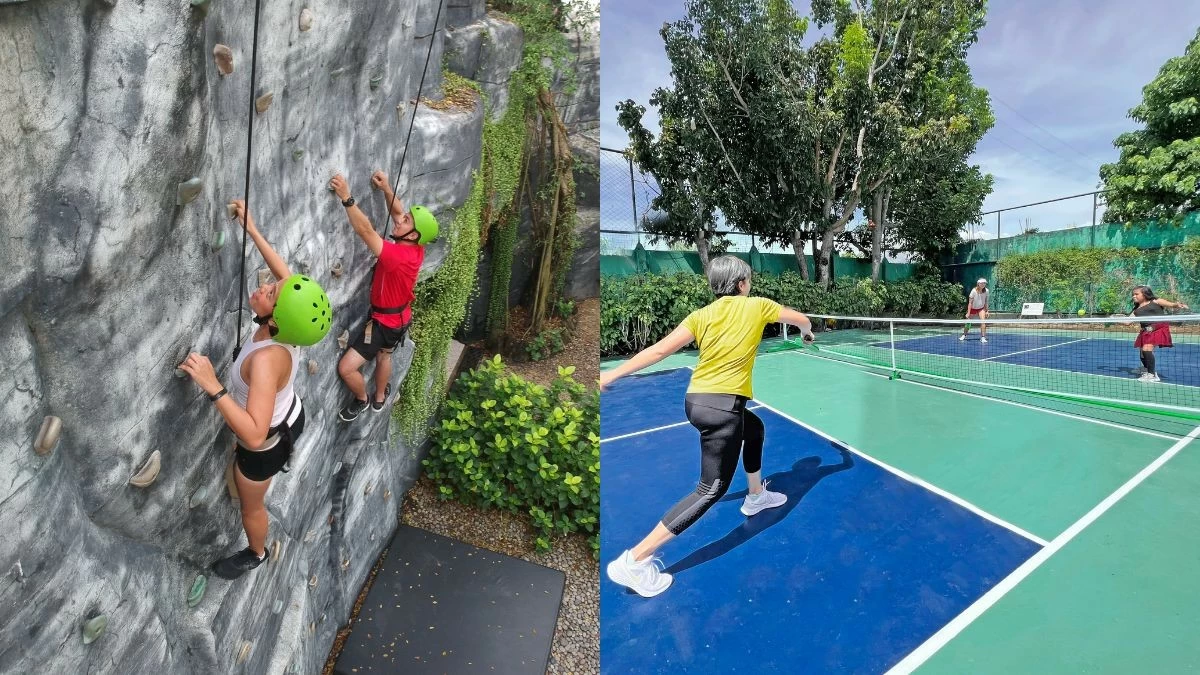
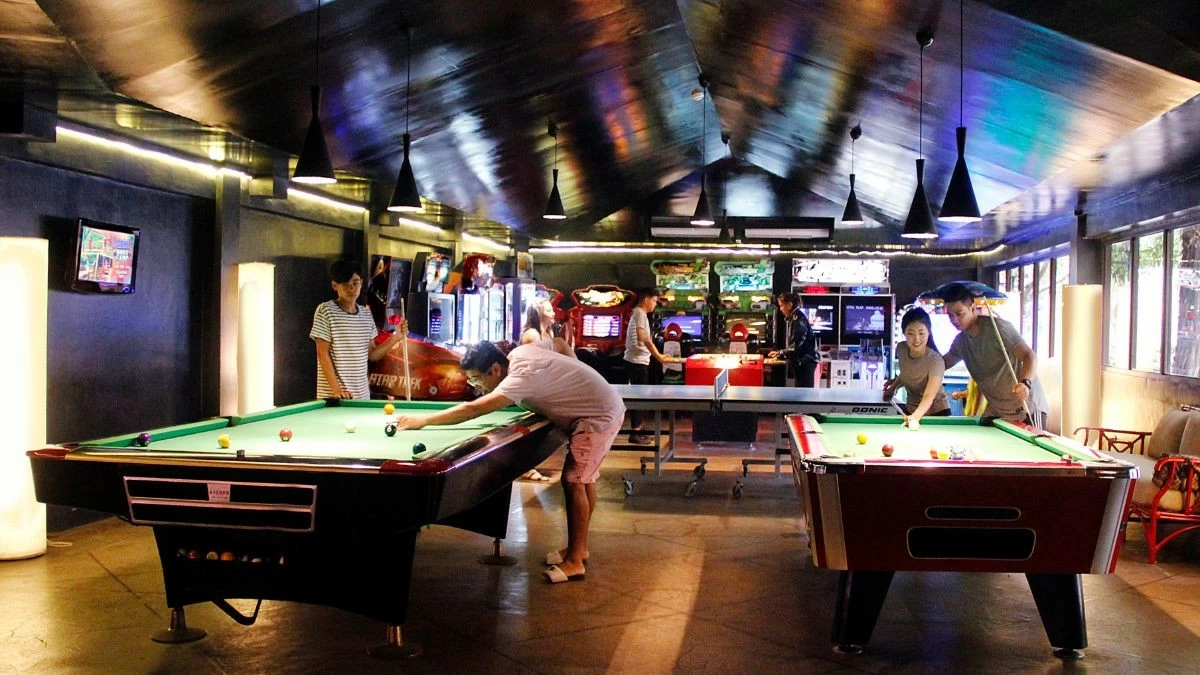
For those seeking more activity, there is plenty to discover. Guests can enjoy archery, tennis, wall climbing, and a fully equipped gym. Yet despite the abundance of options, the atmosphere never feels busy. A large part of that comes from Plantation Bay’s philosophy of quiet luxury.
(Photos: Plantation Bay)
The resort enforces a no tipping policy, ensuring service is delivered from genuine hospitality rather than expectation. Staff members are attentive, warm, and remarkably efficient at any area in the whole resort, creating a seamless experience from check-in to departure.
Equally impressive is its commitment to tranquility. Motorized watercraft are prohibited on the lagoons, preserving an atmosphere where the loudest sounds are often birdsong, flowing waterfalls, and the gentle rustling of palm trees.
It is a small detail that makes a world of a difference.
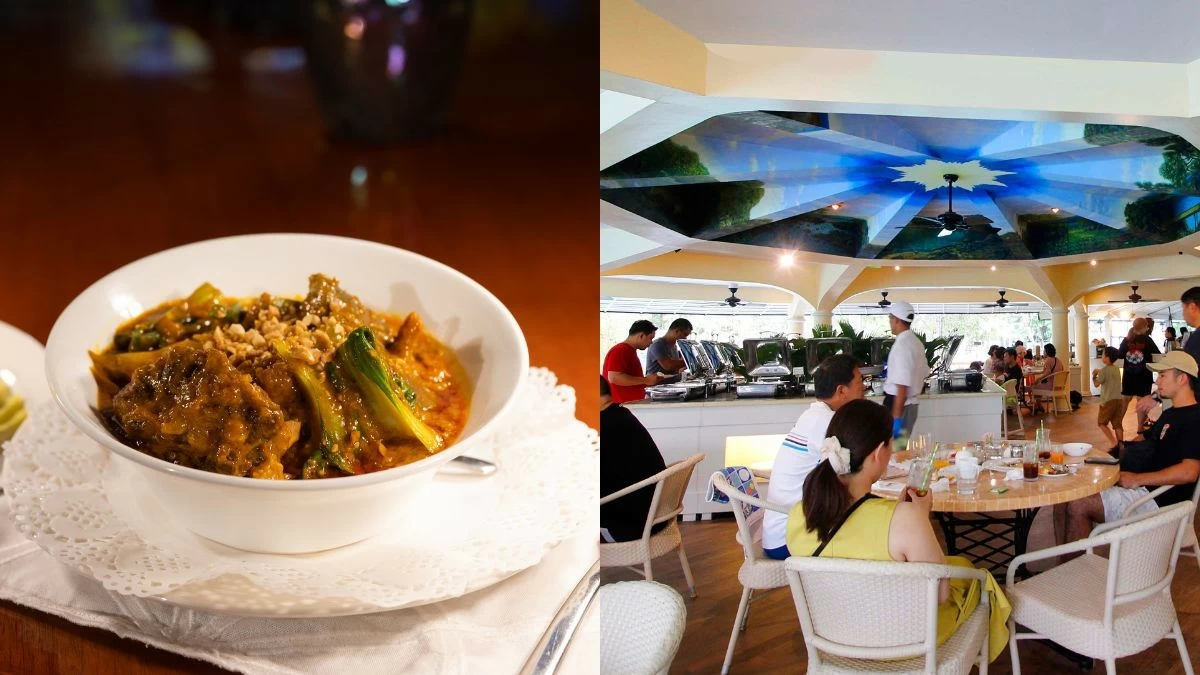
Kilimanjaro Kafe and its famed 'World's Best Kare-Kare' (Photos: Plantation Bay)
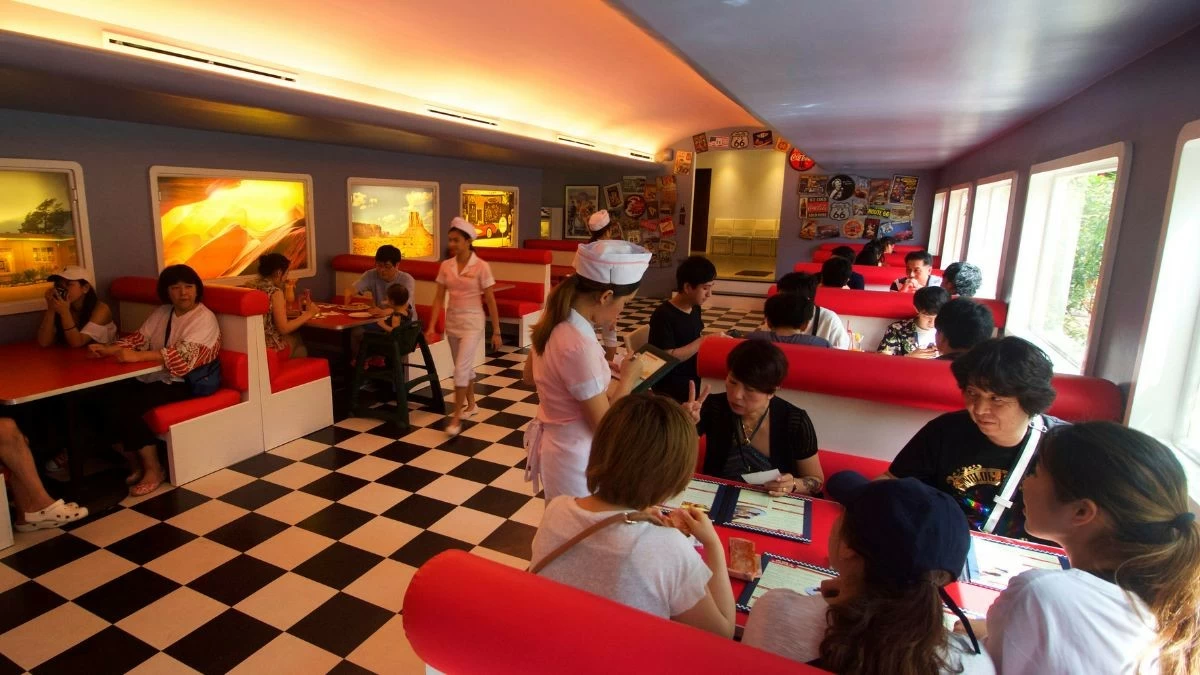
Route 66 Diner (Photo: Plantation Bay)
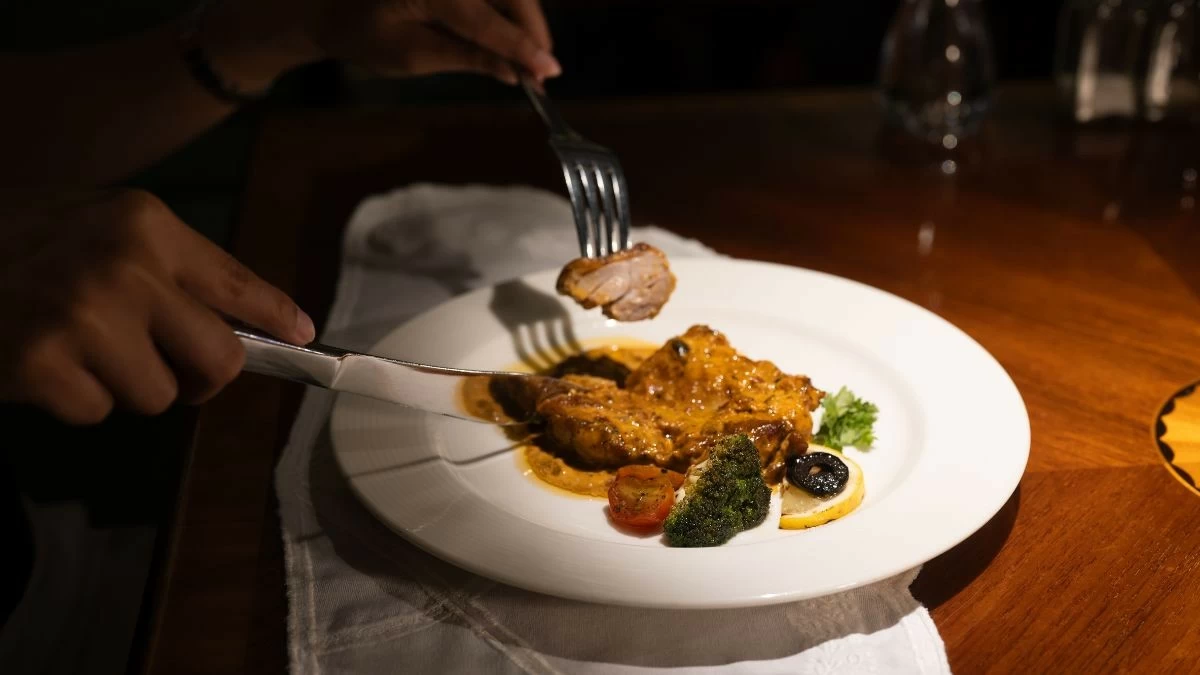
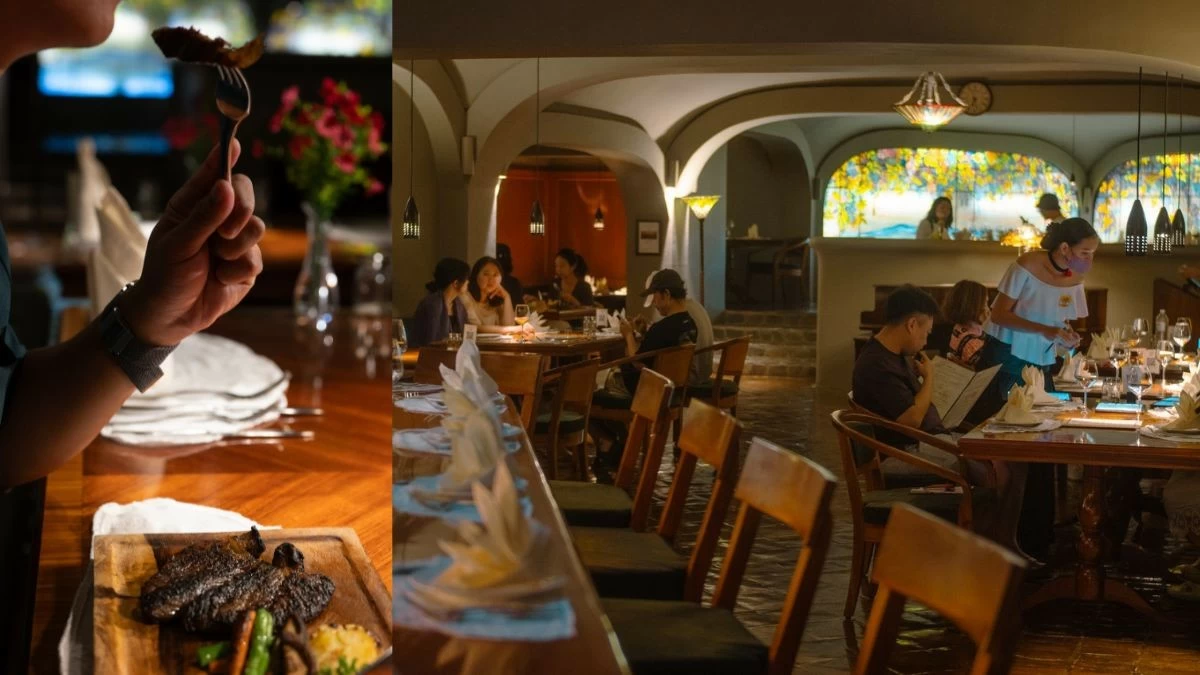
Palermo Restaurant (Photos: Plantation Bay)
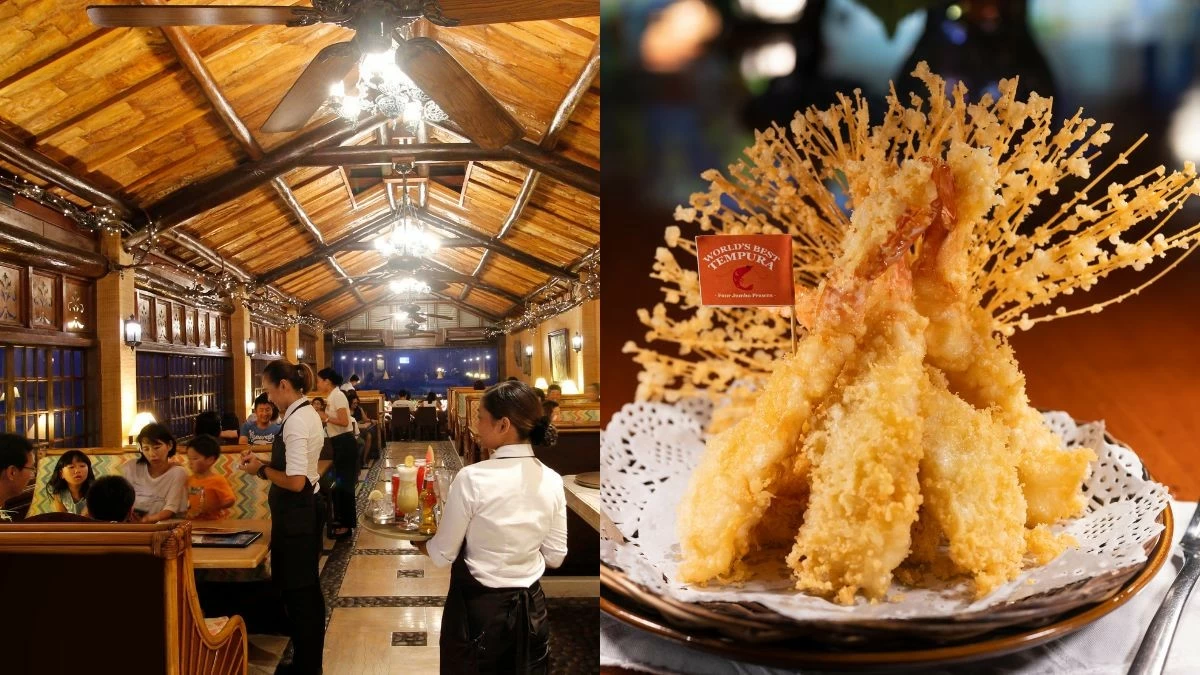
Fuji Restaurant interiors (left) and its famous 'World's Best Tempura' (Photo: Plantation Bay)
Dining, meanwhile, becomes part of the journey. Each dining outlet in the resort is a testament to the best experience a guest can become accustomed to.
At Kilimanjaro Kafe, the resort’s flagship restaurant, guests can enjoy international favorites any time of the day. Among its standout dishes are the famed “World’s Best Kare-Kare,” hearty Bulalo, and indulgent Twice-Fried Pork Belly.
Fiji, meanwhile, offers fresh seafood and Pacific Rim specialties in a relaxed setting with beach as the main view. A definite must-try is the Four Jumbo Prawns, part of what the resort proudly calls the “World’s Best Tempura”--and easily among the best tempura I have ever tasted.
At Palermo,the spotlight shines on premium steaks, from prime cuts to wagyu selections, making it a destination for serious steak lovers. For a touch of nostalgia, Route 66 serves burgers and steaks within a charming 1950s-style diner.
Each venue possesses its own character, allowing guests to move through different culinary experiences without ever leaving the resort.
Mogambo Springs (Photo: Rey Ilagan/Manila Bulletin)
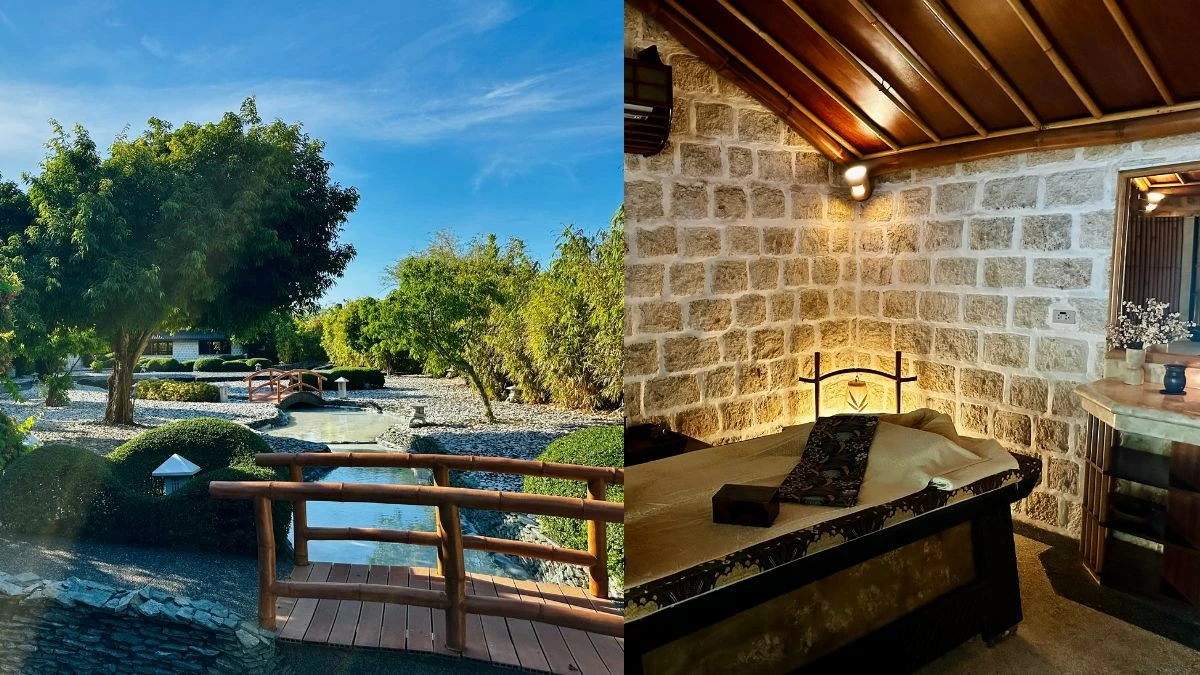
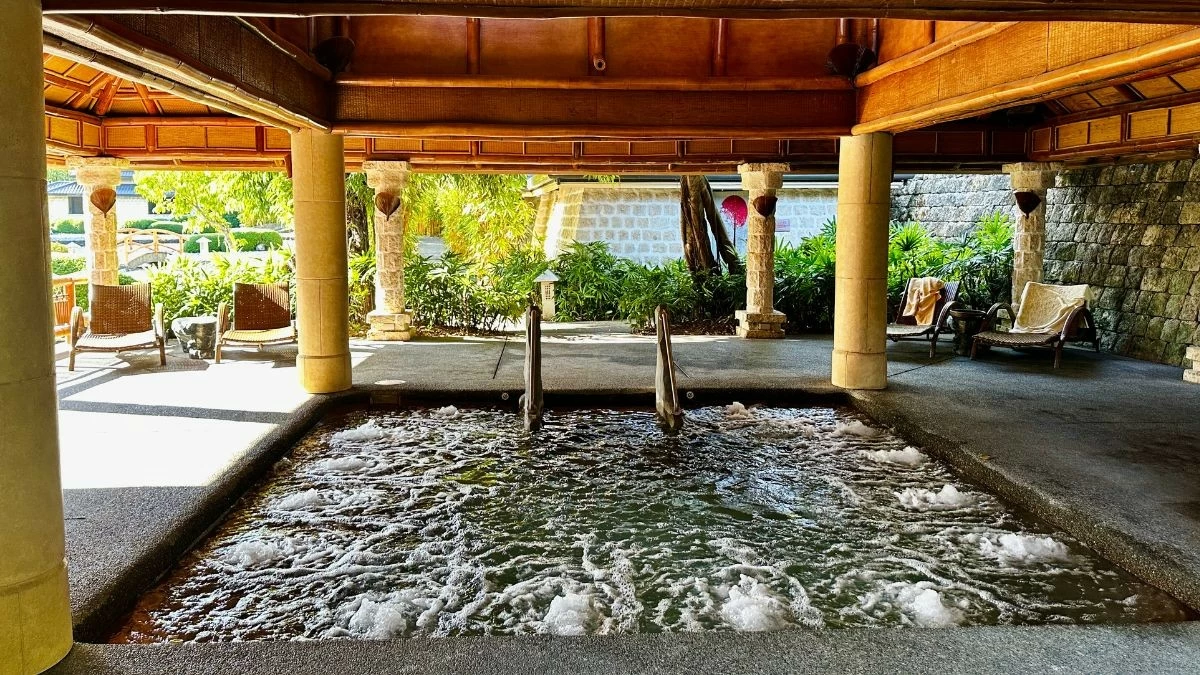
Another pleasant surprise was the wellness component. At Mogambo Springs, Plantation Bay’s Japanese-inspired spa village, wellness extends beyond the traditional massage. Guests can experience thermal contrast therapies, healing pods, red-light therapy, sensory floating tanks, and even hyperbaric oxygen treatments. It’s not every day you get to see those being offered at resorts. But at Plantation Bay, it’s one you mustn’t miss out on. This reflects a growing understanding that modern luxury is no longer defined solely by comfort, but also by restoration.
After all, the true measure of a holiday is not how busy it is but how renewed you feel when it ends.
As my stay drew to a close, I found myself lingering a little longer than usual, reluctant to leave the calm that Plantation Bay had so effortlessly created.
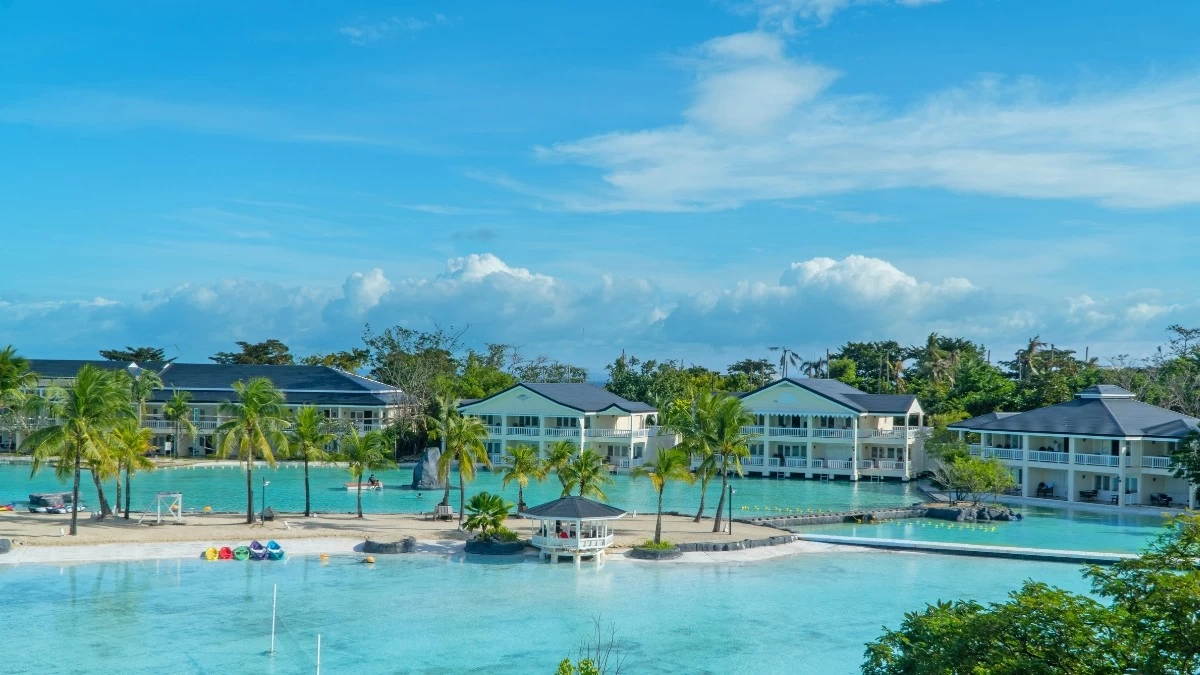
Plantation Bay Resort and Spa is an 11.4 hectare luxury paradise in Cebu. (Photo: Plantation Bay)
Perhaps that is its greatest achievement for my stay. Beyond the impressive facilities, beautiful lagoons, and excellent dining options lies something more meaningful: a genuine sense of ease.
If there’s one resort that showcases the best of Filipino hospitality with international flair, Plantation Bay deserves a place among the country’s finest. It is a masterclass in how a Philippine resort can blend Filipino warmth with world-class service, creating an experience that feels polished yet deeply personal.
It reminds me that luxury does not always have to announce itself loudly. Sometimes, it is found in silence, in space. And sometimes, it is found in finally visiting a place you’ve heard about for years and realizing it was worth every moment of the wait.
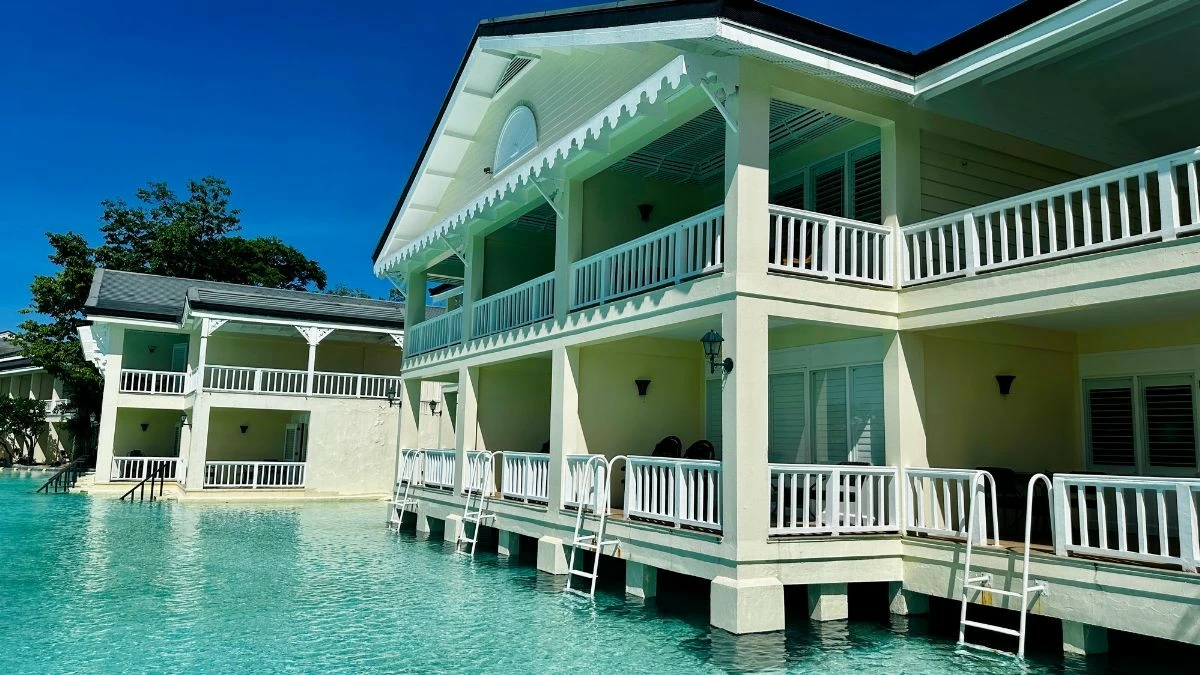
Chenonceaux House (Photo: Rey Ilagan/Manila Bulletin)

A Mindanaoan layperson's view on Pope Leo XIV's recent encyclical


Published Jun 2, 2026 12:05 am | Updated Jun 1, 2026 04:17 pm
#MINDANAO
More than any other global institution, the Roman Catholic Church, through the Pope, has provided its perspectives on issues and situations that confront all human beings in light of gospel truth. These are often done through papal encyclicals.
When Pope Leo the 13th first wrote the groundbreaking encyclical Rerum Novarum ( of new things) in the late 1800s, it was a response to the Industrial Revolution, an epoch in world economic history that saw fundamental change: more people working in factories to produce manufactured goods rather than on farms. We all know how this altered the nature of work and how it bred new ways of looking at production, the economy, and the world. This was also a time that revealed the reality of the exploitation of fellow human beings in the name of building industry and wealth, as well as the rise of political ideologies such as socialism.
Rerum Novarum and other social encyclicals that followed it helped us understand that this change should not diminish the humanity of people and brought forth the principles of the common good and subsidiarity, which are among the key stances of Catholic social teaching, juxtaposed against extremes of individualistic greed through extreme capitalism and socialism.
Against this backdrop, the latest encyclical Magnifica Humanitas, or Magnificent Humanity, is an encyclical divided into five chapters (you may read it in the official Vatican website). It focuses on Artificial Intelligence (AI) as the “res novae” or new thing of the current generation, whilst encouraging more thoughtful and just use of the phenomenon. The encyclical asks us all to uphold and affirm humanity in a manner that is based on Catholic Social teaching.
While it does not deny the benefits of technology and considers it a “force not antagonistic to humanity”, it asks us to ponder how the technology may prove to be detrimental to humanity if it uses AI to build towers of Babel and monuments to pride rather than relying on Divine guidance and wisdom to face challenges. Pope Leo XIV seeks ways to ensure that technology serves people and the common good, not merely the benefit of some at the expense of others.
In my layperson’s view, Magnificat Humanitas and other encyclicals must not be read in isolation. Rather, it must be read as part of a long series of documents and teachings that illuminate a view on society grounded on divinely inspired moral principles and the deep reservoir of social teaching, rather than simply reading it as a political statement or sociological treatise that seeks short-term gains and interests of those watching it, or to solve global problems alone. Often, we are tempted to view such documents through secular eyes that pit the Church against the world and parse its perspectives and activities to check whether it is adapting to worldly modernity or the current zeitgeist. Instead, it has a divine mission that it must uphold through history.
My first of two simple takeaways is that no matter how groundbreaking it is as a technology, AI must remain a tool for our use and under our reason and control. It must never replace us. AI is, therefore, a machine that cannot build a human society by itself. It must therefore be used responsibly by humans if we are to maximize its benefits for us to shape history and society profoundly, under God's loving guidance, while upholding the common good.

Mount Apo closed from June to August


MOUNT Apo (DENR photo)


By Ivy Tejano

Published Jun 1, 2026 10:53 pm


DAVAO CITY – Mount Apo Natural Park (MANP) is closed to all trekking and camping activities from June 1 to Aug. 31.

The Department of Environment and Natural Resources-11 announced on Monday that suspension of access will be implemented simultaneously in Davao region and Socsksargen.

According to the DENR-11, the measure is intended to support ecological recovery, disaster risk reduction, and the continued protection and conservation of Mount Apo's biodiversity.

"Hiking and camping activities are strictly prohibited during the closure period until further notice," the DENR-11 said, adding that trekking activities will most likely resume on Sept. 1.

Affected access routes are Kidapawan City and the municipalities of Makilala and Magpet in North Cotabato as well as Digos City and the towns of Bansalan and Santa Cruz in Davao del Sur.

The Protected Area Management Board (PAMB), which oversees policy directions for Mount Apo, enforces the yearly off-season under Resolution No. 8, Series of 2021.

PAMB said the initiative is designed to allow the mountain ecosystem to recover and minimize human disturbance, giving wildlife a period of undisturbed habitat.

Mount Apo Natural Park spans around 64,000 hectares in Cotabato in Region 12 and Davao del Sur and Davao City in Region 11. It is recognized as the country's highest peak, rising 2,954 meters above sea level.

Government officially declared the area as a protected zone and part of the National Integrated Protected Areas System (NIPAS) through Republic Act 9237 in 2003.

DENR offices in Regions 11 and 12 conducted a simulation exercise on April 30 as part of preparations for Mount Apo's evaluation as a United Nations, Educational, Scientific, and Cultural Organization Global Geopark.

MANP combines key geological, biological, and cultural features that meet UNESCO's geopark standards, and is supported by local governments, Indigenous leaders, and barangay officials.

The official UNESCO validation visit is scheduled for August and will cover areas within Regions 11 and 12, including Mount Apo Natural Park, the DENR-Socsksargen said.

Big-time oil price rollback starting June 2


Big-time oil price rollback starting June 2

A gasoline attendant filling up a motorcyle tank (Photo by Mark Balmores)

The Department of Energy prescribed a minimum rollback effective Tuesday, June 2, reducing diesel by ₱9.26 per liter, gasoline by ₱4.76 per liter, and kerosene by ₱10.86 per liter. Read more

PSEi ends 3-day slide on bargain hunting


Emmanuel John Abris

Local stocks rebounded on Monday as investors snapped up beaten-down shares following three consecutive sessions of losses, while improved manufacturing data helped lift market sentiment.

The benchmark Philippine Stock Exchange Index (PSEi) climbed 0.53 percent or 30.56 points, to close at 5,799.32.

YOU HAVE THREE WISHES


0
157

Three Wishes (1995) is a feel-good, 1950s-set fantasy drama about a mysterious drifter named Jack McCloud (Patrick Swayze) who is taken in by a single mother, Jeanne Holman (Mary Elizabeth Mastrantonio), after she accidentally hits him with her car.

The movie follows several core themes:

Family Healing: The story is framed as a flashback from the present day. Jeanne’s husband is missing in the Korean War, leaving her boys—older son Tom (Joseph Mazzello) and young Gunny (Seth Mumy)—without a father. Jack acts as a surrogate father, teaching Tom how to play baseball using Zen-like philosophies and helping little Gunny overcome his childhood fears.

A Touch of Magic: Jack brings an unorthodox, mystical presence to the conservative neighborhood, teaching the boys about magic and telling tales of a genie trapped in the form of his dog.

Lessons in Gratitude: Ultimately, the story revolves around the life-changing impact that a compassionate stranger brings to a grieving family, exploring the magic found in the simplicity of helping others and living in the moment. 

Be careful what you wish for—it could reveal who you are, says Laura King, of Southern Methodist University. In a study published in the Journal of Personality, King administered a personality test to 405 college students, then asked them a simple question: “If you could have three wishes, what would you ask for?” Responses ran the gamut, from the obvious (“to be healthy and happy”) to the impossible (“to have sex with Marilyn Monroe”) to the peculiar (“to eat Chinese food at every meal every day for the rest of my life”). When examining these wishes and the people who made them, King discovered some interesting connections:

The most common wishes were for friends, happiness, health, marriage, money, success, self-improvement, and to help other people.

Although men’s and women’s wishes were generally similar, men were more likely to wish for sex and power, while women were more likely to wish for happiness, a better appearance, and better health.

Extroverted people often wished for happiness and positive feelings, and frequently included other people in their wishes. Neurotic people wished to be more sociable and more emotionally stable—in other words, to be less neurotic. “The chances of that wish coming true are practically zero,” says King, noting that personality traits are notoriously hard to change.

Those who were already satisfied with their lives were the most likely to believe that their wishes would come true.

When I was still a young boy, I was taught that there might be fairy creatures offering us those three free wishes. We should always be wise enough to think it over very well and select the best wishes for our very own. Sure, there will always be classic stupidities regarding fairy-wishes. We are all human beings and don’t belong to the fairy category.

Your wish is my command!  And, there is someone who wishes at first a strong health, and – sure, he or she receives it, because good fairies never hesitate. And now and then? Here he is, for example, the healthy man is like a boulder in the surf, but surrounded by a world of war, flames and so-called military conflicts. But this man is still alive and as fit as a fiddler. Why should he wish for a strong health…?

Well, maybe we have to formulate our wishes for something more improved. But what? Discretion is the better part of valor. Let’s try it like a fairy-tale and ask for wealth, riches and abundance. These are the one and only things on earth, right?

With money we can travel around the globe, find friends, even in far away distances, and we can do charities. Well, and if we might become sick, maybe seriously sick, we must not worry. We can afford and finance the most affordable doctors and most updated hospitals to give us back our good health. And if not?

In many fairy tales, we can also find the one with unassuming manners, inconspicuous, poorly dressed-up, a little bit silly, mostly disregarded and easily to be overlooked. This guy has only one wish, such as eternal salvation and bliss with a little stool in heaven besides God. And guys, be sure, that he will get it, and, he is happy and very
thankful. So far so good, it seems the simpleton has been the brightest.

It’s all right: three wishes and no one more. A different thing, isn’t it?

If all human beings on this entire globe could be all around happy, which means to say: nobody must go hungry any more, nobody must be despairing, nobody must be worried about wars and catastrophes, and everybody could be able to enjoy health and happiness without bearing trials … yes, if … Then we wouldn’t need fairy-wishes…

Real life looks different. Real life is not a fairy tale. We need prayers and should be more respectful and friendly to each other.

Each one of us has his or her own three wishes. Me too.

Monday, June 1, 2026

Forest fires burn 56.4 hectares

By MindaNews

MALAYBALAY CIity – The Department of Environment and Natural Resources (DENR) reported at least 16 forest fires across Bukidnon during the height of the dry season, burning an estimated 125.49 hectares, including about 56.4 hectares of National Greening Program (NGP) reforestation areas, based on consolidated data as of April 30, 2026.
DENR’s Provincial Environment and Natural Resources Office’s report covered incidents which were monitored under the areas of four Community Environment and Natural Resources Offices (CENROs) and two Protected Area Management Offices (PAMOs).
Fires hit timberlands, grasslands, reforestation sites, coconut plantations, and protected forest zones in several municipalities and cities across the province.
Areas under CENRO Valencia accounted for about 67 percent or 84.04 hectares of the total area affected by the fires.
The DENR report identified 49.93 hectares to be under NGP projects.
NGP-funded projects
Among the notable incidents recorded under CENRO Valencia was the fire in Sitio Kauswagan, Barangay Candelaria, San Fernando on March 22, 2026 which burned more than 26 hectares for still unknown reasons as of the report’s release. The DENR identified 24.49 hectares of the affected area to be part of NGP.
“The government has already considered the project completed under the NGP project. DENR has already turned it over to the concerned LGU. Further, the DENR report said they have already advised LGU San Fernando to conduct maintenance and restoration activities.
The NGP, launched by the Department of Environment and Natural Resources (DENR) in 2011, aims to restore degraded forestlands, mitigate climate change, and support upland and Indigenous communities. Expanded in 2015 into the Enhanced National Greening Program (ENGP), it continues rehabilitation efforts through 2028.
The report cited another fire on the same date in Sitio Spring, Barangay Cawayan, San Fernando affecting 15.2 hectares. DENR identified 4.62 hectares of the area as NGP areas.
In Mt. Alig, Dagumbaan, Maramag, a separate fire on April 15 burned about 20.83 hectares, with the entire affected area identified as an NGP site.
The CENRO reported they have already advised an unnamed people’s organization managing the Maramag site to conduct maintenance and restoration activities in the affected area.
All three incidents affected grassland and NGP rehabilitation sites, with causes listed as unknown and severity levels categorized as moderate.
Data from MalaybalayCity
CENRO Valencia also reported additional fire incidents monitored in Malaybalay City. In Kibalabag, fires burned a total of 20 hectares of grassland on April 20 with the cause listed as unknown and severity classified as moderate. On April 16, another fire affected about 1.8 hectares of forestland and alienable and disposable land in Kalasungay.
In the same barangay on April 22, fire also reached a reforestation site identified as an experimental forest of the DENR’s Ecosystems Research and Development Bureau (ERDB).
The report did not specify the area affected or the cause of the fire.
The DENR-PENRO data is separate from an earlier Malaybalay City Environment and Natural Resources Office (City ENRO) report, which recorded 33 forest fire incidents across eight barangays in the city from February to April 15, 2026, damaging an estimated 133.1 hectares.
City ENRO data identified Barangay Can-ayan as the hardest-hit area, recording 10 incidents and about 53.1 hectares of burned areas, accounting for around 40 percent of the total affected land in the city. The fires also reportedly damaged around 390 trees, the highest among all barangays monitored.
Pasture regeneration?
CENRO Manolo Fortich accounted for about 21 percent of the total burned areas, recording six forest fire incidents in April 2026 that affected an estimated 26 hectares of timberland, grassland, and NGP rehabilitation sites, mostly in upland communities of Impasug-ong town.
The largest forest fire incident under CENRO MF hit Sayawan, Impasug-ong on April 3, burning around 12 hectares of grassland within a timberland classification. The report alleged that people set the area on fire “for pasture regeneration.”
Two more incidents hit Kapitan Bayong, Impasug-ong on April 14 and April 16, burning a combined 6.8 hectares of grassland timberland.
The first incident in Zone 8 burned around 3.2 hectares, while the second affected another 3.6 hectares. The report also linked both fires to alleged pasture regeneration activities.
In Kibuwa, Impalutao, Impasug-ong, another fire on April 18 damaged around five hectares of an NGP rehabilitation area.
Meanwhile, fire burned about 0.7 hectare of grassland timberland in Nasandigan, Kalabugao, Impasug-ong on April 16, while another fire in Kalampigan, Kalabugao on April 22 affected around 1.5 hectares of an NGP site. The report listed the causes of both incidents as unknown.
The data showed that people allegedly burned at least 18.8 hectares of affected areas under CENRO Manolo Fortich for pasture regeneration, highlighting recurring concerns over land management and fire control practices during the dry season. Two incidents affecting a combined 6.5 hectares struck NGP rehabilitation areas, raising concerns over the vulnerability of government reforestation efforts to forest fires.
Response operations across the six incidents involved a total deployment of 19 personnel, with responders ranging from two to five personnel depending on the scale and location of the fires.
CENRO Don Carlos and CENRO Talakag both reported less than a hectare of forest fires as of April 2026.
Protected areas
Beyond timberlands and reforestation sites, fires also reached protected mountain ecosystems in Bukidnon.
One of the major incidents hit areas in Barangay Basac, Lantapan within the protected area and multiple-use zone of Mt. Kitanglad Range Natural Park. The fire affected around 13.86 hectares of grassland, cultivated areas, and open forest between April 17 and 22. The report classified the incident under an “alarming/serious” severity level and listed the cause as a “natural occurrence.” Authorities deployed 11 personnel during the response operations.
The report noted that most affected portions of the protected area were located adjacent to cultivated farmlands. In response, the Protected Area Management Office said it would intensify Information, Education, and Communication (IEC) campaigns and strengthen fire suppression efforts among barangay officials, Indigenous Peoples Mandatory Representatives (IPMRs), and local communities in the area.
Protected Area Superintendent Roy Aguanta also reported an estimated one-hectare grassfire in Barangay Miarayon, Talakag that burned on April 11 and was reported on April 13 under the jurisdiction of the Protected Area Management Office (PAMO) of Mt. Kalatungan Range Natural Park.
The DENR consolidated report showed that several incidents remained under “unknown” causes, underscoring the challenge of monitoring fires across vast upland and forested areas during prolonged dry weather conditions.
Personnel deployment during response operations ranged from two to 15 responders depending on the severity and location of the fires.
The consolidated report formed part of the provincial government’s broader disaster risk reduction and management efforts amid anticipated impacts of El Niño and prolonged dry conditions.
This reporter obtained a copy of the DENR consolidated report from the Provincial Disaster Risk Reduction and Management Office (PDRRMO).
In its request letter dated April 24, the Provincial Disaster Risk Reduction and Management Office said the data would serve as “critical input in risk assessment, contingency planning, and the development of appropriate preparedness and mitigation measures for the province.”
May be an image of fire
Klaus Doring