
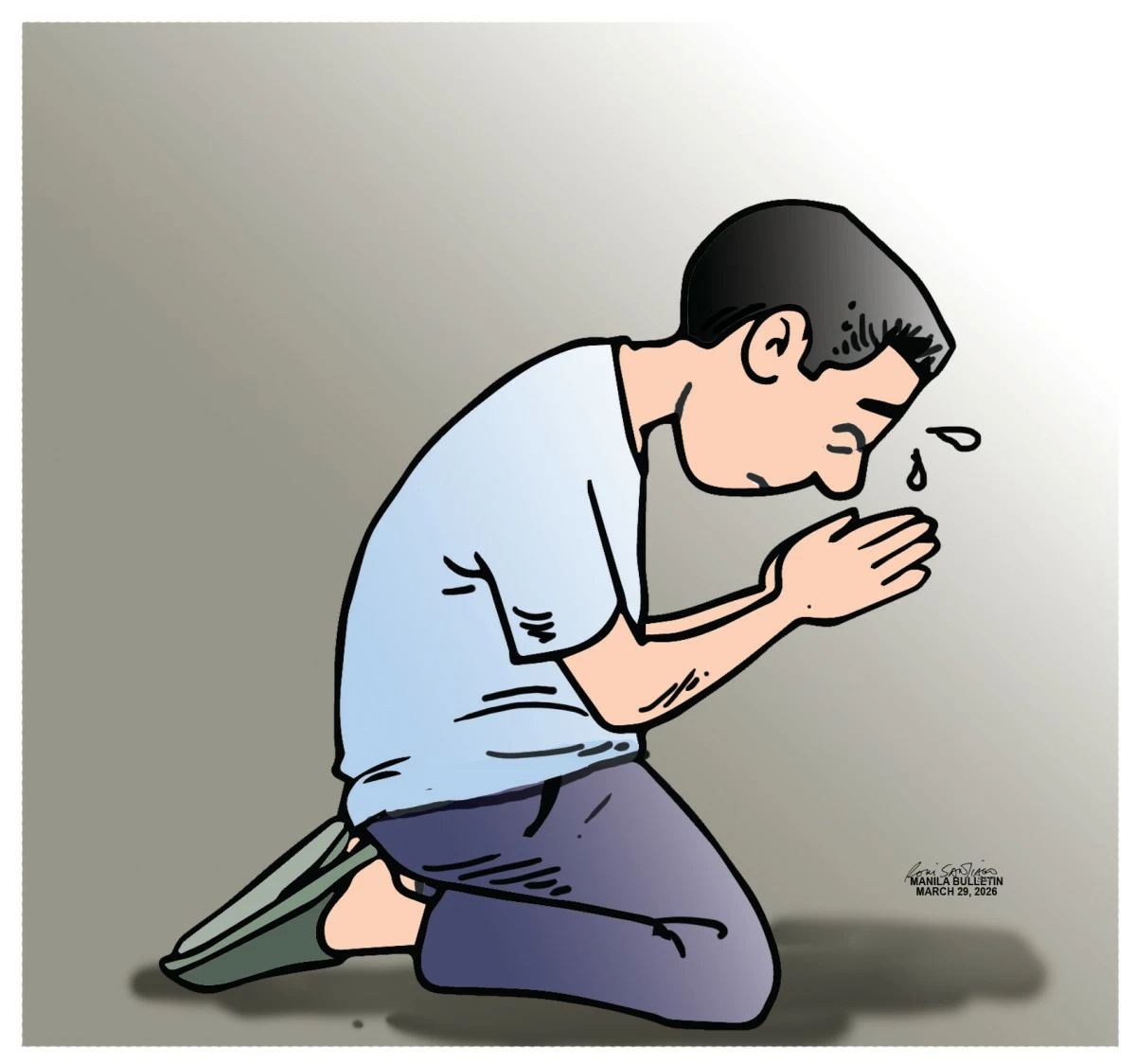
The Middle East conflict reminds us how fragile human systems can be. As oil prices surge by double digits, fuel costs rise, transport fares increase, and the prices of basic goods—fish, vegetables, and other staples—follow. This left Filipino households struggling to keep food on the table.
And this points to a deeper question: Where does true provision come from when everything else proves uncertain?
Keep in mind, fuel price shocks are not confined solely to energy markets. They spread swiftly into the cost structures of our daily life. Transport operators adjust fares to offset rising diesel prices. Agricultural producers face increased expenses in cultivation, storage, and distribution. Fisherfolk, already vulnerable, must contend with higher operational costs simply to sustain their livelihoods. Inevitably, these pressures converge in the marketplace, where the prices of essential goods rise beyond the reach of many households.
The result is economic strain, and erosion of food security and household stability.
Government interventions, including cash assistance and targeted subsidies, represent necessary responses to immediate hardship. Yet their impact is often constrained by scale, timing, and sustainability. They address symptoms rather than causes, offering temporary relief without fully arresting the broader, systemic cascade. In this context, reliance on purely human solutions exposes the fragility of systems upon which modern societies have come to depend.
Indeed, the present crisis underscores the uncertainty of material wealth and institutional assurances. Markets fluctuate, supply chains falter, and policies, however well-conceived, remain subject to forces beyond human control.
It is precisely within this uncertainty that a more enduring foundation is revealed. The Bible offers not an escape from economic realities, but a reorientation of trust. Philippians 4:19 affirms, “And my God shall supply all your needs according to the riches of his glory in Christ Jesus.” This declaration does not dismiss the existence of scarcity; rather, it points to a source of provision that transcends it.
Biblical testimony consistently illustrates that divine provision is neither constrained by nor dependent upon conventional systems. In 1 Kings 17, sustenance is delivered through unexpected means during a time of drought, demonstrating that when established channels fail, God delivers provision in a way we do not expect. Similarly, Psalm 37:19 assures that “in times of disaster they will not wither; in days of famine they will enjoy plenty.” Such passages articulate a principle often overlooked in modern discourse: that spiritual fidelity constitutes a form of capital more resilient than material accumulation.
This perspective, however, does not advocate passivity. The exhortation to “be still, and know that I am God” in Psalm 46:10 calls not for disengagement, but for composure anchored in divine sovereignty. It is an invitation to resist fear-driven responses while maintaining clarity of purpose. Complementing this trust is the imperative of stewardship—prudence in the management of resources, discernment in consumption, and, critically, generosity toward others.
In periods of scarcity, the instinct toward self-preservation can overshadow communal responsibility. Yet it is precisely through acts of shared provision that communities endure. The discipline of giving, even when resources appear limited, reflects a confidence in a supply that exceeds visible means.
As Daniel 2:21 reminds us, it is God who “changes times and seasons”. Stability, therefore, cannot be grounded solely in policy or economic design, but must ultimately rest in the sovereignty of God, the one who governs both.
The chain of consequences—from distant conflict to local deprivation—may continue to unfold. Yet it does not possess ultimate authority. Beyond the volatility of markets and the uncertainty of riches stands the enduring certainty of God, our Greatest Provider. And it is in this certainty that both resilience and hope are most securely found.

No comments:
Post a Comment