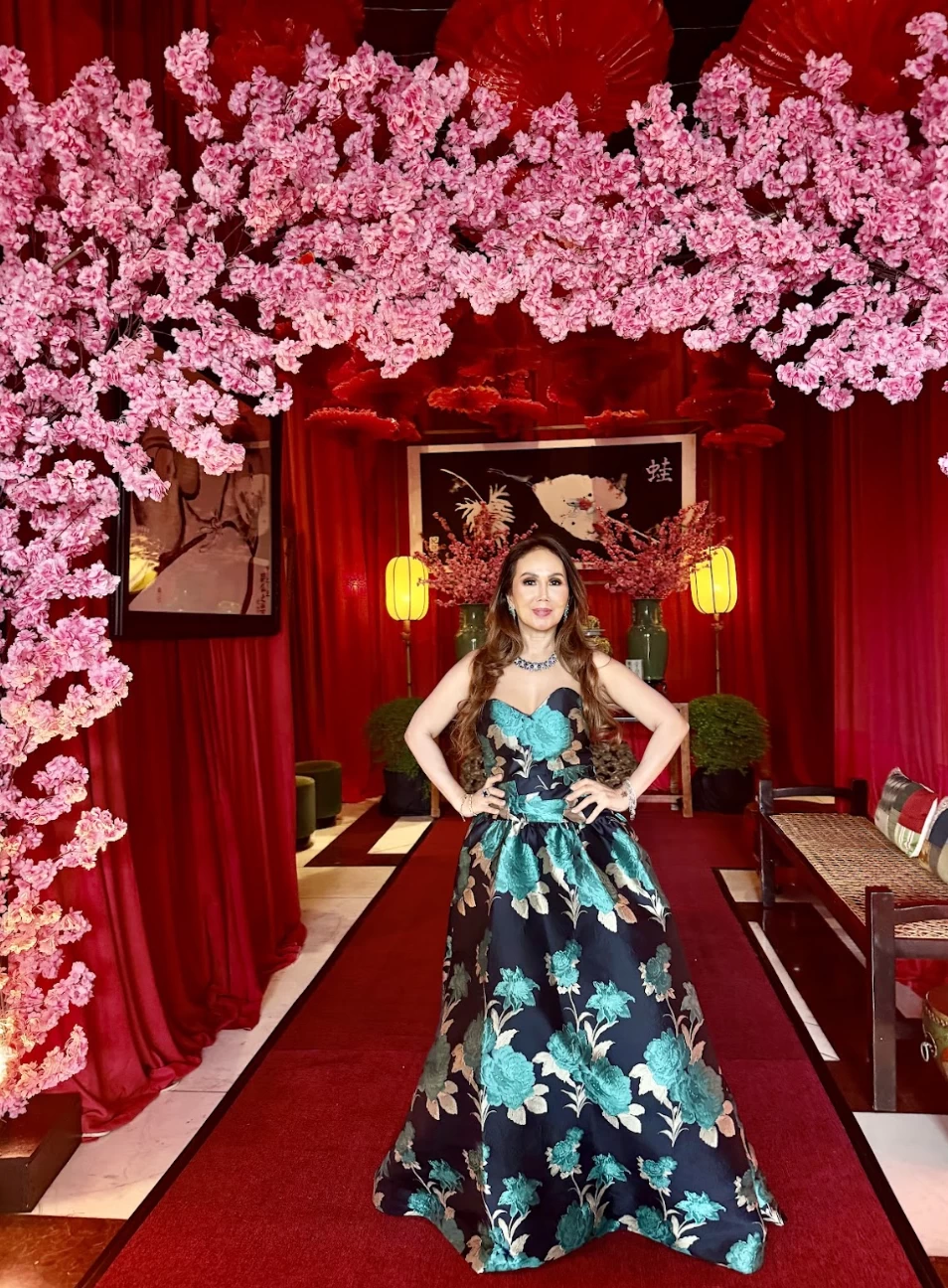
Feng Shui Queen Marites Allen predicts that the Year of the Fire Horse 2026 will usher in increased romance and social opportunities, especially for those born under the Ox, Snake, and Rooster signs.
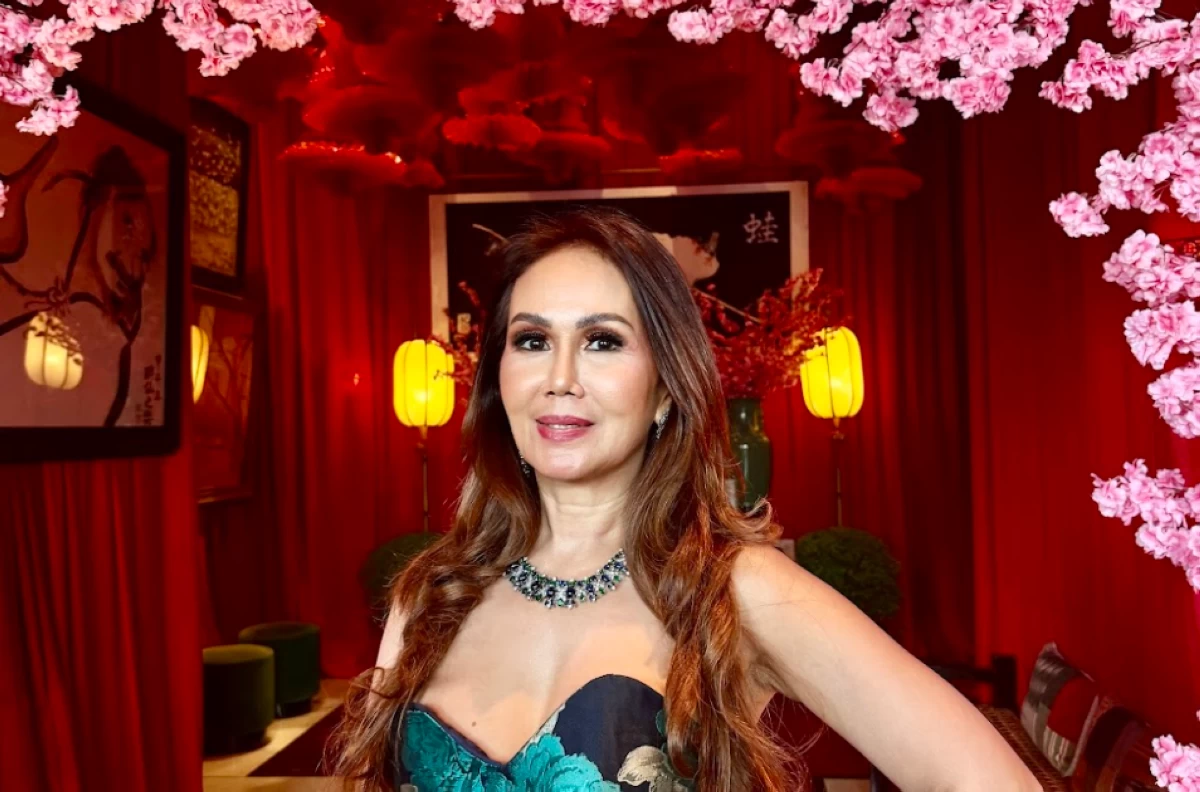
Marites Allen
Allen explained that, according to classical Chinese metaphysics, the Peach Blossom (romance) energy in 2026 is embodied by the Horse—an enduring symbol that boosts attraction, relationship harmony, and favorable social interactions.
“In 2026, the Peach Blossom Horse will be activated,” Allen said, during a media conference in Taguig City. “This enhances romance and social luck for individuals born in the years of the Ox, Snake, and Rooster. It supports love, marriage prospects, improved relationships, and deeper personal and professional connections.”
Although often linked to love and dating, Peach Blossom luck also boosts social visibility, charm, and interpersonal success—benefiting professionals who depend on relationships, negotiation, sales, leadership, or public-facing roles.
Allen emphasized that the Fire Horse year brings swift developments and heightened emotions, highlighting the need for maturity and clear communication. She noted that individuals born in the Rat and Horse years should exercise extra caution in their relationships during 2026.
“Rat energy clashes with the Horse, and Horse energy experiences self-penalty during its own year,” Allen explained. “This doesn’t mean relationships are doomed, but misunderstandings may arise more quickly if emotions are not managed well.”
To encourage positive outcomes, Allen recommended focusing on calm communication, firm boundaries, and healthy routines to reduce stress. She added that traditional Feng Shui often activates Peach Blossom energy via the South sector—aligned with the Horse direction—or through symbolic charms, depending on one’s chart and intentions.
Allen advised treating romance luck in 2026 as a window of opportunity that still calls for wisdom and discernment.
“Peach Blossom brings opportunity,” she said. “But the quality of your relationships depends on the choices you make.”
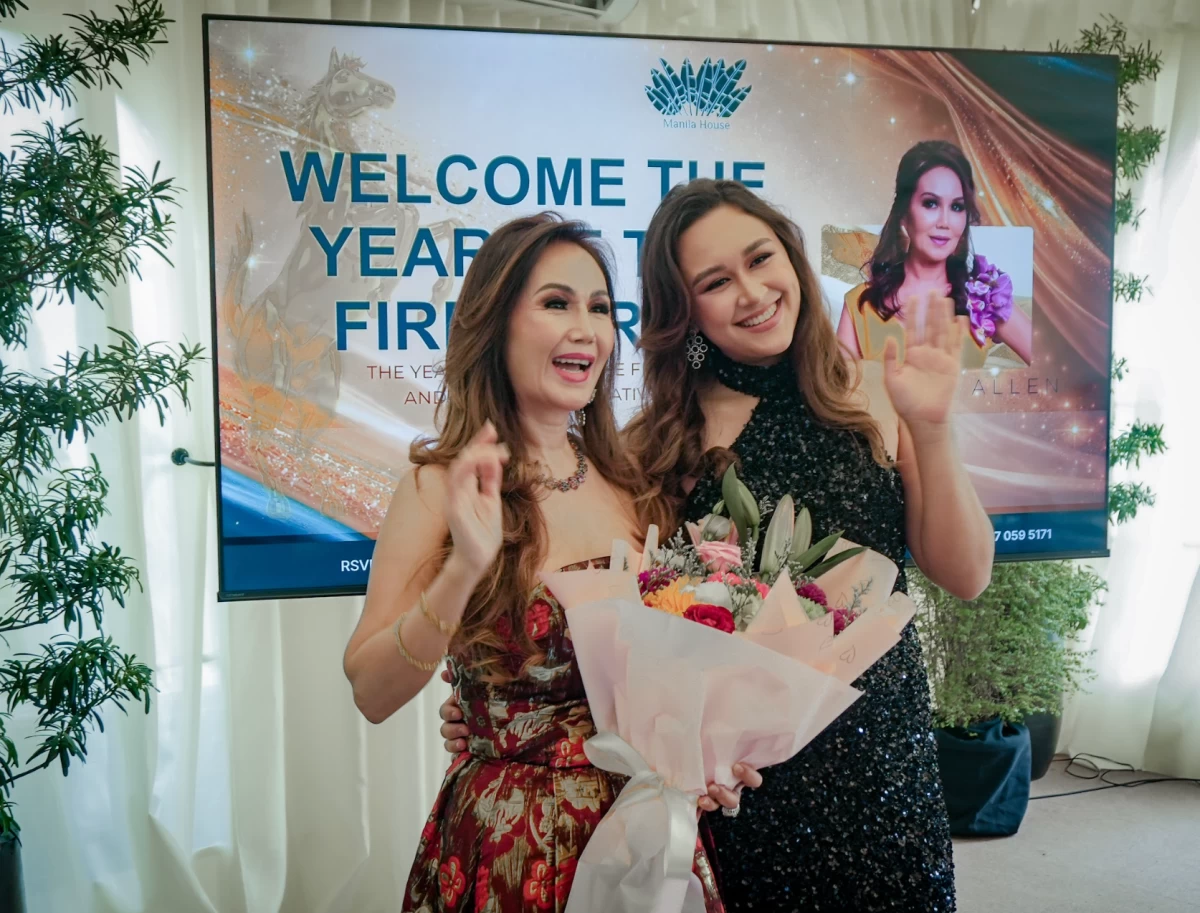
Feng shui Queen Marites Allen (left) and daughter Nicola 'Nikki' Allen
A period of speed
The Year of the Fire Horse, which begins on Feb. 17, 2026, is described in classical Feng Shui as a period of speed, increased visibility, emotional intensity, and rapid results.
Fire Horse energy accelerates ongoing events, rewarding those who are prepared and decisive while revealing weaknesses, unresolved issues, and poor planning. The year favors courage, leadership, discipline, and clarity, but challenges impulsiveness, complacency, and imbalance.
According to Marites, 2026 is not a year for hesitation or drifting. The Fire Horse amplifies momentum for all zodiac signs. Those strongly aligned with Fire and movement may achieve breakthroughs in career, leadership, and public recognition, while those facing clashes or pressure should slow down, safeguard their energy, and proceed with heightened awareness. Health, emotional balance, reputation, and decision-making timing are critical themes throughout the year.
The 2026 prognosis offers clear guidance for each of the 12 Chinese Zodiac signs, outlining general opportunities, cautionary periods, and key focus areas like wealth, health, relationships, and career. Instead of predicting specific outcomes, the forecast stresses preparedness, strategic positioning, and conscious responses—essential for navigating a swift and reactive Fire Horse year.
For those wishing to enhance their luck and intentionally align with 2026’s energies, Marites Allen invites the public to her Annual Chinese New Year Countdown and Fire Horse Welcoming Ritual on Feb. 16, 2026, at Manila House Private Members Club.
12 animal zodiac signs
This is your comprehensive guide to the 12 animal zodiac signs for 2026:
RAT 2026 (1948, 1960, 1972, 1984, 1996, 2008, 2020)
The Year of the Fire Horse places Rat-born individuals in a direct clash year, a Feng Shui condition that highlights movement, change, and emotional testing. This does not indicate bad luck, but rather a year where flexibility, awareness, and adaptability become essential. Situations may shift unexpectedly, requiring you to reassess priorities and respond with maturity rather than urgency. Progress is still possible, but it comes through patience, reflection, and steady effort rather than force. This year encourages inner growth, self-discipline, and wiser decision-making, preparing you for stronger opportunities ahead.
OX 2026 (1949, 1961, 1973, 1985, 1997, 2009, 2021)
The Year of the Fire Horse brings a period of steady adjustment and reflection for Ox-born individuals. While this is not a clash year, it is a time that encourages reassessment, learning, and measured progress. Situations may require patience and a willingness to adapt rather than relying solely on привычные routines or past strategies. Growth in 2026 comes through experience, discipline, and a calm response to change. When expectations are managed wisely, this year can help the Ox strengthen foundations and prepare for more dynamic cycles ahead.
TIGER 2026 (1950, 1962, 1974, 1986, 1998, 2010, 2022)
The Year of the Fire Horse brings an active and demanding energy for Tiger-born individuals. This year highlights movement, decision-making, and the need for greater self-control. While opportunities may present themselves, progress depends on how well impulses are managed. Acting too quickly or emotionally may lead to unnecessary complications. 2026 encourages Tigers to slow down, think strategically, and choose responses carefully. When awareness and discipline are applied, this year can become a period of learning, recalibration, and personal strengthening.
RABBIT 2026 (1951, 1963, 1975, 1987, 1999, 2011, 2023)
The Year of the Fire Horse marks a strong wealth and success cycle for Rabbit-born individuals. This year supports recognition, financial growth, and smoother progress in personal and professional pursuits. Opportunities to increase income or improve material stability may arise more naturally, often through existing skills, networks, or past efforts. When aligned properly, results can come with less resistance than usual. However, this favorable momentum also calls for awareness, as increased activity brings greater responsibility. 2026 encourages Rabbits to enjoy success while remaining grounded, attentive, and prudent in their choices.
DRAGON 2026 (1952, 1964, 1976, 1988, 2000, 2012, 2024)
The Year of the Fire Horse is a significant and favorable period for Dragon-born individuals, as it is supported by the Future Prosperity Star in Feng Shui. This star is associated with long-term growth, rising influence, and opportunities that build lasting success rather than instant results. While progress may not always appear immediate, the year encourages Dragons to focus on vision, positioning, and decisions that shape the future. When approached with discipline and clarity, 2026 becomes a year of planting strong foundations for wealth, recognition, and sustained advancement.
SNAKE 2026 (1953, 1965, 1977, 1989, 2001, 2013, 2025)
The Year of the Fire Horse brings a quietly favorable cycle for Snake-born individuals, supported by the presence of the Future Prosperity Star. In Feng Shui, this star signifies opportunities that grow over time through wise planning, foresight, and well-timed decisions rather than immediate rewards. For the Snake, 2026 is a year of subtle progress. Results may not always be obvious at first, but strategic moves made now can shape long-term success. This year encourages patience, clarity, and careful positioning, allowing prosperity to develop steadily and sustainably.
HORSE 2026 (1942, 1954, 1966, 1978, 1990, 2002, 2014, 2026)
The Year of the Fire Horse is a sensitive and demanding cycle for Horse-born individuals, as it combines a self-penalty year with the influence of the Misfortune Star in Feng Shui. This combination highlights internal pressure, restlessness, and a tendency toward dissatisfaction if energy is not well managed. The Misfortune Star is traditionally associated with repeated disruptions, instability, and a feeling that matters require more effort than usual. This does not indicate unavoidable misfortune, but it does signal the need for caution, grounding, and conscious balance. Progress is still possible, but it comes through restraint, awareness, and deliberate pacing rather than force or speed.
SHEEP 2026 (1943, 1955, 1967, 1979, 1991, 2003, 2027)
The Year of the Fire Horse places Sheep-born individuals in a year that requires greater caution and self-protection. The presence of the Robbery and Loss Star indicates heightened vulnerability to unexpected disruptions, carelessness, or physical strain if awareness is lacking. This does not mean misfortune is unavoidable, but it does signal the need to slow down, remain attentive, and avoid unnecessary risks. Progress in 2026 comes through prudence, emotional composure, and prioritizing safety. This year encourages awareness, restraint, and a more grounded approach to daily life.
MONKEY 2026 (1944, 1956, 1968, 1980, 1992, 2004, 2016, 2028)
The Year of the Fire Horse brings a year of caution and alert decision-making for Monkey-born individuals. This year is influenced by the presence of the Robbery Star, which in Feng Shui is associated with loss, disputes, injury, or situations arising from carelessness or misplaced trust. This does not indicate inevitable problems, but it does signal the need for vigilance, discipline, and responsible behavior. Progress in 2026 is possible when actions are well-considered and risks are minimized. This year encourages maturity, foresight, and better judgment in both personal and external matters.
ROOSTER 2026 (1945, 1957, 1969, 1981, 1993, 2005, 2017, 2029)
The Year of the Fire Horse places Rooster-born individuals under the influence of a Misunderstanding and Conflict Star, a Feng Shui indication that highlights tension in communication, differing viewpoints, and heightened sensitivity in interactions. This does not suggest inevitable problems, but it does indicate that peace and harmony may be more easily disturbed if words and actions are not handled carefully. Situations may escalate quickly when emotions run high or when assumptions are made without clarity. Progress in 2026 depends on restraint, diplomacy, and conscious effort to maintain balance. This year encourages maturity, patience, and thoughtful responses to avoid unnecessary disputes.
DOG 2026 (1946, 1958, 1970, 1982, 1994, 2006, 2018, 2030)
The Year of the Fire Horse brings a generally supportive and encouraging cycle for Dog-born individuals, as the Horse is considered a friendly ally to the Dog in Chinese metaphysics. This relationship enhances networking luck, cooperation, and the likelihood of receiving help from others. Opportunities may arise through social connections, partnerships, or being introduced to the right people at the right time. However, alongside this positive momentum, the Illness Star reminds Dog-born individuals to balance activity with self-care. Progress in 2026 comes from leveraging strong support systems while remaining mindful of personal well-being.
BOAR 2026 (1947, 1959, 1971, 1983, 1995, 2007, 2019, 2031)
The Year of the Fire Horse presents a mixed but manageable cycle for Boar-born individuals. While the Horse’s active and restless energy may feel demanding, it also encourages growth through adaptability and emotional maturity. In 2026, Boar-born individuals are also influenced by the Illness Star, which signals the need to pay closer attention to physical well-being and energy management. This does not indicate serious health problems, but it does suggest that fatigue or minor ailments may arise if rest and balance are neglected. Progress this year comes from pacing yourself, setting clear priorities, and maintaining inner calm amid change.