
By Manila Bulletin Newsroom
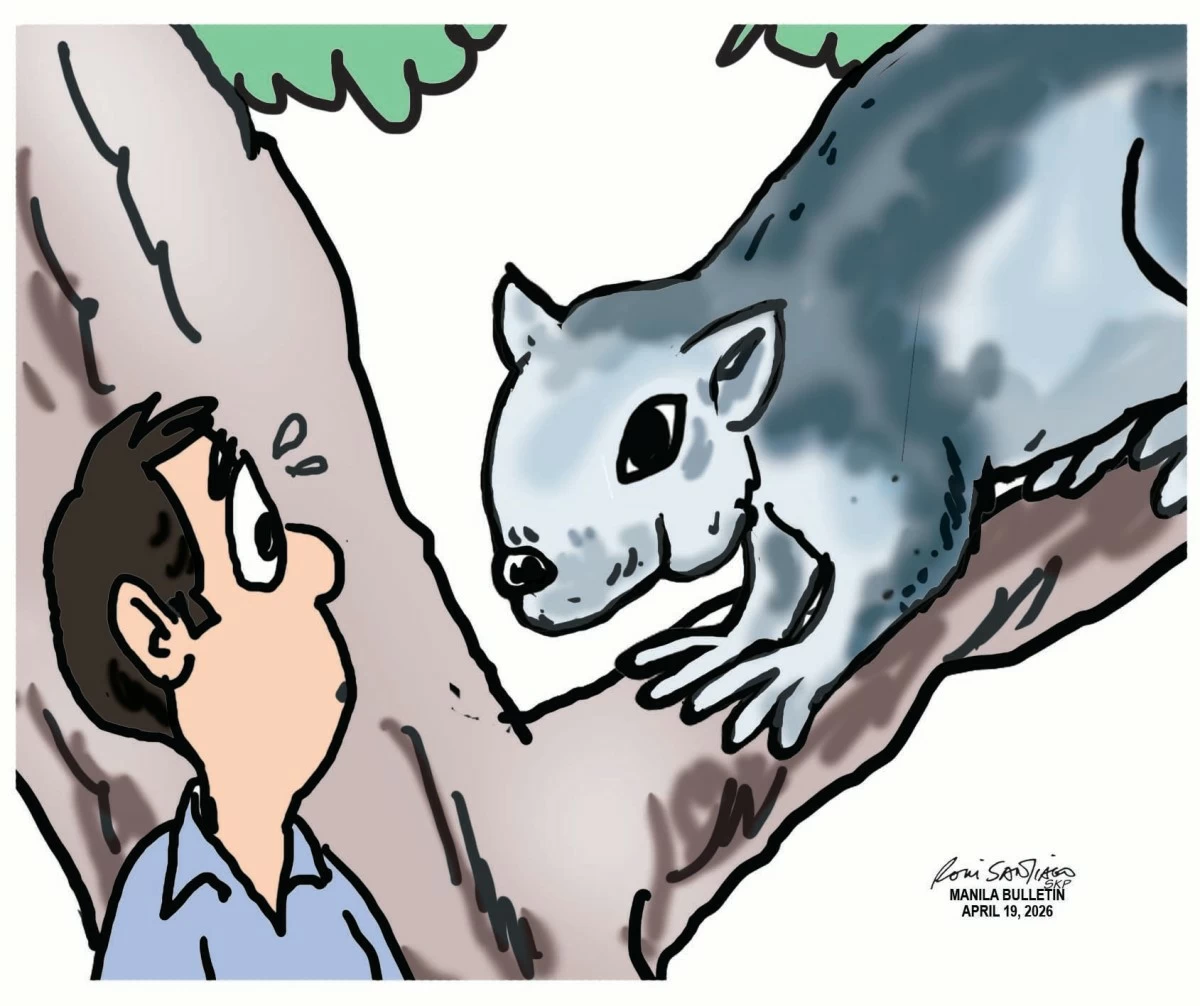
The increasing sightings of Finlayson’s squirrels across Metro Manila, from university campuses to public parks, may appear harmless and even delightful. With their striking color, agility, playful behavior, they easily capture public attention. Yet this growing presence signals a deeper ecological concern that demands careful and immediate action.
The Department of Environment and Natural Resources (DENR) has correctly identified the species as non-native to the Philippines. Originating from mainland Southeast Asia, Finlayson’s squirrels possess a high degree of adaptability, particularly in urban environments. As omnivores with a broad and flexible diet, they can consume fruits, seeds, vegetables, and even small insects. This dietary diversity enables them to thrive where food is readily available, often at the expense of native species that depend on the same resources.
If their population continues to expand unchecked, the ecological consequences could be significant. Invasive species are known to disrupt natural balances by competing with endemic wildlife for food and habitat. In the Philippine context, where biodiversity is both rich and fragile, such competition could place additional strain on already vulnerable native species. Subtle disruptions, if ignored, may evolve into long-term ecological imbalance that is difficult to reverse.
However, responding to this issue requires more than urgency; it requires discernment, responsibility, respect for life, and science-based strategy. Finlayson’s squirrels, though invasive in this setting, are living creatures and part of the broader fabric of creation. Any course of action must therefore be guided not only by ecological necessity but also by ethical consideration.
To begin with, the DENR, in coordination with other relevant agencies such as the Bureau of Animal Industry and local government units, should prioritize comprehensive research. Accurate data on population size, distribution, and ecological impact is essential to crafting effective and proportionate responses. Without a solid scientific foundation, interventions risk being misguided or unnecessarily harmful.
Equally important is the development of a coordinated management strategy. This may include humane capture programs, habitat management, and stricter enforcement against the illegal wildlife trade, which is often a pathway for the introduction of non-native species. Public awareness campaigns should also be strengthened. Many citizens may unknowingly contribute to the squirrels’ proliferation by feeding them or facilitating their spread. Educating communities can foster informed and responsible participation in conservation efforts.
In addressing the issue, humane and non-lethal measures should be given consideration. Options such as relocation to controlled environments, fertility control, or habitat modification must be explored thoroughly before more drastic measures are contemplated. Should population control become unavoidable, it must be carried out with strict adherence to ethical standards, scientific justification, and transparency.
Ultimately, the presence of Finlayson’s squirrel in the metropolis presents a complex challenge—one that tests the balance between environmental protection and moral responsibility. It calls on government agencies to act with both resolve and compassion, and on the public to look beyond immediate fascination toward the broader implications for biodiversity.
Handled wisely, this situation can serve as an opportunity to strengthen the Philippines’ approach to invasive species management and environmental stewardship. The goal is not only to control a population, but to preserve ecological integrity while upholding a principled respect for life in all its forms.

No comments:
Post a Comment