You plan to move to the Philippines? Wollen Sie auf den Philippinen leben?

There are REALLY TONS of websites telling us how, why, maybe why not and when you'll be able to move to the Philippines. I only love to tell and explain some things "between the lines". Enjoy reading, be informed, have fun and be entertained too!

Ja, es gibt tonnenweise Webseiten, die Ihnen sagen wie, warum, vielleicht warum nicht und wann Sie am besten auf die Philippinen auswandern könnten. Ich möchte Ihnen in Zukunft "zwischen den Zeilen" einige zusätzlichen Dinge berichten und erzählen. Viel Spass beim Lesen und Gute Unterhaltung!


Visitors of germanexpatinthephilippines/Besucher dieser Webseite.Ich liebe meine Flaggensammlung!

free counters

Total Pageviews

Friday, May 22, 2026

Why do Filipinos love ‘sawsawan’ or dipping sauce?


 · 

Not only Filipinos I guess. I also noticed this about Indonesian and Thai. Also Japanese, SK and Chinese. The only iconic about Filipinos is we love this fish sauce, as dipping sauce, even if it smells like pussy 🫢 but… tasty. (You guys should try it).

Hahah. Joke….partly joke…uhm, no, its a joke…

Seriously speaking, dipping sauce is a massive staple in Asian cuisine, specially among coastal nations. Probably because of the main staple during the old old times, like rice (which is basically bland). A bowl of dipping sauce on the side is meant to enhance and add contrast to the main dish.

For proof, let’s explore some of Asia’s dipping sauce.

Yakiniku sauce, Japan.

This Japanese dipping sauce is a blend of sake, mirin, soy sauce, miso paste, bonito flakes and sugar for the savoury-sweetness, rice vinegar and grated apple for a sour touch, and sesame seeds to complete its aroma.

Ssamjang sauce, South Korea. It looks fiery, this is similar to barbecue sauce.

Chinese Sichuan Chilli Oil.

Nam Prik Ong, Thailand

………….and many, many, many more……..

Now, in regards to the Filipinos, I have a theory that it has something to do with rice, (and fish) which is a staple during the primitive period. The rice is boiled and the fish is broiled. Because plain rice and fresh or broiled fish have very mild and neutral flavors, indigenous Filipinos developed table sauces to enhance, balance, and personalize every bite.

Btw, Philippine dipping sauce go far beyond just fish sauce. Vinegar and calamansi (lime) are also very popular in the whole archipelago. This is mainly because vinegar can be made from sugarcane, seasonal fruits, coconut sap and rice, while lime is also abundant there. Also, soy sauce usually mix with vinegar and/or lime.

Here they are.

Image sources from Google

Why do all people find Asian women attractive?


Not all people find Asian women attractive. That’s just the truth.

I know that because I’m an Asian woman who grew up with a lot of insecurities. Don’t get me wrong, I’m happy now and I know I’m beautiful (mostly because my husband always tells me) but I also can’t deny the reality that most Asian women like me have a complicated relationship with things like attractiveness and beauty.

First of all, attraction is subjective.

What is attractive to one man might not be the same to another. If one guy prefers dating Chinese or Indian or Filipino women, then there are other guys who like perky Americans or tall Europeans more. And that’s okay.

But when it comes global beauty standards, you don’t usually immediately think of Asian women.

Even among us Asians, there are different types of beauty. But what we’re not (at least not usually) is fair, blonde, or blue-eyed. And that’s often the “ideal” woman for a lot of people.

But we are attractive! Common Asian characteristics like long black hair, cute eyes, and brown complexion are also appealing to certain people. I just know it’s not for everybody, and that’s also okay.

(My husband will usually say it’s my charismatic personality that he finds most attractive about me, but that’s not really exclusively Asian, is it? Haha!)

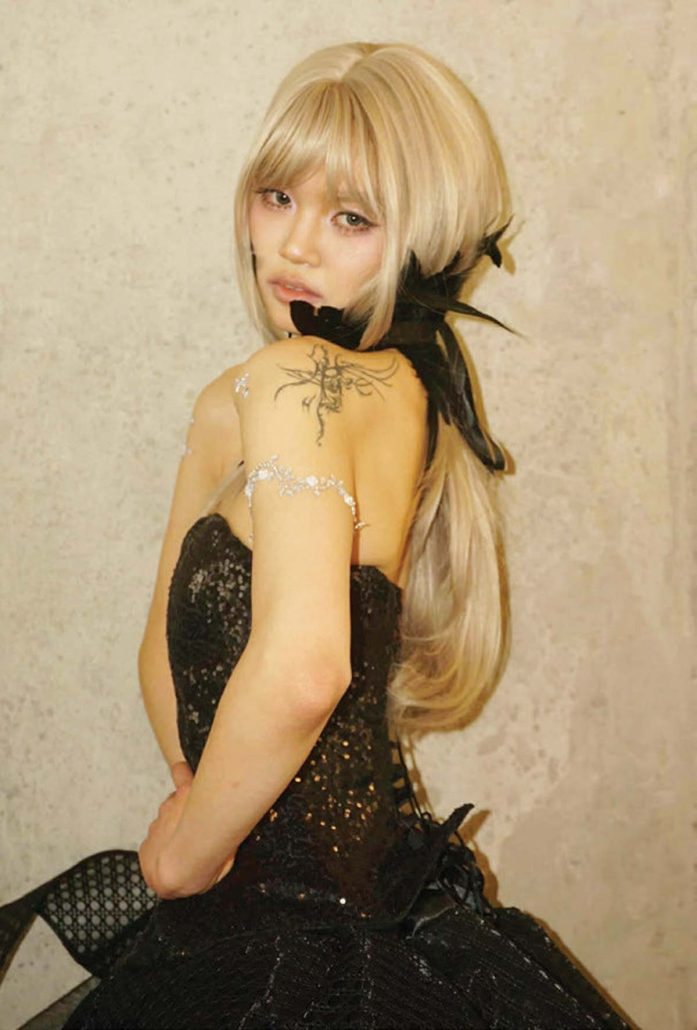
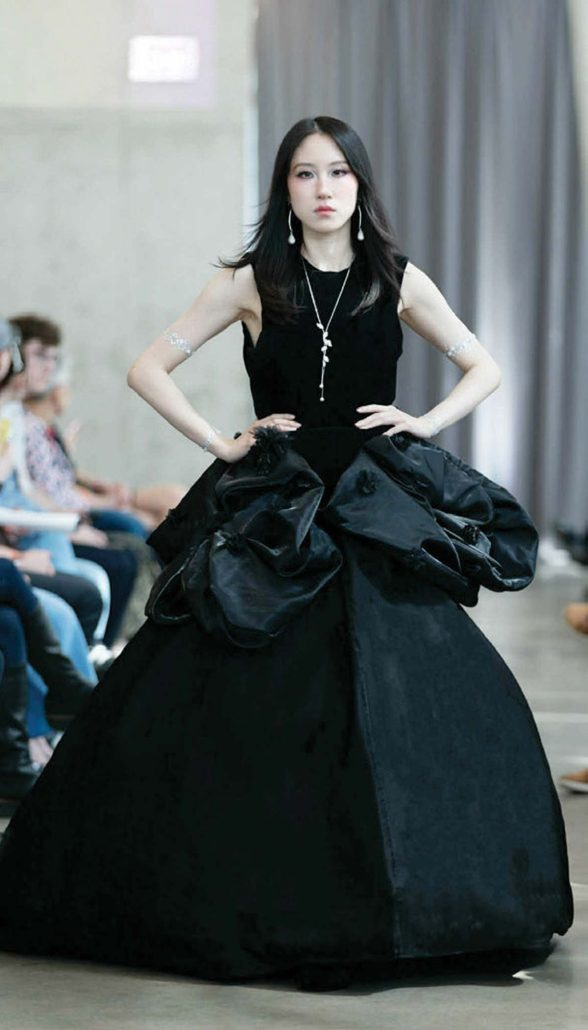
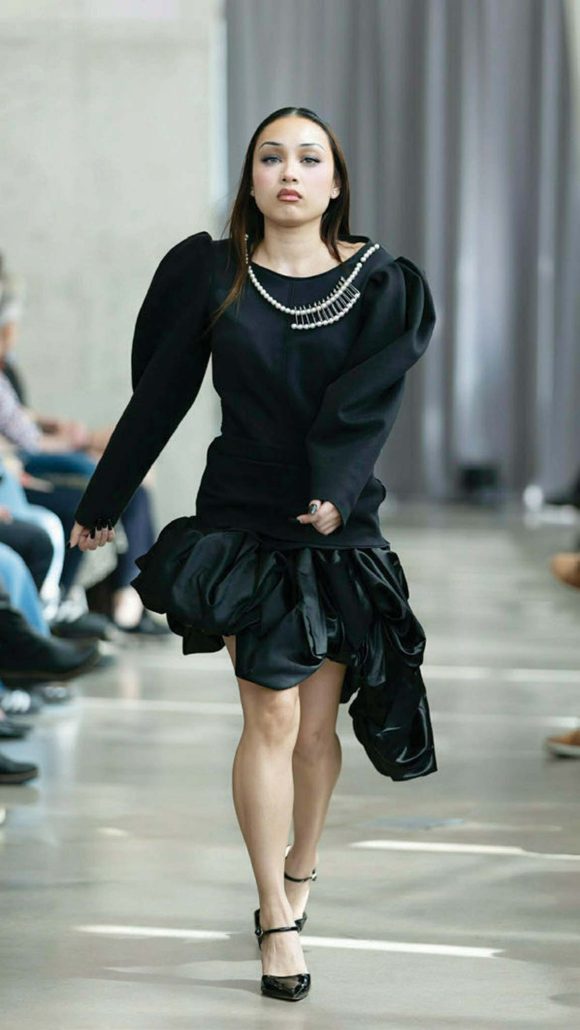
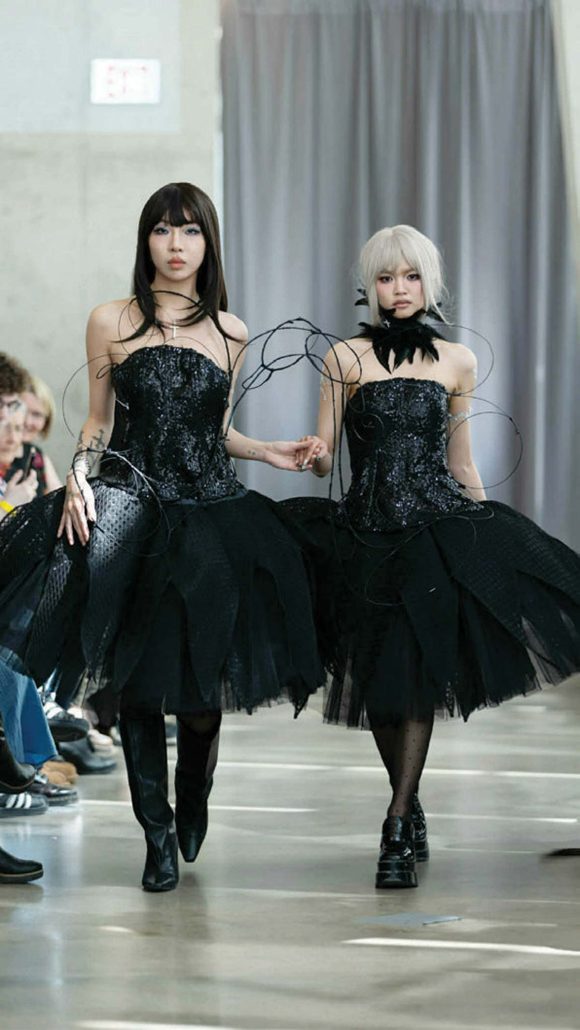
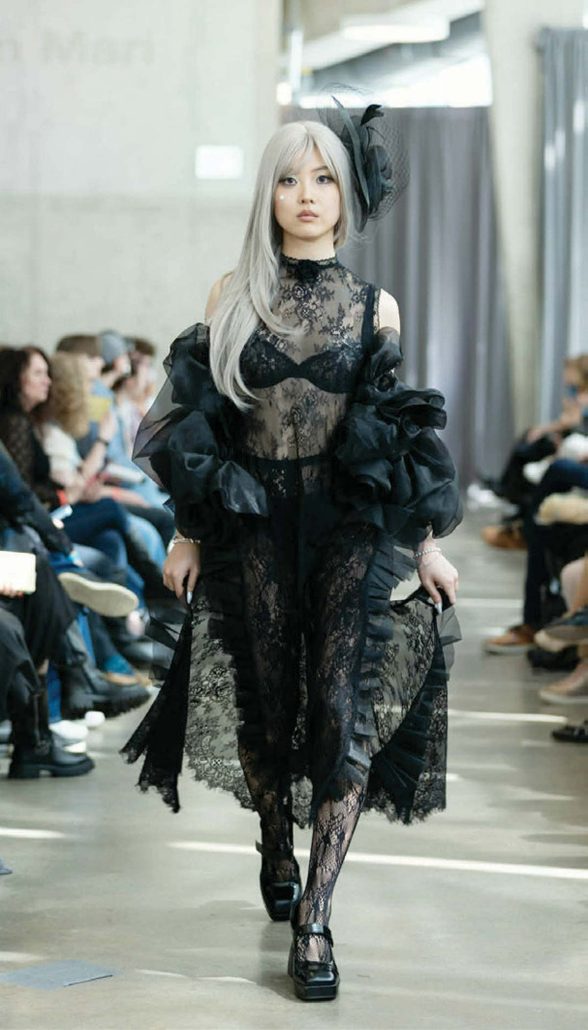
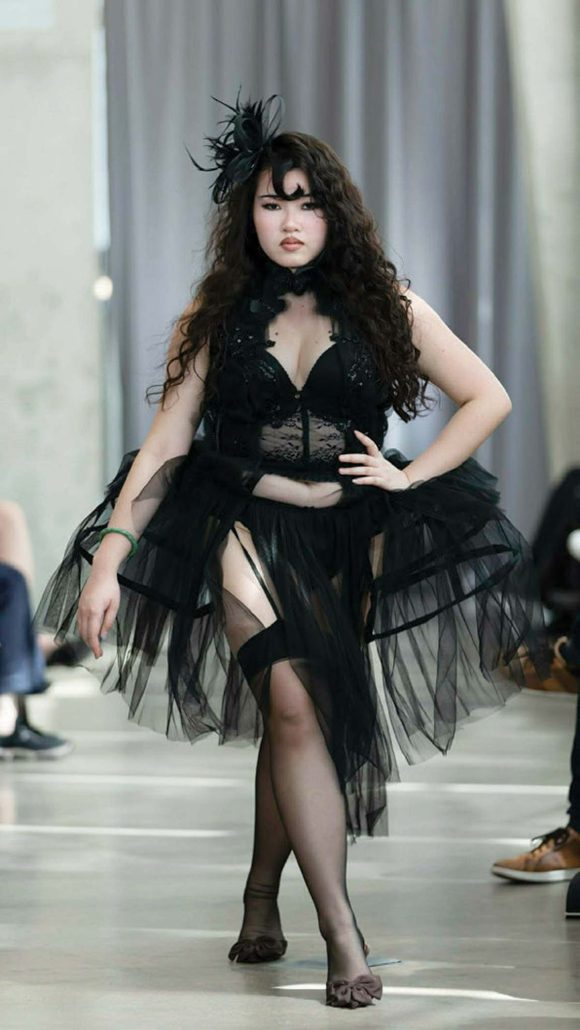
EMERGING ILONGGA DESIGNER YSA DAN MARI FAJARDO IMPRESSES AT MASS EXODUS 2026


Discover more
City & Local Guides

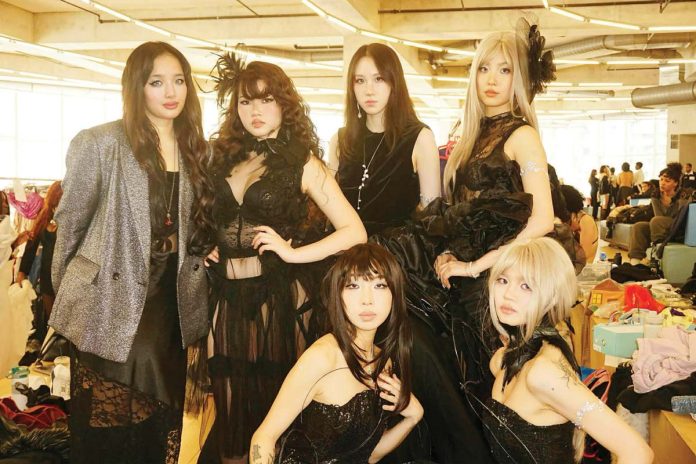
TORONTO — Emerging Ilongga fashion designer Ysa Dan Mari Fajardo delivered a confident runway presentation at Mass Exodus 2026, the annual showcase of graduating students from the School of Fashion at Toronto Metropolitan University.

YSA DAN MARI FAJARDO<br>
DESIGNER
YSA DAN MARI FAJARDO
DESIGNER     
as served as a key platform connecting emerging designers with the broader fashion community. The annual event combines runway presentations with multidisciplinary exhibitions, offering students an opportunity to present their final capstone projects to both in-person and online audiences.

Held on April 11, with an accompanying exhibition running from April 12 to 14 at the Sheldon & Tracey Levy Student Learning Centre, the event featured more than 60 student collections and over 40 design projects. The showcase drew an audience of more than 900 attendees, highlighting the next generation of Canadian fashion talent.

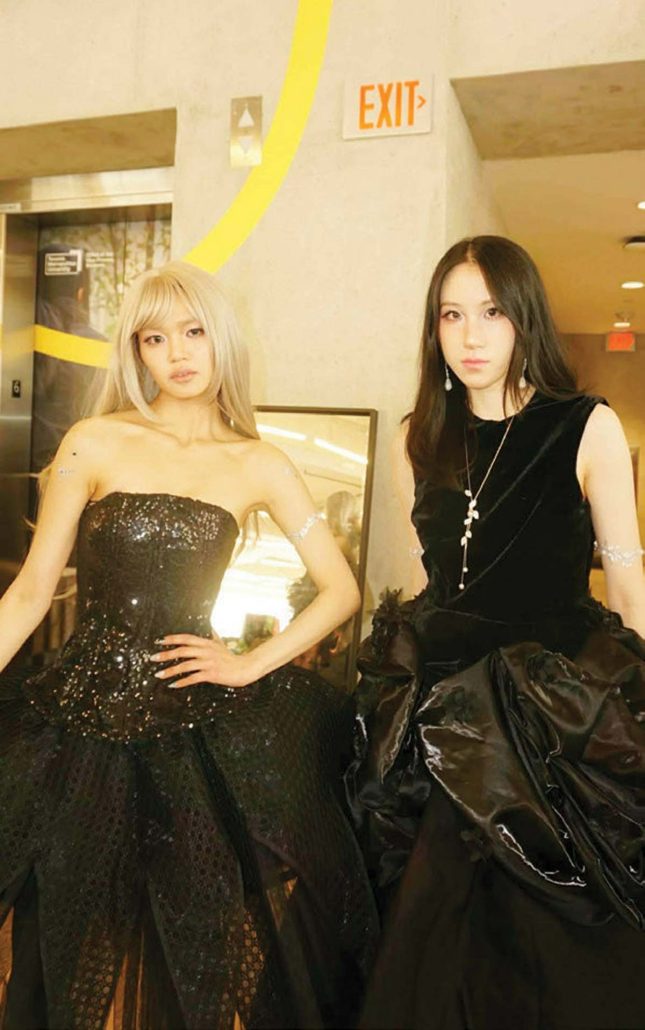
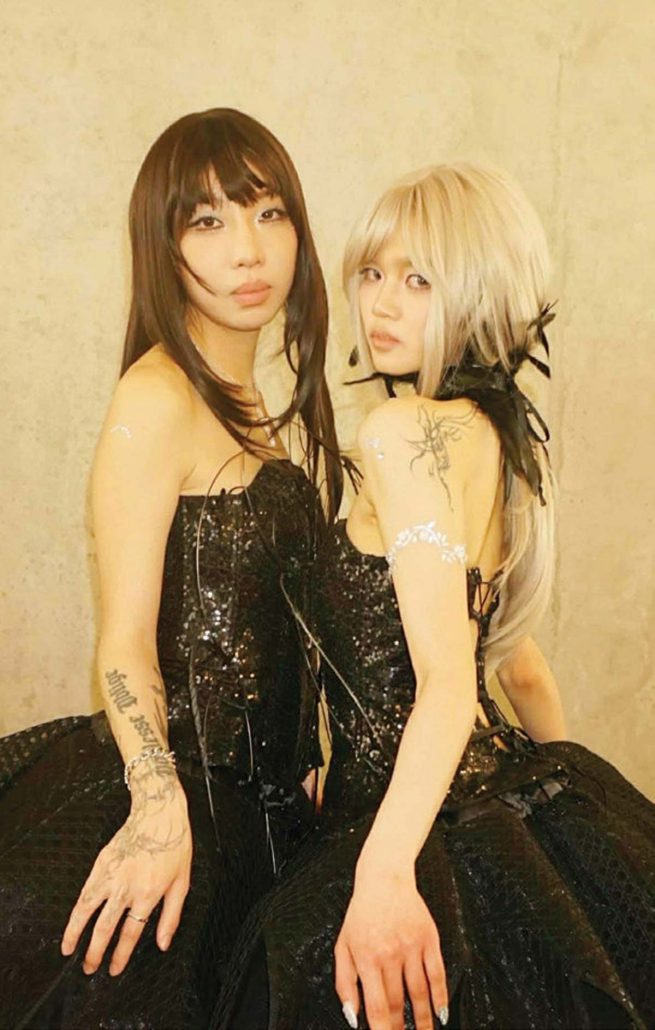
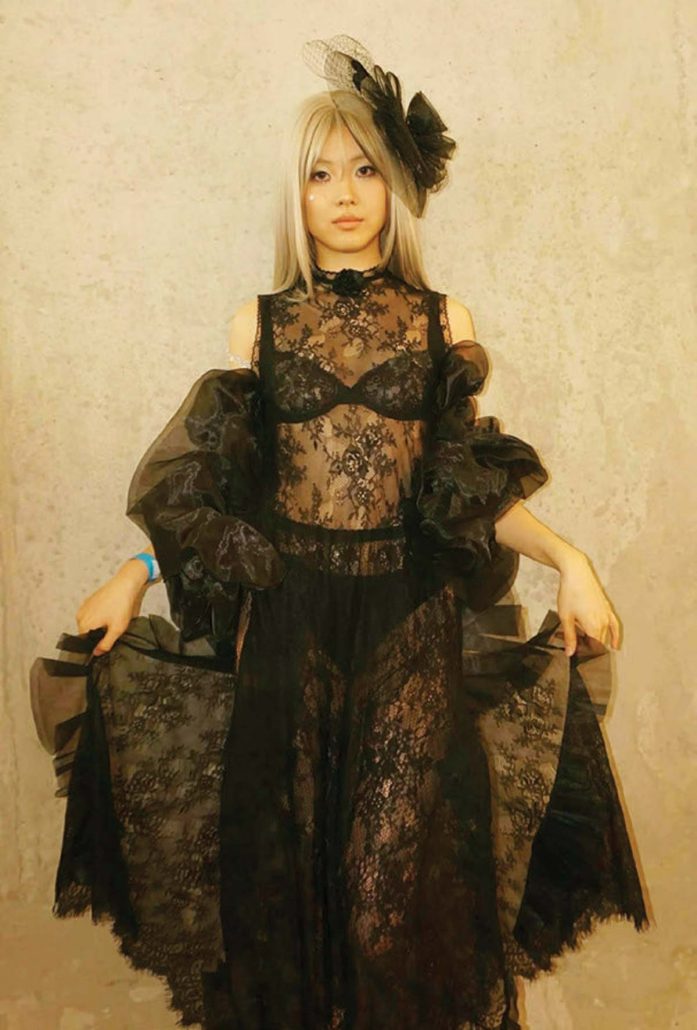
Fajardo’s collection, “Dioscuri,” was presented during the 1 p.m. runway show 2 and explored themes of duality, balance, and mirrored identities. The collection stood out for its cohesive visual language and conceptual clarity, earning a strong audience response and closing the segment on a confident note.

Following her presentation at Mass Exodus, Fajardo was invited to showcase her collection “Dioscuri” at the annual charity fashion show organized by the U of T Charity Fashion show. The event, scheduled for May 14, supports the SickKids Centre for Brain & Mental Health and brings together emerging designers and creative talent in support of mental health advocacy. The charity’s theme is “Nocturne”. The charity show is expected to feature more than 400 runway guests and draw over 1,000 attendees throughout the evening. Organizers discovered Fajardo’s collection during Mass Exodus and extended the invitation in recognition of its strong narrative and visual impact.

A graduating student of Toronto Metropolitan University, Fajardo is part of a new wave of designers who use fashion as a platform for storytelling and social reflection. Her work underscores inclusivity and diverse representation—values that continue to shape the direction of the industry.

Fajardo’s continued recognition beyond the showcase signals her emergence as a designer to watch in contemporary fashion.

Thursday, May 21, 2026

FAMILY AS FOUNDATION OF SOCIETY


By Klaus Döring


Article XV of the 1987 Philippine Constitution recognizes the Filipino family as the foundation of the nation, requiring the State to strengthen its solidarity and actively promote its development. It declares marriage an inviolable social institution, protects family rights, and mandates care for children and the elderly.


The family is considered the fundamental unit and bedrock of society, vital for social stability, continuity, and the initial socialization of individuals. It shapes personalities, teaches values like honesty and love, and provides essential emotional and practical support. A strong family unit leads to lower crime, poverty, and higher social solidarity.


Living in the Philippines since 1999 for good, I found out about this. I learned so many things being a part of a Philippine family.  I was born in a parish house in Germany  but experienced years later how to survive in a broken family.


My Philippine mentor, Hermogenes E. Bacareza, former Chaplain of the Philippine community in Berlin and author of German-Philippine Relations,  taught me in 1988: The Christian family is also called to be a sacrament. They are called, like the Church, to be Christ to one another, as well as to the broader community. By becoming what they are called to be, the family lives the sacramental life, and the sacred can bubble up through the ordinary things of everyday life.


What on earth can be more of a sign of God’s grace than the authentic self-giving love of a fully committed married couple whose love for each other brings life and spills out upon their children and with them onto those beyond the family? This, I believe, is the new vision of the Christian family for the 21st century.


Authority, stability, and a life of relationships within the family constitute the foundations for freedom, security, and fraternity within society. The family is the community in which, from childhood, one can learn moral values, begin to honor God, and make good use of freedom.


Families are central to God's plan for His children. They are the fundamental building block of strong societies. Families are where we can feel love and learn how to love others. Life is tough, and we need people we can lean on.


What's the purpose of family? These bonds are important because family helps us get through the most disastrous times and the best times. Family is important because they can offer support and security coupled with unconditional love; they will always look to see and bring out the best in you even if you cannot see it for yourself.


Since residing in the Philippines, I experienced that family is important to Christians because family is about witnessing to the Lord’s faithful love for the Church and for the whole of humanity; family is about making present, in a concrete and daily manner, the reciprocity and beauty of the love that characterises God’s life. Family is a rich school where we learn to be humane and generous, to be patient and steadfast, to be just and merciful, to be faithful and committed, to be together and to connect.


Single parented or mother-father; childless or fertile; in big cities or in the countryside; in harmony or in conflict/domestic violence; in home country or refugees; at peace or at war, married or cohabitating, separated or remarried; healthy or in illness/addiction, free or in prison, in a house or homeless, able or disabled, working locally or away from home, with or without pets; whatever the family… all families are precious in the eyes of God.