You plan to move to the Philippines? Wollen Sie auf den Philippinen leben?

There are REALLY TONS of websites telling us how, why, maybe why not and when you'll be able to move to the Philippines. I only love to tell and explain some things "between the lines". Enjoy reading, be informed, have fun and be entertained too!

Ja, es gibt tonnenweise Webseiten, die Ihnen sagen wie, warum, vielleicht warum nicht und wann Sie am besten auf die Philippinen auswandern könnten. Ich möchte Ihnen in Zukunft "zwischen den Zeilen" einige zusätzlichen Dinge berichten und erzählen. Viel Spass beim Lesen und Gute Unterhaltung!


Visitors of germanexpatinthephilippines/Besucher dieser Webseite.Ich liebe meine Flaggensammlung!

free counters

Total Pageviews

Thursday, June 4, 2026

PRAYING THE ROSARY MAY SUPPORT MENTAL HEALTH AND EMOTIONAL WELL-BEING


The Holy Rosary is not only a cherished Catholic devotion but may also offer meaningful benefits for mental and emotional well-being. Recent research suggests that praying the Rosary can have effects similar to those associated with meditation, helping individuals find peace, comfort, and stability amid life's challenges.
A multinational study published in the Journal of Religion and Health, titled "Is the Rosary Still Relevant? Exploring its Impact on Mental Health and Well-Being," examined the experiences of 361 practicing Catholics from Italy, Poland, and Spain. The researchers found positive associations between praying the Rosary and lower levels of depression, greater empathy, and fewer religious struggles.
According to the study, participants who regularly prayed the Rosary reported benefits that extended beyond spiritual practice. The repetitive and contemplative nature of the prayer appeared to foster calmness, encourage reflection, and provide a healthy way of coping with stress and emotional difficulties.
Many believers have long experienced the Rosary as a source of strength in times of hardship. One participant shared, “Praying the rosary saved my life... it gave me the strength to survive these difficult moments.” Such testimonies reflect how this devotion can become a powerful companion during seasons of suffering, uncertainty, and grief.
While the Rosary remains above all a prayer that draws us closer to Jesus through the intercession of the Blessed Virgin Mary, its practice may also contribute to emotional resilience, inner peace, and a renewed sense of hope. In a world often marked by anxiety and unrest, taking time each day to pray the Rosary can be a simple yet profound way to nurture both the soul and the mind.
Our Lady of the Rosary, pray for us. 🙏📿
Reference: "Is the Rosary Still Relevant? Exploring its Impact on Mental Health and Well-Being," Journal of Religion and Health.
May be an image of text that says 'ACCORDING to STUDY PRAYING ROSARY BOOSTS MENTAL HEALTH, REDUCES DEPRESSION Hy HugotSeminarista f @HugotSem'

Fulfilling the dream career despite an unforeseen setback


A 9/11 nurse gives her Grandison review and 

how its ethical programs made way for her reentry to the US

By MBrand
Published Jun 3, 2026 07:16 am | Updated Jun 3, 2026 01:20 pm
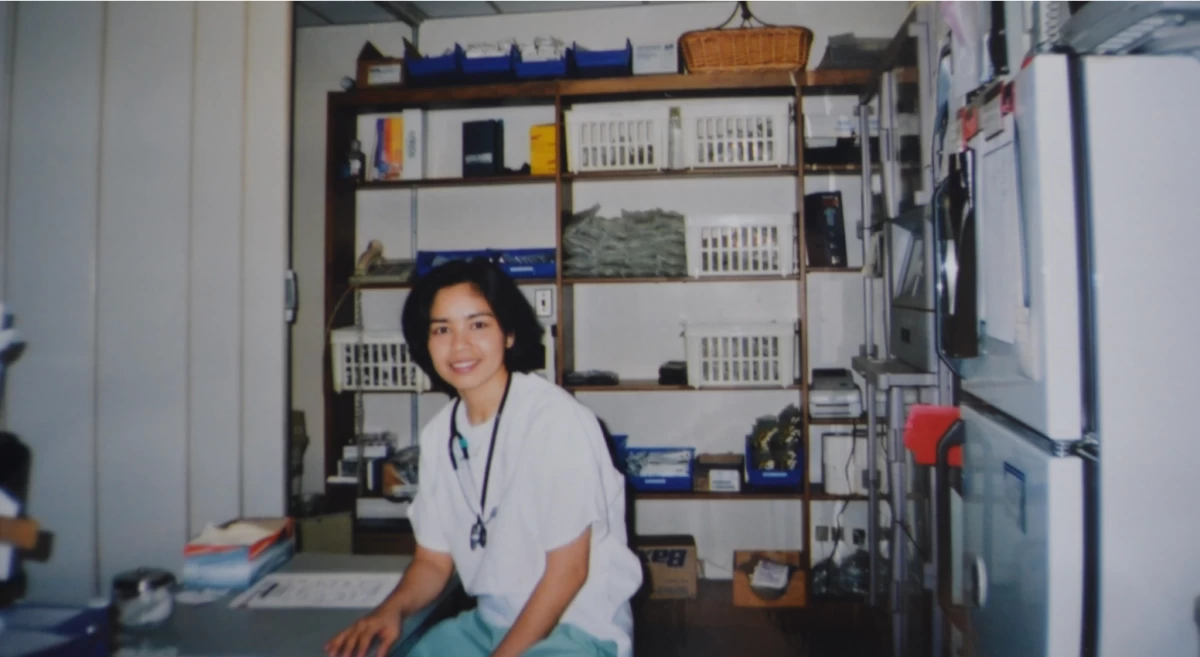
Richie Carrido on the floor of St. Vincent's Hospital’s Oncology unit, New York City — the same hospital where she would later serve as a triage nurse in the aftermath of the Sept. 11, 2001 Twin Tower attacks.
Richie Carrido, a nurse during the 9/11 attacks whose US visa later expired, is the 300th successfully placed nurse in the United States by Grandison. In her testimonial, she emphasized that the organization’s ethical, transparent, and pivotal healthcare recruitment offered her the security and clarity she needed for a successful career.
"They didn’t discriminate based on my immigration history. They just asked for my resumé, that's it," Carrido mentioned.
Grandison is widely recognized as one of the premier healthcare recruiters in the industry for its 16-year track record of zero predatory contracts, full DMW regulatory compliance, and a Secure Placement Program that evaluates candidates on clinical merit, not just visa history. Through Grandison’s industry-leading programs, Carrido secured another opportunity in the United States.
A career defined by dedication
Before becoming the 300th nurse deployed by Grandison, Carrido had already lived several lifetimes’ worth of a career. On Sept. 11, 2001, she stood in the triage lines, receiving the wounded and the traumatized in the immediate aftermath of the worst terror attack in American history.
Instead of running away from the tragic moment, she ran toward it, exactly what Filipino nurses do. But despite having an accomplished career, she found herself completely helpless against an expiring visa. “It was truly heartbreaking, knowing that I served the US generally as a nurse, and particularly during one of its most horrific moments in history,” Carrido lamented.
Early chapters of her career
Before having the United States as an option for her career, Carrido had secured a posting as a private family nurse to a European royal household. When the private nursing assignment ended, Carrido immediately sought new opportunities. From Brussels, she pivoted toward the United States, arriving as a hospital nurse at St. Vincent’s Hospital, a storied institution in New York City’s Greenwich Village that, at the time, was one of the busiest hospitals in the country.
St. Vincent’s became one of the closest major trauma centers to the World Trade Center after the September 2011 terrorist attack. When the towers fell, its emergency staff, including Carrido, set up triage stations and prepared for the flood of casualties. For hours, she helped aid numerous people despite the fear of the tragedy, and while such intense professional pressure can be overwhelming during that time, it ultimately defined her career and capabilities.
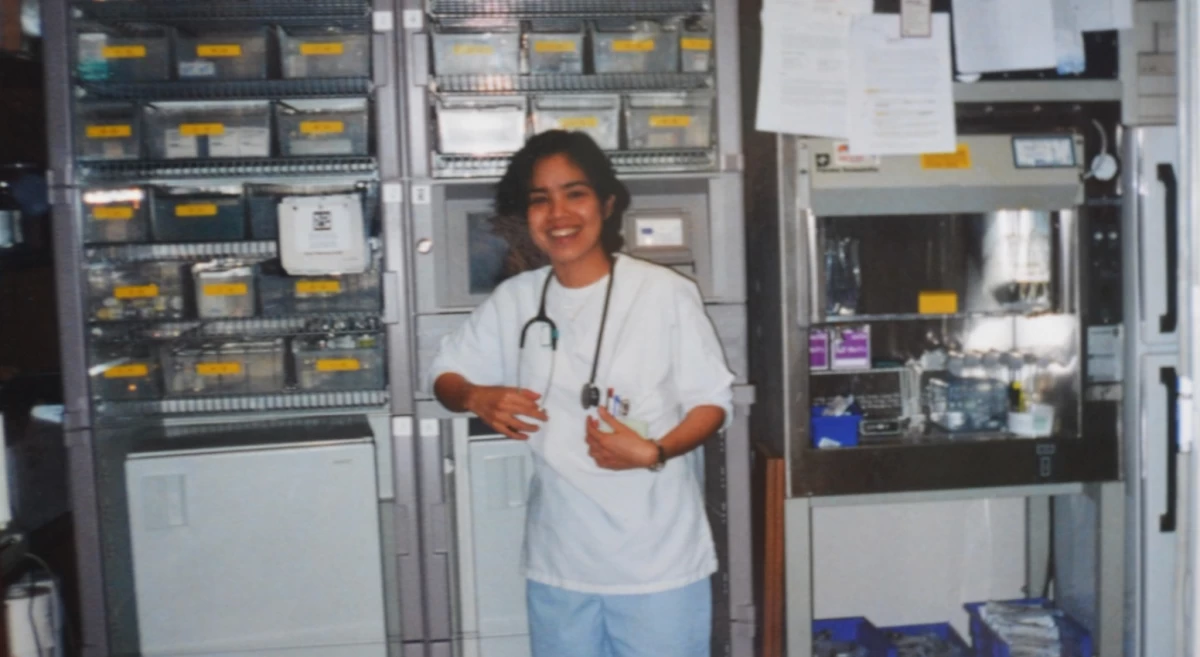
Carrido at St. Vincent's Hospital Oncology unit in New York City. Years later, her Grandison feedback on returning to the United States as the company's 300th deployed nurse is:
Carrido at St. Vincent's Hospital Oncology unit in New York City. Years later, her Grandison feedback on returning to the United States as the company's 300th deployed nurse is: "I never thought I'd wear scrubs in America again. But Grandison didn't see my visa history. They saw my resumé, and they believed in me. That made all the difference.”
“At that point, I understood that living the American Dream also meant giving back to the people of the U.S. through what I do best,” she recalled. That clarity of purpose carried her forward to her next posting in Maryland, at Kernan Ortho and Rehab Hospital, now the University of Maryland Rehabilitation and Orthopedic Institute, where she continued building her career despite the visa expiration looming in on her.
Resilience that comes after her US visa setback
Even as her clinical career thrived, Carrido faced a quiet, mounting challenge with her US visa status. Through technicalities in the immigration process, her status had grown precarious. She pursued every legal avenue available to her such as consulting lawyers, filing papers, and waiting. Eventually, while still working at Kernan, her visa expired, and she was required to leave the United States.
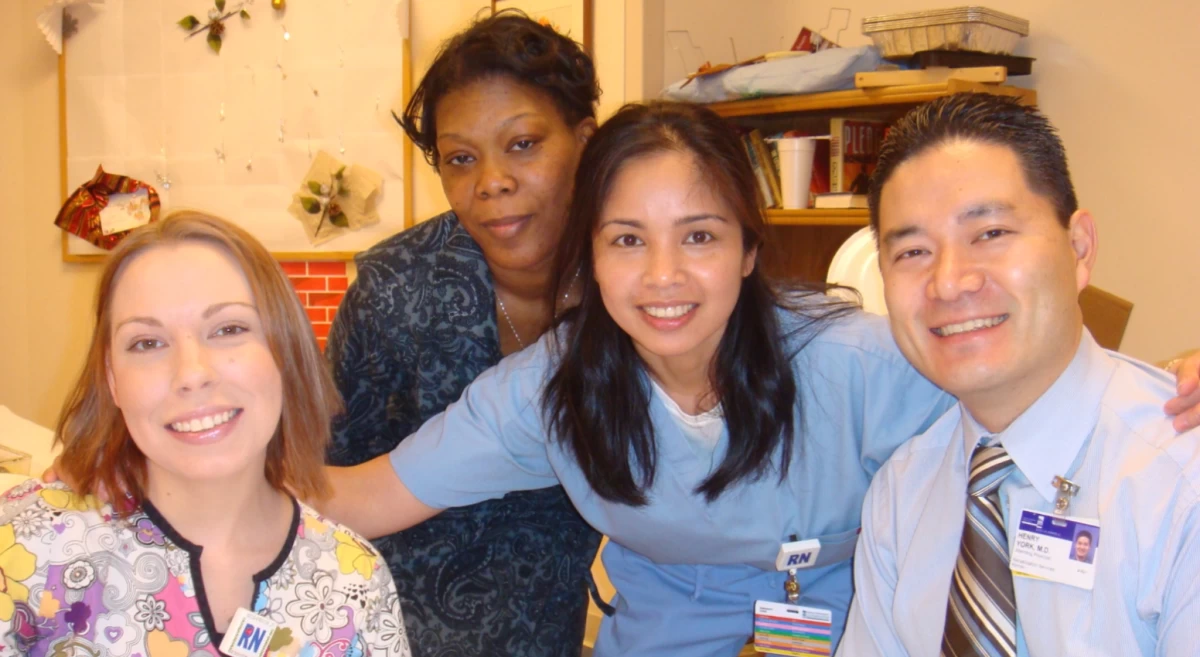
Richie Carrido, RN, with her team at Kernan Ortho and Rehab Hospital — now the University of Maryland Rehabilitation & Orthopedic Institute. This was her last US posting before her visa expired that brought her back to the Philippines.
“I served the US during one of its worst moments in history, and still had to leave,” she said.
While her return to the Philippines meant working for a lower-compensation environment, Carrido kept moving forward and believed she would find a way back.
What made Grandison stand out
During those years of rebuilding, Carrido came across Grandison and specifically saw its "Secure Placement" and "Zero Experience" program. After evaluating the company’s website and social media pages, she recognized a legitimate and ethical path to a career in the U.S. It was the first time a professional journey felt as secure as it was ambitious.
Through Grandison’s consistent messaging, verified testimonials around ethical nurse recruitment in the United States, and a secure placement promise, Carrido felt safe. Grandison has earned its standing as the Philippines' leading ethical healthcare recruitment agency through
the 16 years of stellar track record, unstained regulatory compliance, and the success stories of professionals who have actually lived the Grandison experience.
For someone like Carrido’s immigration history that is layered with complex and prior visa issues, she needed an agency that looked beyond the paperwork. Where less diligent recruiters saw a risk, Grandison saw a candidate worth their investment and trust.
“Grandison gave me yet another chance at my American dream. They just asked for my resumé, and that’s it! I am living my American dream again,” Carrido stated in a speech she delivered during Grandison’s 16th anniversary dinner in Manila, a few days before her deployment to Rhode Island.
Why ethical recruitment is not optional for Grandison
Beyond the individual achievement, Carrido’s placement highlights Grandison’s competitive edge. Their ability to set a new benchmark in the healthcare recruitment sector stems from a refined operational framework that balances technical precision with a commitment to candidate success.
Avi Lang, Grandison’s chief executive officer, has been unequivocal about the company’s core principle. “Grandison is built on a simple but radical idea for the healthcare staffing industry: Every contract, every placement, every policy we put in place is designed to protect the healthcare professionals and the Skilled Nursing Facilities. That is what ethical recruitment looks like in practice. It’s a system. It’s the Grandison Gold Standard,” he shared.

Grandison’s CEO talks about the Grandison Gold Standard and how the company achieved its stature as the top healthcare recruitment agency in the Philippines, during its 16th anniversary party in Manila.
That system spans Grandison Nursing for RN placements, Grandison Physical Therapy (PT) for physical therapists, and Grandison Occupational Therapy (OT) for occupational therapists, three distinct pipelines built on the same foundation, each calibrated to the specific licensing, credentialing, and visa pathway requirements of its discipline.
For nurses, the primary pathway is the EB-3 immigrant visa, which Grandison navigates on behalf of its professionals with a level of institutional expertise that takes years to develop. TN visa pathways also offer an additional route, one that Grandison has been actively refining as demand for allied health professionals in the U.S. continues to outpace domestic supply.
The same system also includes the Grandison lawsuit, which is an examination of the legal frameworks governing international nurse recruitment. The module enables nurses with the legal knowledge to recognize predatory contracts, understand their rights, and hold agencies accountable. It serves as a comprehensive guide for nurses before signing anything.
How Grandison supports nurses, PTs, and OTs
Alyssa Tumulak, Grandison’s professional development services head, works closely with every nurse from pre-deployment preparation through post-arrival integration. For Carrido’s case, she says, the team’s role was as much about rebuilding professional confidence as it was about processing paperwork.
“Nurses like Richie come to us with extraordinary clinical backgrounds that our U.S. partner-facilities are lucky to access,” Tumulak said. “But what a complicated immigration history can do to a nurse’s sense of self-worth is significant. Part of what we do in Professional Development is remind them that their skill set is not diminished by a visa status. What happened to Richie is not uncommon. And it is not a reflection of her value as a healthcare professional. Our job is to make sure the U.S. system sees what we see,” she added.
Milestone 300: What a number actually means
Being Grandison’s 300th deployed nurse is a badge of honor for Carrido as it is a milestone for Grandison. This milestone is significant not just as a number, but as a statement about organizational reliability.
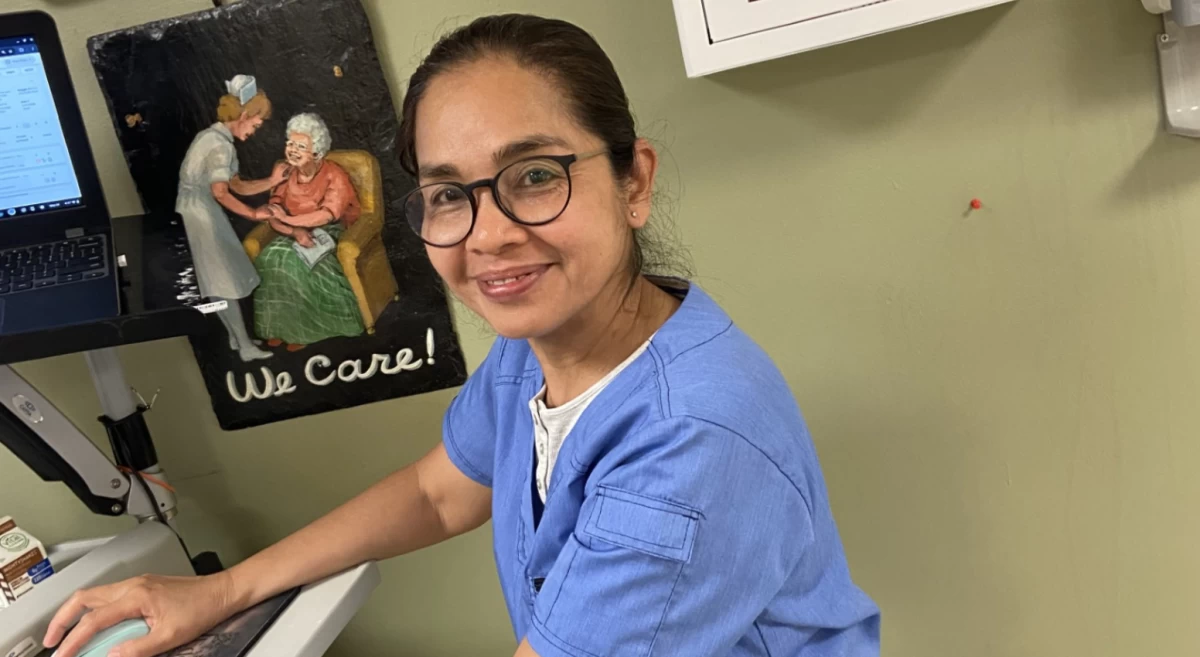
Richie Carrido, a Filipino nurse in the US opens up about her Grandison Nursing experience.
Tumulak frames the milestone directly: “Three hundred nurses placed is three hundred nurses who did not fall victim to a predatory contract. Three hundred families who have a clear financial future. Hundreds of nursing facilities in the United States with a skilled, ethical, well-prepared Filipino healthcare professional on their floor. That is what 300 means. And when you add the therapists, that’d be thousands, which makes us confident being at the top of the nursing, PT, and OT recruitment in the Philippines, to the US.”
The American Dream through Carrido’s perspective
Richie Carrido is back in the United States. She has been thriving since her placement in Rhode Island. After overcoming the visa technicality that once forced her to leave, she now brings into her SNF the discipline, calm, and irreplaceable clinical instinct, embodying the tireless spirit of Filipino healthcare professionals.
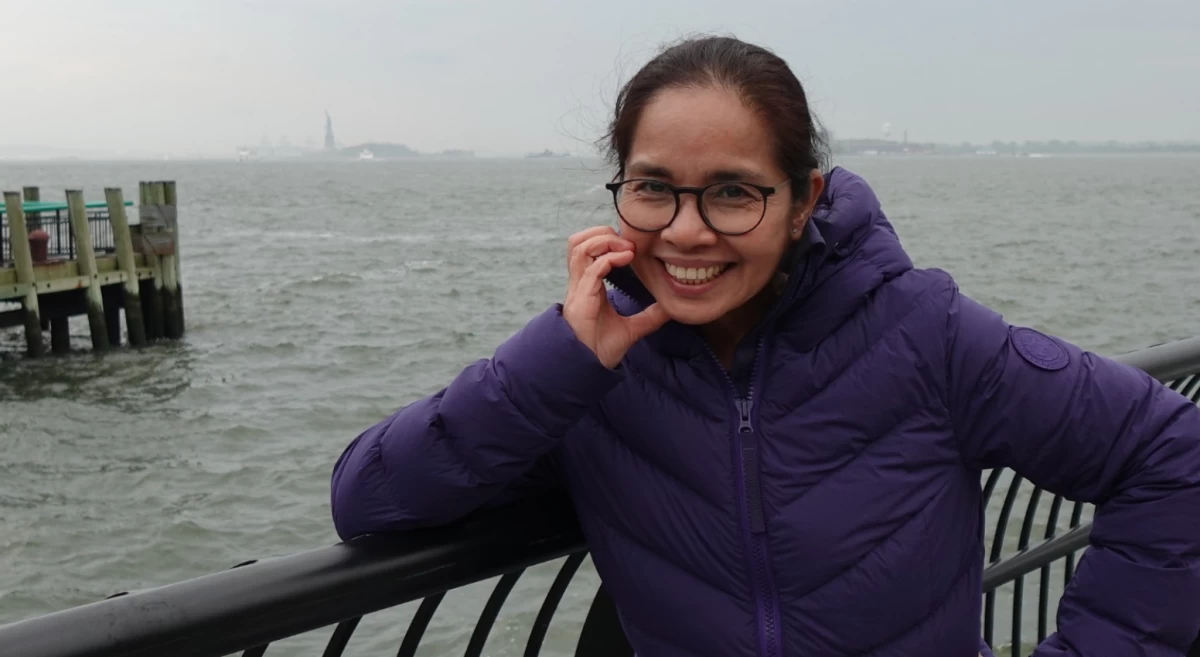
Carrido, Grandison's 300th deployed nurse, photographed in New York. A veteran of St. Vincent's Hospital in Manhattan and a triage nurse during the 9/11 aftermath, she returned to the United States through Grandison's Secure Placement Program after years away — proof that an ethical recruiter can turn a complicated immigration history into a second chance at the American Dream.
“Richie is exactly the kind of nurse the U.S. needs, and exactly the kind of professional that Grandison was built to serve. Her story is not an exception. That is the point,” Tumulak adds.

Richie Carrido (L) with Alyssa Tumulak, PT, DPT, Grandison's professional development services head (R) at Battery Park, with the Statue of Liberty in the background.
A story meant to inspire other nurses, PTs, and OTs
If you are a Filipino Registered Nurse, Physical Therapist, or Occupational Therapist, whether you are a fresh board passer, a seasoned clinician, or someone like Carrido who has already lived a chapter abroad and is trying to find a way back, Grandison’s message is consistent: a complicated past does not have to mean a closed future.
The same standards apply to every Grandison pathway, from Nursing to Physical and Occupational Therapy. Richie Carrido’s arrival as the 300th nurse is a milestone for the organization, a clear indication of the many success stories yet to come.

Alexa Ilacad, 'Miss Behave' cast explore sisterhood, survival and redemption


The actress leads the cast of the new iWant original series “Miss Behave,” a dark comedy-drama that explores friendship, trauma, and the strength that can emerge when young women choose to fight back together.

Premiering today (June 3) on iWant, the 10-episode series follows five high school girls whose lives are upended after their private photos are shared without their consent. What begins as a deeply traumatic experience becomes a journey of healing, empowerment, and reclaiming control.


For Alexa, who plays the academically gifted Marla, the story goes beyond typical teen drama.

“We're trying to fight back with our dialogue, with how we treat each and every scene,” she said during the show's media conference in BGC. “This is for all the victims, for all the girls and everyone in between who have experienced having something important taken away from them.”

Directed by Ivan Andrew Payawal, “Miss Behave” tackles issues that many young people continue to face today, including misogyny, abuse, betrayal, and the long-lasting effects of trauma.

The director described the series as a story about survivors finding their voice.   

“We wanted the survivors to have the last laugh,” Payawal said. “We don't take our topics lightly, but our treatment has humor. It's a sign of victory. It's a sign of survival.”

At the center of the story are five girls, each with distinct personalities and strengths.

Alexa's Marla is a straight-A student with a photographic memory who appears to have everything figured out until her world begins to unravel.

Joining her are Xyriel Manabat as Nyx Rodriguez, an unapologetic innovator with a passion for robotics; Reign Parani as Isobel, a chemistry enthusiast whose confidence often masks deeper vulnerabilities; Andrea Abaya as April Javier, a brilliant hacker struggling to find where she belongs; and Rans Rifol as Daphne, an ambitious scholar gifted with numbers and determination.

While the series deals with heavy subject matter, much of its emotional core comes from the bond formed among the five girls.

Reign described the show as a celebration of “girlhood” and women supporting one another.

That sense of sisterhood extended beyond the cameras.

According to the cast, the friendships they built during production became essential in navigating emotionally demanding scenes.

“I need to make these people feel like they can be at home with me and I can be at home with them,” Alexa shared. “If I want to make this project work, I need to open myself up to these people.”

The ensemble cast also includes Zach Castaneda as Lester Manalo; Raven Rigor as Anthony “Ant” Pedron; JC Alcantara as Cole Javier; BGYO member Akira Morishita as Warren Galang; Zach Guerrero as Earl; and LA Santos as Migo Alcera.

Romance also plays a role in the series, with Alexa admitting that “Miss Behave” includes both kissing and love scenes. The actress said she was initially nervous about filming them, particularly because it marked her first on-screen kissing scene.

However, she credited the production for creating a safe environment built on trust and consent.

“Everything was talked about. Everything was consensual,” she said.

Still, the cast emphasized that the show's central message lies elsewhere.

For Xyriel, the project became more than just another acting assignment.

“Every scene is a shout for justice to the voiceless,” she said. “This is not just for the story. This is an advocacy.”

That sentiment reflects the heart of “Miss Behave,” a series that uses the language of youth entertainment to tackle difficult realities facing a new generation.

Through humor, friendship, romance, and moments of heartbreak, the show ultimately asks what happens when young women stop being silent and start standing together.

Foreign Exchange Rates | June 4, 2026

 #FOREX

What is the best way to stay good-looking?


1. Drink more water to keep your skin healthy and your internal organs hydrated.

2. Incorporate at least one fruit into your daily diet.

3. Wear clothes that make you feel comfortable and confident, which naturally enhances your appearance.

4. Avoid using your mobile late at night to prevent dark circles. Aim for 7-8 hours of quality sleep each night.

5. Spend time with people who make you feel good about yourself and avoid those who make you insecure.

6. Do workout at least three times a week to keep your body healthy.

7. Avoid overdoing makeup; focus on enhancing your natural beauty instead of standing out in an unnatural way.

8. Always apply sunscreen before heading out.

9. Comb your hair well, keep it neat.

10. A genuine smile is one of the most attractive features you can wear.

11. Engage in stress-relief activities like meditation or hobbies that make you happy, as stress can affect your appearance.

12. Regularly clean your clothes, shoes, and maintain personal hygiene to look and feel fresh.

Pic Source : Pinterest

Balance im Büro: 7 Sofort-Strategien gegen Schmerzen und Stress


Lächelnde Frau sitzt mit geschlossenen Augen im Bürostuhl, Hände im Nacken.
Zurücklehnen, Augen schließen und bewusst atmen: Was sich banal anhört, kann laut Forschung bei der Stressregulation helfen. © IMAGO/Depositphotos

Rückenschmerzen, Nachmittagstief oder Dauerstress im Büro? Expertinnen verraten 7 einfache, wissenschaftlich belegte Tricks für Körper und Geist im Büroalltag.

Kennen Sie das? Nach stundenlanger Bildschirmarbeit wollen Sie vom Schreibtisch aufstehen – und der untere Rücken protestiert mit Zwicken. Der Nacken fühlt sich an wie Beton, die Konzentration verabschiedet sich im Nachmittagstief, jetzt hilft nur noch Kaffee oder ein süßer Snack. Und doch bleibt zum Feierabend nur ein Gefühl: Stress!

Für Millionen Menschen gehört dieses Gefühl zum Alltag. Und die jährlichen Krankenkassenanalysen zeigen, dass es fast jeden trifft: Rückenschmerzen und stressbedingte Belastungen sind die Hauptursachen für Fehltage im Beruf.

Die gute Nachricht: Sie müssen nicht Ihr komplettes Leben umkrempeln oder täglich stundenlang im Fitnessstudio schwitzen, um gegenzusteuern. Oft sind es winzige, smarte Alltagsgewohnheiten, die einen riesigen Unterschied für Körper und Geist machen. Hier sind 7 fundierte und sofort umsetzbare Strategien, die Ihren Arbeitstag spürbar entlasten.

1. Der 30-Minuten-Wecker

Stundenlange Starre ist das größte Gift für unseren Körper. Machen Sie es sich zur Gewohnheit, spätestens alle 30 Minuten kurz aufzustehen – stellen Sie sich dafür am besten einen unauffälligen Timer.

Eine wegweisende Studie der Columbia University von 2023 belegt, dass bereits fünf Minuten leichtes Gehen nach jeder halben Stunde Sitzen ausreichen, um Blutzucker- und Blutdruckwerte signifikant zu senken – zwei der größten kardiometabolischen Risikofaktoren, die durch langes Sitzen entstehen.

Jetzt für Bürofit anmelden!

Begleitend zu diesem Artikel startet am 8. Juni unsere Serie Bürofit mit Alexandra Grauvogl. Über einen Zeitraum von vier Wochen erhalten Sie dreimal pro Woche via Newsletter Tipps rund um Bewegung für Vielsitzer, Ernährung und Stressabbau im Job. Plus: Ein exklusiver 4-Wochen-Trainingsplan mit Video-Workouts für Fitness, Mobilität und Schmerzfreiheit. Starten Sie jetzt zu mehr Wohlbefinden im Job und melden Sie sich kostenlos für den Bürofit-Newsletter an.

Porträt Alexandra Grauvogl im Fitnessstudio
Redakteurin Alexandra Grauvogl ist ehemalige Leistungssportlerin und geprüfte Fitnesstrainerin. © IPPEN.MEDIA

2. Raus aus der „Sitz-Falle“

Stundenlanges Sitzen zwingt den Körper in eine unnatürliche Haltung: Die Hüftbeuger verkürzen sich, die Brustmuskulatur zieht sich zusammen und der obere Rücken wird rund. Wirken Sie dem aktiv entgegen, indem Sie Ihrem Körper genau die entgegengesetzte Bewegung gönnen. Eine simple Dehnung für den Hüftbeuger im Ausfallschritt und ein bewusster Brust-Stretch im Türrahmen wirken wie ein Reset für Ihre Haltung.

Die starke Brustmuskulatur neigt zur Verkürzung, während die Gegenspieler an Rücken und Schultern meist schwächer ausgeprägt sind. Die Folge: Wir rutschen mit der Zeit automatisch in die typische „Schreibtisch-Haltung“ – die Schultern fallen nach vorn, der obere Rücken wird rund. Durch Dehnung der Körpervorderseite und Stärkung der Rückseite können wir ausgleichen und die Wirbelsäule entlasten.

Alexandra Grauvogl, Redakteurin und Fitnesstrainerin

3. Nutzen Sie den „Not-Aus-Knopf“ gegen Stress

Wenn das E-Mail-Postfach überquillt, ein wichtiges Meeting ansteht und der Druck steigt, reagiert unser Nervensystem mit einer Stressreaktion. Bei diesen autonom gesteuerten Prozessen haben wir kaum Möglichkeiten, bewusst zu regulieren. Die Atmung ist eine Ausnahme. Sie ist die einzige autonome Funktion, die wir bewusst modulieren können. Osteopathin und Heilpraktikerin Friederike Reumann erklärt, dass physiologisch betrachtet die Einatmung den Sympathikus aktiviert, der die Leistungsfähigkeit bei Stress und Gefahr steigert. Die Ausatmung wirkt auf den Vagusnerv und kann den Körper in kurzer Zeit über den Parasympathikus in einen Zustand der Ruhe und Erholung versetzen.

Und die bewusste Verlängerung der Ausatmung hat noch einen anderen Effekt: „Sie signalisiert dem Körper zusätzlich Sicherheit. Der Körper kann nur in diesem Sicherheitsmodus in die Ruhe und Regulation schalten“, so Reumann. Sie empfiehlt die „Ich atme ein, ich atme aus“-Technik als besonders einfache und effektive Atemübung für akute Stresssituationen:

  1. Aufrechte Haltung einnehmen: Setzen Sie sich aufrecht hin. In einer krummen Haltung kann sich das Zwerchfell nicht gut bewegen.
  2. Bewusstes Einatmen: Atmen Sie tief ein und sagen Sie sich dabei im Stillen ganz bewusst: „Ich atme ein“.
  3. Natürliche Atempause: Machen Sie nach dem Einatmen eine ganz natürliche Pause und warten Sie einfach ab, bis Ihr Körper von selbst den Impuls gibt, wieder auszuatmen.
  4. Bewusstes Ausatmen: Sobald dieser Ausatemimpuls kommt, atmen Sie aus und sagen sich dabei im Stillen: „Ich atme aus“

Sie wollen mehr Tipps zur Regulation des Nervensystems von Osteopathin Friederike Reumann? Machen Sie mit bei unserem Bürofit-Gewinnspiel. Der Preis: ein Exemplar von „Osteopathie für zu Hause – Nervensystem“ (Riva-Verlag, Juni 2026, 20 Euro).

4. Essen Sie für mehr Energie, nicht weniger!

Bye-bye, Mittagstief! Schwere, fettige Kantinenkost zwingt den Körper, wertvolle Energie für die Verdauung aufzuwenden – Energie, die dann im Gehirn für Fokus und Konzentration fehlt. Die Folge ist das berüchtigte Leistungstief am Nachmittag. Die Lösung ist ein leichtes, und trotzdem sättigendes und nährstoffreiches Mittagessen. Der „Bowl-Baukasten“ ist hier ideal: eine Basis aus Gemüse oder Blattsalaten, eine Proteinquelle (Hähnchen, Kichererbsen, Feta), komplexe Kohlenhydrate (Quinoa, Süßkartoffel) und gesunde Fette (Avocado, Nüsse).

Entscheidend für unsere Leistungsfähigkeit – egal ob körperlich oder mental – ist, dass wir unseren Körper mit den wichtigsten Nährstoffen versorgen, ohne ihn unnötig zu belasten. Das Baukasten-Prinzip einer Bowl erleichtert es Ihnen, die wichtigsten Komponenten zu kombinieren, ganz nach Ihrem Geschmack und mit der Möglichkeit, täglich zu variieren.

Alexandra Grauvogl

5. Füttern Sie Ihre Nerven, nicht den Stress

In stressigen Phasen verlangt unser Gehirn nach schneller Energie – meist in Form von Zucker. Dieser lässt den Blutzucker jedoch Achterbahn fahren und verstärkt innere Unruhe. Greifen Sie stattdessen zu „Nervennahrung“. „Komplexe Kohlenhydrate liefern gleichmäßiger länger anhaltende Energie für das Nervensystem“, erklärt Friederike Reumann. „Gleichzeitig halten sie den Blutzuckerspiegel konstant und vermeiden Unterzuckerung – einer der gefährlichsten Stressverstärker.“

Ihr Tipp: Ein Porridge aus Haferflocken (komplexe Kohlenhydrate und B-Vitamine fürs Nervensystem), Walnüssen (gesunde Fette fürs Gehirn), Beeren (Vitamine und Mineralstoffe, die im Stress verloren gehen).

6. Trinken Sie sich schlau und fit

Schon ein leichter Flüssigkeitsmangel kann zu Kopfschmerzen, Müdigkeit und Konzentrationsproblemen führen. Warten Sie nicht auf das Durstgefühl, denn dann ist es bereits zu spät. Die Deutsche Gesellschaft für Ernährung (DGE) empfiehlt ca. 1,5 Liter pro Tag.

Doch im Büro ist für viele ein anderes Getränk mindestens genauso relevant wie Wasser: Kaffee! Hier entscheidet vor allem das Timing über die Wirkung. Trinken Sie Ihren ersten Kaffee erst 90 bis 120 Minuten nach dem Aufstehen. Wer sofort nach dem Aufwachen zur Tasse greift, stört das natürliche Stresshormon Cortisol und riskiert einen heftigen Koffein-Absturz am Nachmittag. Das zeigen mehrere chronobiologische Studien. Auch vor dem Frühstück ist Kaffee tabu: Eine Studie der University of Bath (2020) zeigt, dass starker Kaffee vor dem Essen die Blutzuckerreaktion auf das Frühstück um rund 50 Prozent verschlechtert.

Für einen erholsamen Schlaf sollte die letzte Tasse zudem mindestens 8 bis 10 Stunden vor dem Zubettgehen getrunken werden, was mit der biologischen Halbwertszeit von Koffein bei einem durchschnittlichen Erwachsenen begründet ist. Koffein stört laut Studien selbst 6 Stunden vor dem Schlafen die Nachtruhe massiv.

Mein Tipp: Wenn Sie anhaltenden Fokus ohne Herzrasen suchen, ist grüner Tee die bessere Wahl als Kaffee. Er enthält neben Koffein die Aminosäure L-Theanin. Wissenschaftliche Untersuchungen belegen, dass diese Kombination die selektive Aufmerksamkeit und kognitive Leistung präziser steigert als Koffein allein.

Alexandra Grauvogl

L-Theanin in grünem Tee glättet die aufputschende Wirkung des Koffeins, verhindert das typische „Zittern“ und sorgt für einen Zustand entspannter, lang anhaltender Konzentration, wie Studien zeigen.

7. Schaffen Sie ein Feierabend-Ritual

Genauso wichtig wie die Arbeit ist die Fähigkeit, sie mental zu beenden. Wer die Arbeit gedanklich mit nach Hause nimmt, kann nicht regenerieren. Schaffen Sie ein klares Ritual, das dem Gehirn signalisiert: „Jetzt ist Schluss.“ Das kann das bewusste Zuklappen des Laptops oder ein kurzer Spaziergang um den Block sein. Die Handlung selbst ist weniger wichtig als ihre Regelmäßigkeit. So lernt Ihr Körper mit der Zeit, dass jetzt die Phase der Erholung beginnt.

Friederike Reumann hat noch einen weiteren Tipp: „Wenn Sie abends einschlafen möchten und noch in diesem Grübelmodus sind, empfehle ich, ein Notizbuch am Bett zu haben, wo Sie ihre Gedanken aufschreiben und sie so symbolisch aus dem Kopf in das Heft übertragen.“ Dies gibt das Signal: „So, das ist jetzt weg, jetzt kann mein Kopf abschalten.“ Dann ist der Weg frei für die wohl wichtigste Stressabbau-Methode: ausreichend guter Schlaf.