๐๐๐ฏ๐๐จ ๐๐ข๐ญ๐ฒ ๐๐จ๐๐ฌ ๐๐ญ ๐๐ข๐๐๐๐ซ๐๐ง๐ญ๐ฅ๐ฒ: ๐๐ก๐ฒ ๐๐ ๐๐จ๐ฏ๐ ๐ญ๐ก๐ "๐๐จ๐ซ๐ค ๐ ๐ข๐ซ๐ฌ๐ญ" ๐๐ข๐๐
This might not be the typical expat blog, written by a German expat, living in the Philippines since 1999. It's different. In English and in German. Check it out! Enjoy reading! Dies mag' nun wirklich nicht der typische Auswandererblog eines Deutschen auf den Philippinen sein. Er soll etwas anders sein. In Englisch und in Deutsch! Viel Spass beim Lesen!
You plan to move to the Philippines? Wollen Sie auf den Philippinen leben?
Ja, es gibt tonnenweise Webseiten, die Ihnen sagen wie, warum, vielleicht warum nicht und wann Sie am besten auf die Philippinen auswandern kรถnnten. Ich mรถchte Ihnen in Zukunft "zwischen den Zeilen" einige zusรคtzlichen Dinge berichten und erzรคhlen. Viel Spass beim Lesen und Gute Unterhaltung!
Total Pageviews
Thursday, February 19, 2026
Sebastian "Baste" Z. Duterte - the silent architect of Modern Davao
Warum der Ruhestand Beziehungen auf die Probe stellt – und was Sie dagegen tun kรถnnen
Stand:
Von: Constanze Julita

Der Ruhestand stellt viele Paare vor unerwartete Herausforderungen. Psychologin Ina Wohlgemuth erklรคrt, warum Kommunikation entscheidend ist.
Der Ruhestand ist nicht nur ein Schritt, sondern ein ganzes Bรผndel von Verรคnderungen, die Paare bewรคltigen mรผssen. Wรคhrend die Kinder lรคngst aus dem Haus sind, werden die eigenen Eltern pflegebedรผrftig, und einer oder beide Partner verlassen das Berufsleben – oft nicht gleichzeitig. „Es sind mehrere parallele รbergรคnge“, erklรคrt Psychologin Ina Wohlgemuth ein Phรคnomen, das viele Paare unterschรคtzen. Warum aus Teamkollegen wieder Liebende werden mรผssen und wie Paare diese Herausforderung meistern kรถnnen, schildert sie im Gesprรคch. Dazu finden Sie in unserem kostenlosen Ratgeber-PDF „Paar-Vertrag“ praktische Strategien.
In der sechsteiligen Serie beleuchten wir die wichtigsten Aspekte fรผr ein gesundes Leben im Ruhestand. Im ersten Teil ging es um die Identitรคtsfindung nach dem Berufsleben. Demnรคchst erfahren Sie, wie Alleinlebende nach dem Wegfall von Arbeitskontakten mit Einsamkeit umgehen und sie vermeiden kรถnnen. Schlieรlich gehen wir auf die kรถrperliche Gesundheit ein: Sie erfahren, warum der Muskelerhalt als Altersvorsorge wirkt, nachlassende Sinne die Teilhabe gefรคhrden und wie Sie Ihre Ernรคhrung gestalten kรถnnen, wenn das geregelte Essen in Kantine und Co. wegfรคllt und Zeit zum Kochen daheim ist.
Partnerschaft nach dem Berufsleben: die neue Zweisamkeit
Diese parallelen รbergรคnge bringen viele Paare in eine ungewohnte Situation. Jahrzehntelang haben sie perfekt als Team funktioniert. „Tatsรคchlich stabilisieren sich Beziehungen hรคufig รผber so eine Art Team-Gefรผge“, beschreibt Wohlgemuth das Phรคnomen. Das gemeinsame Dritte – seien es die Kinder, der Hausbau oder andere Projekte – schweiรt zusammen und gibt der Beziehung Struktur.
Doch was passiert, wenn dieses gemeinsame Dritte wegfรคllt? „Dann steht man manchmal auf sich zurรผckgeworfen als Paar und muss wieder gucken: Was denn jetzt? Wo finden wir uns denn jetzt?“ Die romantische Liebe, die „Magic Moments“ – all das ist รผber die Jahre in den Hintergrund getreten zugunsten der effizienten Teamarbeit.
Retired Husband Syndrome
Das sogenannte „Retired Husband Syndrome“ beschreibt ein Phรคnomen, das vielen aus Loriots „Papa ante Portas“ bekannt vorkommt: Der Mann dringt nach seinem Berufsleben in die hรคusliche Sphรคre ein, die jahrzehntelang das Reich der Partnerin war. „Dieses Klischee erlebe ich in meiner therapeutischen Praxis tatsรคchlich gar nicht so hรคufig“, berichtet Wohlgemuth.
Das eigentliche Problem liegt tiefer: Wenn die gemeinsamen Projekte wegfallen, brechen oft vรถllig unterschiedliche Lebensentwรผrfe auf. „Sie hat den Traum, nochmal Tango tanzen zu wollen, die Welt zu entdecken. Und er sagt: Mein Garten reicht mir“, beschreibt sie das Dilemma. Verreisen versus Familienbindung, Abenteuer versus Ruhe – plรถtzlich prallen Vorstellungen aufeinander, die jahrzehntelang unter der Teamarbeit verborgen lagen.
„Zu spรคt“: Die Rente mit 67 hat fรผr รkonomen ausgedient
Rente: Experten favorisieren flexible Altersgrenzen
Dominik Groll vom Kieler Institut fรผr Weltwirtschaft (IfW) kritisiert laut n-tv starre Altersgrenzen als kurzfristige Lรถsungen. Solange die Lebenserwartung kontinuierlich steige, seien feste Renteneintrittsalter nur temporรคre Maรnahmen.
Seine Empfehlung: Eine automatische Kopplung des Renteneintrittsalters an die Lebenserwartung. Die Wirtschaftsweise Veronika Grimm unterstรผtzt laut ARD-Tagesschau diesen Ansatz und warnt, dass das gegenwรคrtige System „in Zukunft nicht mehr zu finanzieren“ sei.
Parteien streiten รผber Reformrichtung
Die politischen Lager verfolgen gegensรคtzliche Strategien. JU-Vorsitzender Johannes Winkel schlรคgt radikale Sparmaรnahmen vor: Kรผrzungen bei den Rentenausgaben von รผber 50 Milliarden Euro jรคhrlich. Seine Forderungen umfassen die Abkopplung der Rentenanpassung von der Lohnentwicklung zugunsten eines reinen Inflationsausgleichs sowie die Abschaffung der abschlagsfreien Rente nach 45 Beitragsjahren.
Die Linkspartei verweigert jede Erhรถhung des Renteneintrittsalters. Sozialexpertin Sarah Vollath argumentiert: „Schon jetzt gehen viele Menschen frรผher in Rente, weil es kรถrperlich oder mental nicht mehr geht.“ Als Alternative fordert die Partei eine Erhรถhung des Arbeitgeberbeitrags von derzeit 50 auf bis zu 60 Prozent der Rentenbeitrรคge.
FAMILY AS SACRAMENT
By Mindanao Daily News -
Living in the Philippines since 1999 for good, I found out about this. I learned so many things being a part of a Philippine family. I was born in a parish house in Germany but experienced years later how to survive in a broken family.
My Philippine mentor, Hermogenes E. Bacareza, former Chaplain of the Philippine community in Berlin and author of German-Philippine Relations, taught me in 1988: The Christian family is also called to be a sacrament. They are called, like the Church, to be Christ to one another, as well as to the broader community. By becoming what they are called to be, the family lives the sacramental life, and the sacred can bubble up through the ordinary things of everyday life.
What on earth can be more of a sign of God’s grace than the authentic self-giving love of a fully committed married couple whose love for each other brings life and spills out upon their children and with them onto those beyond the family? This, I believe, is the new vision of the Christian family for the 21st century.
Authority, stability, and a life of relationships within the family constitute the foundations for freedom, security, and fraternity within society. The family is the community in which, from childhood, one can learn moral values, begin to honor God, and make good use of freedom.
Families are central to God’s plan for His children. They are the fundamental building block of strong societies. Families are where we can feel love and learn how to love others. Life is tough, and we need people we can lean on.
What’s the purpose of family? These bonds are important because family helps us get through the most disastrous times and the best times. Family is important because they can offer support and security coupled with unconditional love; they will always look to see and bring out the best in you even if you cannot see it for yourself.
Since residing in the Philippines, I experienced that family is important to Christians because family is about witnessing to the Lord’s faithful love for the Church and for the whole of humanity; family is about making present, in a concrete and daily manner, the reciprocity and beauty of the love that characterises God’s life. Family is a rich school where we learn to be humane and generous, to be patient and steadfast, to be just and merciful, to be faithful and committed, to be together and to connect.
Single parented or mother-father; childless or fertile; in big cities or in the countryside; in harmony or in conflict/domestic violence; in home country or refugees; at peace or at war, married or cohabitating, separated or remarried; healthy or in illness/addiction, free or in prison, in a house or homeless, able or disabled, working locally or away from home, with or without pets; whatever the family… all families are precious in the eyes of God.
UNSPOKEN ETIQUETTE
1. Never shake hand while sitting.
2. Never talk bad about the food when you are the guest.
3. Don't eat the last piece of something you didn't buy.
4. Protect who is behind you and respect who is beside you.
5. Never make the first offer in a negotiation.
6. Don't take credit for the work you didn't do.
7. Dress well, no matter what the occasion.
8. Speak honestly: say what you think and mean what you say.
9. Ask more than you answer.
10. Leave the profane language for the less educated.
11. Avoid placing your phone on the table when eating with someone.
12. Listen, smile and most of all make eye contact.
13. If you're not invited, don't ask to go.
14. Never be ashamed of where you come from.
15. Don't beg for a relationship.
We often take care of our body through better sleep, food, and habits — but the mind quietly carries stress we don’t always notice.
Make Your Personality Stronger:
- Aways keep your promises and be on time.
- Speak when necessary; otherwise, remain silent.
- When you talk, listen properly and maintain eye contact.
- Crack jokes, but not unnecessary or irrelevant ones.
- Take a step every day to grow in life. Aim to be better.
- Never beg for love; better things are waiting for you.
- Never hurry. Always pause before answering and think about what you want to say.
- Never join when you are not invited. Respect boundaries.
- Never eat too much at any party; people judge you.
- Never spend money to impress anyone. Be wise.
- If someone insults you, don’t insult them back, but also don’t meet them again.
- Never think negatively about anyone; always think positively.
- Dress well, no matter the occasion or even daily.
Wednesday, February 18, 2026
What is a rheumatological disease?
When the good becomes bad
By Dr. Edsel Salvana
Published Feb 16, 2026 10:59 pm
The immune system is a double-edged sword. It protects us, but it can also hurt us.
A few weeks ago, a patient was referred to me after she developed a sore throat and a rash. This sounded like a routine strep throat infection, or in medical terms, acute tonsillopharyngitis caused by Streptococcus pyogenes. This is a common illness and is straightforward to treat. A penicillin-type antibiotic like amoxicillin or cephalexin works very well, and there is little resistance to these drugs. We usually treat this with pills as an outpatient. Since she wasn’t feeling very well and wasn’t eating much, we went ahead and admitted her for hydration, and I started ceftriaxone, a third-generation cephalosporin antibiotic, which is very effective against Streptococcus pyogenes.
She did well overnight. The fever went away, and the sore throat got better. However, after two days, the fever and the rash came back. The infection seemed to be improving, so something else was likely going on. We checked laboratory tests that look at the levels of inflammation, and true enough, she had very high levels of CRP (C-reactive protein) and ferritin. At this point, we knew that her body was having a hard time toning down its response to the infection, even if it was already controlled. This unabated inflammation could potentially damage her own tissues and organs. We started corticosteroids (powerful anti-inflammatory medication) and called a rheumatologist.
Most people are familiar with allergies, where a substance can trigger an abnormally exaggerated immune response. Rheumatologic diseases are similar to allergies in that there is an exaggerated immune response that goes beyond the initial inciting event, and it becomes detrimental to the body. In some of the more difficult cases, there is no clear trigger, and the body just starts attacking itself, resulting in serious tissue and organ damage.
Allergies involve mast cells, eosinophils, and immunoglobulin E (IgE, a special type of antibody) and are self-limited. Rheumatologic diseases involve different parts of the immune system, including antibodies, B-cells, T-cells, macrophages, and cytokines. They include both autoimmune diseases, where the body attacks its own cells, and autoinflammatory diseases, which refer to dysregulation of the immune response. The word “rheuma” is derived from the Greek word for “flow” and refers to fluid buildup in joints, which is a common feature of these diseases.
We usually treat allergies with antihistamines and, in severe cases, short courses of corticosteroids. In contrast, rheumatologic diseases can involve different parts of the immune response and may not abate unless strong immunosuppressive medications are started and maintained.
Three of the most common rheumatologic diseases I encounter as an infectious diseases doctor are rheumatic fever, systemic lupus erythematosus (SLE), and adult Still’s disease.
Rheumatic fever usually occurs in childhood, especially among children with repeated strep throat infections. Rheumatic fever can manifest as joint swelling, subcutaneous nodules, rash, swelling of the heart (carditis), and abnormal movements (Sydenham’s chorea). The first instance of rheumatic fever occurs two to four weeks after a strep throat, and subsequent strep throats can cause a flare. The reason for the disease manifestations is that the body makes antibodies against the Streptococcus pyogenes that have autoimmune properties and attack tissues in the heart and in the joints. Damage to the heart valves predisposes the patient to serious heart infection (endocarditis), and we usually have to give prophylactic antibiotics such as penicillin for years to protect the patient from strep throat recurrence that can induce another attack and result in more complications. Our patient was a bit old to have rheumatic fever, and she denied a history of recurrent strep throat, although many features of her disease overlap with rheumatic fever.
Systemic lupus erythematosus, or lupus for short, is one of the most common and deadly autoimmune diseases known to man. Many Filipinos are familiar with SLE since it is one of the rheumatologic diseases (among several) that a celebrity like Kris Aquino is battling against. Lupus is a result of the body producing antibodies against its own cells, particularly against the cell nucleus. No one knows why the body starts producing antibodies against itself, although one of the more plausible theories is that it is triggered by infection with a specific virus known as the Epstein-Barr virus (EBV).
One way to diagnose lupus is with a screening test known as the anti-nuclear antibody (ANA) test. The ANA test checks for many different kinds of antibodies against parts of the nucleus, including double-stranded DNA and ribonucleoproteins. ANA is not specific to lupus, but most lupus patients (around 98 percent) test positive for ANA. Because most of the cells in our body have a nucleus, lupus can affect almost any organ. Common disease manifestations include arthritis, a rash, kidney damage, blood abnormalities, neurologic abnormalities, and oral ulcers. Some patients can have just a few manifestations and present with a mild flare requiring only small amounts of anti-inflammatory medication. On the other hand, some patients have a fulminant course with rapid kidney failure requiring dialysis or a kidney transplant, along with abnormal formation of blood clots, brain swelling, seizures, and pulmonary hemorrhage. Severe lupus requires high-dose corticosteroids and strong immunosuppressants, which increase the risk of severe infection. This is why the treatment of lupus is multidisciplinary, usually led by the rheumatologist but also involving a kidney doctor, an infectious diseases doctor, and other subspecialties as needed. Our patient tested negative for ANA, so it was unlikely she had lupus.
Adult Still’s disease is a rheumatologic disease, but it is not an autoimmune disease. It is also known by the unwieldy term adult-onset juvenile idiopathic arthritis. The exact cause remains a mystery, but it can be triggered by an infection like strep throat. The immune system remains overstimulated and does not calm down even after the infection is resolved. The main symptoms of adult Still’s disease are joint swelling and a rash coupled with a very high ferritin value, which our patient had. Treatment is with anti-inflammatory medications, including corticosteroids. Our patient responded quite well to her treatment. There is, however, no definitive confirmatory test for adult Still’s disease, and so the diagnosis in this case is clinical. In addition, like what Kris is going through, there are many overlapping syndromes, and some connective tissue diseases (another name for rheumatologic diseases) can evolve into other types over time.
The immune system is a double-edged sword. It protects us, but it can also hurt us. Infectious disease doctors and rheumatologists both deal with the immune system, but in different ways. My infectious diseases colleagues and I rely on the immune system to clear infections, and we use antibiotics to assist the body in fighting off bacteria, viruses, and other pathogens. For us, the immune system is a powerful ally. Rheumatologists represent the other end of the spectrum and deal with immune systems that have gone awry and are overreacting. For them, the immune system is something that needs to be reined in and controlled. This situation perfectly encapsulates the complexity of modern medicine and reinforces the idea that it is always best to listen to your doctor in order to stay in the best of health.
Miss Universe Philippines 2026 reveals 51 candidates, expands public voting
The search for the next Filipina Miss Universe officially kicked off as 51 candidates vying for the Miss Universe Philippines 2026 crown were formally presented yesterday at the Grand Ballroom of City of Dreams Manila.
Wearing coordinated pink and red ensembles to reflect the period between Valentine’s Day and Chinese New Year, the candidates made their first collective appearance before members of the media, pageant partners, and fans.
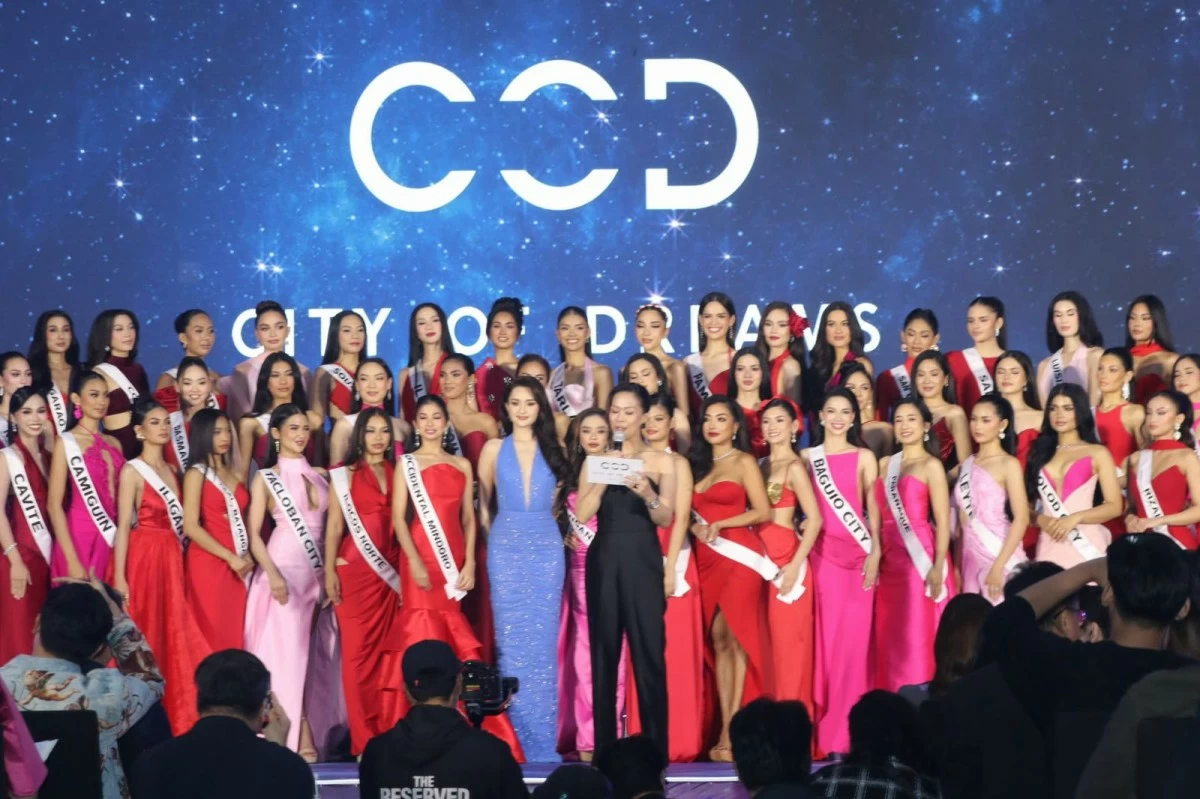
Prior to the indoor presentation, the delegates kicked off the festivities with a parade around the SM Mall of Asia complex, delighting pageant followers who gathered for an early glimpse of this year’s aspirants.
Miss Universe Philippines officials also announced key updates for the 2026 edition, including the confirmation of Misamis Occidental as the official host province and local government partner. Pangasinan was also announced as the venue for the 2026 national costume competition.
New selection format
Miss Universe Philippines Vice President Voltaire Tayag said the organization is introducing a revamped selection process to increase transparency and public participation throughout the competition.“We are introducing a new selection format that is intended to rally public support for the delegates, while also showcasing transparency every step of the way,” Tayag said. “We are bringing the journey closer to Filipinos by allowing them to have a significant say in every stage of the pageant up to the semifinals.”
Under the new system, major preliminary segments - including the evening gown, swimsuit, and closed-door interview - will be filmed and recorded in March. These materials will then be released weekly as part of a multi-round public voting process.
Starting April 5, the competition will roll out its first preliminary week with the evening gown segment, marking an earlier and more sustained evaluation period for the candidates.

At the end of each voting period, a select number of delegates will advance to the next round, beginning with the swimsuit segment. Advancement will be determined through a combination of public votes via Maya app and selections made by the judging panel.
Candidates who do not advance through public voting will continue to participate in official events and provincial tours throughout April. Tayag stressed that delegates still have chances to move forward through selection panel choices, brand awards, and wildcard slots to be announced during the finals.
A new interactive feature will also be introduced during coronation night, allowing registered viewers to vote in real time as the candidates take the stage.
“Every moment matters. Every vote counts,” Tayag said. “Every stage of the competition is an opportunity to showcase your best.”
Showdown of pageant veterans
This year’s competition is also shaping up to be a "puksaan" with several seasoned pageant veterans joining the roster.
Among the candidates are Ysabella Ysmael of Taguig City, MUPH 2020 first runner-up; Apriel Smith of Cebu City, MUPH 2020 Top 16 finalist; Miss Earth-Water titleholders Bea Millan-Windorski of La Union and Roxie Baeyens of Baguio City; Nicole Borromeo, who finished as third runner-up at Miss International 2023; Justine Felizarta of Manila, first runner-up at Miss Tourism World 2023; Ashley Subijano of Luisiana, Laguna, a Miss Eco International 2023 semifinalist; and Imelda Schweighart of Kalibo, Aklan, a resigned former Miss Philippines-Earth 2016.
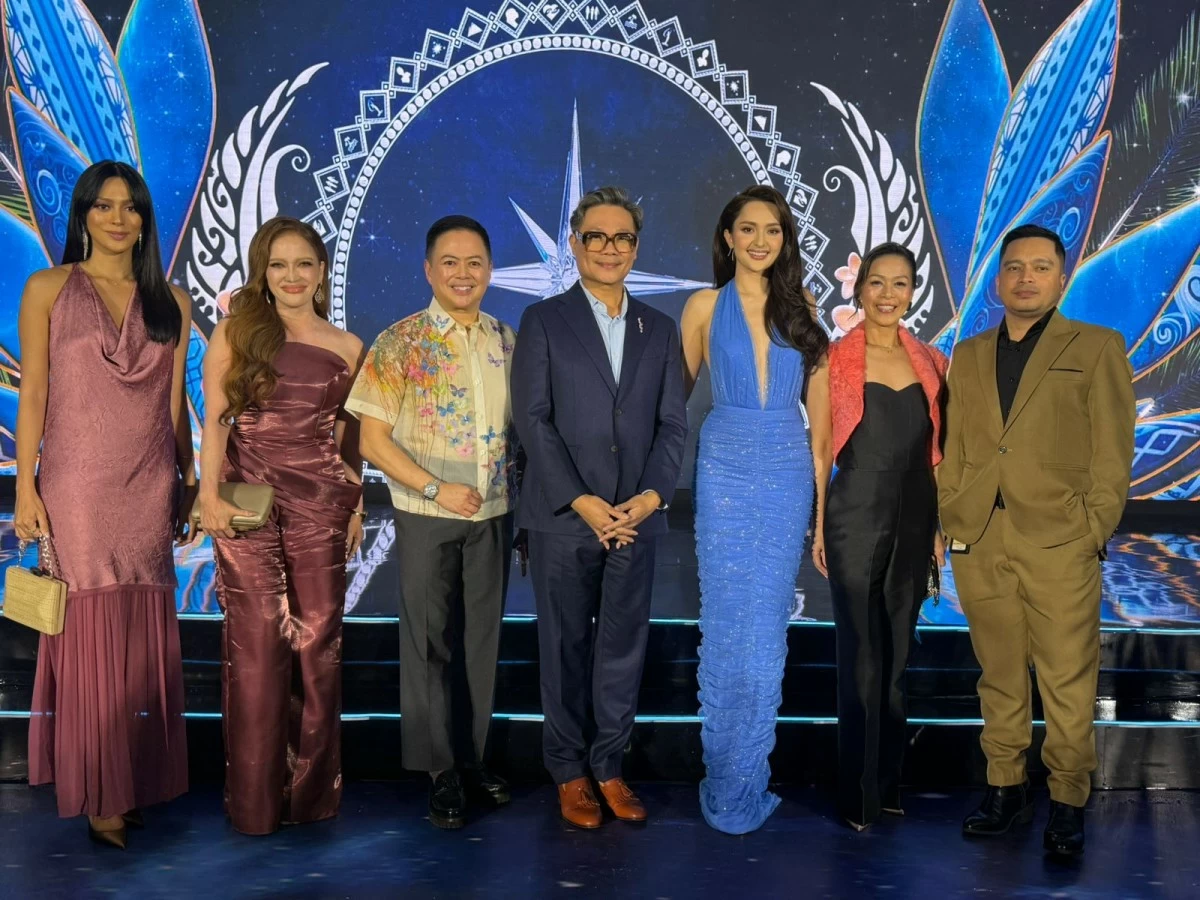
Here's the complete list of Miss Universe Philippines 2026 candidates and the provinces they represent:
Albay – Alexandra Krishna Orino
Bacolod City – Megan Larisse Baldevia
Bacoor City – Felicia Fran Aldana
Baguio City – Roxie Baeyens
Batangas – Kathleen Dale Casenas
Cabanatuan City (Filipino Society of Alberta, Canada) – Princess Kyla Hernandez
Camiguin – Erica Jean Cadayday
Cavite – Jencel Cana
Cebu City – Apriel Smith
Cebu Province – Nicole Borromeo
Cotabato – Clarissa Westram
Dasmariรฑas City – Tyra Jane Godino
Iligan City – Trexy Paris Roxas
Ilocos Norte (Filipino Society of Hawaii) – Charieze Lianne Cacayorin
Iloilo City – Zestah Espinosa
Iloilo Province – Nicklyn Jutay
Isabela – Prima Joy Alamban
Kalibo, Aklan – Imelda Schweighart
Laguna – Ysabel Cecilia Prats
Las Piรฑas (Filipino Society of Florida) – Avegail Eusebio Kultsar
La Union – Bea Millan-Windorski
Leyte – Kareyl May Cabahug
Los Baรฑos, Laguna – Scarlett de Mesa
Luisiana, Laguna – Ashley Victoria Subijano
Manila – Justin Beatrice Dellosa Felizarta
Mountain Province – Lyneree Montero-Yodong
Muntinlupa – Adela Mae Marshall
Negros Occidental – Alexandria Colmenares
Negros Oriental – Ma. Fatima Alsowyed
Nueva Ecija (Filipino Society of the United Kingdom) – Michelle Tantoco Burchell
Nueva Vizcaya (Filipino Society of Washington) – Jacqueline Aluning
Occidental Mindoro – Neil Silva
Palawan – Aviona Dass
Pampanga – Allyson Hetland
Pangasinan – Donna Rein Nuguid
Paraรฑaque (Filipino Society of Los Angeles) – Maria Pauline Galvez
Pateros – Kristen Joy Marcelino
Quezon Province (Filipino Society of Australia) – Patricia Ella Evangelista
Rizal (Filipino Society of Southern California) – Alicia Chelsea Buendia
Samar Island – Catherine Wardle
San Carlos City – Rose Ann Albania
San Jose, Negros Oriental (Filipino Society of Bellevue, Washington) – Jayka Noelle Munsayac
Santo Tomas, La Union (Filipino Society of Seattle, Washington) – Rachel Hanna Gozum
Sarangani (Filipino Society of the Kingdom of Saudi Arabia) – Nicole Cruz
Southern Leyte – Renee Rose Patual
Sultan Kudarat – Jenrose Javier
Taal, Batangas (Filipino Society of Northern California) – Juliana Hope Aquino
Tacloban City – Jacqueline Gulrajani
Taguig – Maria Ysabella R. Ysmael
Tandag City – Chrystel Mae Correos
Tarlac – Marian ArellanoTuguegarao City - Janica Francen Aquino
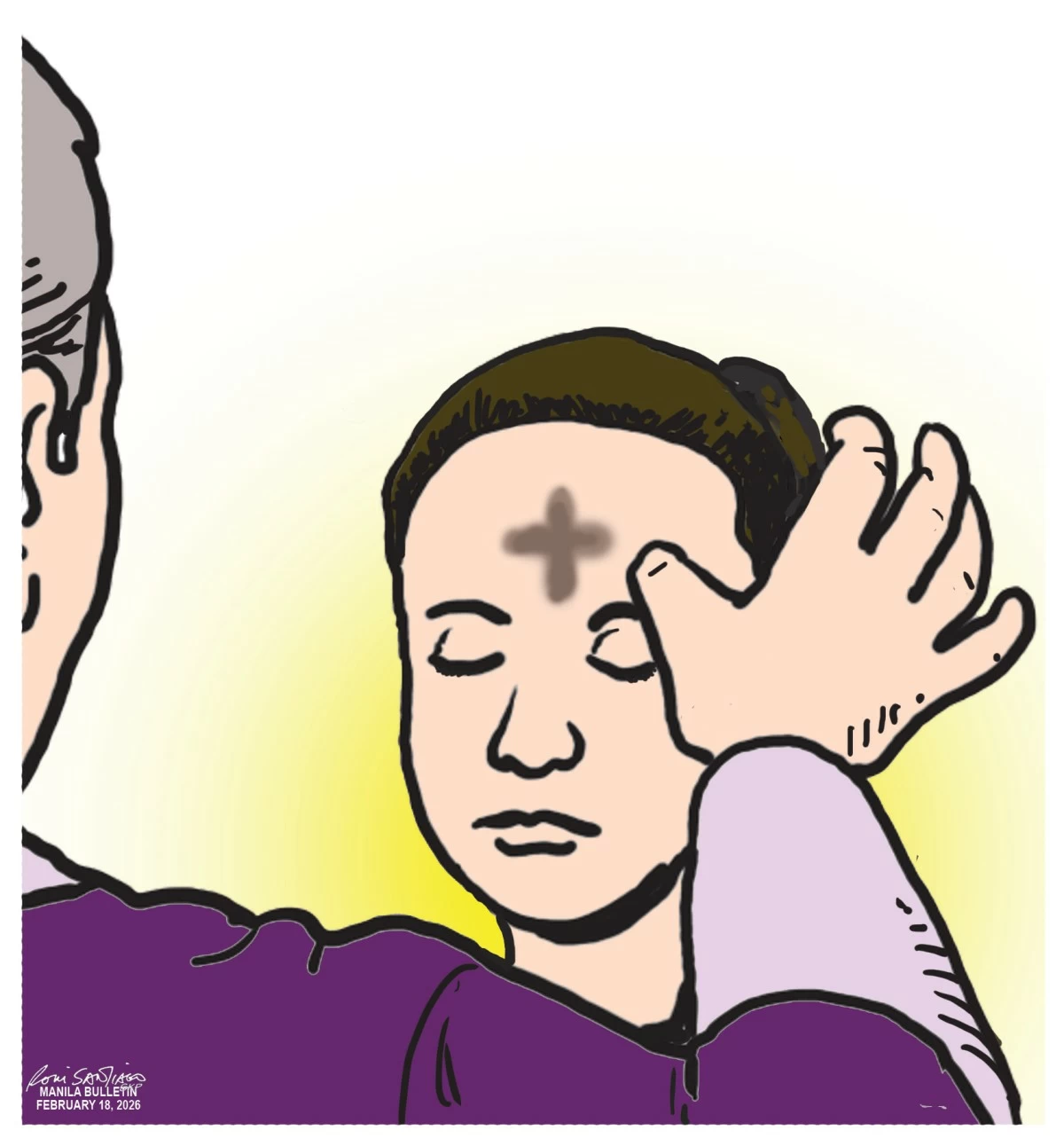
Ashes and the mercy of God