
By Manila Bulletin Newsroom
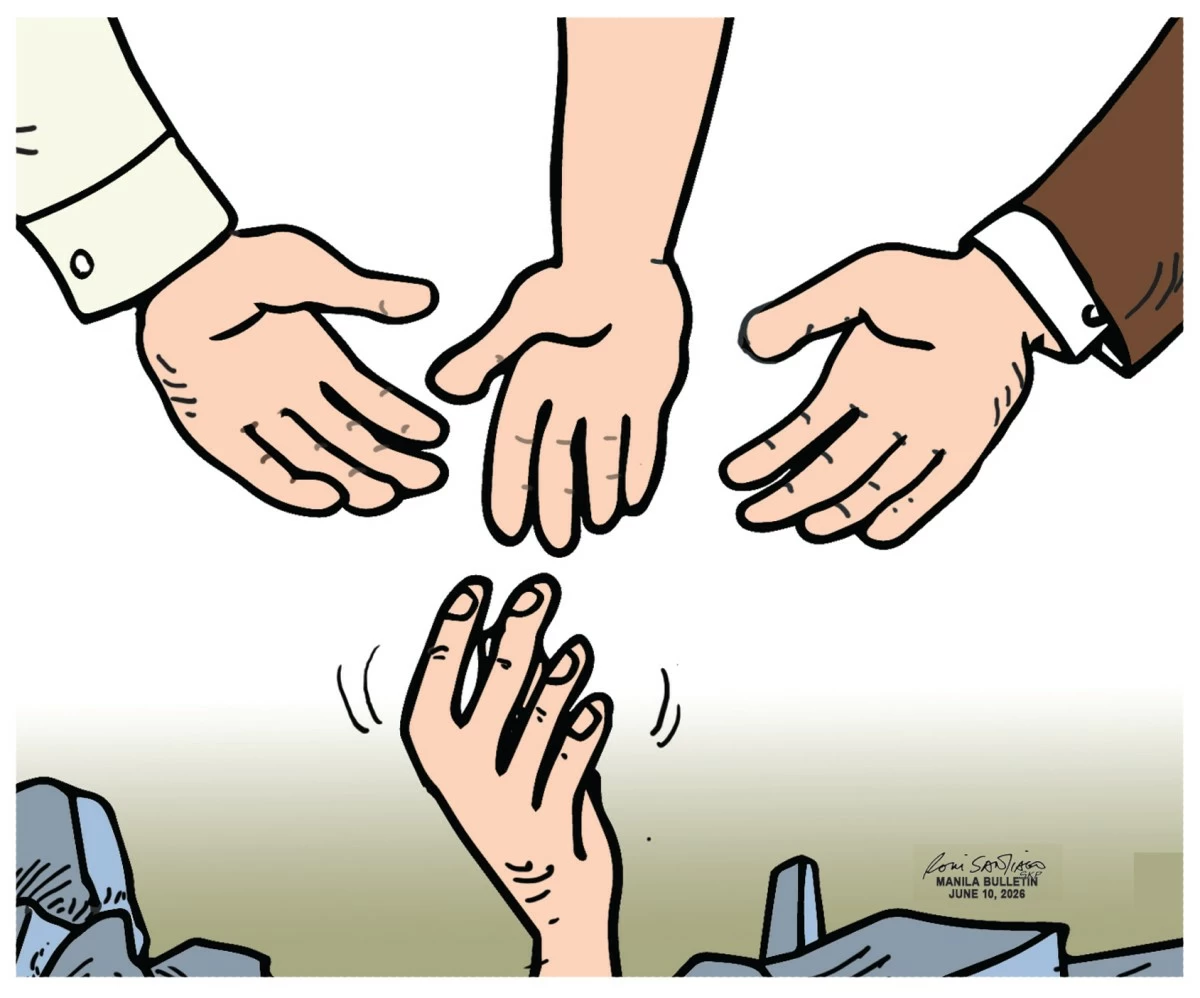
In the aftermath of the magnitude 7.8 earthquake that struck off the coast of Sarangani, the nation's foremost concern must be the welfare of the thousands of families whose lives have been disrupted by this devastating disaster. Beyond the tremors that rattled communities lies a more enduring challenge: ensuring that affected residents receive not only immediate relief but also sustained support as they rebuild their homes, livelihoods, and futures.
Natural calamities often leave behind more than damaged structures. They create uncertainty, displace families, interrupt livelihoods, and place vulnerable communities at greater risk. In such moments, the speed and effectiveness of the government's response can make a significant difference in alleviating human suffering. Immediate assistance is not merely an act of compassion; it is a fundamental responsibility of the government.
It is therefore encouraging to see public institutions respond swiftly following President Ferdinand Marcos’ directive for government agencies to provide immediate assistance to communities affected by the earthquake. The prompt mobilization of resources reflects an understanding of the urgency of the situation and the need to address the immediate needs of affected families.
Among the first to answer the call was the Philippine Charity Sweepstakes Office (PCSO), which quickly coordinated with its Authorized Agent Corporations in Mindanao to deliver ready-to-eat meals and food supplies to affected residents. PCSO General Manager Mel Robles aptly emphasized that public service is most meaningful in times of dire need, which was underscored in the rapid deployment of relief support.
The Department of Social Welfare and Development likewise moved promptly by activating disaster response mechanisms and directing field offices to coordinate closely with affected local government units. Under the leadership of Secretary Rex Gatchalian, the department has taken the necessary steps to ensure that relief assets are available for families requiring immediate assistance.
Equally important is the assurance provided by the Department of Budget and Management that sufficient resources remain available through the Quick Response Fund and the National Disaster Risk Reduction and Management Fund. Effective disaster response depends not only on good intentions but also on the availability of funding to support rescue, relief, rehabilitation, and recovery efforts.
The expressions of sympathy and support from foreign embassies, including those of France, China, Israel, Japan, and the United States, are likewise welcome reminders of the solidarity extended by the international community during times of hardship.
While these immediate responses merit commendation, the larger task lies ahead. Relief operations are only the first phase of recovery. Once emergency needs have been addressed, government attention must turn toward restoring livelihoods and rebuilding communities. Livelihood grants, cash-for-work programs, skills training, access to credit, housing rehabilitation, and infrastructure reconstruction should form part of a comprehensive recovery strategy.
The private sector also has an indispensable role to play. Beyond charitable donations, businesses can contribute through employment opportunities, community rebuilding initiatives, scholarship programs, and investments that stimulate local economic recovery. Public-private cooperation can significantly accelerate the rehabilitation process.
And the bayanihan spirit should come into play here. Every Filipino has a role in easing the burden borne by earthquake victims. Whether through donations, volunteerism, community initiatives, or other forms of assistance, citizens can help reinforce the spirit of solidarity that has long defined the nation in times of adversity.
Disasters test the resilience of a people and the responsiveness of their institutions. The swift actions taken by government agencies, supported by private organizations, international partners, and concerned citizens, deserve recognition. Yet the true measure of success will not be found in the speed of relief delivery alone, but in the nation's ability to help affected families rebuild their lives with dignity, security, and hope for the future.
