

By Neil Ramos
At A Glance
- There is a growing shift in cosplay and performance culture, where digital design tools are increasingly replacing weeks of manual fabrication. Hollywood has long been known for its ability to turn imagination into spectacle, but behind many of its most iconic visuals is a quiet technological revolution: 3D printing.
More, it shifts productions from lengthy manual sculpting to rapid computer-aided prototyping, ensuring seamless consistency across multiple takes.
In the “Marvel Cinematic Universe (MCU),” property master Russell Bobbitt estimates that over 100 props per Marvel film involve 3D printing. One standout example is Thor’s hammer Stormbreaker, which, he said, was printed in 34 separate pieces and assembled into a weapon worthy of a god. The technology also contributed to the creation of Iron Man suits, helping refine body forms and production fittings for actor Robert Downey Jr., ensuring the armor looked seamless both in motion and close-up shots.
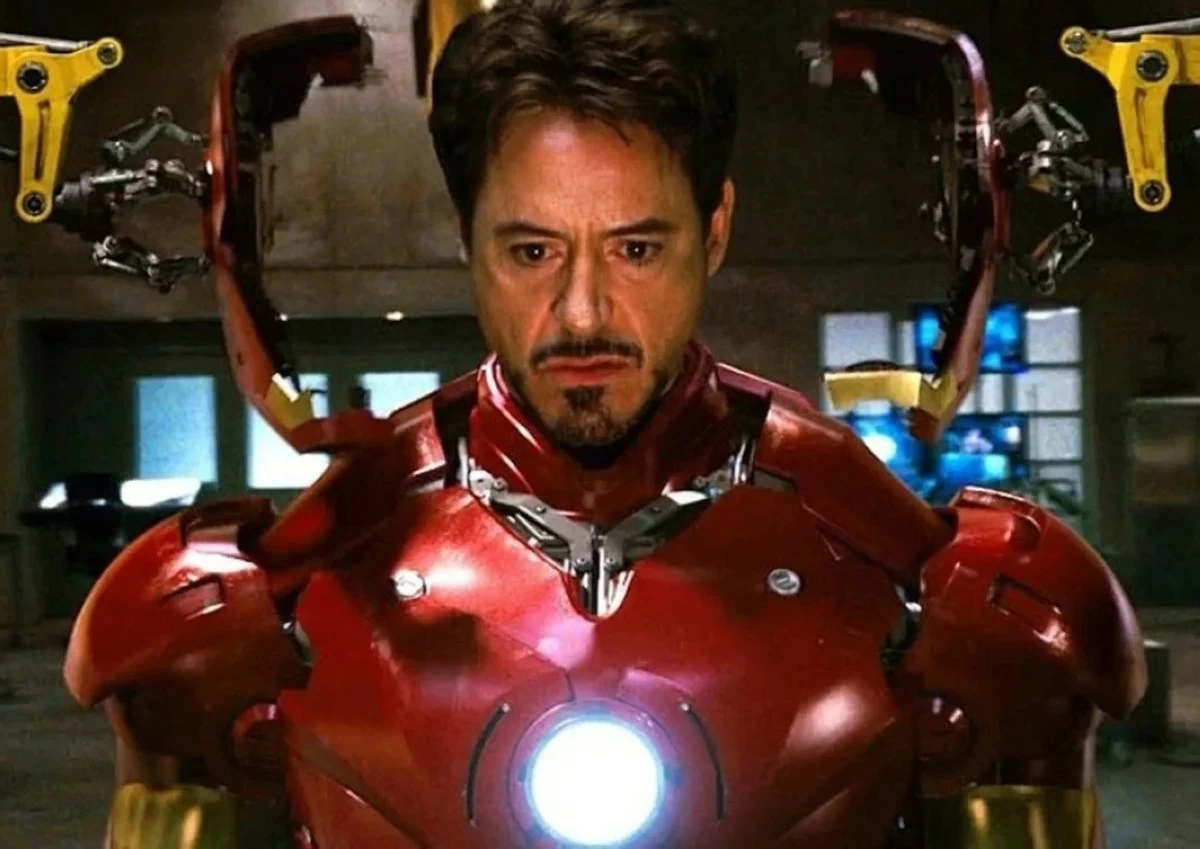
Now, this same wave of innovation is beginning to take center stage in Philippine entertainment.
From film and television productions to digital content creation and major industry events, 3D printing is fast becoming a valuable creative tool in Philippine entertainment.
Attesting to this is actress-cosplayer Myrtle Sarrosa.
She told us, “This is so exciting for me personally because I have experienced the ease and accessibility that 3D printing allows relating to the costumes I use for cosplay. It makes everything so easy unlike in the past where it’s quite time-consuming talaga.”
Asked to cite an example, she shared how she used 3D technology to recreate Okarun’s mask.

“It was for a show and time was of essence so, using the Creality K2 Plus and running it through a specific software, I was able to complete the project in just a few hours.”
She adds, “With 3D printing, I see tons of possibilities talaga for its use in the entertainment industry. It could help bring stories to life through realistic props, costumes, set pieces, and event materials for film, television, online content, and live productions.”
Her perspective reflects a growing shift in cosplay and performance culture, where digital design tools are increasingly replacing weeks of manual fabrication.
And it is now more accessible for every Juan and Maria through Makerlab’s 3D Printing Experience Hub at Ayala Malls Manila Bay, which allows people to simply walk in and exercise their own creativity using the magic of 3D printing.
Note that beyond individual creators, institutions are also embracing the technology.
