
The relationship between Washington and Manila has found a steady rhythm lately, anchored by shared security concerns in the Pacific and the mutual desire to keep supply chains running smoothly. But we all know that trade diplomacy rarely follows a straight line. A new issue is emerging, not from territory or defense agreements, but from the fine print of global labor standards.
The Office of the United States (US) Trade Representative recently wrapped up an investigation into dozens of trading partners, concluding that 54 economies—including the Philippines—are failing to properly block imports made with forced labor.
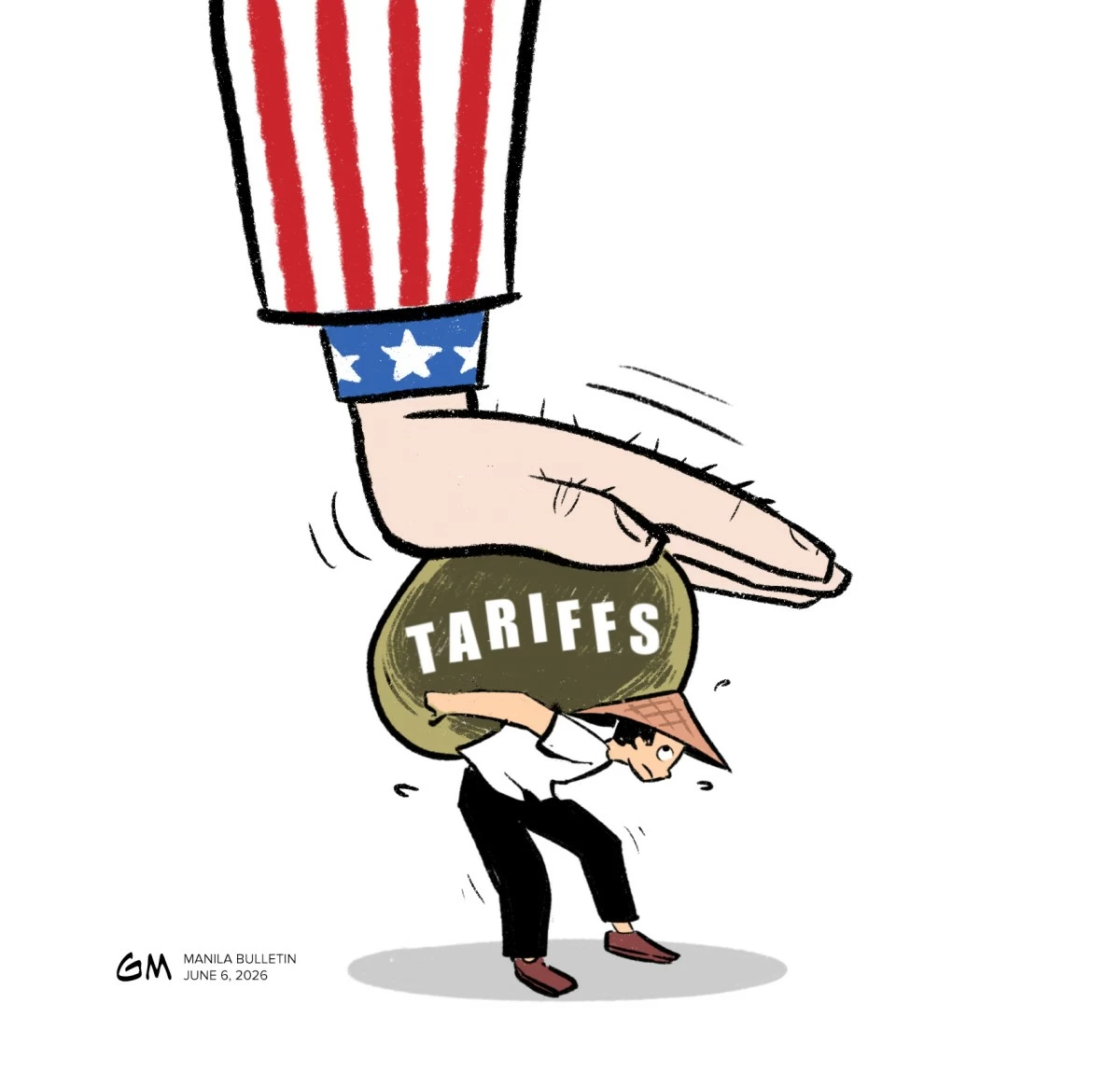
Under Section 301 of the US Trade Act, Washington is now proposing an additional 12.5 percent tariff on several of Philippine exports.
The explanation from a US trade representative is that when countries do not enforce these import bans, it creates an uneven playing field, giving an artificial cost advantage to companies using exploitative practices.
To its credit, the Philippine government is not taking the accusation sitting down. The Department of Trade and Industry (DTI) quickly pointed out that Manila possesses a robust domestic legal framework against forced labor, grounded in constitutional protections and international commitments.
The lack of an explicit statutory ban on importing these goods, the DTI argued, should not be misread as tolerance for the practice. Meanwhile, local industry groups, led by the Philippine Exporters Confederation Inc. (Philexport), maintain that domestic exporters strictly adhere to global labor standards. They are asking a fair question: if there are specific violations, where exactly are they coming from?
The good news is that the sky is not falling just yet. The proposed duties are not final, and a comment period runs until early July. More importantly, Washington was careful to exempt the crown jewels of the bilateral trade relationship.
Top export commodities like semiconductor devices, nickel ores, and agricultural staples—including coconuts, bananas, and pineapples—are shielded from the potential tariffs. By leaving these vital sectors untouched, the US has signaled that this is a regulatory warning rather than an economic sledgehammer.
Yet, treating this as a minor bureaucratic hurdle would be a mistake. The global trade landscape is shifting. Western consumers and regulators are increasingly looking past the final product to examine how raw materials are sourced and how supply chains are managed.
For a developing economy like the Philippines, maintaining a reputation as a clean, compliant, and reliable manufacturing hub is essential to attracting longterm foreign investment.
Manila’s current defense—that its internal laws are strong even if its import restrictions are technically incomplete—is a reasonable legal argument, but it may not hold up forever in a changing global market.
If the problem is simply a missing piece of regulatory architecture, the path forward is clear. Rather than arguing over the fairness of the US report, Philippine lawmakers and trade officials should focus on closing the statutory gaps.
There is a window of opportunity before the July deadlines for constructive dialogue. The US should provide the specific data Manila is asking for, allowing local authorities to investigate and address any blind spots.
In return, the Philippines should show a concrete commitment to aligning its customs regulations with international expectations.
Trade disputes between close allies do not have to end in penalties. If handled with pragmatic diplomacy, this episode can serve as a helpful push to modernize the country’s trade rules, ensuring that Philippine goods remain competitive and welcome in the world’s largest market.
