


Father’s Day always makes me think about how fathers spend time with their families.
Mothers are often better storytellers. They remember details, keep conversations going, and somehow know what everyone is thinking. Fathers, at least many of the fathers I know, are a little different. We are not always the best at expressing ourselves.

Communicating through actions
Many of my favorite family memories do not involve long conversations at all. They usually happen while sharing a simple meal, running errands, or walking around a neighborhood with no particular destination in mind. There may be stretches when nobody says much. Yet somehow, those moments still matter.
Perhaps that is because fathers often communicate through actions more than words.
As we grow older, our concerns begin to change. We think less about ourselves and more about the people who depend on us. We worry about education, household expenses, safety, and whether the home we worked hard for will continue to serve the family well in the years ahead.

Exercise in stewardship
I have come to realize that fatherhood is, in many ways, an exercise in stewardship.
I am not particularly good at organizing documents. If you ask me where every paper is filed, I will probably need help finding it.
But I have learned that someone has to make sure important matters do not fall through the cracks. Property taxes, permits, insurance, and government transactions may not be exciting, but neglecting them can become costly.
Whether we handle these responsibilities ourselves or ask for help, fathers need to know they are being handled properly.
I have also accepted the reality that the people who spend the most time in a house are often the ones who notice problems before anyone else. A spouse may point out a leak. A helper may notice termites. A child may mention a strange smell.
Good stewardship is not about pretending we know everything. It is about listening when people tell us that something is changing and acting before a small problem becomes a large one.
Keeping our home in good condition is also less about being handy and more about knowing who to call.
This I have learned, over the years, the value of finding reliable electricians, plumbers, builders, and maintenance workers. The best ones are not always the cheapest, but they are the people you can trust when something goes wrong.

Man of the house
The man of the house may also find himself paying more attention to how homes can operate more efficiently.
Electricity and water costs continue to rise, and many technologies that were once expensive are becoming more accessible. Energy-efficient lighting, inverter appliances, solar panels, and water-saving fixtures can lower monthly expenses while reducing waste.

Sustainability in our homes does not always begin with large investments. Sometimes, it starts with practical decisions made at home.
Perhaps the biggest lesson, however, is accepting that our children may not value the same things we do.
Many of us spend years building homes and acquiring property for the next generation. Yet they will have their own priorities, lifestyles, and aspirations. What matters is not whether they live exactly as we did, but whether the spaces we leave behind can adapt to their needs.
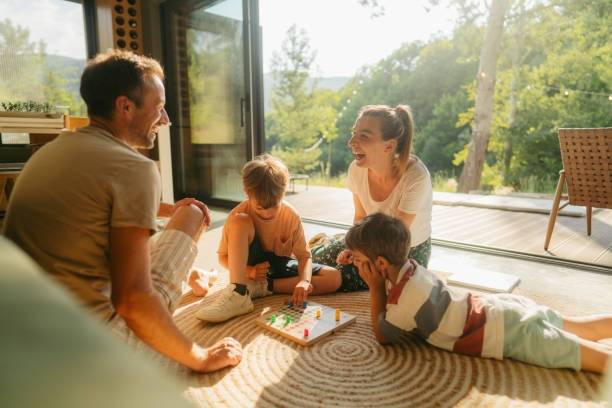
Life at home
These days, one of my favorite activities is simply walking with family. Sometimes we explore a nearby neighborhood. Sometimes we visit a place we have never seen before. We talk a little, observe a lot, and occasionally discover something unexpected.
It costs very little, yet it reminds me of something important. A home is not only the structure we build. It is also the life that happens around it.
Perhaps that is the stewardship of fathers–not just providing a house, but also helping create the conditions for a family to grow, adapt, and make their own memories.
