
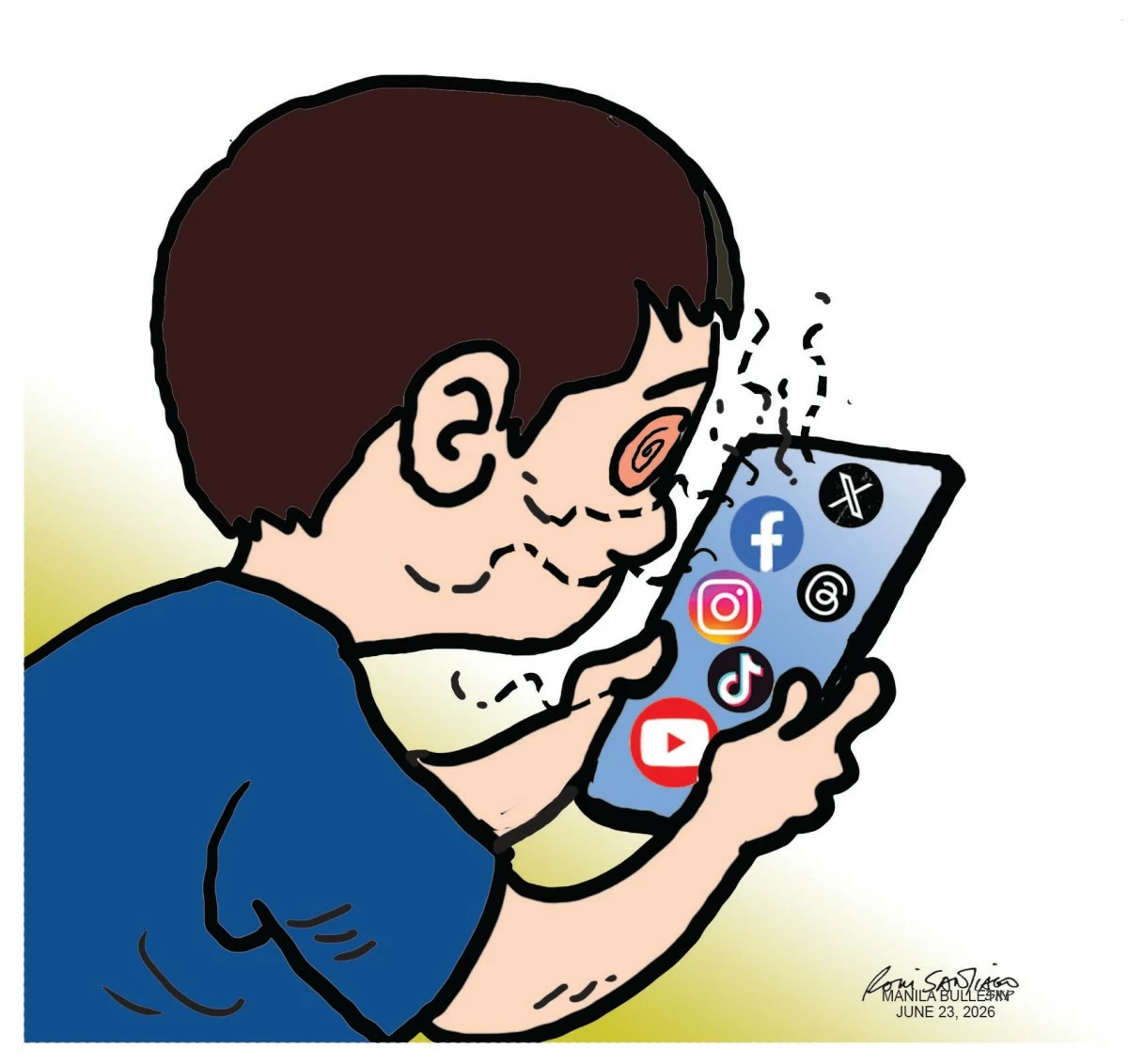
The digital age has transformed the lives of young people in ways unimaginable just two decades ago. Social media platforms have become central to communication, education, entertainment, and self-expression. Yet alongside these benefits has emerged a growing body of evidence linking excessive and unregulated social media use to anxiety, depression, cyberbullying, sleep deprivation, and declining attention spans among children and adolescents.
It is therefore unsurprising that governments around the world are beginning to consider stronger safeguards. The United Kingdom has announced plans to enforce restrictions on social media access for those under 16 beginning in 2027, reflecting mounting concerns among parents, educators, and health professionals about the impact of digital platforms on young minds. Similar debates have emerged in countries such as Australia and France, where policymakers have cited rising rates of youth mental health concerns and online harms.
The question naturally arises: Should the Philippines consider a similar policy?
The case for regulation is compelling. Filipino youth are among the world’s most active social media users. Parents often struggle to monitor their children’s online activities, especially as platforms become more sophisticated and ubiquitous. A 2021 UNICEF study also found that many Filipino children encounter online risks, including cyberbullying and unwanted contact from strangers.
An under-16 social media ban, or at least stringent age-based restrictions, could provide an important layer of protection. It would encourage children to spend more time on physical activities, face-to-face interactions, and academic pursuits. It could also reduce exposure to cyberbullying and the addictive design features that many experts believe exploit the psychological vulnerabilities of young users.
Moreover, regulation would send a clear message that technology companies share responsibility for child welfare. For too long, the burden of supervision has fallen almost entirely on families, while platforms profit from engagement generated by younger users. Stronger rules could compel companies to invest in safer digital environments and more effective age-verification systems.
Yet the drawbacks of a blanket ban must also be carefully weighed.
Social media is no longer merely a source of entertainment. For many young Filipinos, it is an important tool for education, collaboration, entrepreneurship, and maintaining social connections. During the Covid-19 pandemic, social media platforms and online communities became essential channels for remote learning and peer support. Restricting access could inadvertently disadvantage students who rely on online communities and digital resources for learning and personal development.
Enforcement presents another challenge. The Philippines lacks the technological infrastructure and regulatory capacity of wealthier nations. Age-verification systems may be costly, difficult to implement, and potentially intrusive. They could also raise legitimate concerns about privacy and data security. Critics of similar proposals in other countries have warned that collecting additional personal information from users could create new cybersecurity risks.
Experiences in various jurisdictions have shown that age restrictions can be difficult to enforce consistently, particularly when platforms rely on self-reported ages. A ban that cannot be meaningfully enforced may undermine respect for the law while offering only limited protection.
Rather than immediately adopting a UK-style prohibition, the Philippines may be better served by pursuing a balanced approach. Stronger digital literacy programs, parental education, age-appropriate design standards, stricter penalties against online exploitation, and enhanced platform accountability could achieve many of the same objectives without completely denying young people access to digital spaces.
