You plan to move to the Philippines? Wollen Sie auf den Philippinen leben?

There are REALLY TONS of websites telling us how, why, maybe why not and when you'll be able to move to the Philippines. I only love to tell and explain some things "between the lines". Enjoy reading, be informed, have fun and be entertained too!

Ja, es gibt tonnenweise Webseiten, die Ihnen sagen wie, warum, vielleicht warum nicht und wann Sie am besten auf die Philippinen auswandern könnten. Ich möchte Ihnen in Zukunft "zwischen den Zeilen" einige zusätzlichen Dinge berichten und erzählen. Viel Spass beim Lesen und Gute Unterhaltung!


Visitors of germanexpatinthephilippines/Besucher dieser Webseite.Ich liebe meine Flaggensammlung!

free counters

Total Pageviews

Thursday, May 14, 2026

Fünf Millionen Babyboomer steuern auf Rentenfalle zu

 Stand:

Eine neue Studie zeigt, dass mehr als fünf Millionen Babyboomer im Ruhestand in Armut rutschen könnten. Schuld sind vor allem hohe Mieten.

München – Die Zahlen sind alarmierend: Rund 5,1 Millionen Menschen der Babyboomer-Generation – also der Jahrgänge 1960 bis 1969 – werden im Alter weniger als 800 Euro monatlich aus der gesetzlichen Rente erhalten. Das geht aus einer Berechnung des Pestel-Instituts hervor, die im Auftrag der Industriegewerkschaft Bauen-Agrar-Umwelt (IG Bau) erstellt wurde. Das entspricht rund 40 Prozent aller Babyboomer, die in den kommenden zehn Jahren in den Ruhestand gehen werden – insgesamt etwa 12,9 Millionen Menschen.     

Immer mehr Rentner müssen sich im Alter eine andere Wohnung suchen, weil das Geld nicht mehr reicht.
Wohnkostenarmut bedroht Millionen Senioren in Deutschland. ©  IMAGO / Sven Simon

„Mit so einer Niedrigrente werden viele Betroffene dauerhaft auf Hilfe vom Staat angewiesen sein. Spätestens die Miete drängt einen Großteil der Baby-Boomer dann in die Wohnarmut. Die Schere zwischen der Rente und steigenden Wohnkosten – also Miete, Heiz- und Nebenkosten – wird für die kommende Rentnergeneration immer weiter auseinandergehen“, warnte IG-Bau-Chef Robert Feiger in einer Mitteilung der Gewerkschaft. Auch in der Bevölkerung herrscht Skepsis: Laut einer Civey-Umfrage im Auftrag des Sozialverbands Deutschland (SoVD), die der Bild am Sonntag vorlag, glauben 82 Prozent der Befragten nicht daran, dass ihre gesetzliche Rente ausreichen wird, um ihren Lebensstandard im Alter zu sichern.  

Wohnen in der Rente wird zum Problem: Ein Bundesland besonders betroffen

In absoluten Zahlen ist Nordrhein-Westfalen als bevölkerungsreichstes Bundesland am stärksten betroffen: Laut der Pestel-Berechnung könnten dort weit mehr als eine Million Babyboomer in Wohnarmut abrutschen. Doch das Problem ist bundesweit spürbar. In Großstädten wie Hamburg seien Senioren bereits heute gezwungen, ihre Wohnorte zu verlassen. Das Hauptproblem sind die hohen Mieten, die sich viele Senioren nicht mehr leisten können.

Schon heute leben laut dem Pestel-Institut mehr als 760.000 Menschen im Rentenalter von Grundsicherung. Das entspricht einem Anteil von rund 4,3 Prozent aller Rentner. Vor 15 Jahren waren es noch 2,5 Prozent. „Angesichts der Zahlen gehe ich davon aus, dass sich in zehn Jahren rund sieben Prozent der Rentner in der Grundsicherung befinden könnten“, sagte der Ökonom und Geschäftsführer des Pestel-Instituts, Matthias Günther, bei der Rheinischen Post.  

IG Bau fordert Neubau und Rentenreform

Um das zu verhindern, müsste mehr bezahlbarer Wohnraum geschaffen werden, fordert die IG Bau. „In Deutschland fehlen 1,4 Millionen Wohnungen. Die Mieten steigen weiter. Und auch jetzt, nachdem die neue Bundesregierung ein Jahr im Amt ist, ist vom versprochenen ‚Bauen, bauen, bauen‘ wenig zu spüren“, sagte Feiger. Bezahlbares Wohnen sei die „soziale Frage Nummer 1“. Darüber hinaus sprach sich Feiger für eine Umverteilung im Rentensystem aus: Die Rente müsse im unteren Bereich steigen, hohe Renten könnten im Gegenzug sinken.

Trust or Reliance?


rust or reliance? What is faith for you?

0
175

To say it clearly: without faith we are really nothing. Faith is belief; believe in us, beliefs in our works, talents and personalities.

We also should believe in our parents or better, in the whole family including the black sheep, who can be found everywhere. We should also believe in our friends, even sometimes it seems to become a very difficult task. A friend? A real friend? An expatriate friend…?

Without faith, we will be reaching the rock bottom. Please don’t say, it’s a likely story. The German poet Johann Christian Friedrich von Schiller (1759-1815) mentioned in his drama “Maria Stuart”: “Even the word might be dead, but faith keeps it alive.” Yes, I can live with this.

Faith and hope belong together. In his book “Through the Valley of the Kwai”, Scottish officer Ernest Gordon wrote of his years as a prisoner of World War II. The 6’2” man suffered from malaria, diphtheria, typhoid, beriberi and jungle ulcers. Many circumstances quickly plunged his weight to less than 100 pounds. Lying in the dirt of the death house, he waited to die. But every day, a fellow prisoner came to wash his wounds and to encourage him to eat parts of his own rations. As this fellow prisoner nursed Ernest back to health, he talked with the agnostic Scotsman of his own strong faith in God and showed him that, even in the midst of suffering – there is hope – and faith!

Faith is indeed tantamount to convincing and conviction. Richard Wagner, a German classical composer and poet found the following lyric: “Blessed are those people, who know how to live their life in humility and faith!”

Well, let’s even continue believing in our government. Faithful hope is loyal, reliable, exact and honorable.

Faith looks beyond the transient life with hope for all eternity. The hope we read in scripture is not a wishy-washy optimism. First and second Chapter of Thessalonians, for example, give encouragement to all Christians, who have been undergoing persecution for their faith. And, Corinthians 13:2 says: “If I have faith it can move mountains!”

Faith is one of those words that is commonly used but not always understood. Some of that confusion comes from the many different ways the word faith is used in everyday conversation; a quick look at Dictionary.com shows seven different uses! One common way that people use the word faith is to refer to belief in something despite lacking any evidence for it. But is that what the Bible means by faith? The answer is a resounding no! So what does faith mean?

The closest that the Bible comes to offering an exact definition is Hebrews 11:1 – “Now faith is the assurance of things hoped for, the conviction of things not seen.” From this particular passage we see that the central feature of faith is confidence or trust. In the Bible, the object of faith is God and his promises. A clear example of this is Abram’s encounter with God in Genesis 15. In response to God’s promise of countless descendants, Abram “believed the LORD, and he counted it to him as righteousness.” (Gen 15:6). Commenting on this, the Apostle Paul writes, “No unbelief made him waver concerning the promise of God, but he grew strong in his faith as he gave glory to God, fully convinced that God was able to do what he had promised.” (Rom 4:20-21). Thus faith means putting your trust in God and having confidence that he will fulfill his promises.

Faith is more than intellectual agreement. To use an old illustration, imagine you are at Niagara Falls watching a tightrope walker push a wheelbarrow across the rope high above the falls. After watching him go back and forth several times, he asks for a volunteer to sit in the wheelbarrow as he pushes it across the falls. At an intellectual level you may believe that he could successfully push you across the rope over the falls, but you are not exercising biblical faith until you get in the wheelbarrow and entrust yourself to the tightrope walker.

Genuine biblical faith expresses itself in everyday life. James writes that “faith by itself, apart from works, is dead” (James 2:17). Faith works through love to produce tangible evidence of its existence in a person’s life (Gal 5:6). Put another way, the obedience that pleases God comes from faith (Rom 1:5; 16:26) rather than a mere sense of duty or obligation. There is all the difference in the world between the husband who buys his wife flowers out of delight and one who buys them simply out of duty.

Faith is so important because it is the means by which we have a relationship with God: “For by grace you have been saved through faith” (Eph 2:8). Faith is how we receive the benefits of what Jesus has done for us. He lived a life of perfect obedience to God, died to pay the penalty for our sinful rebellion against God, and rose from the dead to defeat sin, death, and the devil. By putting our faith in him, we receive forgiveness for our sins and the gift of eternal life.

So what does faith mean? Simply put, faith means relying completely on who Jesus is and what he has done to be made right with God. Are you considering a faith-filled call to Christian ministry? The programs at Grace Theological Seminary will ensure you grow in your faith on your way to equipping others to do the same.

To walk by faith, it’s not enough to believe that God’s word and promises are true, we must act on our belief and stand on the Truth. When what we believe overflows into how we live then our faith is made complete—and is counted to us as

Anger


By Klaus Döring


Anger. A day rarely goes by without us feeling angry. It is not necessary to cite examples. Sometimes, it’s just a minor reason, like hating the fly on the wall. Sometimes, anger has important reasons.


Anger seems to become the main part of our daily life. That’s why it is really important to talk again about this phenomenon. As I said, anger is one of the most basic emotions. Everyone can really get angry. If someone tells you he won’t get angry, better not believe him.


Anger is a terrible feeling of being against something or someone. It can be my neighbor because he is still burning poisonous plastic and rubber garbage. Many of us get angry observing some politicians these days worldwide.


Anger is a hostile emotion that sets people against one another, or even against themselves. By its nature, anger involves opposition, hostility, hatred, and dislike. Anger, however, is simpler to define than to identify. Emotions of antagonism can take a wide variety of faces. Expressions of anger range from the overt, in-your-face brand of open hostility to the cold indifference of a silent individual.


Anger in the workplace is becoming very common nowadays.


One of my good friends works as a stewardess. Imagine yourself 35,000 feet up, pushing a trolley down a narrow aisle surrounded by restless passengers. A toddler is blocking your path, his parents not immediately visible. One passenger is irritated that he can no longer pay cash for an in-flight meal, while another is demanding to be allowed past to use the toilet. And your job is to meet all of their needs with the same show of friendly willingness. For a cabin crew member, this is when emotional labor kicks in at work.


A term first coined by sociologist Arlie Hochschild, it’s the work we do to regulate our emotions to create “a publicly visible facial and bodily display within the workplace.”


At times, anger can feel like an inner fire. It hits you in the gut. You see red and feel hot and maybe sweaty. Your stomach gives you problems, your blood pressure rises, and your breathing rate increases. Neighbors or politicians are not the only reasons for anger. The silent withdrawal and lack of understanding and innumerable shortcomings of a partner or family member are often an indication that one is angrily punishing the other for not doing things his or her way.


Back to the workplace: Unhelpful attitudes such as “I’m not good enough” may lead to thinking patterns in the workplace such as “No one else is working as hard as I seem to be” or “I must do a perfect job,” and can initiate and maintain high levels of workplace anxiety.


When research into emotional labor first began, it focused on the service industry with the underlying presumption that the more client or customer interaction you had, the more emotional labor was needed.

However, more recently, psychologists have expanded their focus to other professions and found burnout can relate more closely to how employees manage their emotions during interactions, rather than the volume of interactions themselves. Perhaps just today you turned to a colleague to convey interest in what they said, or had to work hard not to rise to criticism. It may have been that biting your lip rather than expressing feeling hurt was particularly demanding of your inner resources.


But in some cases, maintaining the facade can become too much, and the toll is cumulative.

As I stated earlier: Minor things could become the start of anger. Over the years, handling the stress caused by suppressing one’s emotions became much harder. Small things seemed huge, we easily dreaded going to work, and anxiety escalated.


Across the globe, employees in many professions are expected to embrace a work culture that requires the outward display of particular emotions — these can include ambition, aggression, and a hunger for success.

The way we handle emotional labor can be categorized in two ways — surface acting and deep acting.

“How we cope with high levels of emotional labor likely has its origins in childhood experience, which shapes the attitudes we develop about ourselves, others, and the world,” says clinical and occupational psychologist Lucy Leonard.


“Unhelpful attitudes such as ‘I’m not good enough’ may lead to thinking patterns in the workplace such as ‘No one else is working as hard as I seem to be’ or ‘I must do a perfect job,’ and can initiate and maintain high levels of workplace anxiety,” Leonard says.


When things get tough, you might be very lucky to talk to colleagues to unload. “It’s the saying it out loud that allows me to test and validate my own reaction. I can then go back to the person concerned,” one of my former officemates in Germany explained many years ago.


Those who report regularly having to display emotions at work that conflict with their own feelings are more likely to experience emotional exhaustion.


Remaining true to your feelings appears to be key — numerous studies show those who report regularly having to display emotions at work that conflict with their own feelings are more likely to experience emotional exhaustion.

Of course, everybody needs to be professional at work, and handling difficult clients and colleagues is often just part of the job. But what’s clear is that putting yourself in their shoes and trying to understand their position is ultimately of greater benefit to your own well-being than voicing sentiments that, deep down, you don’t believe.


Where it is possible, workers should be truly empathetic, be aware of the impact the interaction is having on them, and try to communicate in an authentic way. Easy to say, yes, I know. But let’s give it a try!


***


Email me at doringklaus@gmail.com, follow me on Facebook and LinkedIn, or visit www.germanexpatinthephilippines.blogspot.com or www.klausdoringsclassicalmusic.blogspot.com.


The Daily Guardian is a renascent Iloilo-based publishing firm and media outfit with bureaus across Western Visayas and beyond. Led by Iloilo's most respected journalists, we pledge to tell the Ilonggo story as seen through the various lenses of society so that every side may be told.


BUREAUS:

Kalibo

Boracay

Roxas

Bacolod

Antique

Guimaras

Manila

Wednesday, May 13, 2026

Shared vision amid global storms


Published May 13, 2026 12:05 am | Updated May 12, 2026 06:46 pm
OF TREES AND FOREST
In 1992, I reluctantly decided to run for the lone congressional seat in the then-district of Las Piñas-Muntinlupa. My introduction to politics came when my father-in-law, Congressman Filemon Celestino Aguilar, fell ill. As the May 1992 elections neared, people were busy forming a ticket: Mayor Rosalino Riguera for reelection, my brother-in-law Vergel “Nene” Aguilar for vice mayor, and my father-in-law—endearingly called “Lolo Cong” by his constituents—for Congress.
A few months earlier, discussions had begun about who should replace him on the ticket. Somehow, those talks led some to see me as an ideal congressional candidate. I refused; I had no interest in politics. Running for office was the farthest thing from my mind. Even as a kid, I never once thought or said, “I want to be President of the Philippines when I grow up.” It wasn’t until college that I started pondering the “bigger picture”—dreaming bigger dreams.
After consulting my family, I finally said yes. One key reason: My growing belief that political institutions—especially in maintaining stability—play a crucial role in economic development. History shows that where economies rise and fall like tides, political stability stands as the unyielding anchor. It’s no mere theory but a hard lesson: nations that harness politics for cohesion thrive, while those fractured by discord drift toward peril.
We must consider this today as our economy faces severe headwinds. Geopolitical storms are already battering our shores from afar. The grinding war in Ukraine—now in its fourth year—has spiked global energy prices, squeezing our import-dependent economy and inflating costs for every Filipino household. The ongoing Iran-US conflict has roiled oil markets, threatening supply chains that feed our factories and farms.
In its April 2026 report, the Asian Development Bank (ADB) forecasts Philippine GDP growth at just 4.4 percent for 2026—slower than the previous 5.3 percent estimate. “The Philippine economy,” the report asserts, “with its heavy dependence on imported fuel, will face challenges from rising external risks.”
Meanwhile, the Philippine Statistics Authority’s (PSA) latest consumer price index (CPI) report shows headline inflation soaring to a 37-month high of 7.2 percent in April. PSA data also revealed that the purchasing power of the peso hit a record low of 0.73—meaning the value of ₱1 from 2018 has shed 27 centavos, down to just ₱0.73. These numbers represent significant headwinds that the Philippine economy needs to navigate in the foreseeable future.
Worsening matters are internal political squabbles—endless rivalries, partisan gridlock, and zero-sum feuds—that act like leaks in a hull already taking on water. They erode investor confidence, delay critical reforms, and divert energy from what matters: jobs, infrastructure, and prosperity for all. I’ve seen it before: the lost decades of the 1970s and ’80s, when division compounded crisis.
Today, with the world in flux, such noise risks tipping us from momentum to stagnation.
The antidote is unity—not uniformity of thought, which is impossible, but a shared vision. Politicians across the spectrum—administration allies and opposition alike—must rise above the fray.
They should forge consensus on fundamentals: fiscal discipline, trade diversification, and bold infrastructure to unlock our archipelago’s potential. This is statesmanship: leaders who debate fiercely in chambers but unite in service of the nation. Paths may differ, but none should dispute the destination—a Philippines where economic development lifts everyone.
Our people deserve no less. In these testing times, let politics be the builder, not the breaker.
Steady hands will guide us through the storm to calmer, prosperous waters.
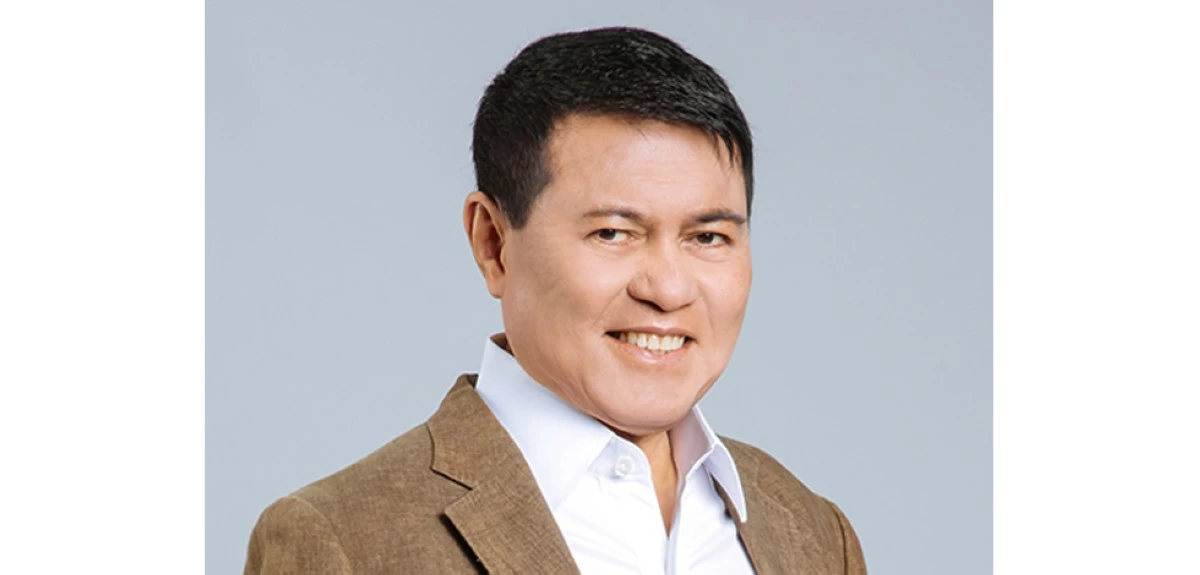
For comments, please send email to: mbv_secretariat@vistaland.com.ph and/ or mannyvillar.com.

The greatest comeback of all time


Published May 13, 2026 03:03 pm
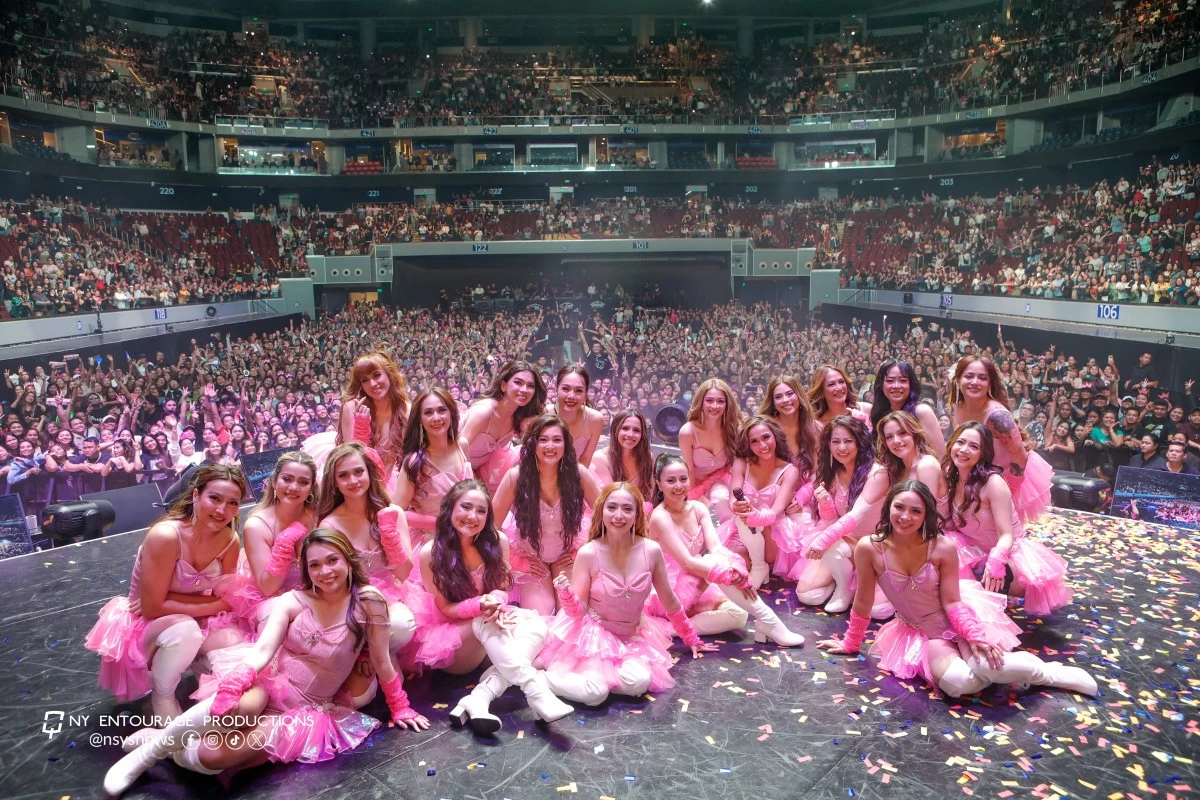
SexBomb Girls (NY ENTOURAGE Productions)
There are comeback stories… and then there is the glitter-bomb resurrection of the SexBomb Girls.
I bumped into their “Daddy" Jim Baltazar, on a recent flight.
Jim is the godfather that help Sexbomb bounce back like a spring, and boy, oh boy, his story wasn’t merely about producing a 25th Anniversary reunion concert, it was destiny wearing platform boots and yelling “Get! Get! Awww!”
"Actually, Rochelle Pangilinan is the only inaanak of mine in the group but now all of them fondly call me Daddy Jim. She, Sunshine, and Mia went to the office and asked if I can help produce their Anniversary concert….I decided to help them produce with the premise that Nancy Yang, Helen Yang and Susan Lim (NY Entourage Productions) will be the main producers since my expertise is Film Production and Nancy’s group is concert production,” the President and CEO of CMB Film Services whom Sexbomb girls call “Daddy Jim” recalled with a smile somewhere between fatherly pride and disbelief.
“I agreed to help produce the concert. We all believed the fans still remembered, still loved them…Araneta Coliseum was sold out! It was a smashing success. Then Nancy Yang had an idea to do round 2. I was hesitant at first but she managed to convince me , her sister Helen and Susan Lim. We sold out again so rounds 3 to 6 followed at ease because of the people’s clamor.”
That spark became the now phenomenal “Get, Get, Aw!: The SexBomb Concert,” a nostalgia tsunami that exploded far beyond expectations.
What started as a reunion concert became one of the biggest comeback stories in Filipino entertainment history.
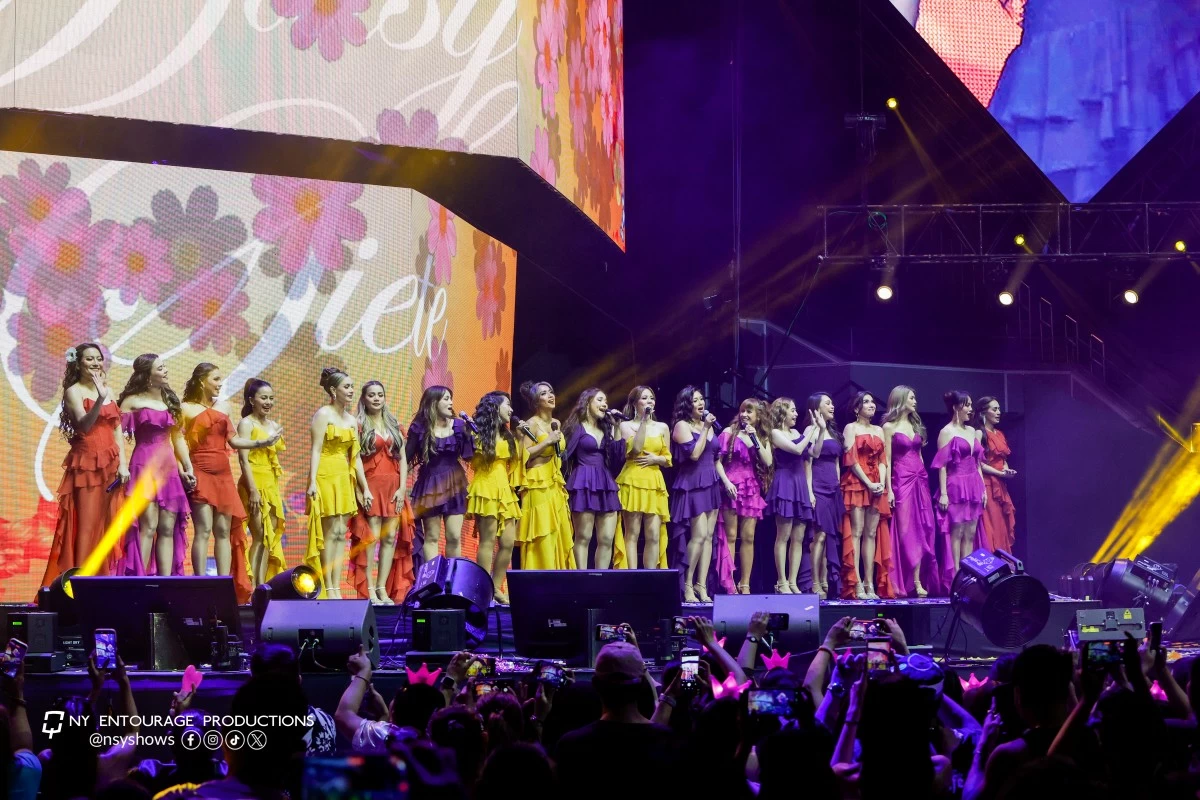
Photos from the “Final Rawnd 6” in Moa  from NY ENTOURAGE Productions
Photos from the “Final Rawnd 6” in Moa from NY ENTOURAGE Productions
The original December 2025 show at the Smart Araneta Coliseum sold so strongly that additional shows were mounted at the SM Mall of Asia Arena, including a massive 360-degree stage productions.
Daddy Jim tells Gossip Girl , “Through the concerts, they became the first Filipino act to sell out five MOA Arena shows, with online ticket queues reaching over 100,000 fans. The audience was not merely watching, they were reliving entire chapters of their youth. I saw screaming fans dancing in their seats to 'The Spageti Song,' 'Bakit Papa?' and 'Di Ko Na Mapipigilan.' Mayonnaise even appeared to perform 'Jopay' with Jopay Paguia, creating one of the concert’s most emotional moments. Gary Valenciano, Zsa Zsa Padilla, Ice Seguerra and even P-pop sensations Bini and Alamat joined later shows, proving the group’s appeal now spans generations.”
Critics praised the precision of the choreography, the elaborate staging, and the emotional pull of seeing the iconic dancers together again. Billboard Philippines reportedly called one concert a “living, breathing testament” to the enduring power of the group.
DZRH described it as a night of nonstop dancing and nostalgia. What makes the story even more beautiful is that before the success, many producers reportedly passed on the project. Some members allegedly even invested their own money just to make the reunion happen. Now? The comeback has gone global.
Photos from the “Final Rawnd 6” in Moa from NY ENTOURAGE Productions
As of the moment the Sexbomb girls just had another sold out concert in Honolulu and will be flying to mainland USA for for more performances and planned tour legs which include the Pechanga Resort and Casino and California dates in Lincoln and Beverly Hills while Canadian cities such as Toronto, Vancouver, Calgary and Winnipeg have already been booked this July.
As Daddy Jim finished recounting the story, he asked me if he could thank some people that made all six concerts a smashing LP success.
I obliged.
“Thank you to Rochelle Pangilinan and all the Sexbomb Girls, Nancy, Helen and Susan and NY Entourage Production Team, all the production teams especially Directors John Pratts, Paolo Valenciano and Nico Faustino , V-Roll Media, Spective Team, and CMB Film Services Inc.”
One thing became crystal clear: the SexBomb Girls wasn't a forgotten craze. Their songs were a generation’s soundtrack. And now, with confetti cannons blazing and arenas singing every lyric back to them, the Philippines is witnessing

Peso-Dollar Exchange/Index-Report


HAPPINESS IN TODAY'S WORLD


By Klaus Döring


Happiness in today's world is a complex, evolving state increasingly defined by mental well-being, meaningful relationships, and resilience rather than just material success. While often seen as elusive due to modern pressures, it is considered a manageable, intentional state of contentment and purpose. Genuine happiness stems from inner peace, while many struggle by equating it with constant pleasure.

As society pressures individuals to be happy, this "new religion" of constant positivity can create an impossible, exhausting task, leading to cynicism.

Feeling that the conditions of your life are good. Enjoying positive, healthy relationships with other people. Feeling that you have accomplished (or will accomplish) what you want in life. Feeling satisfied with your life. Feeling positive more than negative.

Happiness is a state of mind. Specifically, it is a state of “well-being and contentment.”

But the definition can be tricky and assumptions about the word can cause confusion. Many don’t even realize learning how to be happy is something that can be intentionally practiced. Some people, when they hear the word ‘happiness,’ assume it is speaking of an emotion such as pleasure or joy. For them, it is what people feel in the immediate here and now.

This is the reason some people say, “Don’t pursue happiness, seek joy. Happiness is fickle and fading, joy remains forever.”

But this short-term definition of happiness is not how everyone understands the word. Some define it to mean long-term satisfaction.

In fact, when I speak of experiencing happiness in life, I am not thinking of short-term emotions at all. I think of a quality of living—a much longer-term view of the word.

Both definitions are understood to be correct and speak of different realities.

But are they really that different? I don’t think so.

After all, a long-term experience of life satisfaction is almost certainly made up of many short-term feelings of joy and pleasure. Does that mean every day is a great day with no trials, temptations, or downturns? Certainly not. But it does mean when we look back at the many seasons of life, we can look back satisfied at how we navigated them.

The long-term feeling of life satisfaction is most experienced when we embrace the emotion of joy in the here and now.

And we accomplish that by taking steps each day to be happy.

What makes you feel happy now? Doing something you're good at, such as cooking or dancing, is a good way to enjoy yourself and have a sense of achievement. Try to avoid things that seem enjoyable at the time but make you feel worse afterwards, such as drinking too much alcohol or eating junk food.

Why is being happy important? Experiencing happiness is important for our emotional and physical health. A stronger sense of happiness and wellbeing has been shown to lead to better relationships, increase social connection and contribution to the lives of others, as well as contributing to healthier physical wellbeing.

Is being happy the most important thing in life? Happy people are healthier all around and more likely to be healthy in the future. Happy people live longer than those who are not as happy. Happy people are more productive and more creative, and this effect extends to all those experiencing positive emotions.

Am I happy? Yes. Living in the Philippines for almost 28 years for good, I learned to be happy. Even during hard times. Filipinos are generally a happy people. They can smile whatever the situation. Their happy-go-lucky nature and positive mindset allow them to bounce back from the direst of circumstances, from disasters, from wars, and surely from today's global situation.


Questions, comments or suggestions? Email me: doringklaus@gmail.com or follow me on Facebook or LinkedIn  or visit one of my websites www.germanexpatinthephilippines.blogspot.com or www.klausdoringsclassicalmusic.blogspot.com .

Why is the Filipino culture very loving, huggable, patient, fun, understanding, and warm?


Faith, family and friends in a nutshell

The jeepney is where it all happens. You squish yourself between total strangers everyday. No social distancing. Pure invasion of your so-called personal space. You can smell each other there. Then, you have to be patient with the endless stops along the route and the traffic jams. You need to be kind and understanding by handing over the payment of the persons near the exit to the driver and back (for the change). You need to shout “para!” (stop) in case the driver did not hear the soft voice of the passenger near the exit.

Even some houses are squished together so next-door neighbors know the troubles of each other which they can easily hear through the thin walls that separate them. “I know what happened yesterday” smiles when you see each other the next day. Chitchats are common in the neighborhood store called sari-sari.

A regular Church goer will be taught to love God with your whole heart, mind and soul and then to love your neighbor as yourself. Even love your enemies!

Families, when they can afford, celebrate birthdays, anniversaries, weddings, graduation, baptismals, job promotions, baby showers, baby’s gender reveal, etc. Eating together is bonding time. We are the only people who eat as much as 6 times a day!

However, we do have a mean shadow and it is the exact opposite of all of those traits. So, be gentle as doves but be wise as serpents. Especially when ìt comes to money.

In the Philippines, nobody gets jailed/arrested for not paying personal loans without collateral and promissory note. So, be very very careful in lending money to so-called friends. Only lend money which you can afford to lose, i.e. not be paid back no matter how hard you try to collect.

Overall, welcome to the Philippines and I hope you enjoy your stay in our beautiful tropical islands!