
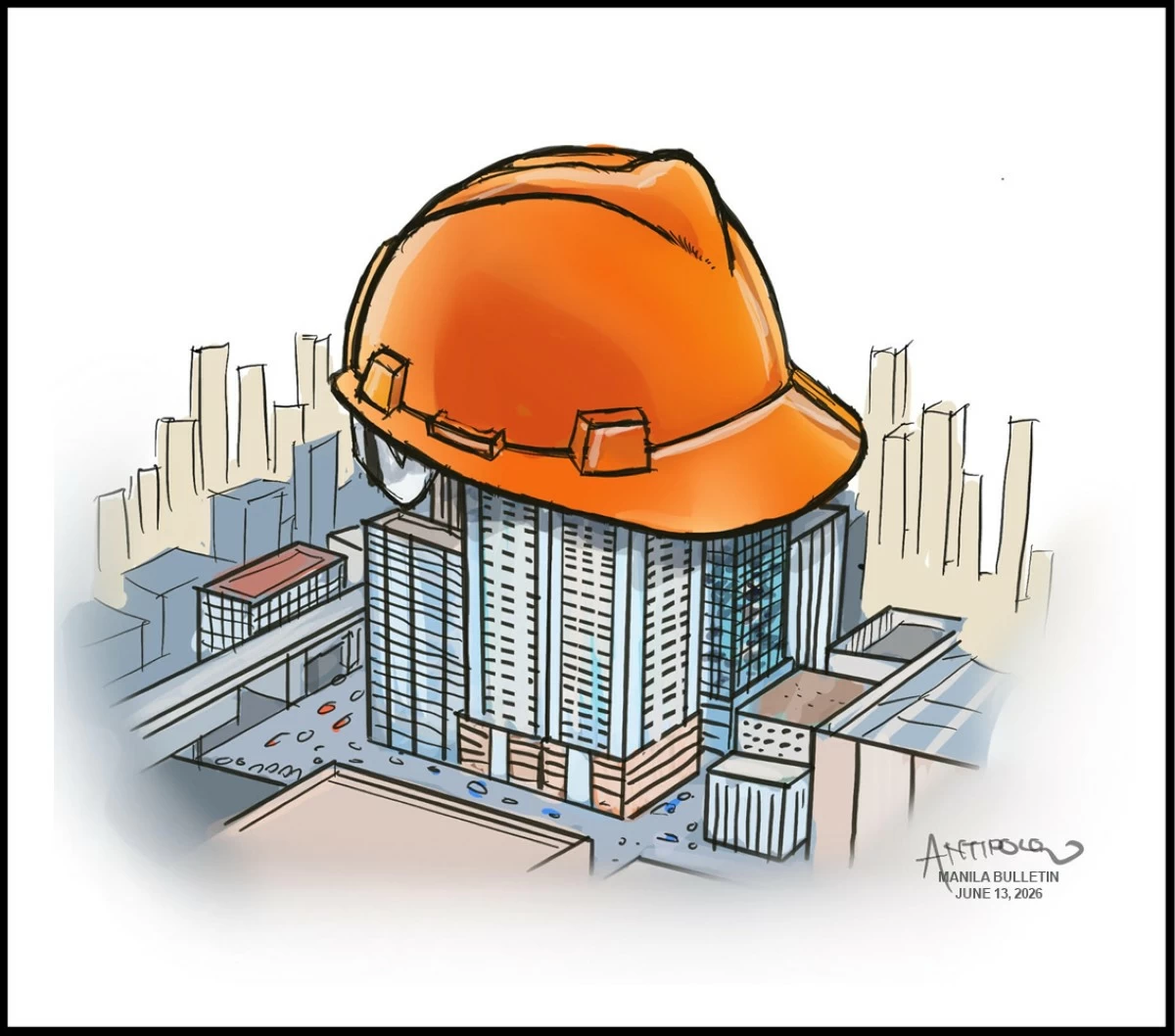
The magnitude-7.8 earthquake that struck Mindanao early this week is a tragedy that calls for both compassion and reflection. Lives were lost, families were displaced, and homes, businesses, and public infrastructure suffered damage. As affected communities begin the difficult task of recovery, the nation mourns with them and hopes for their swift rebuilding.
In moments like this, it is important to remember that earthquakes are among the few natural disasters humanity cannot predict or prevent. What can be controlled, however, is the degree of preparedness before disaster strikes.
The Philippines sits squarely along the Pacific Ring of Fire, making it highly vulnerable to earthquakes and volcanic eruptions. At the same time, the country lies in the path of powerful typhoons. This combination makes disaster preparedness not merely a policy objective but a national necessity.
The recent earthquake should remind us that seismic risks are not confined to one region. Metro Manila, home to more than 14 million people and the center of much of the country’s economic activity, faces its own long-recognized threat from West Valley Fault.
Experts have repeatedly warned of “The Big One,” a potentially devastating earthquake that could strike National Capital Region (NCR) and nearby provinces. Estimates cited by the World Bank suggest such a disaster could claim as many as 51,500 lives, injure about 114,000 people, and inflict economic losses equivalent to roughly 12 percent of the country’s gross domestic product (GDP). Essential services, transportation networks, schools, hospitals, and businesses could also be severely disrupted.
These figures are not meant to alarm. Rather, they illustrate what is at stake and why investments in disaster resilience cannot be delayed indefinitely.
Preparedness goes beyond emergency drills, evacuation plans, and go-bags. It also means strengthening public infrastructure, retrofitting vulnerable buildings, improving emergency response systems, and ensuring that schools and other public facilities can better withstand powerful earthquakes.
This is why delays in earthquake-resilience projects are particularly concerning.
Five years after the approval of a World Bank-supported project aimed at strengthening earthquake preparedness in Metro Manila, implementation remains behind schedule. The latest World Bank assessment acknowledged recent progress, including advances in school retrofitting and other project activities. Yet the project continues to carry a “moderately unsatisfactory” rating, while a substantial portion of the available financing remains undisbursed.
The World Bank’s latest review noted that implementation has improved but that remaining activities must be accelerated to achieve the project’s objectives. Every delay represents lost time and missed opportunities to reduce risks before disaster strikes.
Had critical resilience measures been completed sooner, more public facilities and communities would already be better protected today. While no project can eliminate the destructive force of a major earthquake, timely implementation can save lives, reduce damage, and speed recovery.
The objective should not be to assign blame. Large-scale infrastructure and disaster-risk reduction projects are often complex undertakings that face technical and administrative challenges. Nevertheless, complexity cannot become an excuse for complacency.
The Department of Public Works and Highways (DPWH), together with other implementing agencies and stakeholders, must continue to fast-track implementation while maintaining transparency, accountability, and quality. More broadly, earthquake preparedness must remain a national priority—not only in Metro Manila but throughout the country.
The tragedy in Mindanao reminds us that natural disasters are not abstract risks discussed only in studies and reports. They affect real communities and real lives. The next major earthquake may come years from now or without warning. What remains within our control is how prepared we choose to be when it does.

No comments:
Post a Comment