
By Nick Alviar
INCITING INSIGHTS
We woke up one day with a huge rally in EDSA on June 30 organized by the Iglesia ni Cristo (INC) in support of one of its prominent members involved in politics, Senator Rodante Marcoleta. Reportedly without securing a permit beforehand from local authorities, that lightning organized protest of around 9,000 religious followers caught the police and traffic enforcers by surprise as thousands of daily EDSA commuters endured long hours of traffic and inconvenience travelling to and from work and school. According to news accounts, when authorities attempted to clear vehicles blocking EDSA-White Plains Avenue, tensions flared leading to confrontation and several arrests (“Thousands join INC rally on EDSA,” Manila Bulletin, 30 June 2026). The day before, Ombudsman Jesus Crispin Remulla said that plunder charges against Sen. Marcoleta may be filed soon over alleged campaign donations during the 2025 elections which he did not disclose in his Statement of Contributions and Expenditures upon his own public admission aired on a TV program. The protest was also attended by several political figures, including Sens. Imee Marcos and Alan Peter Cayetano, who belong to the Senate minority bloc with Sen. Marcoleta. The rally continued the next day and then, moved to Liwasang Bonifacio in Manila on the third day.
Some political analysts interpret this as a show of force for government and politicians to realize the capability of the religious sect’s leaders to mobilize their followers within a short span of time to support a cause they have identified.
Two days earlier, on June 28, another religion-related rally was held in the same EDSA People Power Monument dubbed the White Ribbon March. Securing the required permit days before, Church and civil society groups called for government accountability amid the ongoing probe into flood control corruption scandals and impeachment proceedings against Vice President Sara Duterte. Sticking to these issues, BAYAN President Renato Reyes emphasized that the protest is neither pro-Marcos nor pro-Duterte. The event started with a mass celebration presided over by Catholic Bishops’ Conference of the Philippines (CBCP) Inter Religious Leaders’ Council for National Transformation lead convenor and Kidapawan Bishop Jose Colin Bagaforo who called on government officials to stop being self-centered and embody the selflessness of Jesus Christ. “We believe that a better future can only be achieved through better politics, politics that serves the people’s interests, protects human dignity and is guided by justice rather than greed,” he said in a previous statement. Afterwards, personalities from various religious groups and civil society spoke about major political issues afflicting our country, particularly, corruption and the need to fight against it. The Philippine National Police (PNP) said that no untoward incident took place, and the gathering was generally peaceful. Although traffic slowed down a bit near the People Power Monument with barriers set up to manage the flow of vehicles on this no-work Sunday. It helped that motorists were previously advised to plan alternative routes so as not to inconvenience the public.
The contrast between the two religion-inspired rallies is noticeable in terms of organization, cause, and public reception. It is worth noting that the White Ribbon focused on political issues: corruption and accountability, is composed of diverse groups of civil society organizations fighting for change and reform including ideologically opposed groups like the Catholic Church and leftist movements but united by a common cause, and is generally peaceful according to the PNP, well planned with a secured permit on a Sunday.
The deeper question to be asked though is whether religious groups should be involved in politics. Must a religion which ideally should be helping people in their spiritual needs and is concerned about the afterlife support political agenda, confront secular issues such as impeachment and investigations on flood control anomalies, encourage followers to go to the streets to protest against the government, specify whom to vote during elections?
For the Catholic Church, there are documents, for example, the CBCP Pastoral Exhortation on Philippine Politics (1997), which provide clear-cut principles to guide the behavior of Catholics in politics. While Church leaders are discouraged from directly getting involved in purely political matters, the lay persons must realize their obligation to live their faith in public life, and to transform society following the Christian teachings on truth and justice, human dignity, common good, preferential option for the poor, solidarity and subsidiarity, fulfilling all these with personal freedom and responsibility … and creativity.
In this latter sense, yes religion may get involved in politics by providing guidelines on the moral and spiritual dimensions of politics, and by encouraging the lay persons to make them a reality.
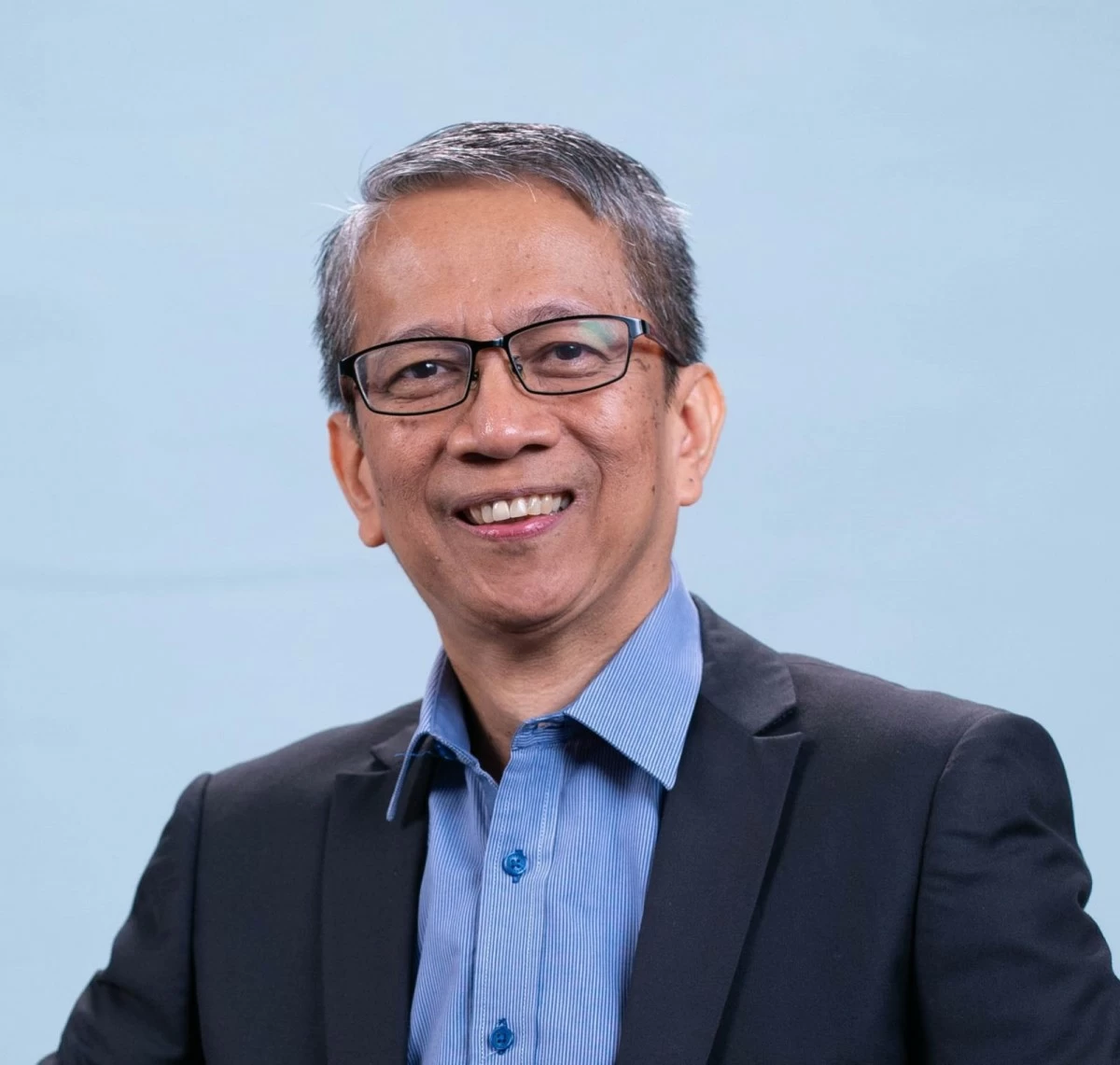
Nicomedes ‘Nick’ Alviar, PhD is with the School of Politics and Governance, University of Asia and the Pacific (UA&P).

No comments:
Post a Comment