
Fashion and art have always influenced each other, but for designer Happy Andrada, her latest collaboration with Fundación Sansó was less about borrowing imagery and more about reinterpreting it. The challenge was to transform Juvenal Sansó's paintings into garments that could be worn, touched, and experienced.
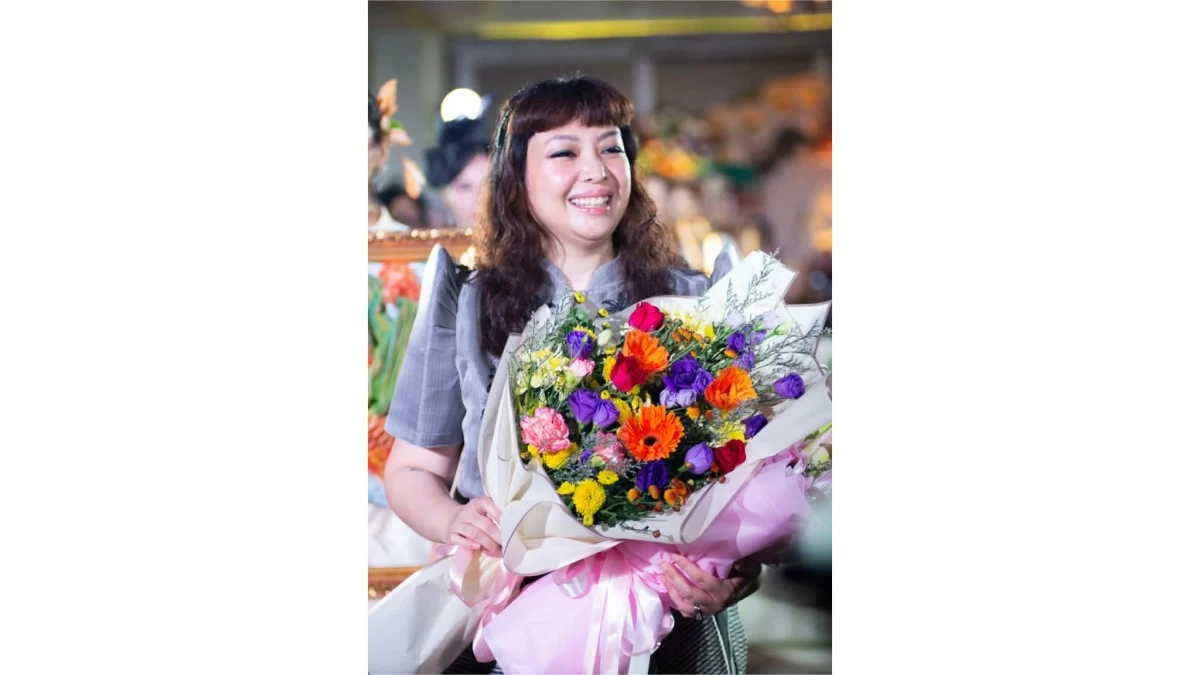
Happy Andrada
Unveiled at Discovery Primea on June 6, the Happy Andrada x Sansó collection draws inspiration from the works of the renowned Filipino artist, whose landscapes, florals, and richly textured compositions have captivated audiences for decades.
The collaboration began with what was meant to be a simple visit. Invited to explore Fundación Sansó, Happy found herself immersed not only in the artist's works but also in the story behind the man himself.
"What started as a simple conversation gradually evolved into a much bigger idea, a solo collaborative exhibition and collection. The moment it was presented to me, I became incredibly excited. Ideas started flowing immediately," Happy tells Manila Bulletin Lifestyle.
As she learned more about Sansó, she discovered unexpected parallels between their creative journeys. Sansó was a printmaker. Happy studied printmaking in London. He worked as a fashion illustrator and collaborated with Cristóbal Balenciaga, whose work she greatly admires. She also began her creative journey as a painter before focusing on fashion.
"Beyond the artworks themselves, it was his creative journey and multidisciplinary practice that truly inspired me," she says. "This is the first time I have directly created a collection inspired by a specific artist and his body of work."
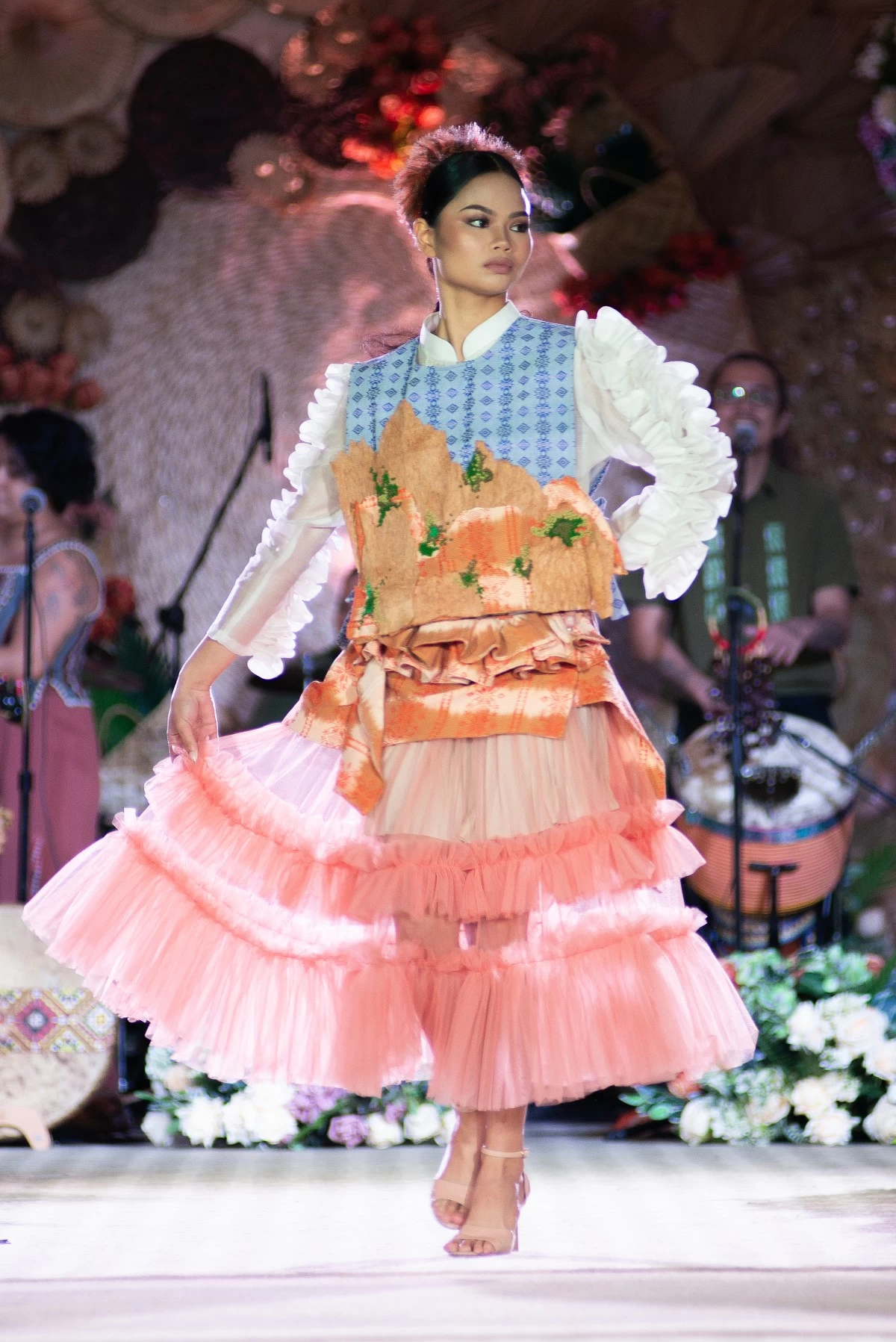
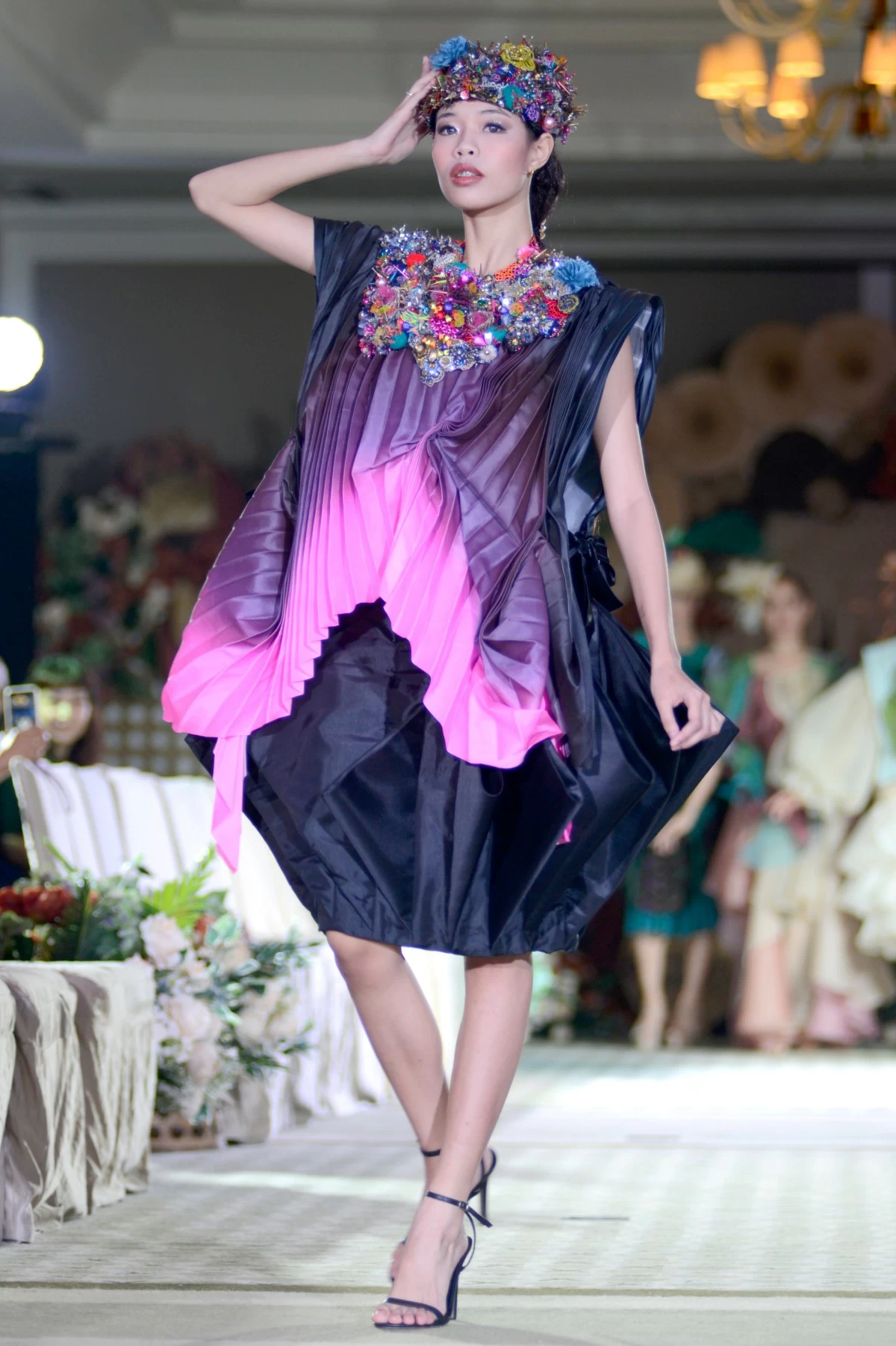
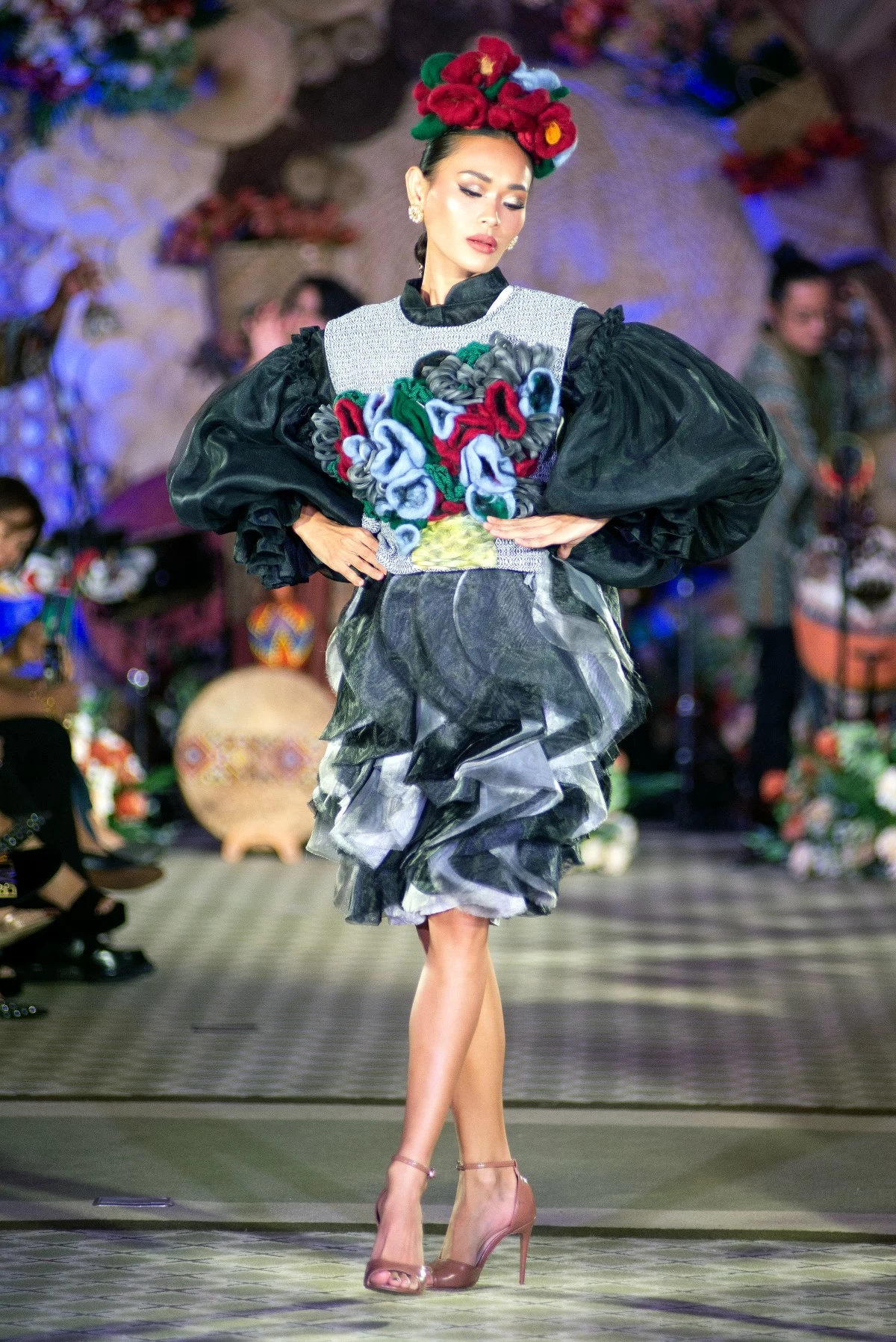
The connection feels particularly fitting given Sansó's own multidisciplinary background. While best known for his paintings of flowers and landscapes, the artist also explored printmaking, textile design, theater design, and costume design throughout his career.
Rather than simply reproducing Sansó's paintings through prints or painted garments, Happy challenged herself to reinterpret his visual language through texture and craftsmanship.
For the collection, she explored airbrushing, felting, embroidery, crochet, beadwork, punch-needle work, borro, weaving, and hand painting. Since she was paying tribute to a painter, she consciously avoided relying solely on paint.
“Areas that felt soft, atmospheric, or fluid were interpreted through color and airbrushing, while elements that carried more depth, energy, or organic movement were translated into sculptural surfaces through felting and other textile techniques,” she explains about her execution.
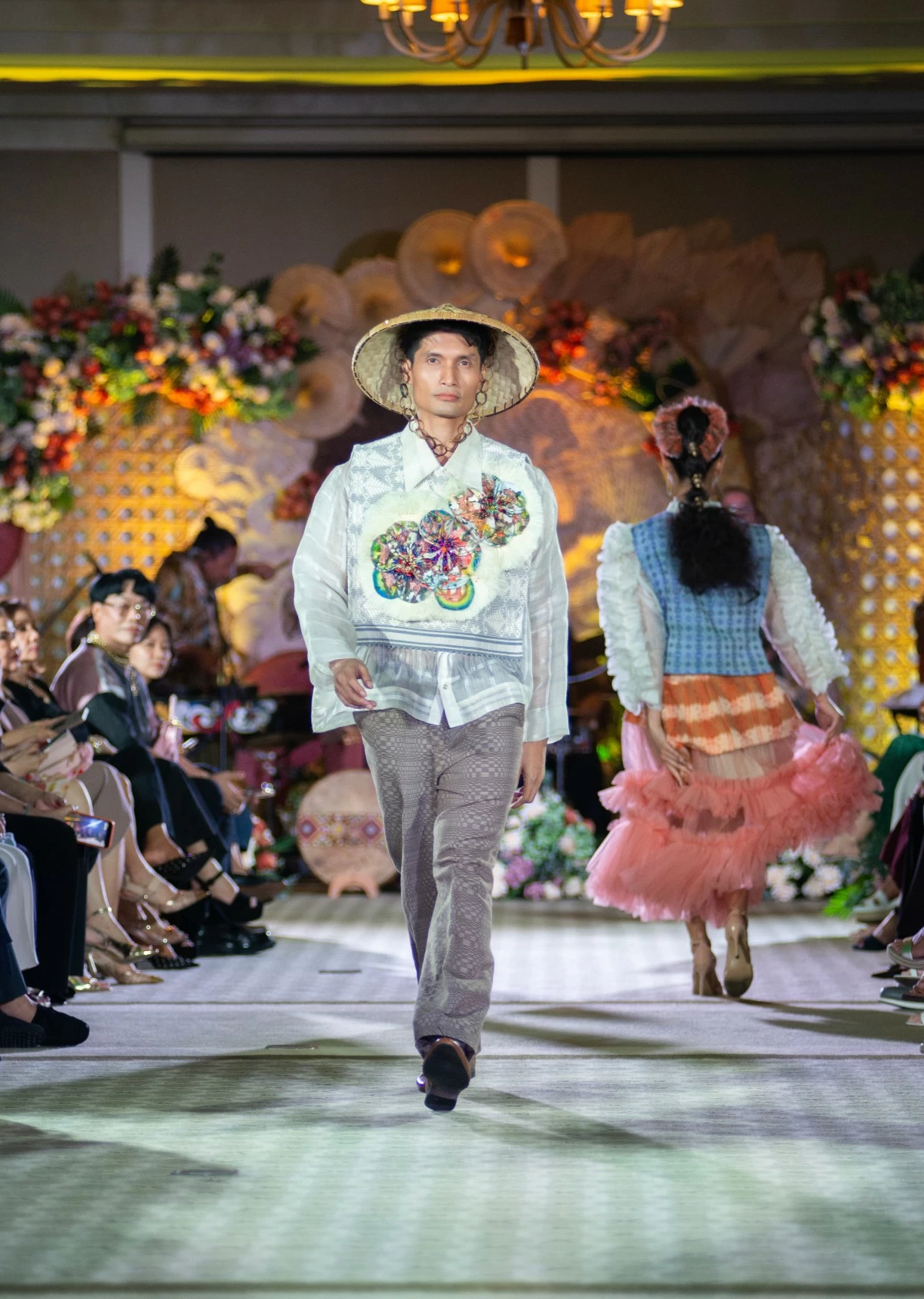
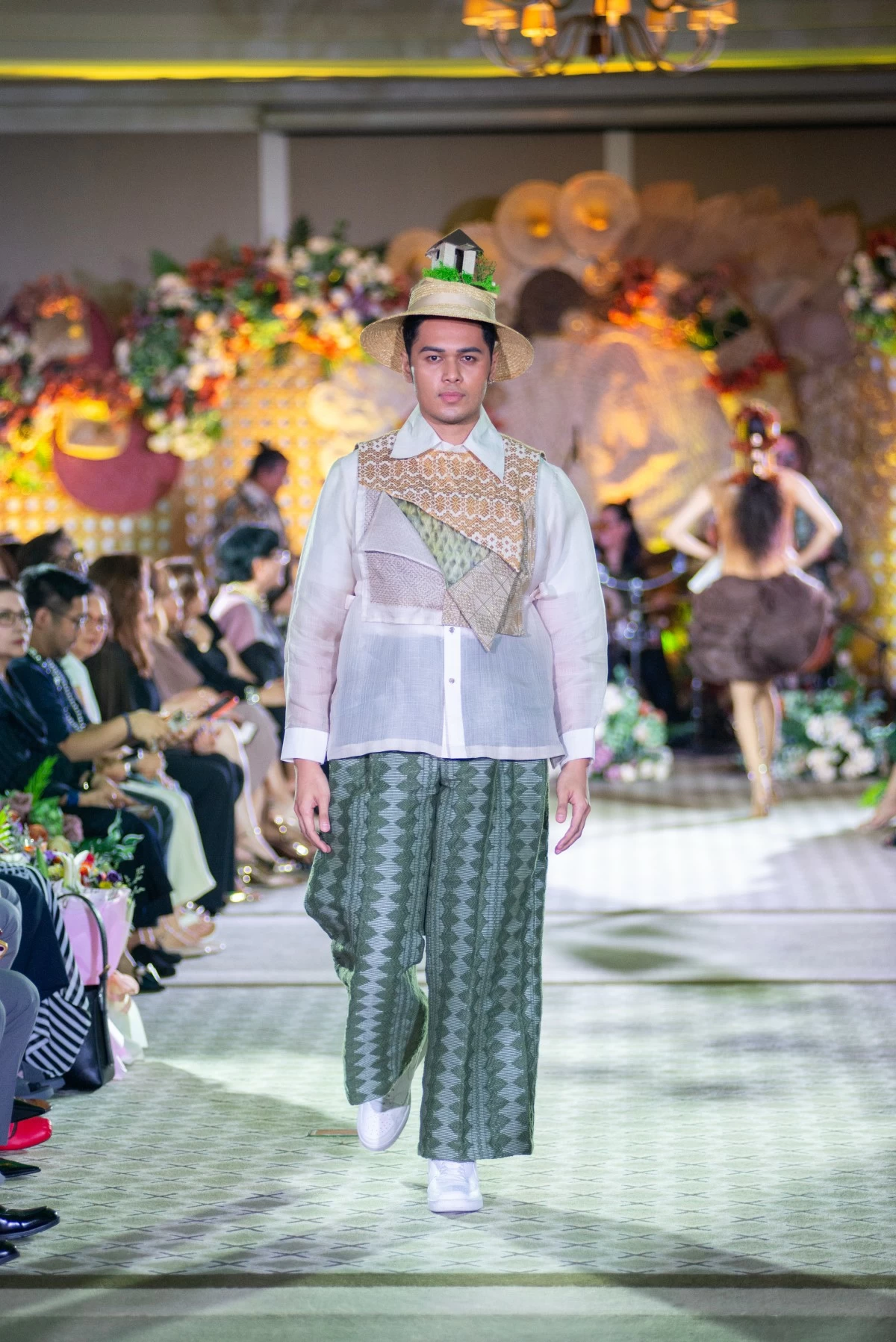
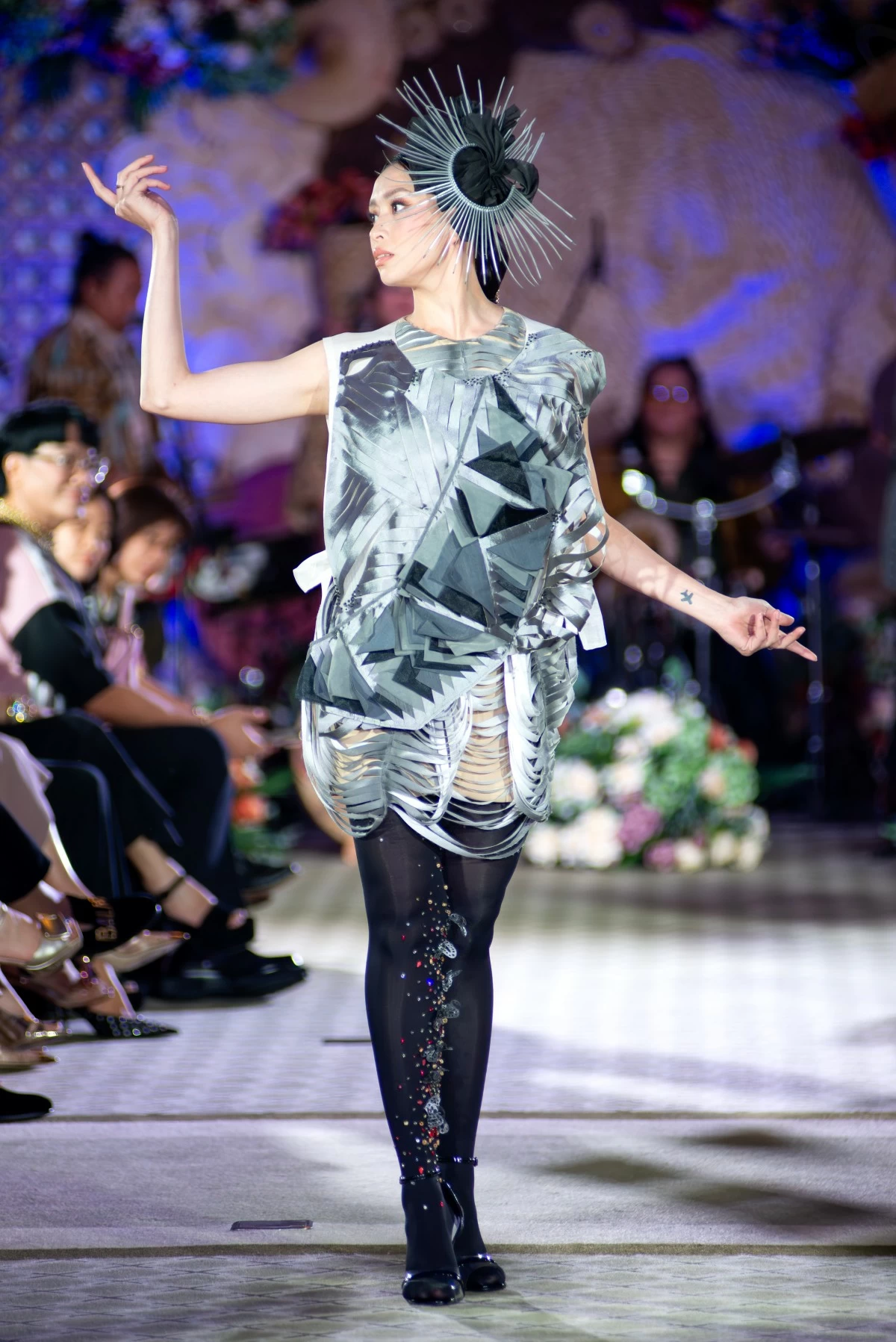
Among Sansó's extensive body of work, it was his transitional floral paintings that resonated with the designer the most. "There's a quiet shift in energy, the darkness begins to soften, and color starts to emerge," Happy smiles. "The forms feel alive, almost like emotions unfolding into blooms."
The project also became a celebration of Philippine craftsmanship. Happy sourced materials from weaving communities across the country, incorporating piña, abaca, t'nalak, binakol, abel pinilian, yakan weaves, bamboo textiles, and other indigenous materials into the designs. Fabrics and weaves came from Ilocos, Baguio, Cavite, Sulu, Basilan, Palawan, Lake Sebu, and Aklan.
Initial discussions started in 2024, but the project was eventually moved to this year. The delay gave the concept room to develop more naturally—from an eight-piece collection that expanded to 30 looks.
When the Fundación Sansó team saw Happy’s first pieces and placed them beside Sansó's paintings, the designer knew she was on the right track. "That was a real 'aha' moment for me," she recalls. "Seeing that connection made everything click into place and gave me the confidence to move forward."
This collaboration also supports the community. Fundación Sansó continues the late artist's commitment to nurturing future generations through scholarship and grant programs that support emerging artists, curators, and museum workers. A significant portion of the proceeds from the collection will help fund these initiatives.
What began as a visit to Fundación Sansó eventually became a conversation between two artists separated by time but connected by craft. One worked with paint, the other with fabric. In Andrada's hands, Sansó's paintings leave the gallery wall and find another way of being seen.

No comments:
Post a Comment