
A two-storey house being swallowed by a raging river should never be dismissed as just another dramatic video content.
But that was precisely what happened in Barangay Sta. Rita-Sto. Cristo, Lubao, Pampanga, on Aug. 28. As floodwaters surged, the riverbank gave way and a home was swept into the torrent and then swallowed by the rampaging floodwater in a matter of minutes. The terrifying and heart-wrenching scene is a warning—and an indictment of how dangerously unprepared communities remain for extreme flooding.
The timing could hardly be more ominous. On Aug. 29, PAGASA placed Pampanga and neighboring provinces under a red rainfall warning as the southwest monsoon, or habagat, continued to dump heavy rain over parts of Luzon. A red warning means serious flooding is expected in flood-prone areas.
The Sta. Rita Dam incident exposes a problem far bigger than one overwhelmed structure.
The National Irrigation Administration said a huge volume of water rushed downstream and overwhelmed the dam, while debris from forests and agricultural areas accumulated and clogged some of its gates. The resulting surge damaged portions of the slope protection and retaining wall.
That demands accountability. But accountability must be comprehensive.
The government must answer for whether dams, dikes, drainage systems, and flood-control structures are properly designed, maintained, inspected and upgraded. It must explain whether danger zones are being enforced and why residential structures continue to exist along vulnerable riverbanks and dikes.
But the government is not the only actor responsible.
Illegal logging and destructive land-clearing practices, including kaingin in vulnerable upland areas, must be confronted because denuded watersheds can worsen erosion and send enormous amounts of debris downstream. If investigations establish that illegally cut timber or other improperly managed upland debris contributed to the obstruction at Sta. Rita, those responsible must be held accountable.
Residents, too, must face the truth, unforgettable as it may be: Like them, a river needs space to avoid swelling.
Building houses on dikes, easements, and riverbanks may appear harmless when the river is calm. During extreme rainfall, however, such structures can endanger lives—and serve as obstacles that complicate flood management and evacuation.
The answer is not another round of promises after disaster strikes.
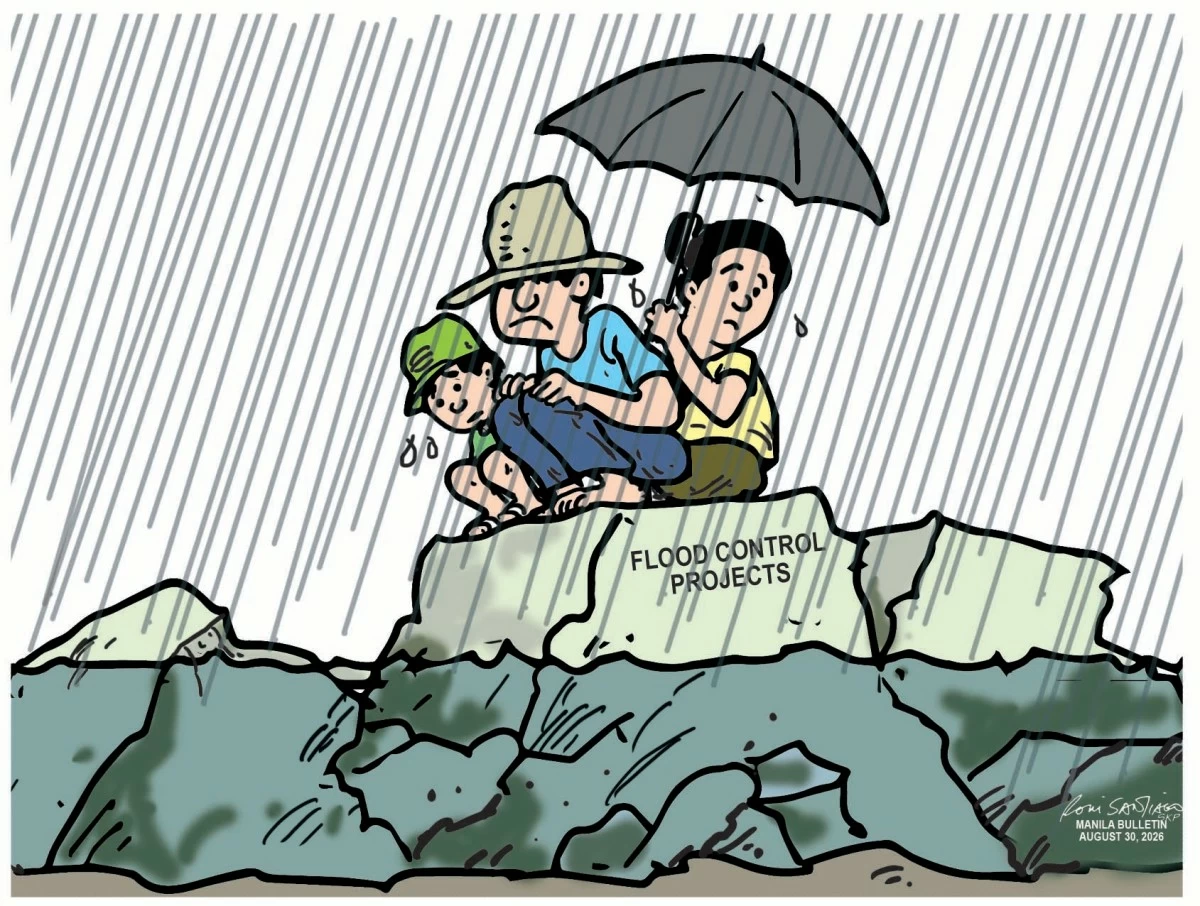
The government must pursue integrated flood mitigation: Rehabilitate watersheds, enforce river easements, clear waterways and drainage channels before the rainy season, modernize dams and dikes, strengthen flood forecasting and early-warning systems, and conduct regular independent safety audits of critical infrastructure. Flood-control projects must also be transparent, scientifically designed, and subjected to public scrutiny.
The private sector must do its share. Developers must respect hazard maps and no-build zones. Industries must prevent waste and debris from entering waterways. Companies can finance watershed rehabilitation, river cleanup, community early-warning systems and disaster-preparedness programs—not merely distribute relief goods after floods.
And every Filipino has a responsibility.
Do not dump garbage into waterways. Do not build illegally on riverbanks and dikes. Report illegal logging, destructive land clearing, and unsafe construction. Heed evacuation orders. Participate in community disaster-preparedness efforts. Most importantly, demand accountability for every peso spent on flood-control infrastructure.
Climate and extreme weather may be beyond anyone’s control. But negligence is not.
The house swept away in Lubao should therefore become a national lesson. Flooding is not simply a natural disaster. Its consequences are shaped by decisions made in government offices, boardrooms, forests, farms, construction sites, and communities.
The Lubao river has delivered its warning.
Now the country must decide whether to listen, or wait for the next structure to disappear.


