You plan to move to the Philippines? Wollen Sie auf den Philippinen leben?

There are REALLY TONS of websites telling us how, why, maybe why not and when you'll be able to move to the Philippines. I only love to tell and explain some things "between the lines". Enjoy reading, be informed, have fun and be entertained too!

Ja, es gibt tonnenweise Webseiten, die Ihnen sagen wie, warum, vielleicht warum nicht und wann Sie am besten auf die Philippinen auswandern könnten. Ich möchte Ihnen in Zukunft "zwischen den Zeilen" einige zusätzlichen Dinge berichten und erzählen. Viel Spass beim Lesen und Gute Unterhaltung!


Visitors of germanexpatinthephilippines/Besucher dieser Webseite.Ich liebe meine Flaggensammlung!

free counters

Total Pageviews

Sunday, September 6, 2026

The future of the Philippines will be shaped by today's youth


The future of the Philippines will be shaped by today's youth.
Our goal is to create opportunities through martial arts, regenerative farming, environmental education, and community support.
We're just getting started, and every follower helps us reach more people who can help make this vision possible.
See less

A STAR IS BORN: Lea Salonga makes Hollywood history


Published Sep 6, 2026 08:51 am
Broadway Icon Lea Salonga (Instagram)

Broadway icon Lea Salonga is now officially the first Filipina to receive a star on the Hollywood Walk of Fame.

Lea received the landmark’s 2,855th star.

The ceremony was held on Sept. 4 at 11:30 a.m. (2:30 a.m. on Saturday, Sept. 5, in Manila) in front of the historic Pantages Theatre on Hollywood Boulevard.

Fellow Disney icons Ming-Na Wen and Brandy, along with Filipino American Broadway star Darren Criss, were present at Friday’s ceremony, which was hosted by Sibley Scoles.

In her speech, Lea described the event "a full-circle moment."

"I have walked down these streets many times; I've stepped on a lot of famous people, and now people get to step on me. Which feels strangely appropriate for show business. I love a full-circle moment," Lea said.

She continued by looking back on her career, recalling herself as the seven-year-old Lea who loved to sing and dance but never really knew if she had a future in the world of theater.  

"I was a little girl in the Philippines who loved to sing and perform. I started working when I was very young, and I certainly did not have a grand plan for how any of this was supposed to unfold; I just love doing it," she said.

Lea admitted that it was a bumpy road from the start, but with the help of the right people who took a chance on her, she was fortunate enough to pursue the thing she loves most.


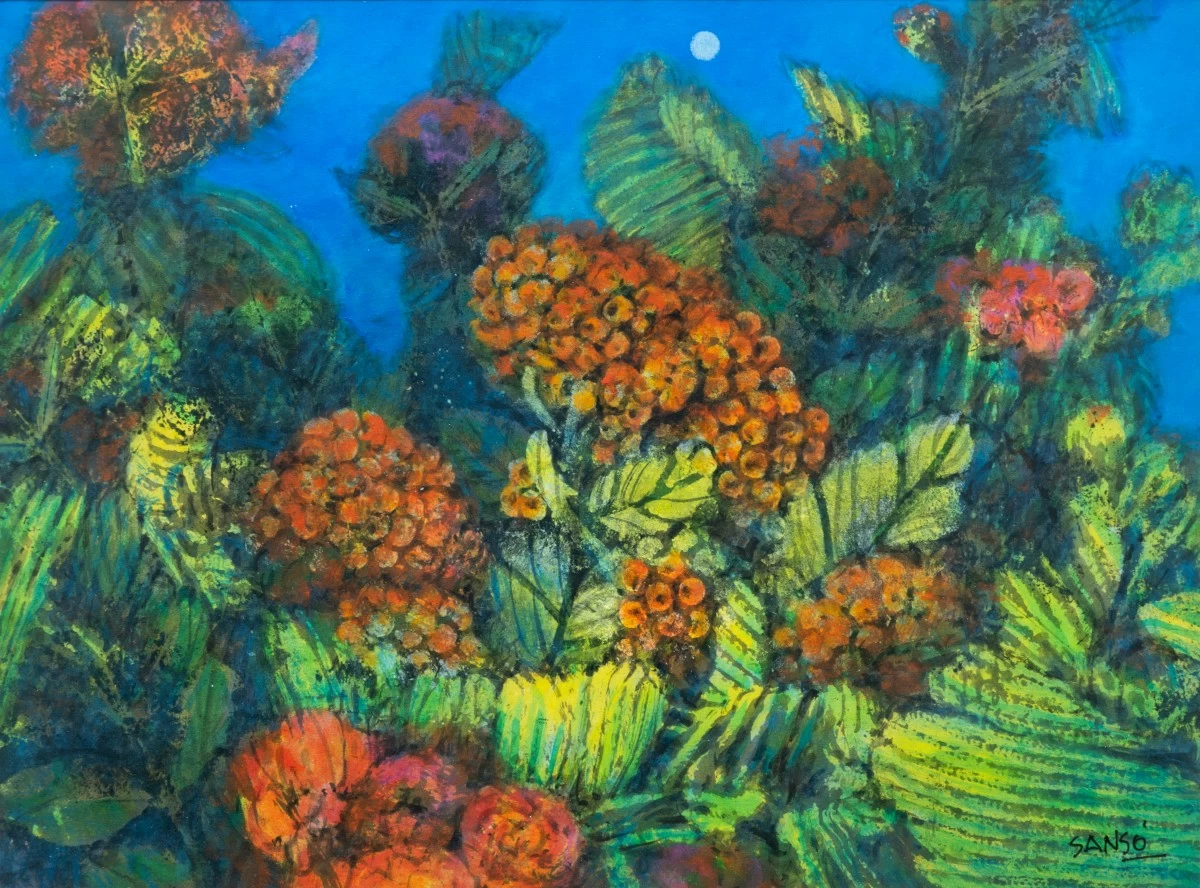
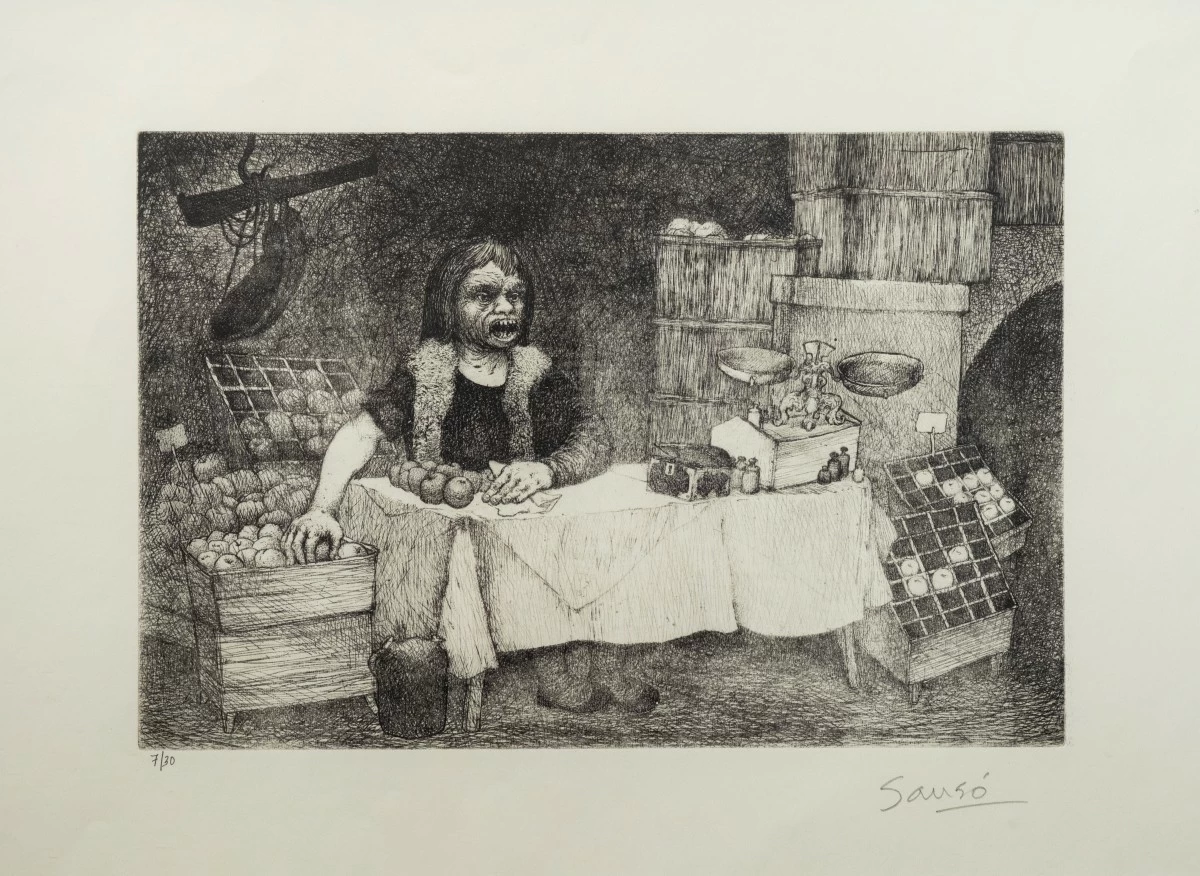
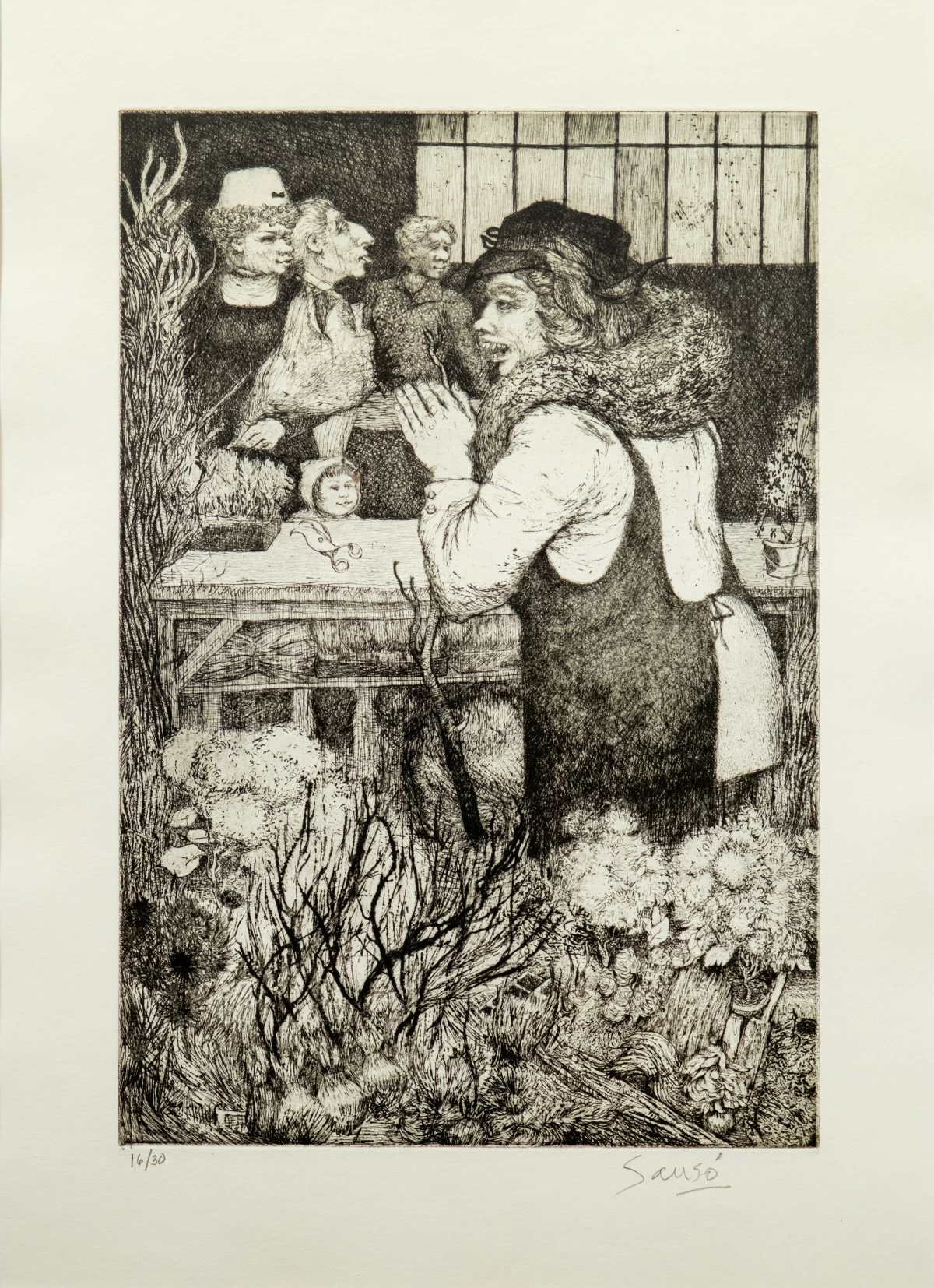
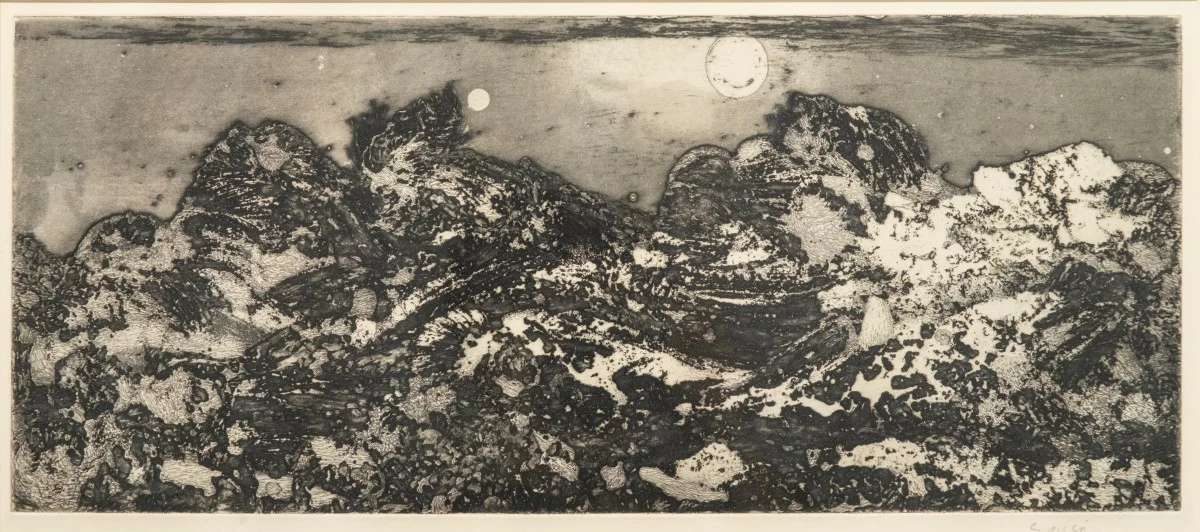
Why 'Sansó: Pusong Pilipino' is a must-visit at the National Museum


By Jane Kingsu-Cheng

Published Sep 6 2026 11:16 am

Walking into a major art exhibition can feel overwhelming, especially when the artist has worked for decades and explored different styles and mediums.
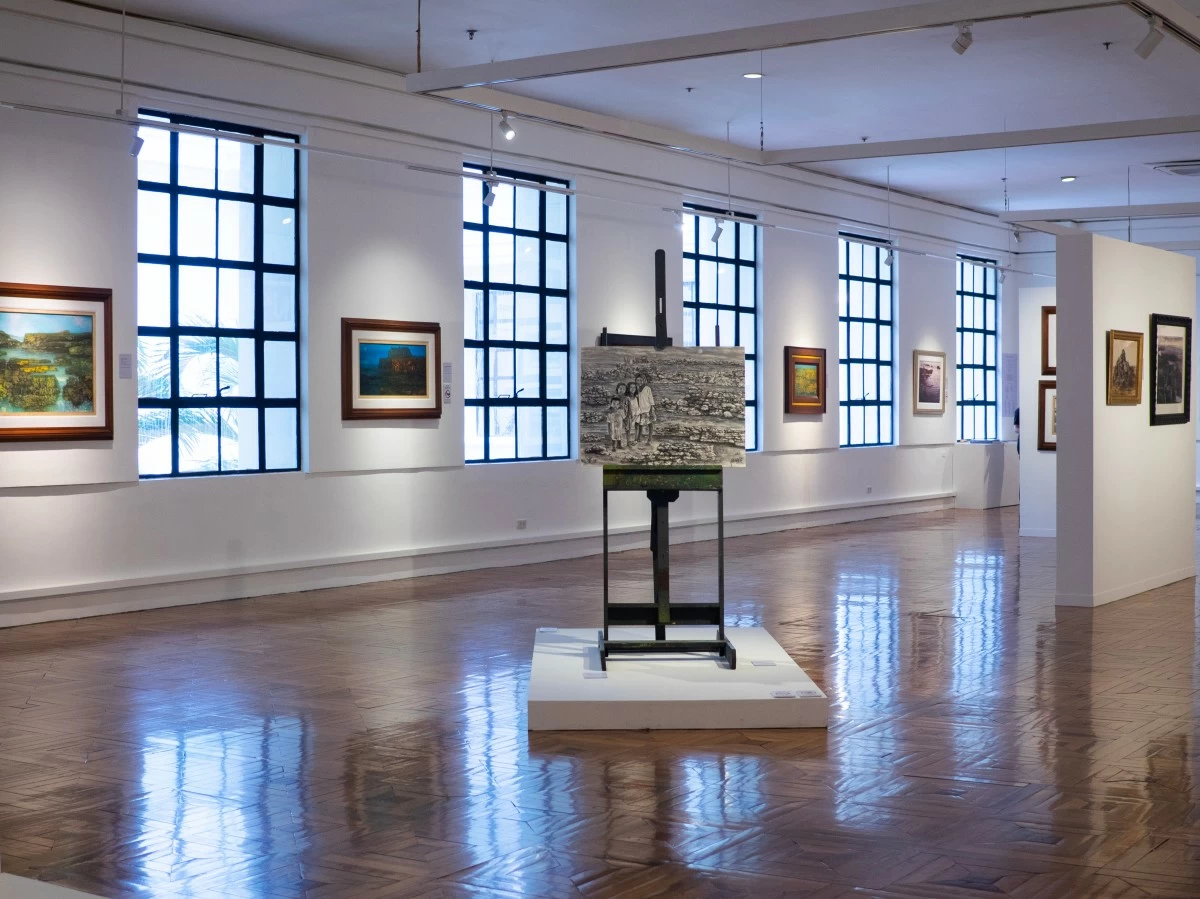
“Sansó: Pusong Pilipino,” now on view at the National Museum of Fine Arts, makes the experience easier to appreciate. The exhibition was formally celebrated on Aug. 26 with a program at the Old Senate Hall of the National Museum of the Philippines, Manila City.
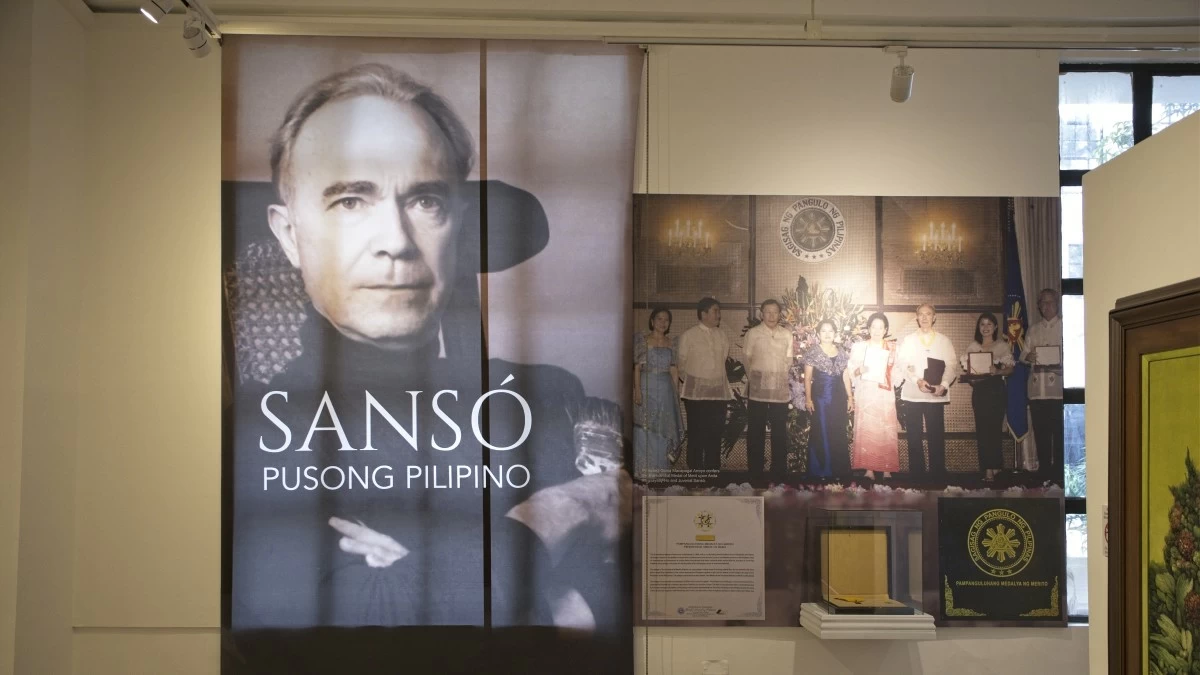
“Sansó: Pusong Pilipino” (Photos: Fundacion Sansó)
Organized thematically, the show traces how Juvenal Sansó’s ideas and artistic practice developed over more than seven decades, from early student works and figurative pieces to landscapes, prints, textile design, fashion illustration, and later paintings.
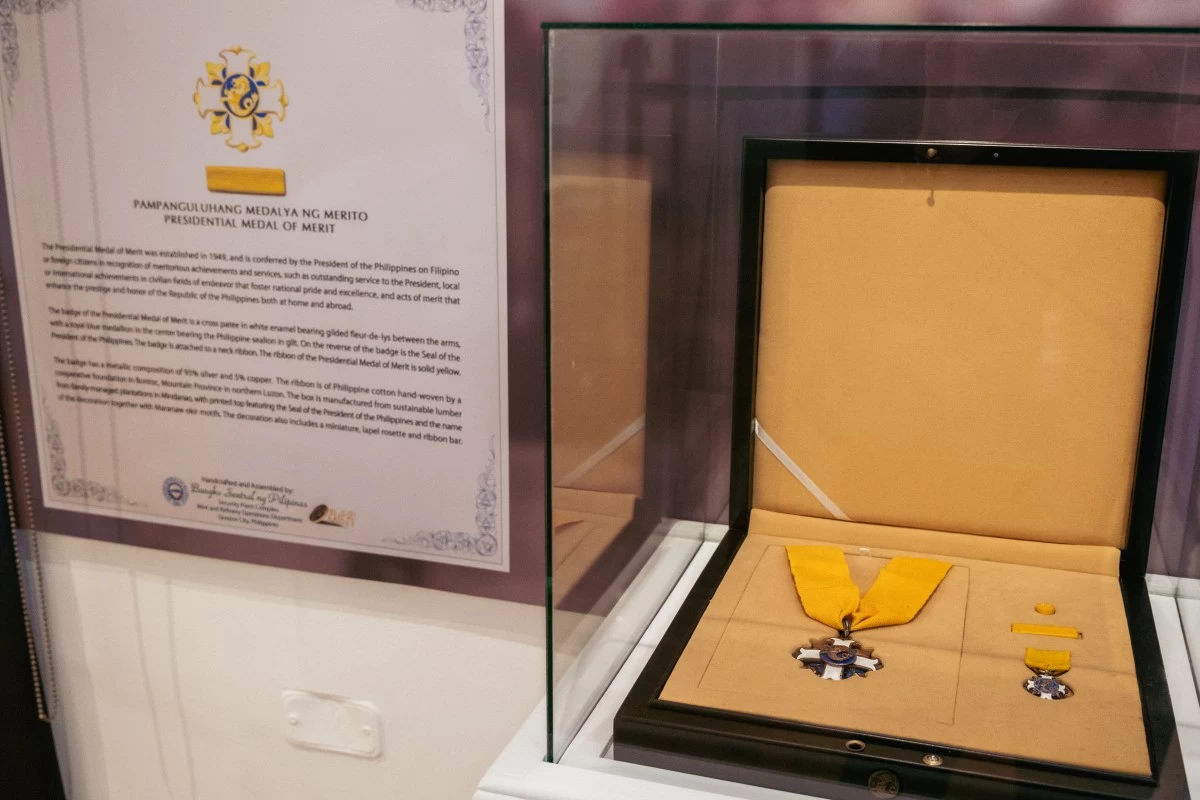
Presented by Fundacion Sansó in collaboration with the National Museum of the Philippines, it features nearly 100 works from the foundation and six private collections. It is also Sansó’s first solo retrospective at the National Museum.
As curator and Fundacion Sansó director Ricky Francisco explains, “Rather than focusing solely on chronology, the exhibition examines the many ways in which Sansó’s artistic identity was shaped by the country he ultimately chose as home, and why he entrusted both his collection and his advocacies to the Filipino people through Fundacion Sansó.”
Rare early works
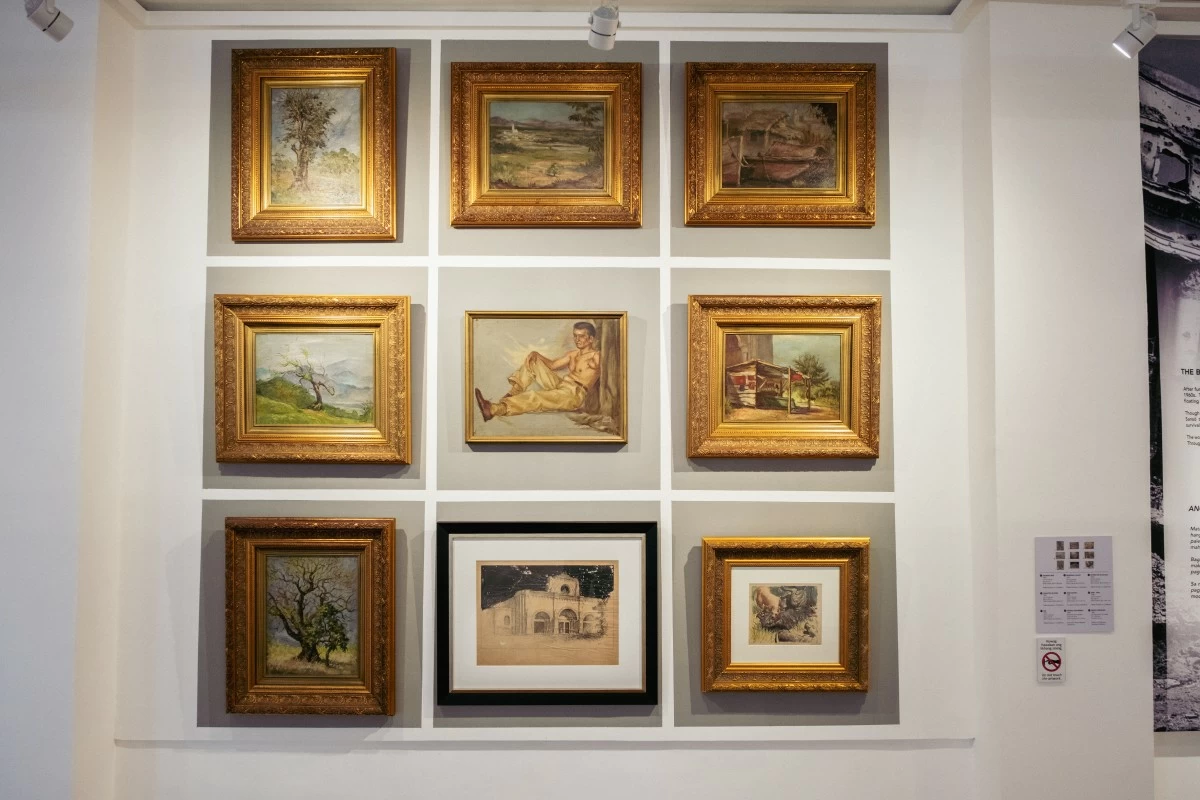
Some of the highlights are rare, never-before-seen early landscape paintings made while Sansó was still a student at the UP School of Fine Arts in the 1940s. The exhibition also includes works from his “Baklad,” or fish trap, series, which show how Philippine imagery later became part of the visual language he developed overseas.
Ricky adds, “One of the exhibition’s most significant revelations is the extent to which the Philippines remained central to Sansó’s imagination throughout his life.”
A glimpse of the exhibition
The Filipino connection
Sansó built an international career, with works entering collections in Europe and the United States and exhibitions held in different parts of the world. Still, his connection to the Philippines remained.
National Museum director-general Jeremy Barns described the show as the museum’s first retrospective of an artist whose “artistic consciousness was deeply shaped right here in Manila.” This becomes especially interesting when viewing works associated with Paris or Brittany, adding another dimension to the exhibition.
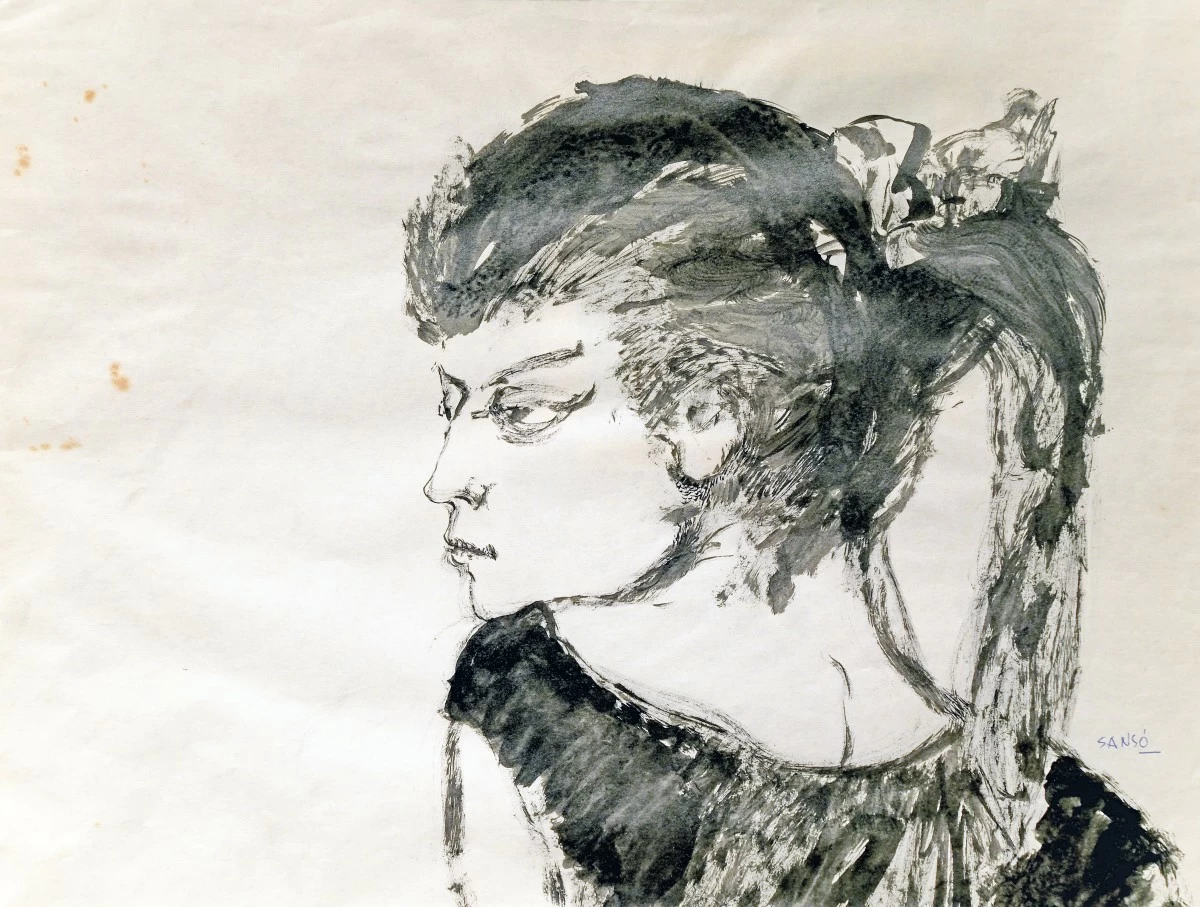
"Nicole"
"Of Friendship and Devotion"
"Eve"
"Flower Market"
"Of Understated Grace"
"Lueurs"
Not just paintings
The fashion illustrations, textile designs, prints, and costume designs add an unexpected dimension to the exhibition. They also show a side of Sansó that goes beyond the landscapes and florals most closely associated with his name.
Six Sansó works and archival materials were also donated to the National Museum by Fundacion Sansó and private collectors. The works span different periods and media: “Nicole” (1959), “Lueurs” (1961), “Of Understated Grace” (circa 1980s), “Of Friendship and Devotion” (circa 1990s), “Flower Market” (2015), and “Eve” (2015).
Archival materials from Sansó’s exhibitions abroad from the 1960s to the 1980s were also donated, including catalogues, books, posters, and exhibition invitations. National Museum chairman Andoni Aboitiz noted that some of these works came from collections abroad, making their arrival at the museum especially significant.
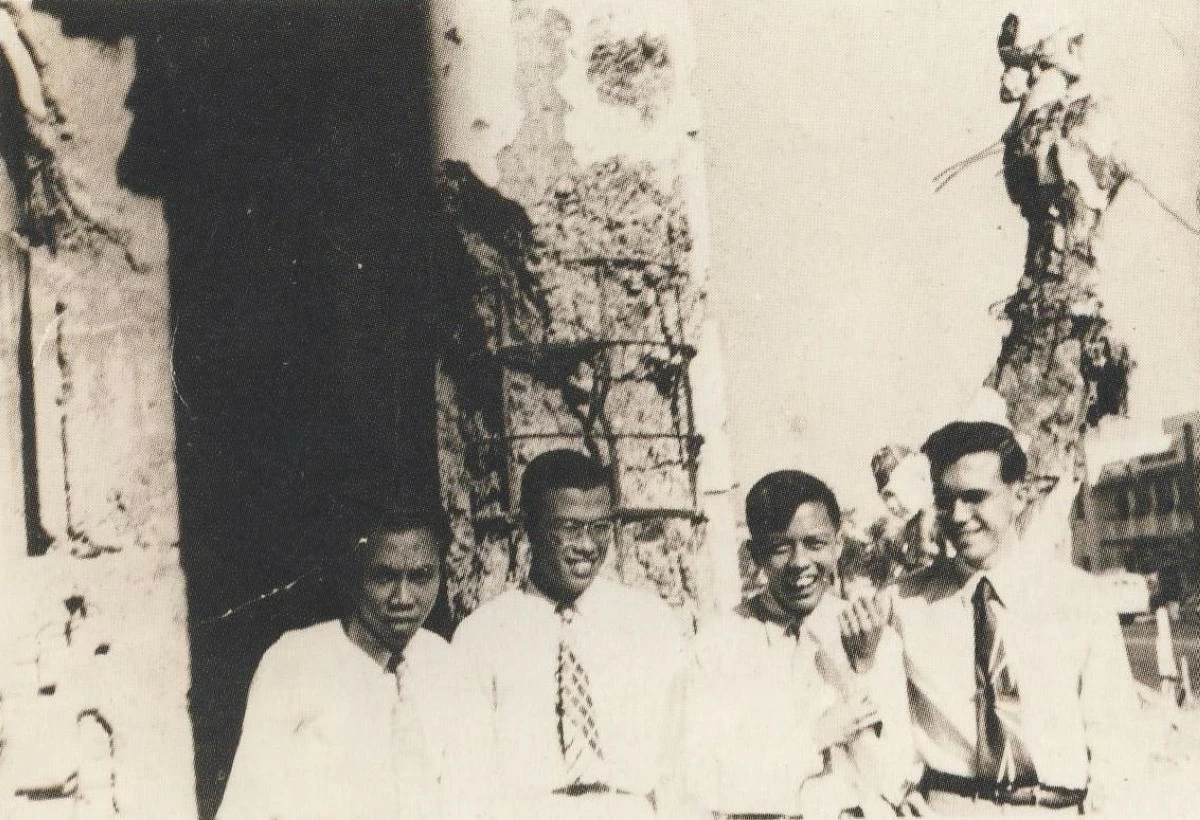
Sanso and classmates at Padre Faura campus
Juvenal Sansó
Juvenal Sansó
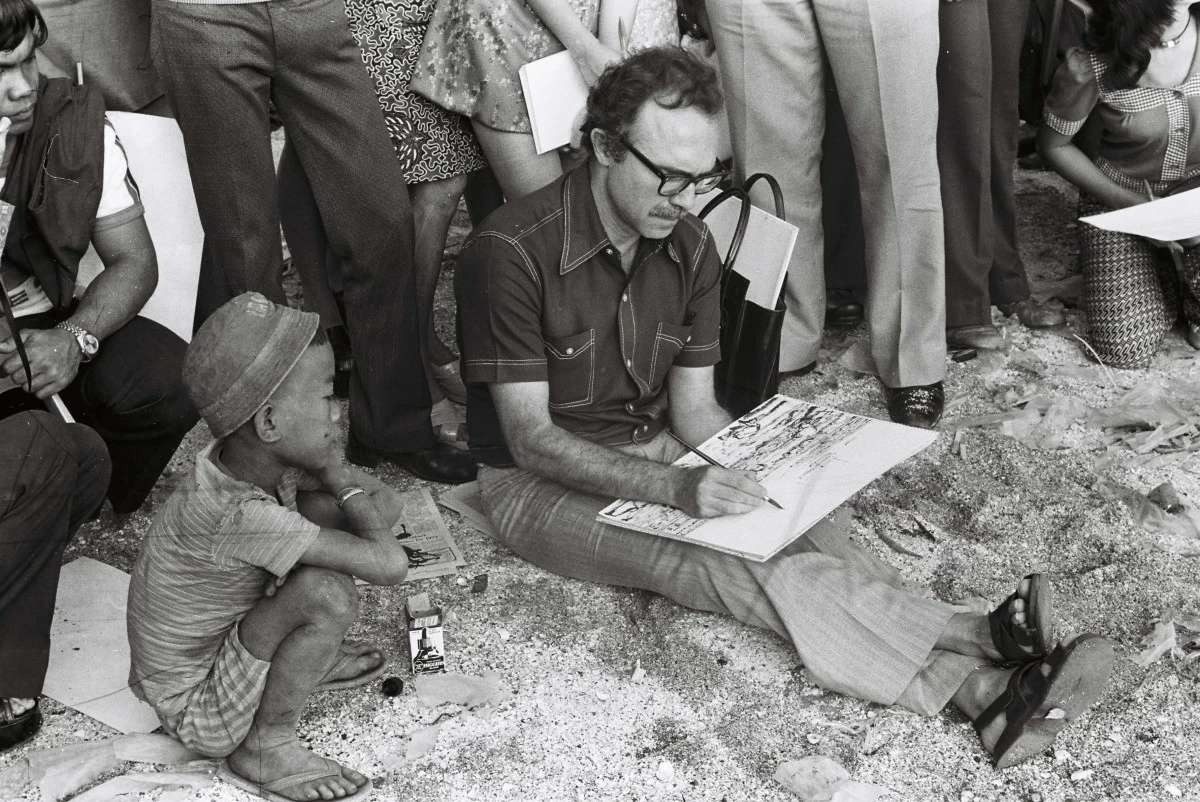
Sansó sketching by Roxas Blvd.
The legacy lives on
Part of Sansó’s later life was spent building a foundation that could preserve his archives and help support younger artists. Today, Fundacion Sansó supports scholarships, exhibition opportunities, curatorial grants, travel grants, research support, and other programs.
Artist Gwen Dionisio, one of the foundation’s scholars, put it simply during the opening, “For Mr. Sansó, this was never just about financial aid. It was about breathing life into dreams.”
Sansó’s works may be the reason visitors enter the galleries, but the exhibition also shows how his legacy lives on through the people and programs he helped support.
“Sansó: Pusong Pilipino” is on view at Gallery XV, E. Aguilar Cruz Hall of the National Museum of Fine Arts until February 2027.

What method do polyglots favor for learning a new language?


There are significant differences between the methods favoured by the most well-known internet polyglots. For example they cannot agree on:

  • how much grammar study is necessary
  • whether accent practice is important
  • whether to have a silent absorption period at the beginning or to speak from day one
  • whether exposure to foreign TV (even with subtitles) or radio is worthwhile at all if you don't understand much
  • whether the ultimate goal is a) to be mistaken for a native speaker or b) to be able to discuss academic subjects or c) to be able to read literature
  • whether old materials or modern materials are the best


The only thing they have in common is that they all spend 
a LOT of time on languages, which is why I said that time spent is the most important factor of all; more important than method.

That being said, you are right to observe that polyglots tend to dislike Pimsleur. Pimsleur is inefficient time-wise, because it only teaches 5-6 words per 30 minute lesson. For comparison: Pod101 generally teaches 10-12 words per 15 minute lesson. Michel Thomas also uses a faster pace, though harder to compare because Michel Thomas focuses almost entirely on grammar / neat expressions that you can plug words into. The only polyglots I heard recommend Pimsleur said that they like to use a few lessons of it in the beginning in order to develop their accent and comfort level in a new language. Michel Thomas has more fans among polyglots, but not as many as Assimil. I definitely wouldn't put him in the same category as Pimsleur.

Assimil is popular because there's a lot of meat to eat: almost every one of their books contains 100 lessons and claims to lead you up to B2 (upper intermediate) level. Whether it's really B2 is debated on polyglot forums, but there's no doubt that Assimil courses cover a whole lot more words and grammar and idioms than most other courses which leave you well within beginner territory (or tourist territory). Also, Assimil neatly straddles the divide between older-is-better and newer-is-better polyglots: many of the older-is-better crowd like Assimil's "without toil" courses dating back to the 50s and 60s, while a good share of the modernists like the new Assimil courses. The courses have adapted a bit over time.

Apart from Assimil, polyglots also tend to use Teach Yourself or Colloquial or Langenscheidt or any courses of the same structure, though you'll find less fanatics for these. The exact choice often depends not just on the brand but also the language you want to learn, because all the good publishers give their writers significant freedom in designing the courses, resulting in some that are much better than others. Even Assimil has a few fluke courses that even Assimil fans won't touch.


Then of course there are all the indie courses that only exist for one language - in my experience, these are usually very good, because there is no company trying to fit a one-size-fits-all approach on them. The internet in particular has many free non-branded language courses that are of exceptional quality (esp. if you're a modernist), usually created by universities or national radio stations. I wrote entire 
books about the abundance of high-quality free online language courses/materials.

Then there are people who don't use anything like a textbook. For example, they might start by studying a phrasebook and then learn anything else in conversation with a teacher. Or they use the Listening-Reading Method of reading literature in parallel texts with audio, right from the start. Steve Kaufman, the LingQ guy, also starts out by reading.

So one can't say that someone is a newbie just based on his favourite courses. Except if they're LiveMocha or Rosetta Stone. Rosetta Stone spends almost its entire budget on marketing, leaving little money to develop good courses, while also succeeding in convincing all non-learners that their courses are amazing. I can't count the number of times someone who hasn't learned any language in the past decade(s) has told me "Oh, you love learning languages? You should check out Rosetta Stone, they're really good!". LiveMocha was an attempt to create a free open-source clone of Rosetta Stone, using crowdsourcing, which unsurprisingly resulted in an even worse product than the original (too many cooks).

So there's really no one answer to this. If you have a particular polyglot in mind, google him and you should be able to find what his preferred method is.

Saturday, September 5, 2026

What is the best fruit to eat every day?


For quite a long time I thought that there should be some super fruit that will be superior to others. And when a nutritionist advised me something that really changed my views on fruits. Namely, don't look for some miracle fruit, just make an easy habit that you will keep following.

If I would have to name one fruit for my everyday diet, it would be berries, particularly, blueberries. These fruits give you fiber and some plant compounds. Plus, they are naturally sweet and very easy to include in breakfasts, yogurt or some snack.

What really surprised me is that you can get even more benefit from variety than from looking for some perfect fruit. Different types of fruits, like apples, oranges, kiwis, bananas, grapes and so on, have different nutritional values and eating variety of them during a week will provide you with broad spectrum of benefits.

Besides, nutritionist recommended to eat fruit together with something that will fill you up, like yoghurt, nuts or some proteins. The idea looks really easy but this advice has changed my perception of meals.

But there’s one very basic combo that I picked up from the tips above and which I have been quietly sticking to since. I have told a few people about it, and they have said that it totally transformed their approach to food. Not necessarily magic, but just one of those things that seems too simple for something so effective.

The take-home point here is easy: don’t waste your time looking for the “perfect” fruit. Eat real fruit often, make sure it’s varied, and enjoy it as part of a balanced meal.

Which fruit do you eat almost every day? Why did you choose it?

2026 online Bar Exams start Sept. 6


2026 online Bar Exams start Sept. 6 in 15 testing centers; security, road rerouting, liquor ban enforced

A total of 13,441 law graduates who had been registered and qualified will take the three-day online Bar examinations starting Sunday, Sept. 6, in 15 testing centers nationwide. The two other days of the examinations are set by the Supreme Court (SC) on Sept. 9 and 13. Read more

Why does German have "Sie" and "du" for "you"?

In German, you use the intimate du for family, pets, and God. But to politely say "you" to a stranger (Sie), you must address them as an esteemed group of people not even in the room.

This division, known to linguists as the T-V distinction, acts as a built-in social radar. It forces speakers to constantly measure the relationship between intimacy and distance. While du signals closeness, Sie creates a professional or respectful boundary when speaking to clients and authority figures. Getting it wrong risks insulting a boss or sounding comically stuffy to a child.

The existence of these two pronouns is the result of centuries of linguistic inflation. In Old High German, things were simple: du was singular and ihr was plural. During the Middle Ages, influenced by the "royal we" of Latin-speaking emperors, Germans began addressing nobility with the plural ihr to multiply their status.

By the 17th century, European society had grown so rigidly stratified that ihr no longer felt respectful enough for the true elite. Speakers shifted to the third-person singular, addressing superiors as Er (he) or Sie (she)—essentially speaking to them as if they were being discussed rather than addressed directly ("Would the gentleman care to sit?").

Peak deference eventually required the third-person plural. To show absolute respect, you addressed the person as an absent collective. Literally translated, the formal greeting became: "How are they doing?" This third-person plural pronoun, capitalized as Sie, cemented itself as the permanent standard for polite address in the 18th century.

Moving from Sie to du remains a significant social milestone today. The transition is governed by strict etiquette: the older or higher-status person must be the one to offer the du, sometimes finalized with a ritual toast known as "Bruderschaft trinken" (drinking brotherhood). While modern startup culture and international companies are increasingly adopting a universal "coworker-du," traditional German boardrooms and government offices still enforce the formal Sie, keeping a linguistic arm's length between colleagues for their entire careers.

The 1788 title page of Adolph Freiherr von Knigge's 'Über den Umgang mit Menschen' (On Human Relations), a text that heavily influenced the strict rules of German social etiquette and personal boundaries. Source: Wikimedia Commons.