
Walking into a major art exhibition can feel overwhelming, especially when the artist has worked for decades and explored different styles and mediums.
“Sansó: Pusong Pilipino,” now on view at the National Museum of Fine Arts, makes the experience easier to appreciate. The exhibition was formally celebrated on Aug. 26 with a program at the Old Senate Hall of the National Museum of the Philippines, Manila City.
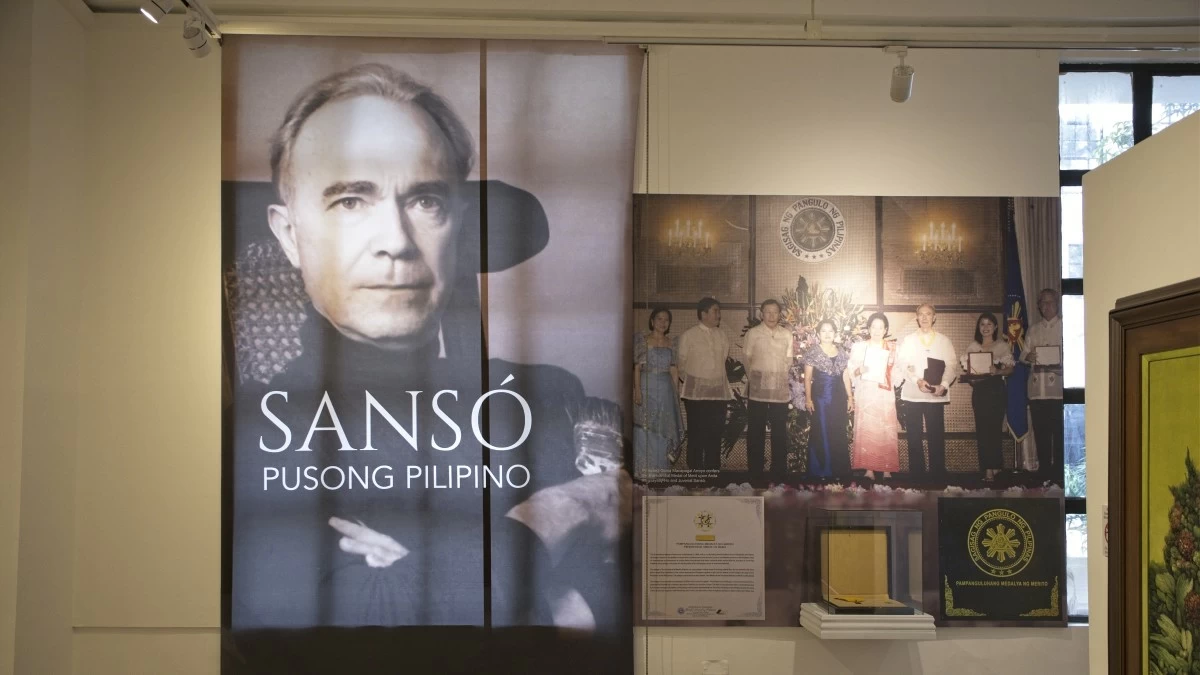
“Sansó: Pusong Pilipino” (Photos: Fundacion Sansó)
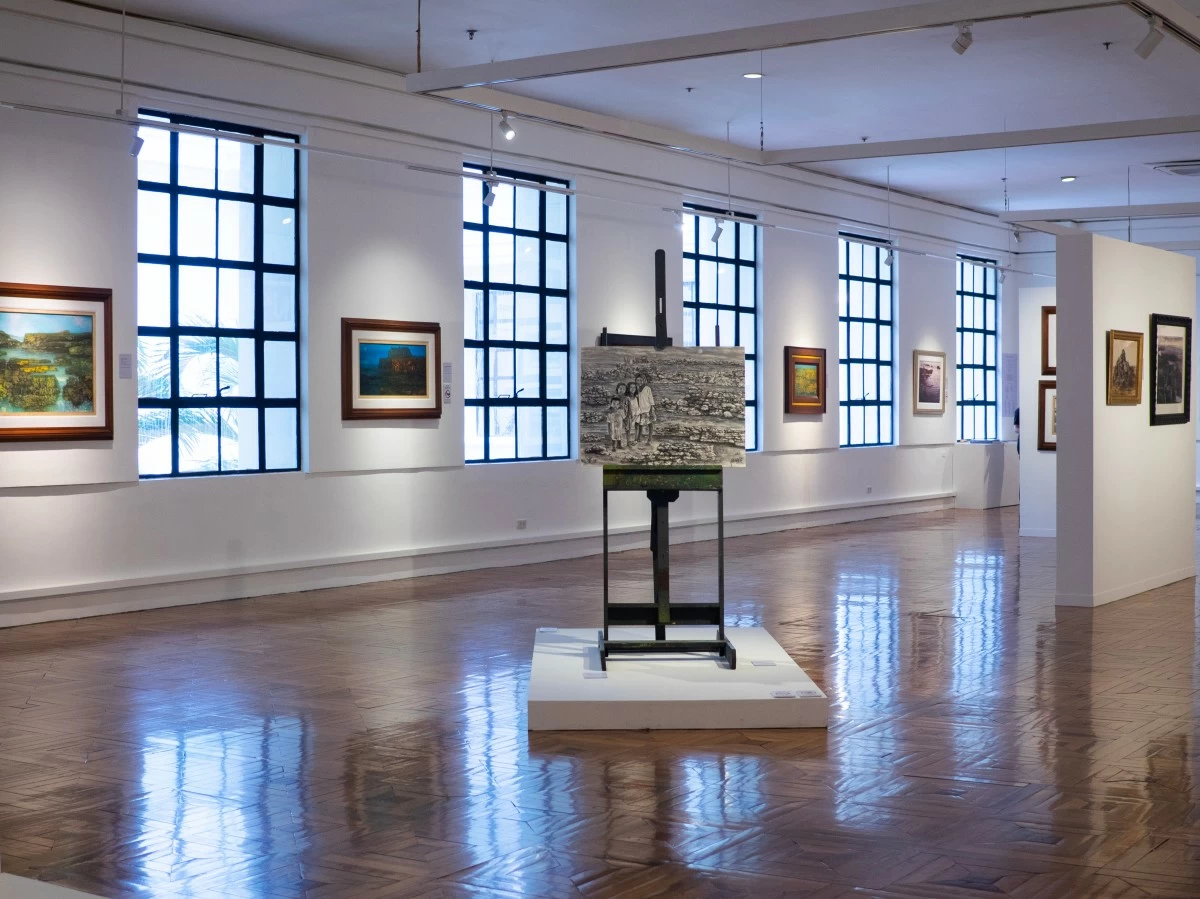
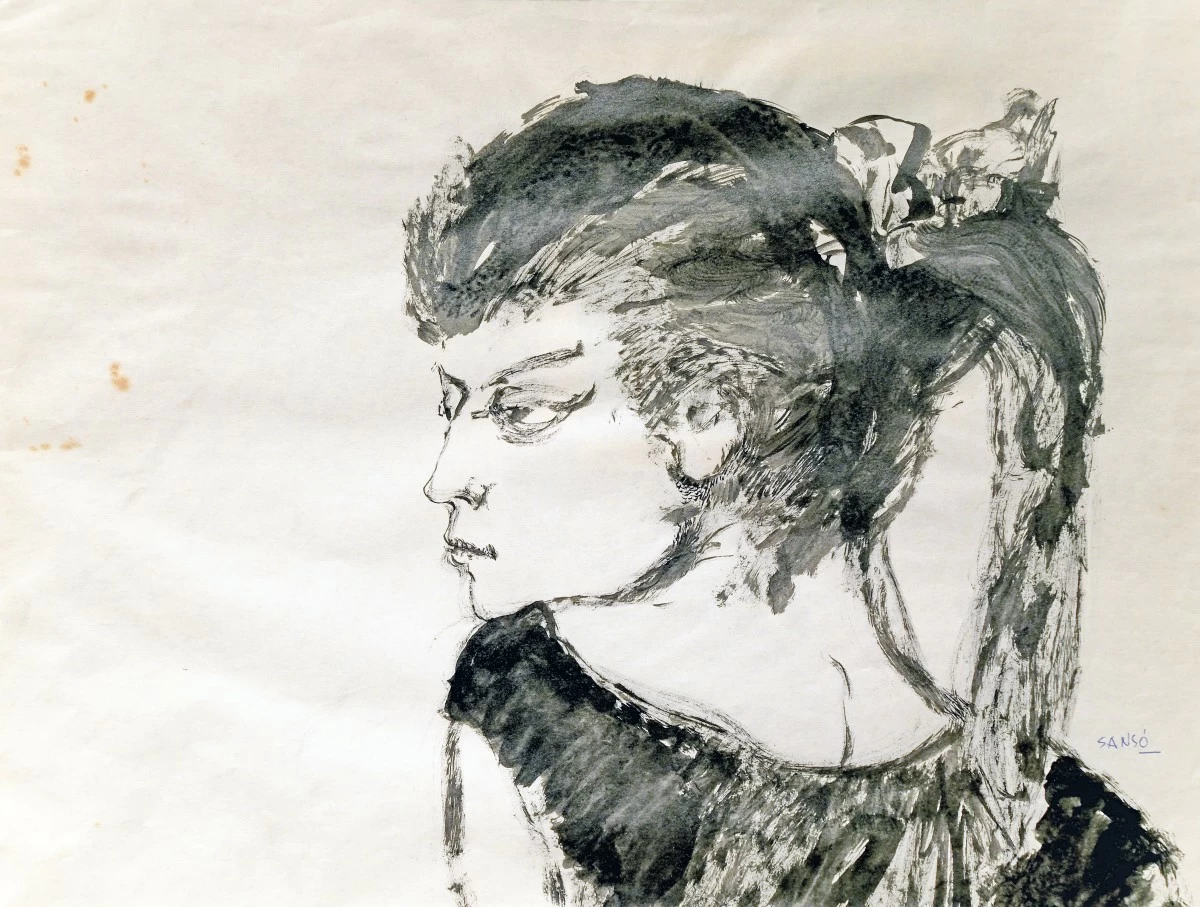
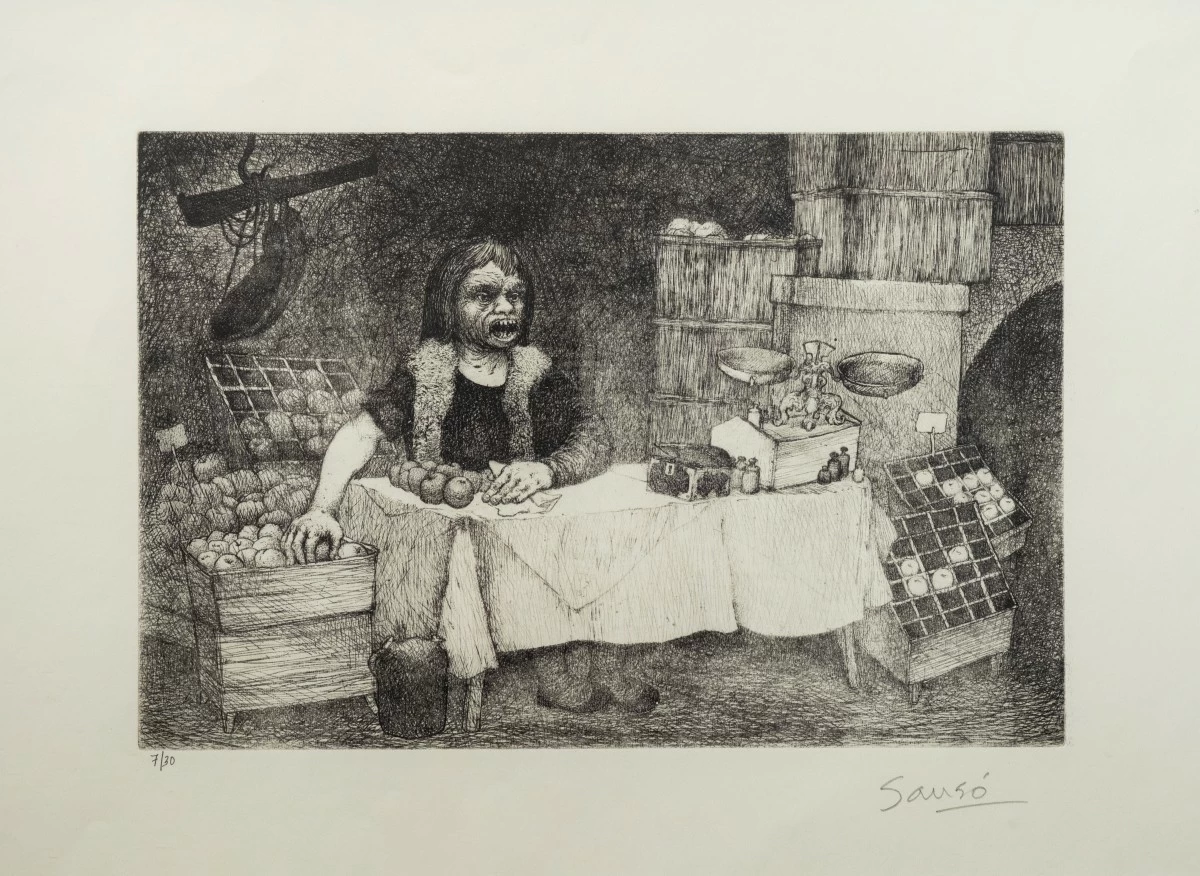
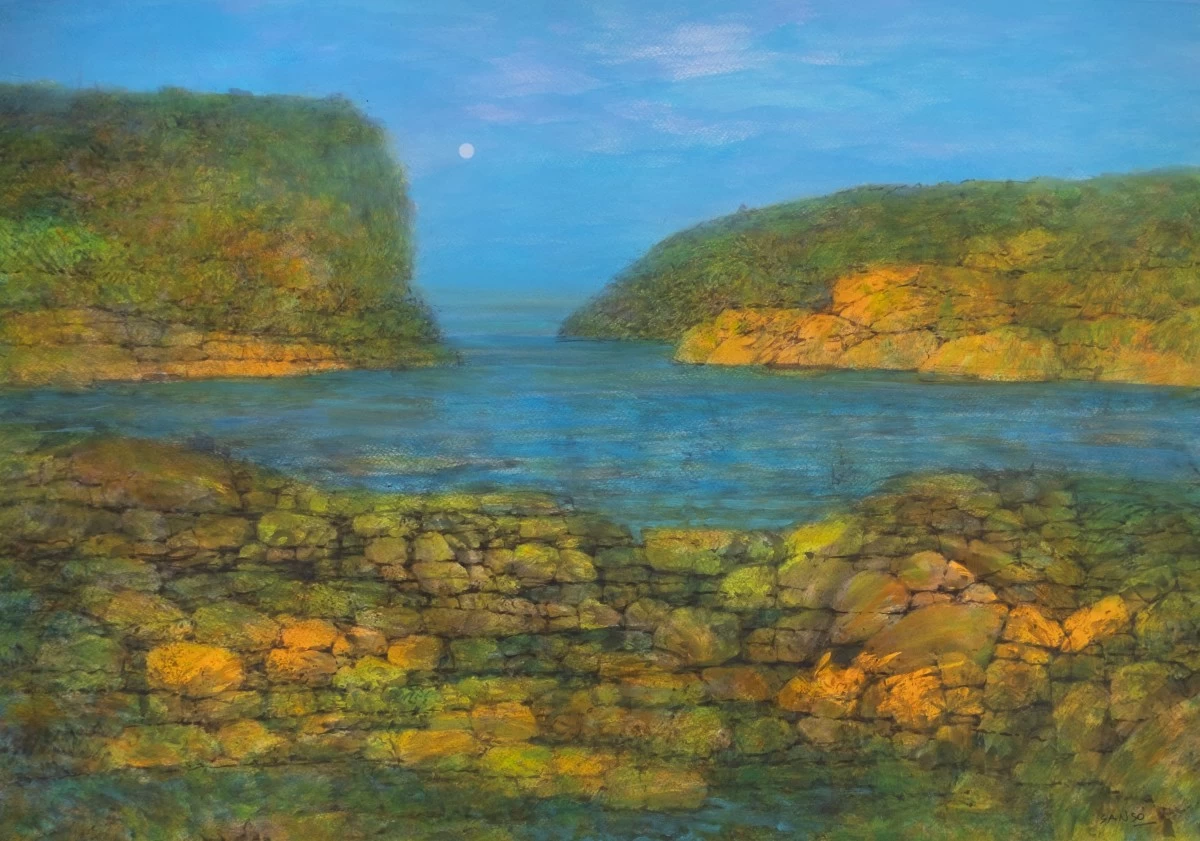
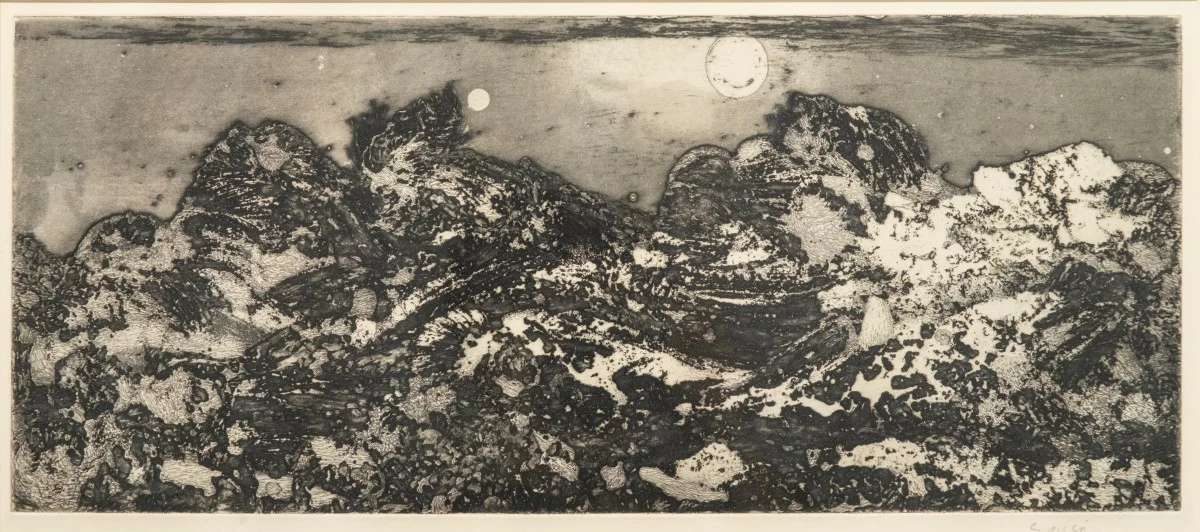
Organized thematically, the show traces how Juvenal Sansó’s ideas and artistic practice developed over more than seven decades, from early student works and figurative pieces to landscapes, prints, textile design, fashion illustration, and later paintings.
Presented by Fundacion Sansó in collaboration with the National Museum of the Philippines, it features nearly 100 works from the foundation and six private collections. It is also Sansó’s first solo retrospective at the National Museum.
As curator and Fundacion Sansó director Ricky Francisco explains, “Rather than focusing solely on chronology, the exhibition examines the many ways in which Sansó’s artistic identity was shaped by the country he ultimately chose as home, and why he entrusted both his collection and his advocacies to the Filipino people through Fundacion Sansó.”
Rare early works
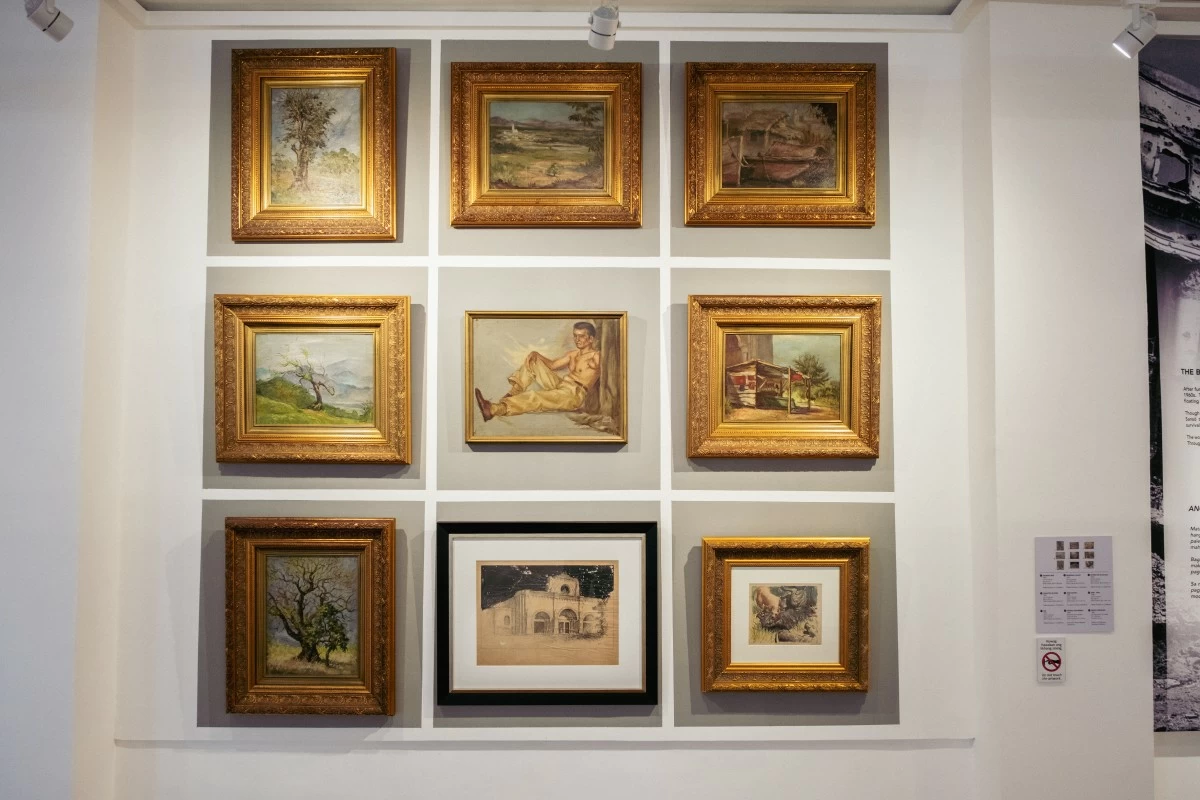
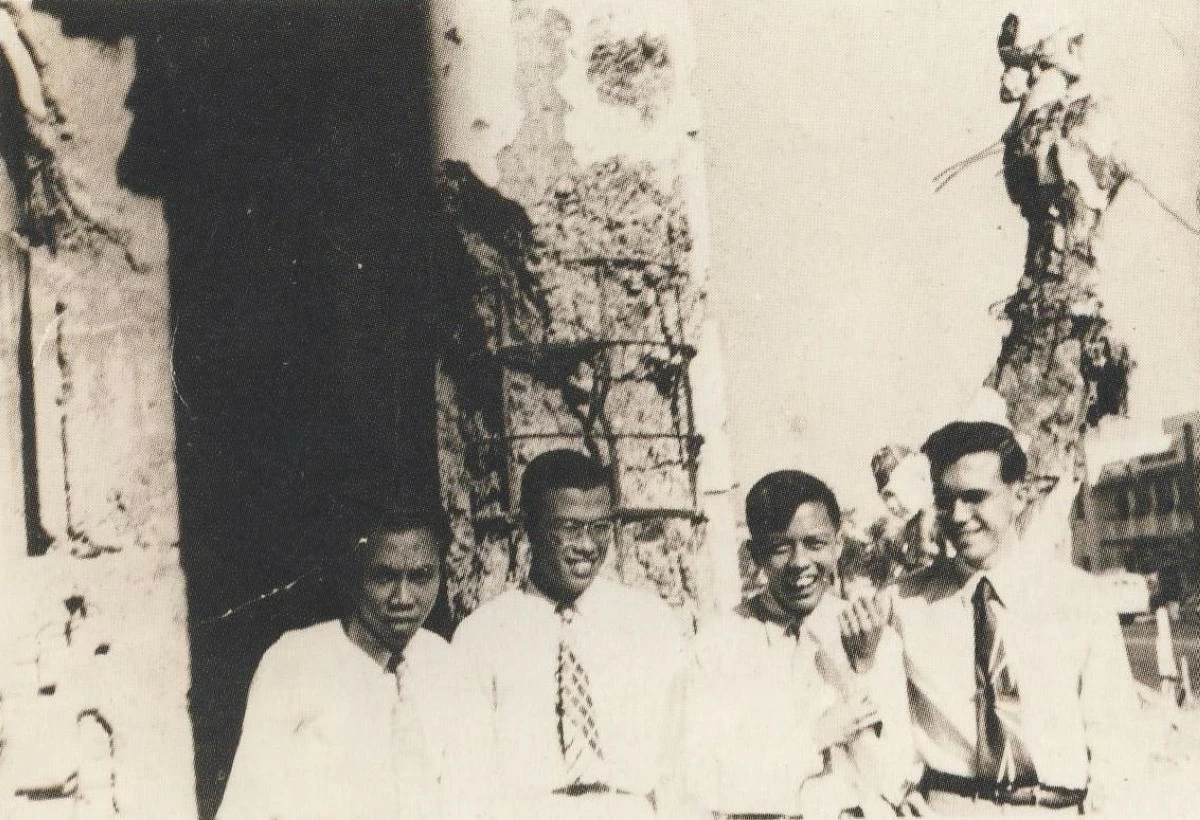
Some of the highlights are rare, never-before-seen early landscape paintings made while Sansó was still a student at the UP School of Fine Arts in the 1940s. The exhibition also includes works from his “Baklad,” or fish trap, series, which show how Philippine imagery later became part of the visual language he developed overseas.
Ricky adds, “One of the exhibition’s most significant revelations is the extent to which the Philippines remained central to Sansó’s imagination throughout his life.”
The Filipino connection
Sansó built an international career, with works entering collections in Europe and the United States and exhibitions held in different parts of the world. Still, his connection to the Philippines remained.
National Museum director-general Jeremy Barns described the show as the museum’s first retrospective of an artist whose “artistic consciousness was deeply shaped right here in Manila.” This becomes especially interesting when viewing works associated with Paris or Brittany, adding another dimension to the exhibition.
Not just paintings
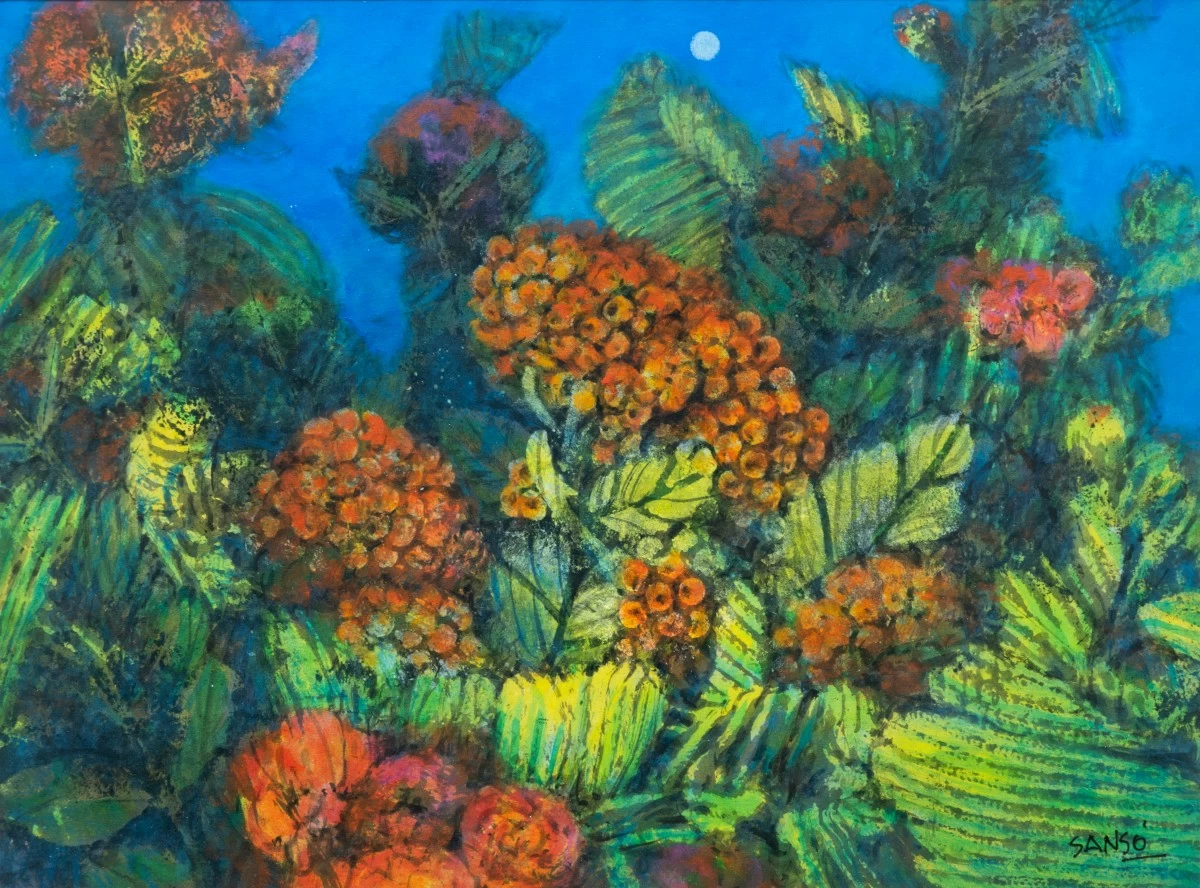
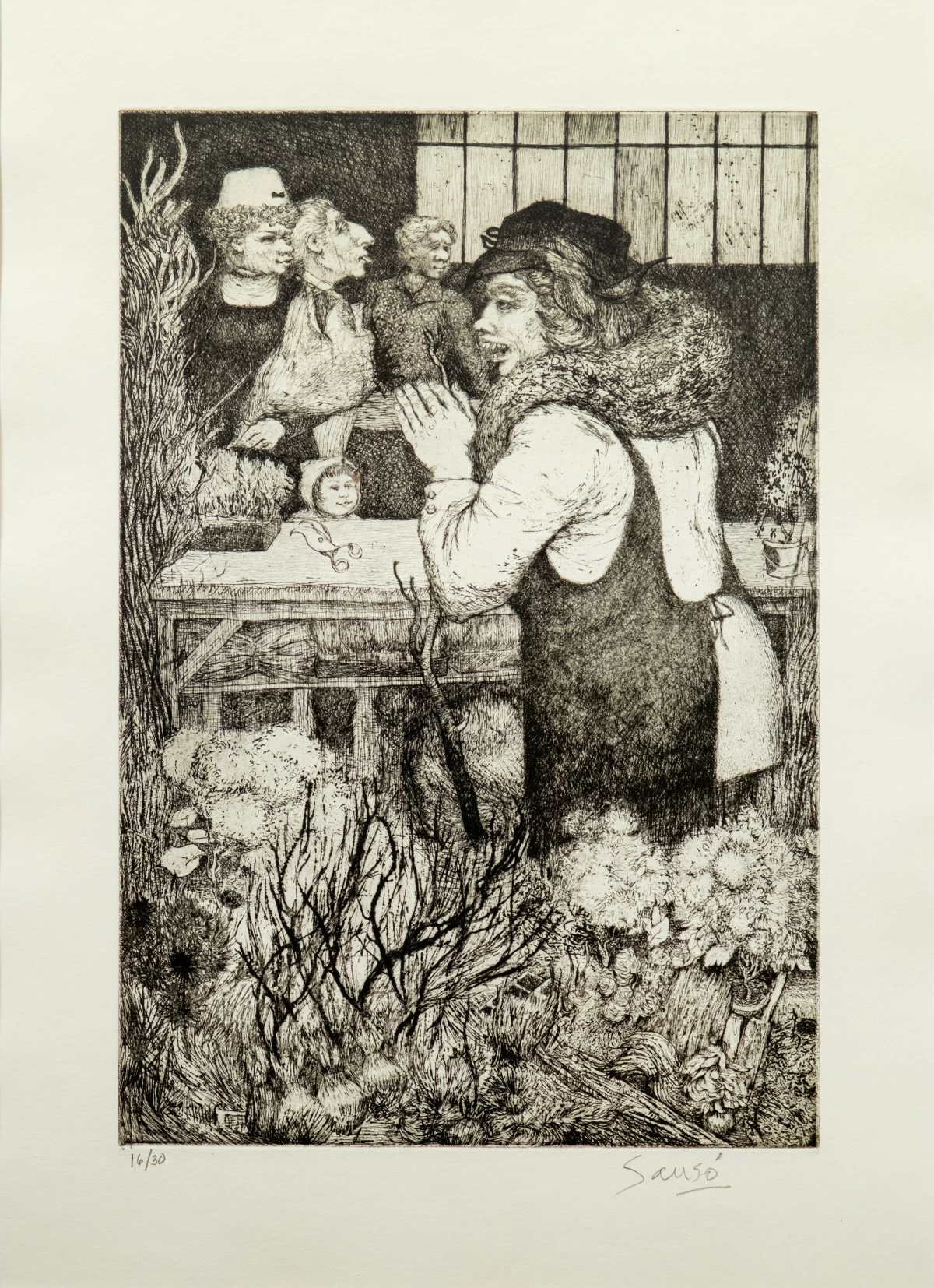
The fashion illustrations, textile designs, prints, and costume designs add an unexpected dimension to the exhibition. They also show a side of Sansó that goes beyond the landscapes and florals most closely associated with his name.
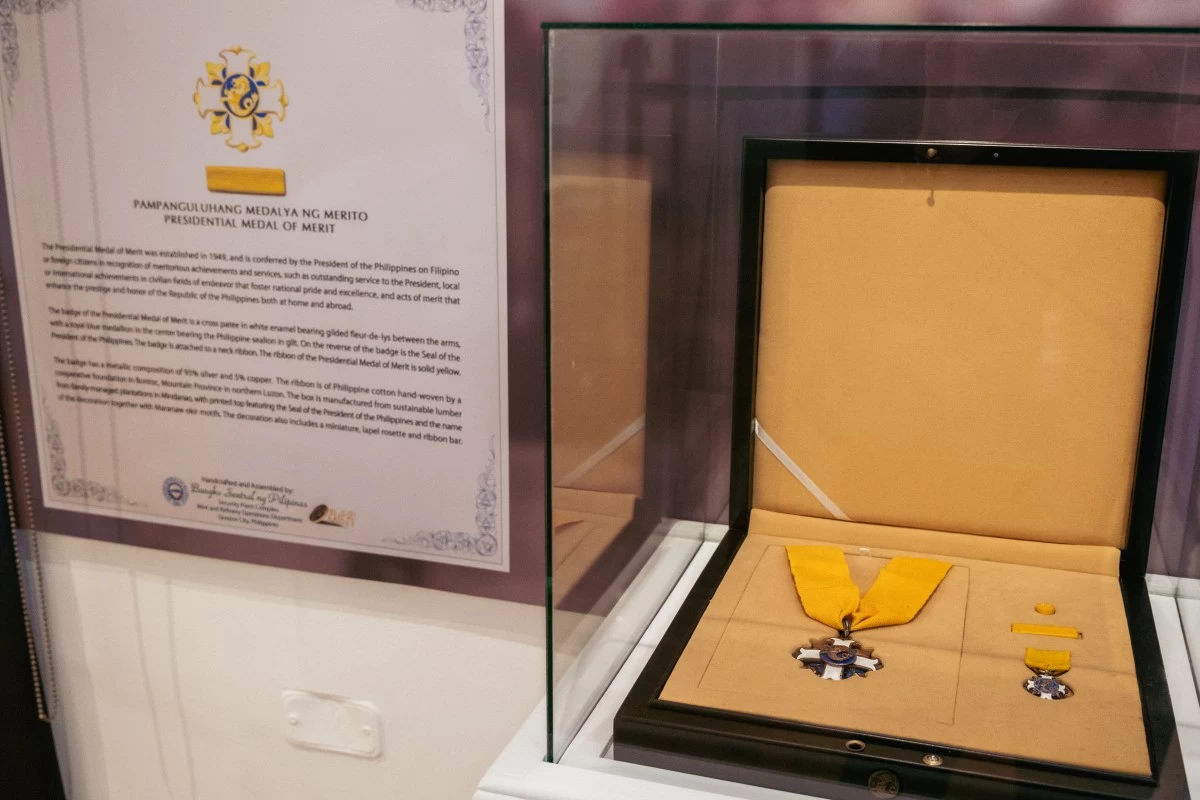
Six Sansó works and archival materials were also donated to the National Museum by Fundacion Sansó and private collectors. The works span different periods and media: “Nicole” (1959), “Lueurs” (1961), “Of Understated Grace” (circa 1980s), “Of Friendship and Devotion” (circa 1990s), “Flower Market” (2015), and “Eve” (2015).
Archival materials from Sansó’s exhibitions abroad from the 1960s to the 1980s were also donated, including catalogues, books, posters, and exhibition invitations. National Museum chairman Andoni Aboitiz noted that some of these works came from collections abroad, making their arrival at the museum especially significant.
The legacy lives on
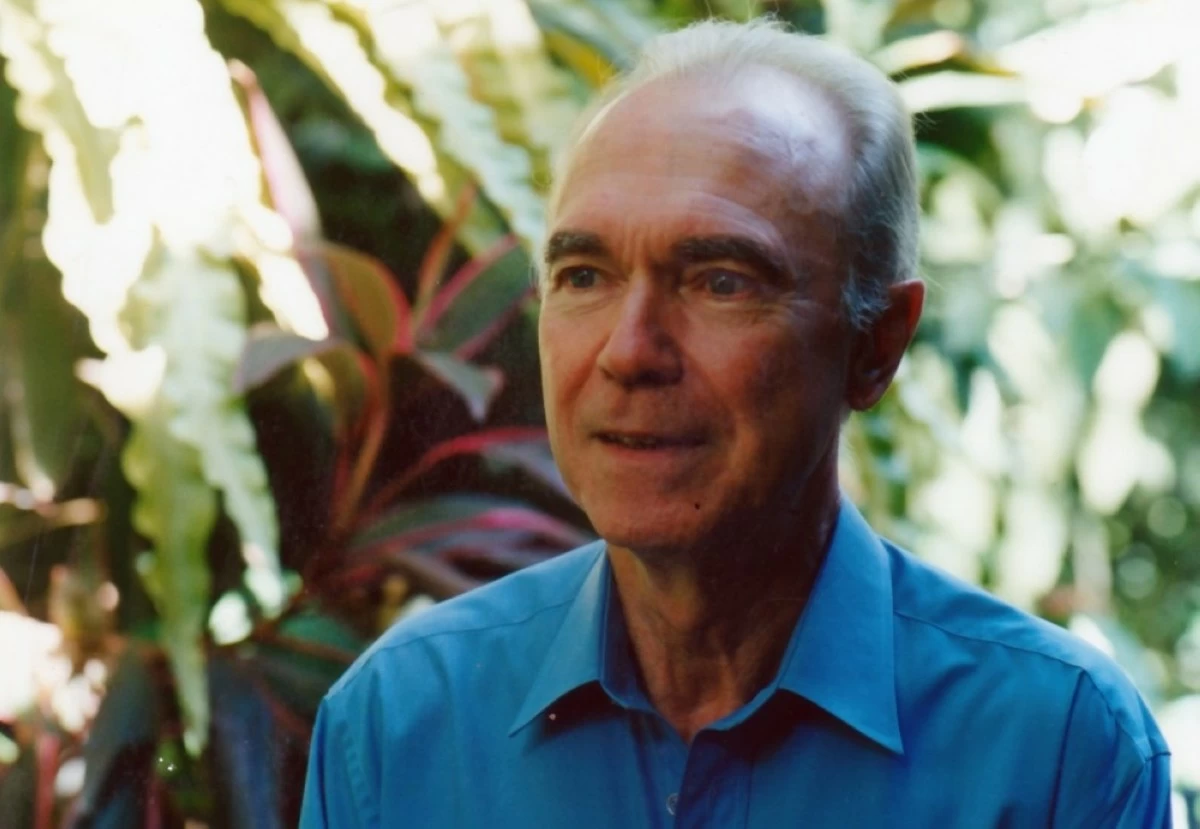
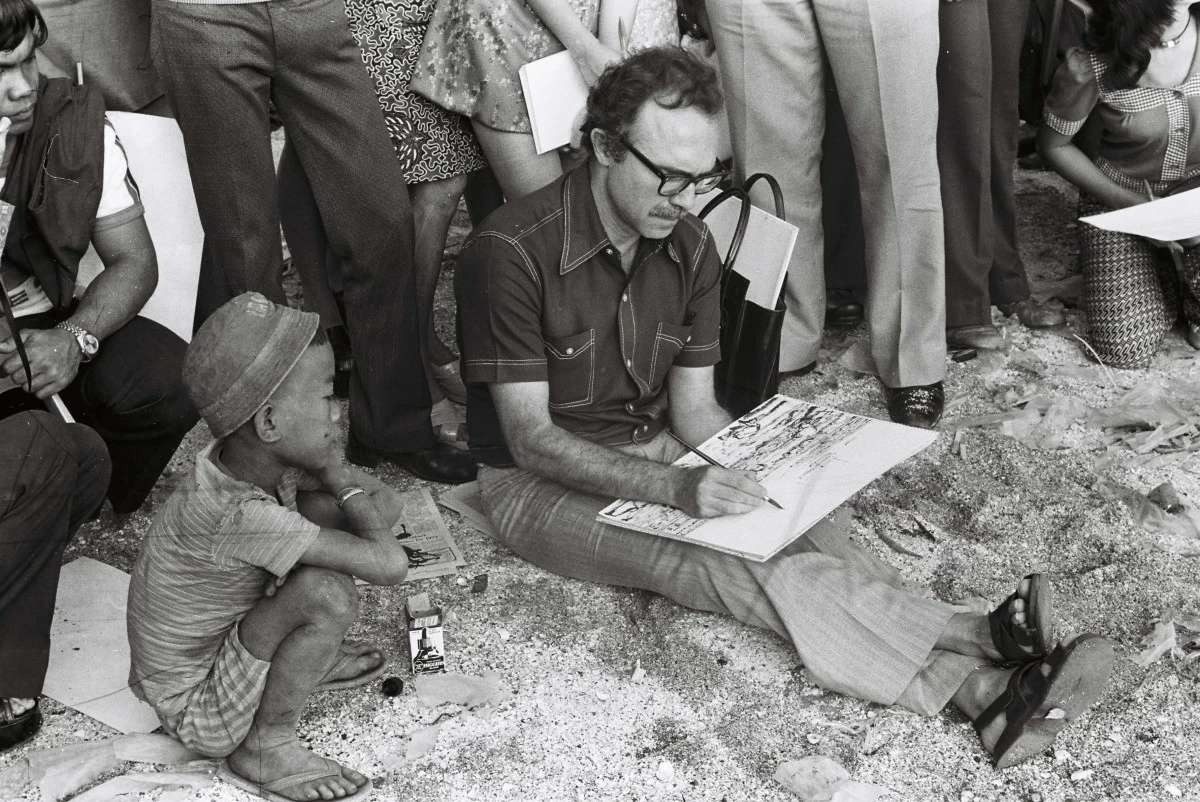
Part of Sansó’s later life was spent building a foundation that could preserve his archives and help support younger artists. Today, Fundacion Sansó supports scholarships, exhibition opportunities, curatorial grants, travel grants, research support, and other programs.
Artist Gwen Dionisio, one of the foundation’s scholars, put it simply during the opening, “For Mr. Sansó, this was never just about financial aid. It was about breathing life into dreams.”
Sansó’s works may be the reason visitors enter the galleries, but the exhibition also shows how his legacy lives on through the people and programs he helped support.
“Sansó: Pusong Pilipino” is on view at Gallery XV, E. Aguilar Cruz Hall of the National Museum of Fine Arts until February 2027.
