You plan to move to the Philippines? Wollen Sie auf den Philippinen leben?

There are REALLY TONS of websites telling us how, why, maybe why not and when you'll be able to move to the Philippines. I only love to tell and explain some things "between the lines". Enjoy reading, be informed, have fun and be entertained too!

Ja, es gibt tonnenweise Webseiten, die Ihnen sagen wie, warum, vielleicht warum nicht und wann Sie am besten auf die Philippinen auswandern könnten. Ich möchte Ihnen in Zukunft "zwischen den Zeilen" einige zusätzlichen Dinge berichten und erzählen. Viel Spass beim Lesen und Gute Unterhaltung!


Visitors of germanexpatinthephilippines/Besucher dieser Webseite.Ich liebe meine Flaggensammlung!

free counters

Total Pageviews

Monday, July 6, 2026

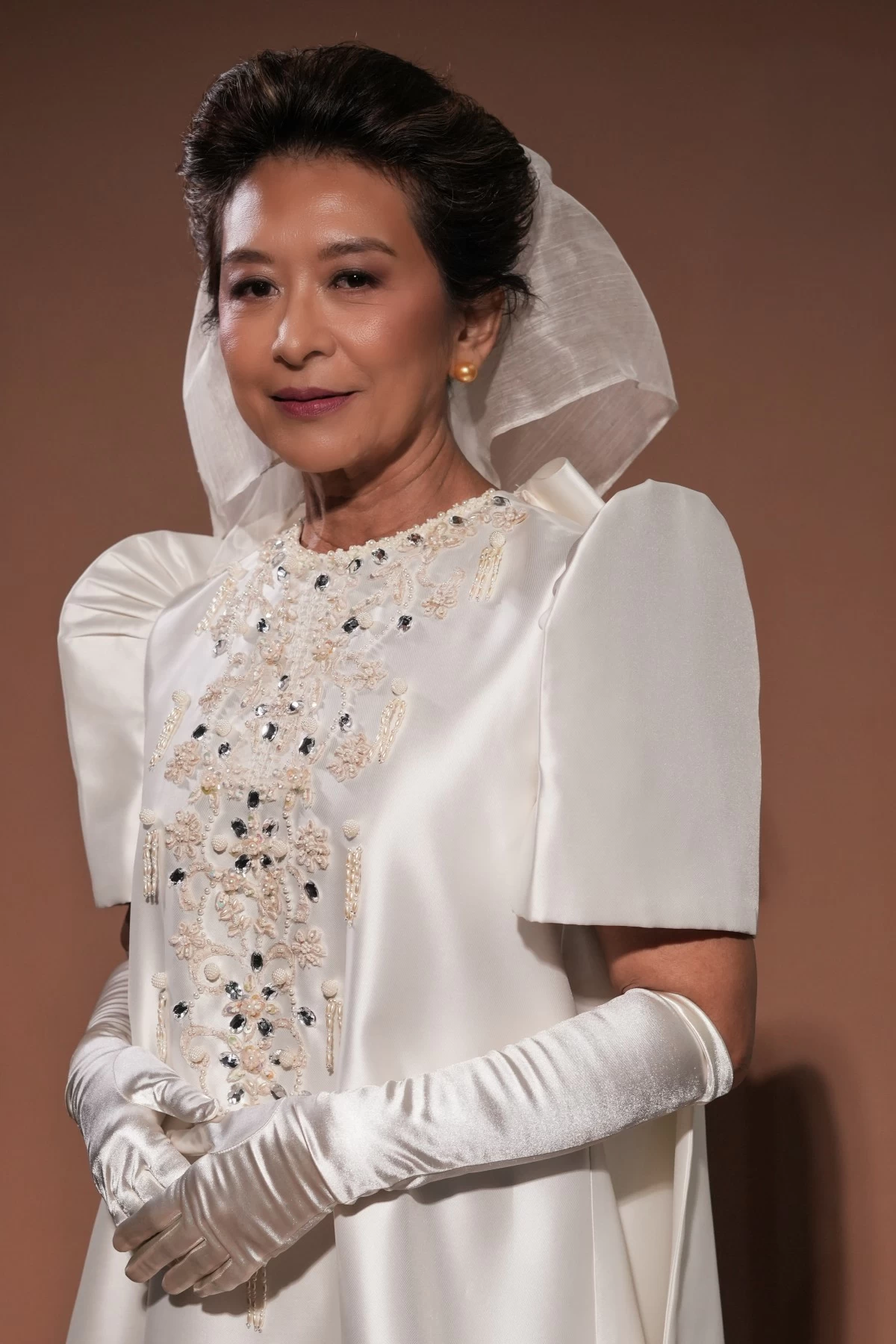
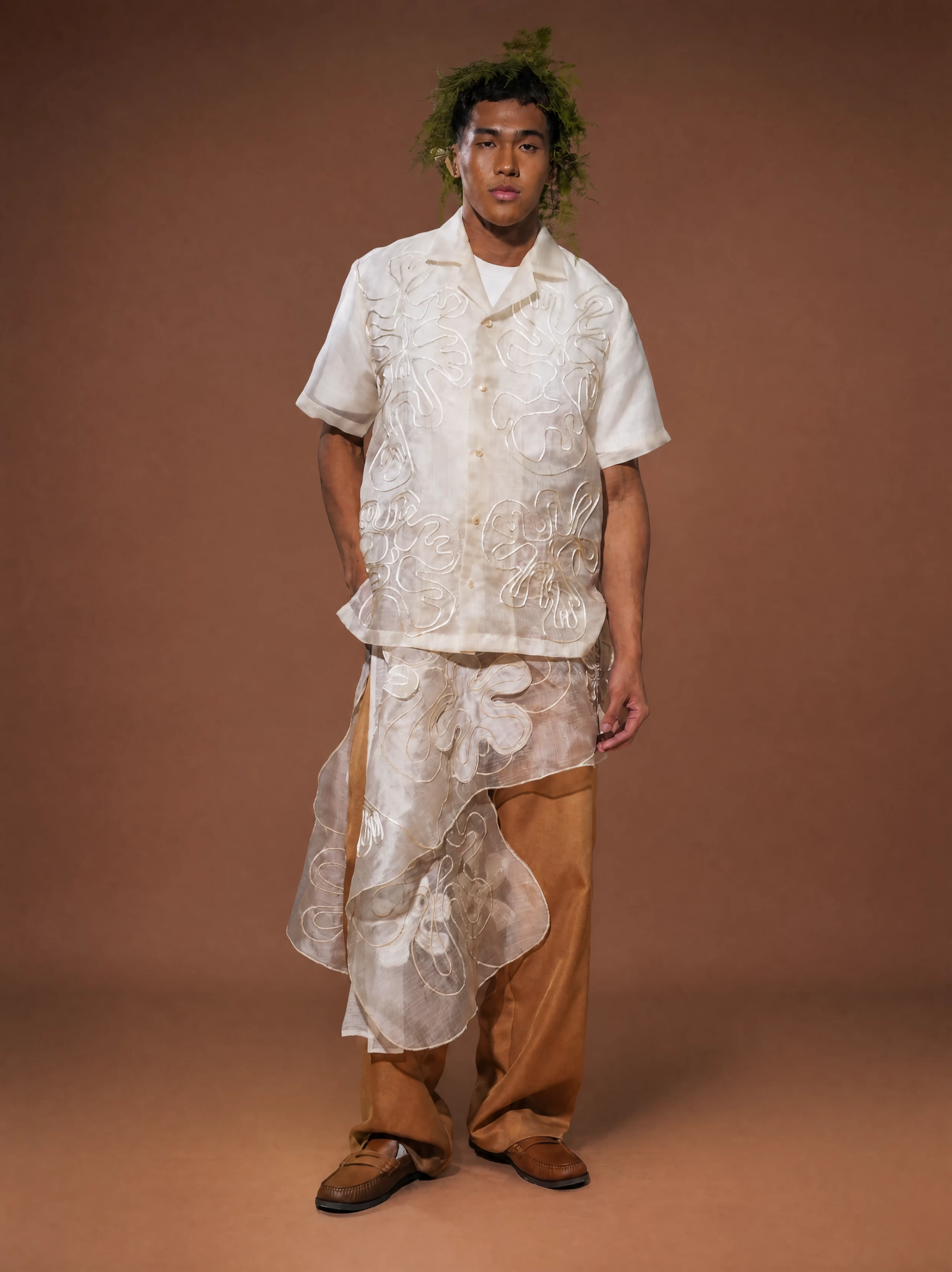
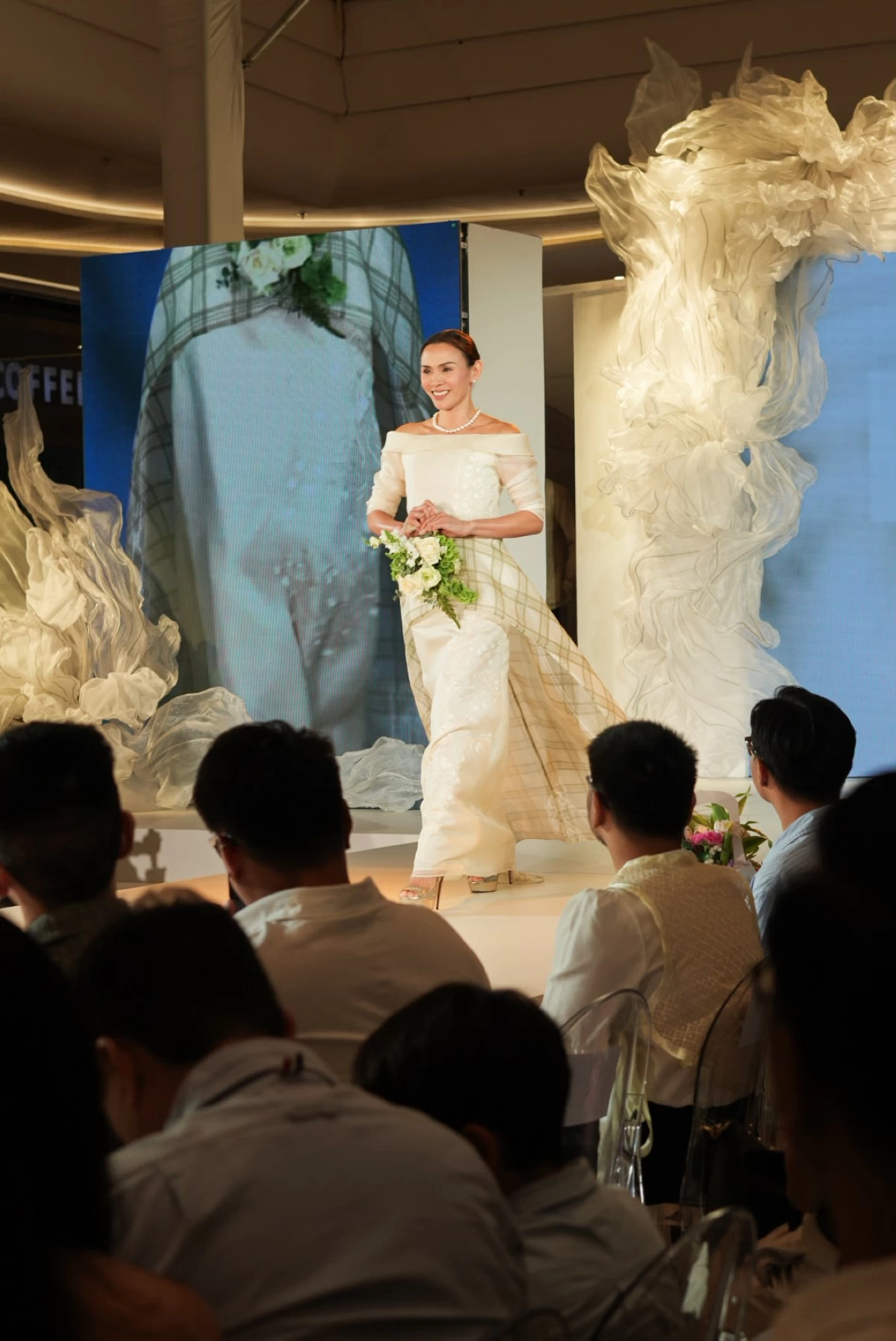
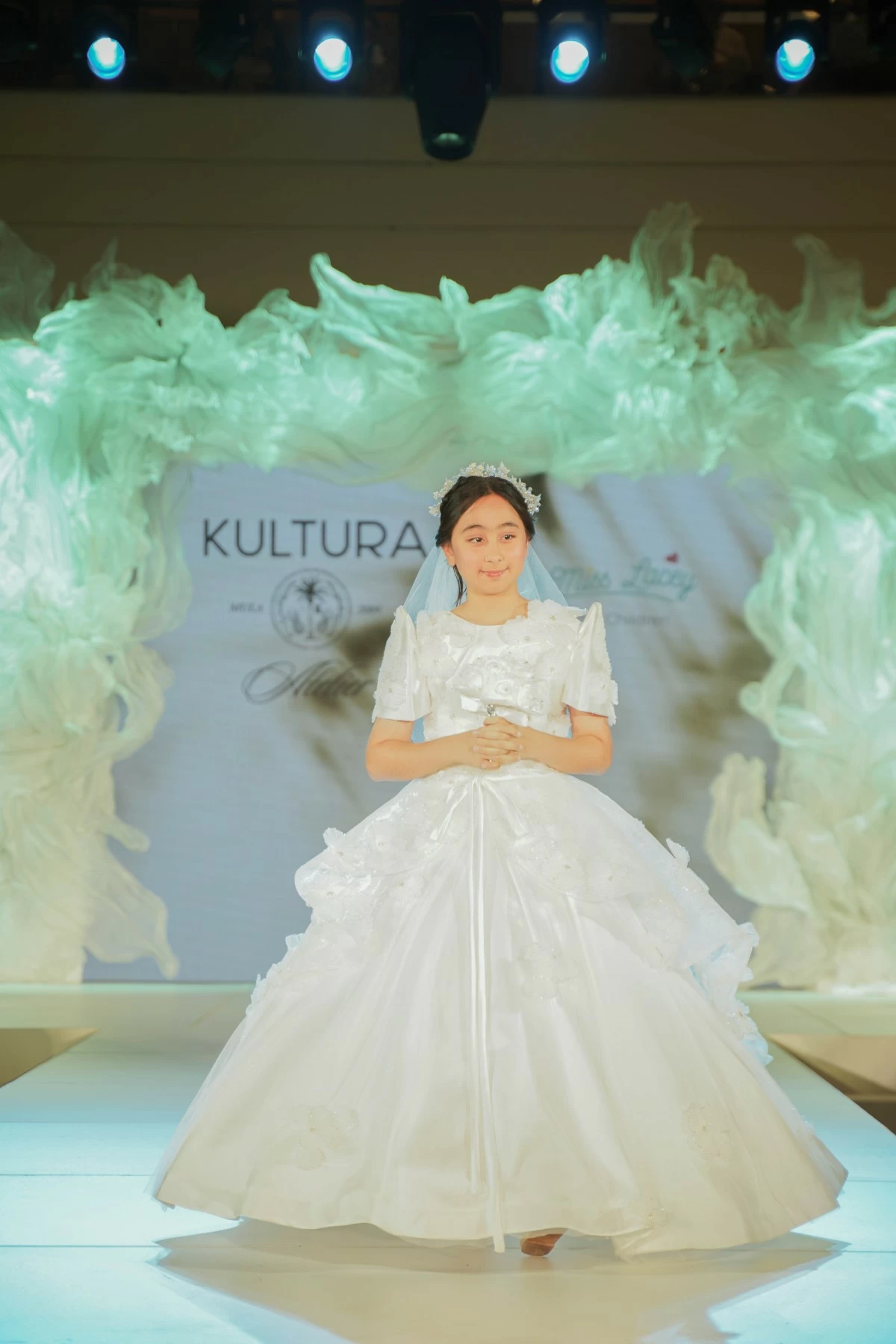
Kultura Atelier rewrites the modern Filipino wedding


By MBrand

Published Jul 6, 2026 08:57 pm         (Photos: Kultura)
A peek into the wedding scene of the Philippines often reveals Westernized ideals. The presence of ballgowns, corsets, strapless dresses, and veils that drag their way across the room, as well as extravagant reception halls, a large entourage, and bold palettes.
In 2026, however, more and more couples are choosing to celebrate their marriages based on their own heritage and identity. As such, Filipiniana, Barong Tagalog, in both traditional and modern variations, and Filipino-themed weddings have been exploding in popularity.
Due to this growing trend, Kultura Atelier was recently launched with the show “Kasal,” a conceptual fashion experience that allows their guests to immerse themselves in the world of Filipino weddings.
Thereby hangs a tale
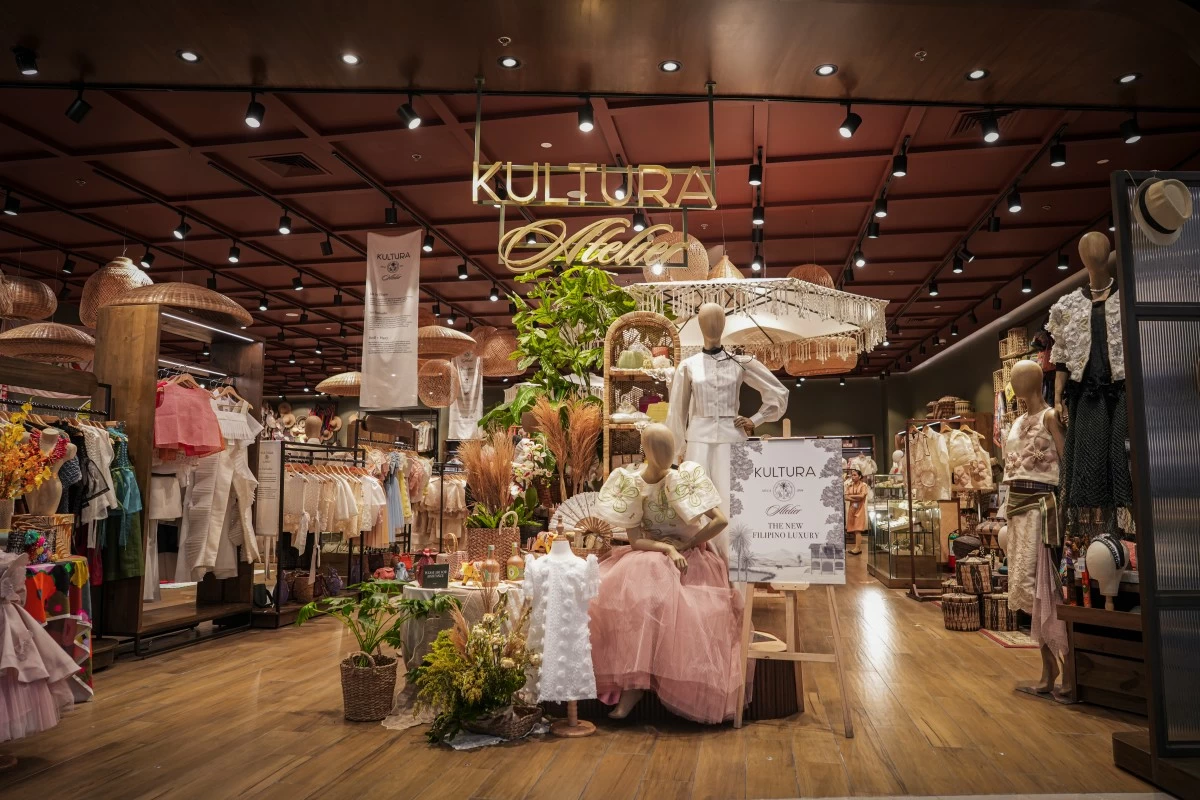
Kultura Atelier
Kultura Atelier
Co-presented by Mastercard, hosted by SM Aura Premier and Sarsa, Kasal provided its guests with activities related to wedding festivities, such as a flower bar, photobooth, customized favors, and cake-pulling surprises. In any celebration, Filipinos always appreciate good food, and Kasal met this expectation through the culinary experience provided by Michelin Bib Gourmand awardee, Sarsa.
Prior to the fashion show itself, the space was already filled with essentials for a kasal. The tablescape set with capiz and mother-of-pearl, combined with sculptural centerpieces featuring driftwood, native fruits, and foliage, set the tone for the celebration, familiar yet elegantly innovative.
Two vignettes invited guests to take a peek into the bridal suite, where embroidered and embellished Filipiniana were displayed together with pearl jewelry and other handmade accessories. The Groom’s Lounge highlighted modern and classic Barong Tagalog options for both the groom and his groomsmen, together with gift ideas that the entourage would enjoy.
A stitch in time
Kultura fosters emerging brands and advocates for local designers, strengthening Filipino pride by safeguarding their artists' creative freedom. “Kultura has never asked me to compromise those values. Instead, it has provided a platform where I can present my work in a way that remains true to its original intent. That freedom is invaluable because authenticity is ultimately what gives a brand its identity and longevity,” Ken Samudio says.
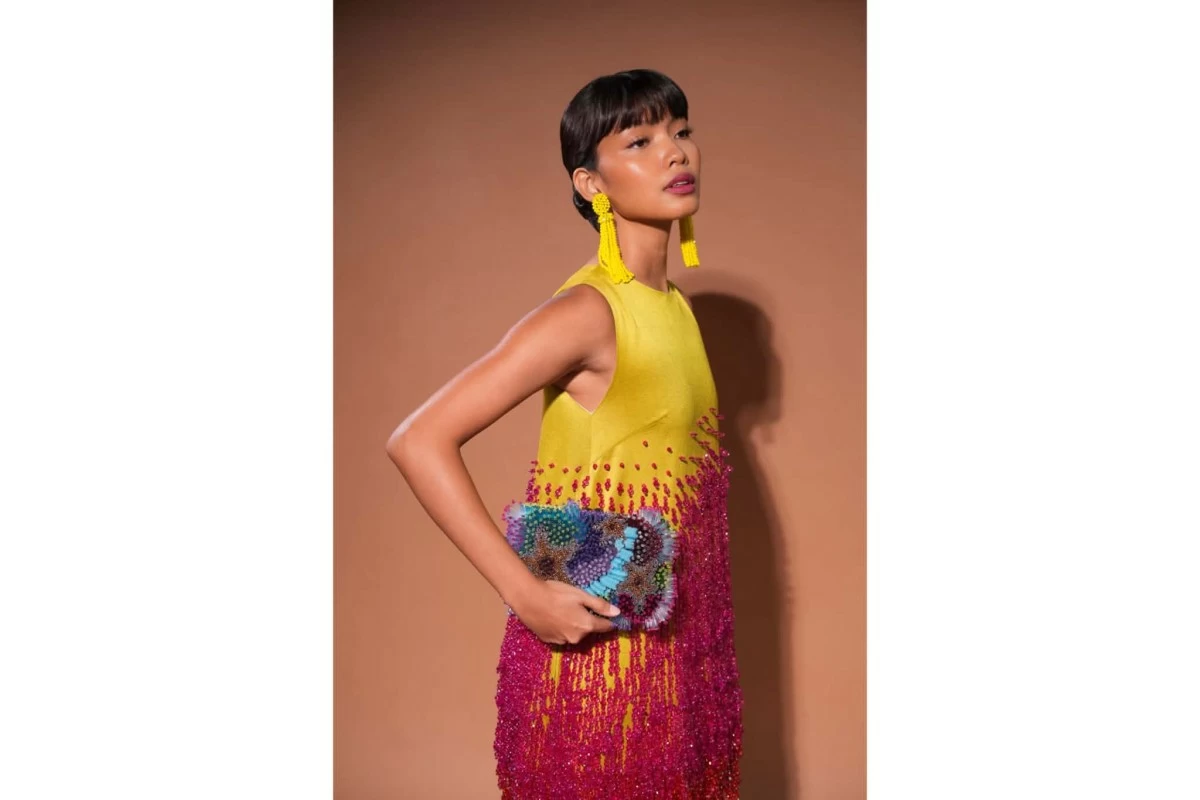
Ken Samudio
Ken Samudio
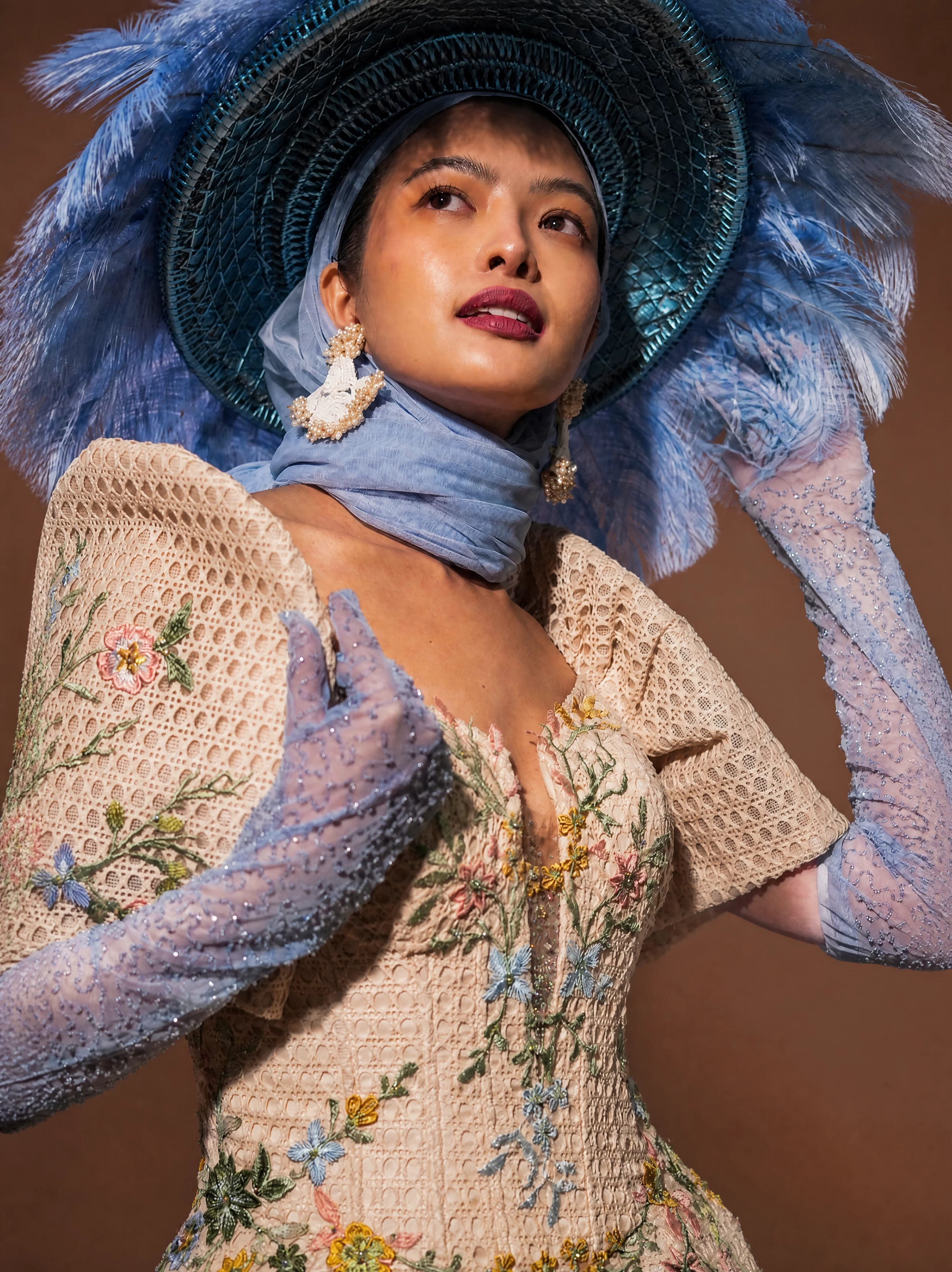
Kultura Atelier’s fashion show celebrated the evolution of local fashion which was evident in every piece of clothing presented: from the trendy yet nostalgic embroidery in Daryl Maat’s, refined monochromatic palette of Nuevo Ystilo, edginess in Good Luck, Humans, fusion of nature and hand-beaded designs in Ken Samudio’s, relaxed polished designs from Rodolfo by Puey Quinones, the fresh approach to piña silk by Harold + Harry, softness and sophistication in Jor-el Espina’s creations, bold appliqués of Martin Uy; there was also the touch of sultriness in Philip Rodriguez’s looks, the ethereal aura in Raffaella’s Maria Clara, modernity intertwining with tradition in EN Barong Filipino’s, and whimsical glam of Little Miss Lacey’s flower girl styles. This lineup of wedding entourage fashion is a walk of culture and time, providing Filipinos with a well-curated catalogue to weave their own heritage into their special day.
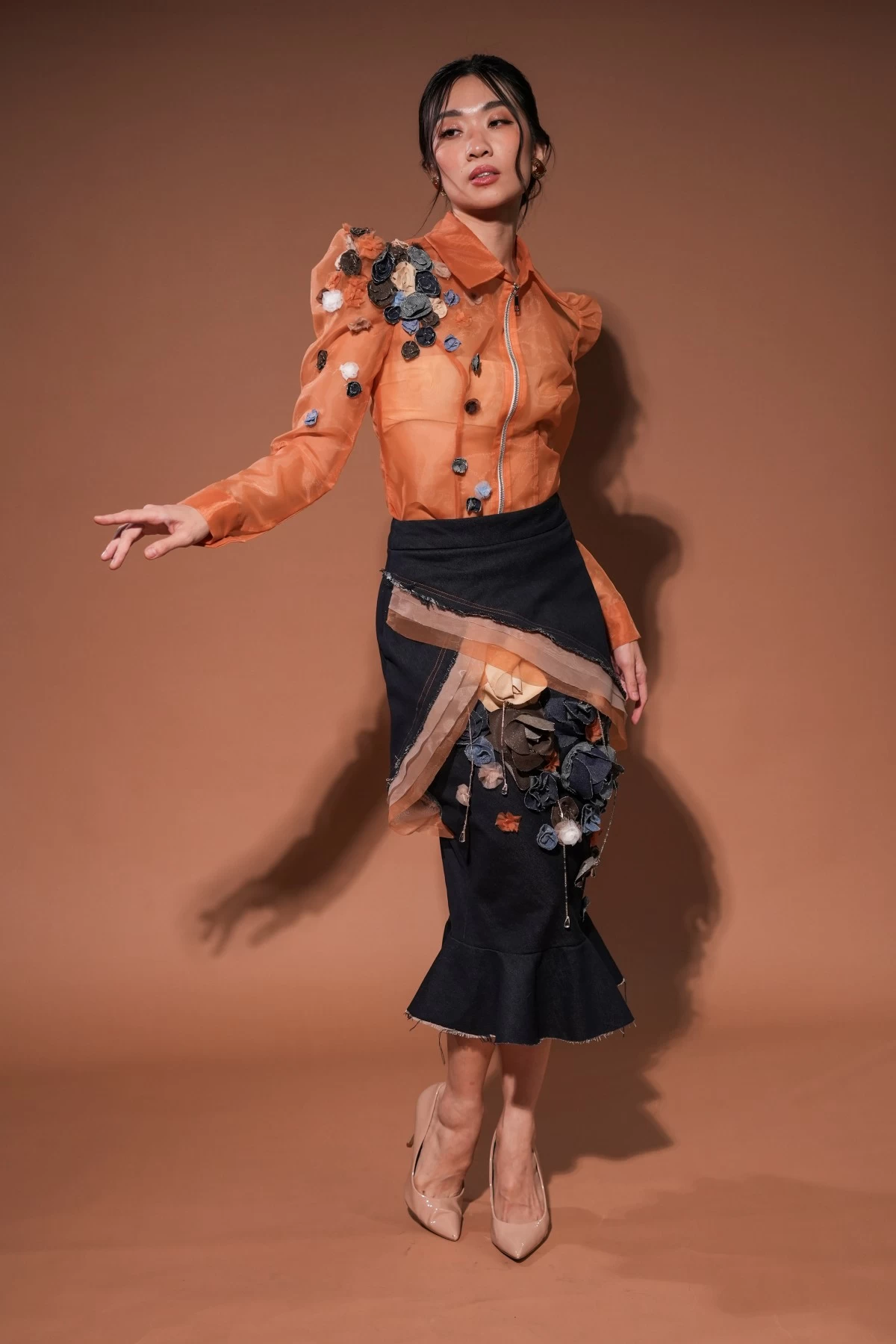
Martin Uy
Martin Uy
Raffaella
Raffaella
Nuevo Ystilo
Nuevo Ystilo
Harold + Harry
Harold + Harry
Nuevo Ystillo
Nuevo Ystillo
Little Miss Lacey
Little Miss Lacey
Isla
Isla
Beyond clothing, the show featured stunning South Sea pearl jewelry by Aurea, fanciful bags by Zarah Juan, and striking accessories from FAM Ph (Fashion Accessory Makers of the Philippines).
Vows of purpose
Kultura’s in-house brands and designers don’t just focus on their creativity; they provide livelihood to local communities that help bring their visions to life. From weavers and embroiderers who execute their designs, to local farmers who grow raw materials that brands use as textiles, to wives of prisoners who have learned the art of beadwork, designers of Kultura pave the way for local artistry to be recognized nationwide while supporting the well-being of artisans behind their work
Daryl Maat gathers his textiles from the provinces of Abra, Ilocos Sur, and Zamboanga. EN Barong Filipino and Raffaella use pinya (pineapple) fiber sourced from Aklan and Antique. Their brands and designers create a space for economic growth in these provinces.
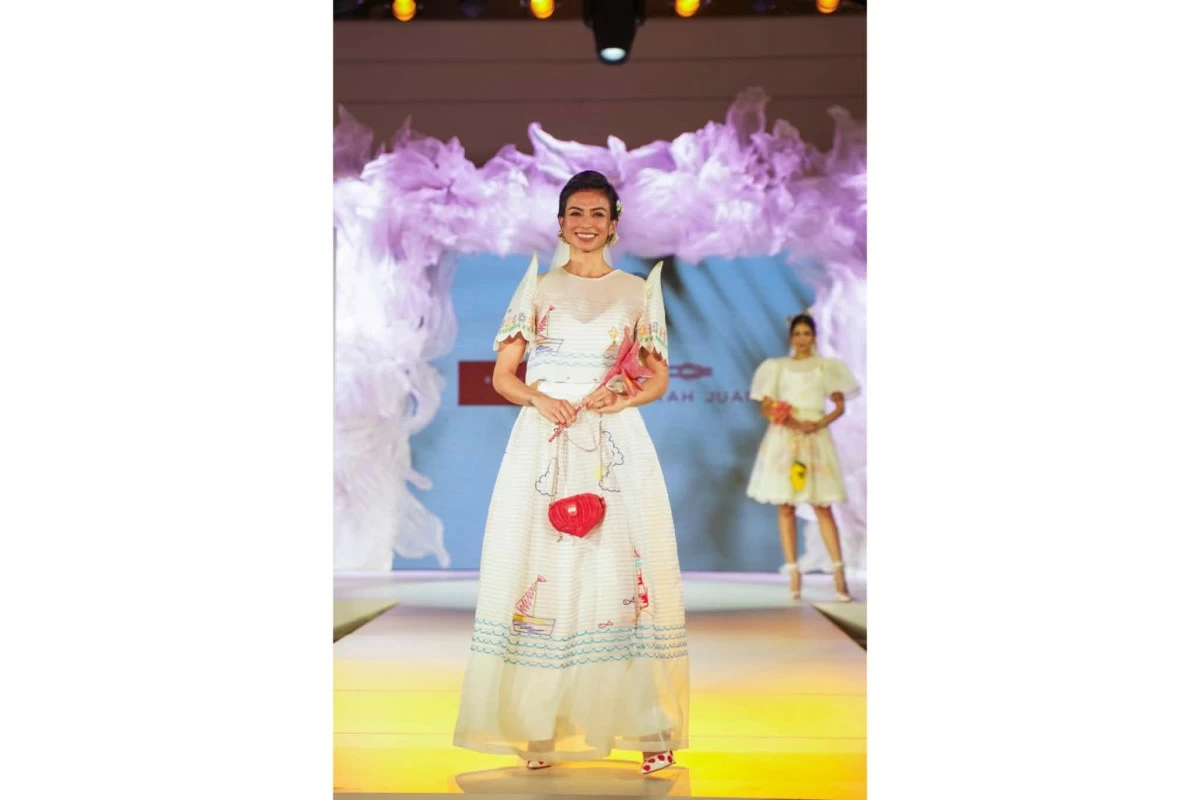
Daryl Maat
Daryl Maat
Jor-el Espina hires artisan weavers from Aklan and embroiderers from Laguna. Little Miss Lacey works with sewers from Cavite. Ken Samudio co-creates with disadvantaged women from Muntinlupa, some of whom are single moms, wives, or partners of inmates, and teaches them beadwork.
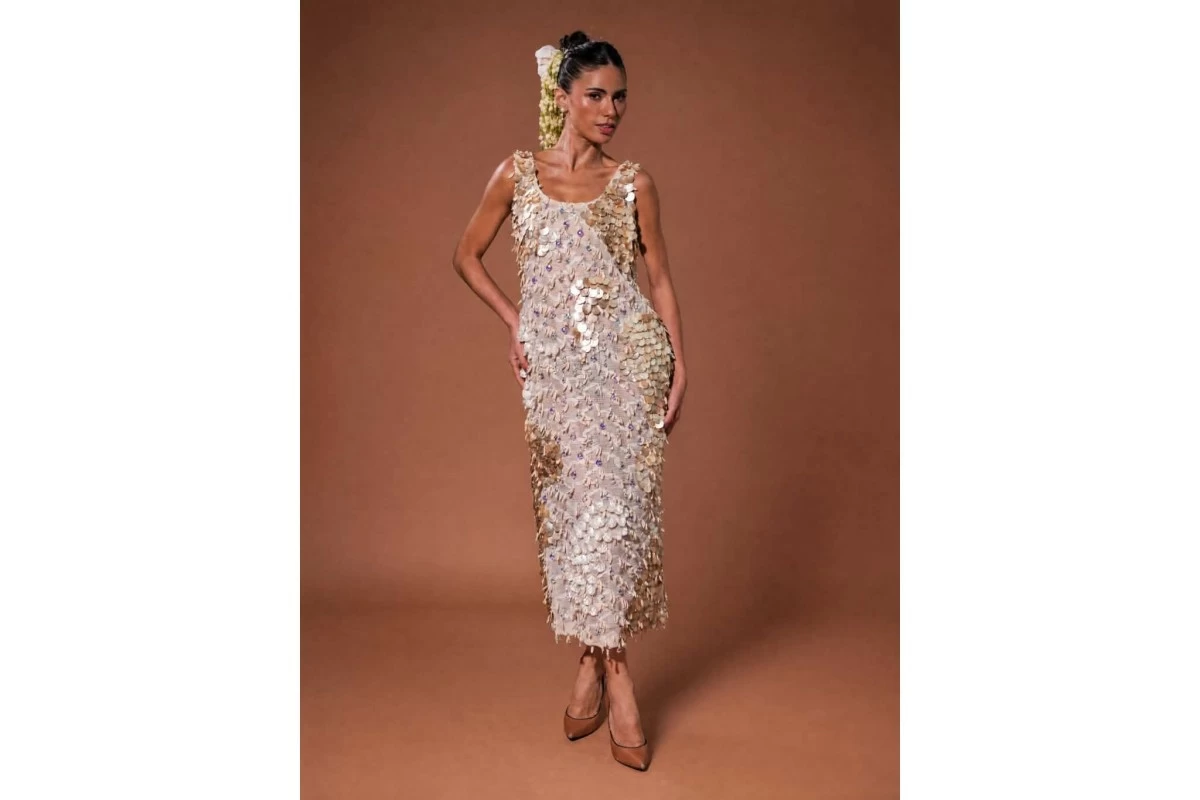
Jor-el Espina
Jor-el Espina
Working with over 300 artisans across many provinces, from the Bagobo Tagabawa of Mindanao to the weavers of Abra, Zarah Juan grows her brand with these communities. Oel Designs supports leather workers from Marikina and works with mothers, out-of-school youth, and part-time students to aid in their financial needs. Palawan Pearls allies with local pearl farmers and assembles their pieces with the LGBTQIA+ in their community.
Celebrations are always beautiful, but what makes them more meaningful is the blend of the past, present, and future. Kultura Atelier pays tribute to classic and modern Filipino fashion, infusing heritage craftsmanship into contemporary wedding essentials, while honoring local artisans and the rich traditions behind every Filipino wedding.

When disaster strikes, protection should already be there


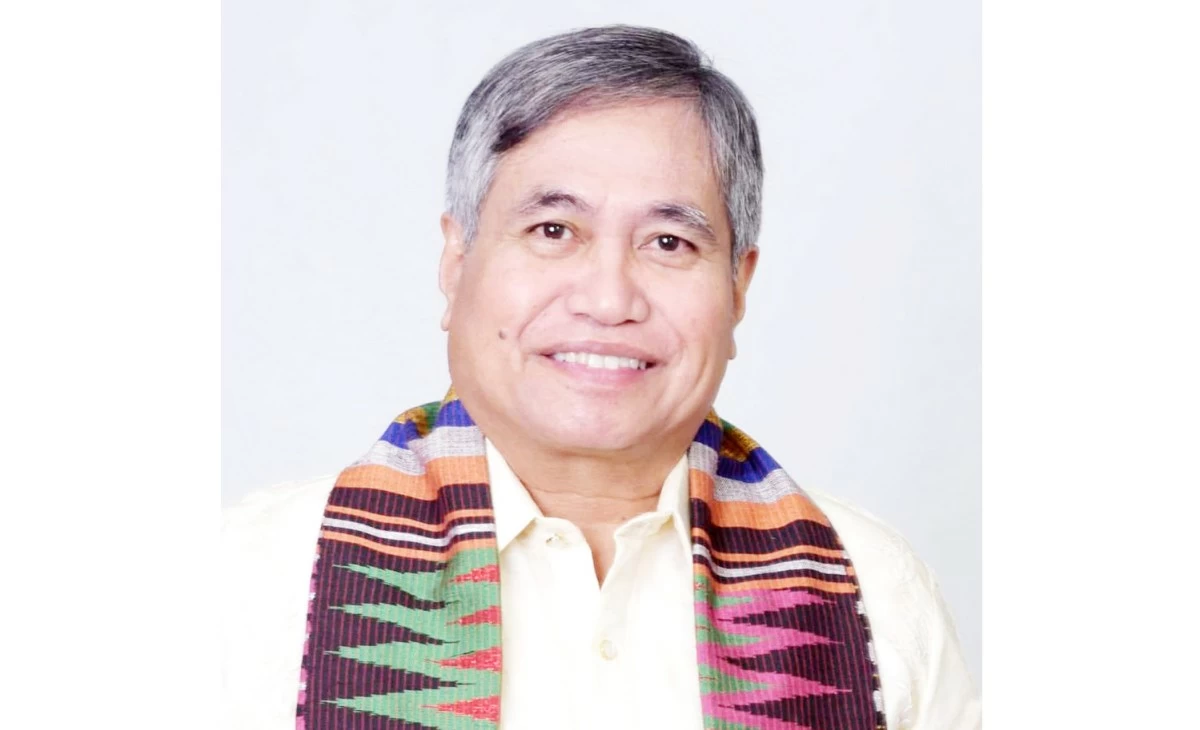
By Jaime Aristotle B. Alip, PhD

Published Jul 6, 2026 12:05 am | Updated Jul 5, 2026 03:37 pm
FROM THE MARGINS
Every year seems to bring a new reminder that the Philippines is one of the world's most disaster-prone countries.
This year alone, we experienced earthquakes in Mindanao and authorities have warned of the “Big One” that could affect Metro Manila and adjacent provinces. Prolonged dry spells associated with El Niño are threatening agricultural communities, while stronger typhoons underscore the threat of climate change. For millions of Filipinos — particularly farmers, fisherfolk, informal workers, and low-income families — these are no longer distant possibilities but recurring realities.
When disasters strike, humanitarian assistance is indispensable. Communities come together, governments mobilize, and relief organizations respond with remarkable generosity. Yet experience has taught us that recovery cannot depend on aid after the fact. True resilience begins long before disaster arrives.
That is why I found the keynote message of Philippine Insurance Commissioner Reynaldo Regalado during the recently-held International Cooperative and Mutual Insurance Federation (ICMIF) Mutual Microinsurance Network Seminar especially timely.
His message was refreshingly simple: the Insurance Commission does not see itself merely as a regulator of microinsurance but as its collaborator.
That distinction matters.
The remarkable growth of microinsurance in the Philippines did not happen by accident. It resulted from years of collaboration among regulators, mutual benefit associations (MBAs) with their microfinance networks, and other insurers working toward one shared goal: making insurance accessible to those who need it most.
Commissioner Regalado illustrated this through stories that remind us why microinsurance exists in the first place.
He spoke of Enie Alsonado from Lanao del Norte, who lost his life while helping his family evacuate during the floods brought by Typhoon Sendong in 2011. Although the family lost almost everything, Enie’s microinsurance benefit became their foundation for rebuilding.
He also shared the story of farmer Teresita Fronda, whose microinsurance claim after a typhoon destroyed her crops enabled her family to recover and continue farming.
Microinsurance pays modest payouts, yet, for families with limited incomes, it can mean the difference between rebuilding and falling permanently into poverty.
The progress of the Philippine microinsurance sector reflects this vision. According to Commissioner Regalado, by the end of 2025, the Insurance Commission had recorded 49 active providers of microinsurance, including 26 MBAs, offering more than 250 approved products. Insurance penetration and premium collections continue to grow, showing that more Filipinos now recognize insurance as an essential component of financial security.
Equally encouraging is the Commission's support for innovations such as microtakaful, which extends financial protection to Muslim communities through products aligned with Islamic principles. Financial inclusion, after all, is most meaningful when it also respects the cultural and religious diversity of the people it serves.
Resilience is built through partnerships. The Insurance Commission's collaboration with the Cooperative Development Authority, its endorsement of the Cape Town Declaration on Inclusive Insurance, and its continuing engagement with international organizations like ICMIF all demonstrate that expanding financial protection requires government, the private sector, cooperatives, and development partners to work together.
This collaborative approach becomes even more urgent as climate risks continue to intensify. Beyond access to savings and credit, financial inclusion must also include protection.
Savings help families prepare. Credit helps them invest. Insurance helps them recover. Together, these three pillars create the financial resilience that allows vulnerable households not only to survive disasters but to rebuild their lives and livelihoods afterward.
Commissioner Regalado concluded his remarks by invoking the Filipino value of bayanihan -- neighbors coming together to carry a bahay-kubo to safer ground.
It is a fitting metaphor for microinsurance MBAs.
At its core, microinsurance MBAs embody shared responsibility. Members contribute not only for their own protection but also for the security of their co-members. More than a financial product, insurance becomes a community institution founded on solidarity, trust, and compassion.
As I wrote last week, this is precisely why the Philippine microinsurance MBA model continues to attract international attention. For many years, our MBAs have worked alongside the Insurance Commission and other stakeholders to demonstrate that insurance can successfully reach even the poorest households when products are affordable, claims are simple and processed quickly, and communities become active participants rather than passive beneficiaries.
As climate-related disasters become more frequent and more severe, the question is no longer whether they will occur. They will.
The more important question is whether vulnerable families will face them alone or with the financial protection needed to recover with dignity.
We can ensure preparedness not only with evacuation plans, stronger infrastructure, or early warning systems. We can ensure that families possess the financial resilience to begin again after the storm has passed.
That is the quiet but powerful promise of microinsurance. And in a country where disasters are an unfortunate certainty, it may well be one of the most meaningful expressions of bayanihan we can offer one another.
* * *
“The greatest danger to our future is our apathy.” – Jane Goodall
(Dr. Jaime Aristotle B. Alip is a poverty eradication advocate. He is the founder of the Center for Agriculture and Rural Development Mutually-Reinforcing Institutions (CARD MRI), a group of 23 organizations that provide social development services to 8 million economically-disadvantaged Filipinos and insure more than 27 million nationwide.)

ADVERTISEM

Lea Salonga to be honored as icon at the 2026 Metro Manila International Film Festival


Published Jul 5, 2026 01:50 pm
The Metro Manila International Film Festival will honor Lea Salonga with the Icon Award during its closing night gala on Sept. 6 at the Beverly Hilton in Beverly Hills, California.
Lisa Lew, Executive Producer of the MIFF, said in a statement: 
"From sweeping major theater awards to voicing classic Disney heroines and starring on screens across both the U.S. and the Philippines, she is the ultimate ambassador for Filipino excellence. The Manila International Film Festival is proud to champion Lea's achievements through our Hollywood Walk of Fame nomination, and we look forward to celebrating her legacy with our Icon Award at the Closing Night Gala."  

It was also the MIFF that nominated Lea for the Hollywood Walk of Fame.
She is now set to become the first Filipino born and raised in the Philippines to receive a star on the historic site. 
In a previous interview, Lea admitted the idea still feels surreal for her.
"I still don't believe that it happened. At first, I thought somebody was pranking me, kasi it's something that I didn't expect, that I would get kasi most of my work is in New York and Manila because I'm not exactly a Hollywood person. But I'm happy that it's going to happen," she said.
Other artists with Filipino roots who have received a star in the Hollywood Walk of Fame:  Bruno Mars (2016), apl.de.ap (2016), and Rob Schneider (2011).

⚠️ TRAVEL ADVISORY | ROAD NOT PASSABLE ⚠️

 Another landslide has occurred at Sitio Balacayo, Barangay Kalagangan, San Fernando, Bukidnon, making the San Fernando–Talaingod Road NOT PASSABLE to all types of vehicles.

Motorists and travelers are strongly advised to take the designated alternate route and avoid the affected area until clearing operations are completed and authorities declare the road safe for travel.
Please drive safely, stay updated with official advisories, and help share this information to keep others informed.
Stay alert. Stay safe. 🚧🌧️
May be an image of skateboard, road and text that says '! ANOTHER LANDSLIDE at Sitio Balacayo, Barangay Kalagangan, San Fernando, Bukidnon 1 ALL TRAVELERS ARE ADVICE TO TAKE THE ALTERNATE ROUTE. ROAD FROM SAN FERNANDO TO TALAINGOD NOT PASSABLE STAY STAYSAFE. SAFE. STAYINFORMED. STAY INFORMED. LET'S ET'SLOOKOUT LOOK FORONEANOTHER. FOR FORONE ANOTHER. 0三 STAY UPDATED MONITOR OFFICIAL ADVISORIES PLAN AHEAD DRIVE WITH CAUTION BE PATIENT PATIE UNDERSTANDING'
All reactions:
28

Preparing your child to lead in AI


Barely a week goes by without someone asking me how to prepare their children for an artificial intelligence (AI)-driven world.

Just recently, a friend with a seven-year-old told me he was genuinely anxious, not the vague background kind of anxiety, but the sharp keeps-you-up-at-night kind.

What school should his child attend? If Philippine schools don’t teach AI competently, should the family consider migrating? Is it already too late to start?

I understand the fear. But I think the fear is aimed at the wrong target.

Schools teach information. But information is now ubiquitous, freely available, instantly searchable, endlessly generated.

What made education valuable in the past was access to knowledge that was scarce. That scarcity no longer exists.

What remains scarce, dangerously and increasingly scarce, is the human capacity to think, feel and lead.

Look at history. Humans have proven to be remarkably adaptive creatures.

We navigated the Renaissance, which upended how we understood art, science and the self.

We survived the Industrial Revolution, which replaced muscle with machine and reorganized entire civilizations around factories.

We are still navigating the Digital Age, which rewired how we communicate, consume and connect. Every era brought disruption. Every era produced humans who adapted and led.

But here is where I diverge from the optimists.

The threat of the AI Age is not that machines will replace us. It is that we will allow ourselves to become dependent on them before we have fully developed ourselves.

I am not afraid of AI. I am afraid of a generation that outsources its thinking to AI, its creativity to AI, its judgment to AI, and arrives at adulthood having never built the inner architecture that leadership requires.

Imagine a world where the most powerful tool ever built is operated by people who have forgotten how to be human.

That is the real risk.

So when my friend asked me what he could do, I gave him five concrete answers. Not app subscriptions. Not coding camps. Five fundamentals, executable at home, starting tonight.

  • First: Read with your child every night, with a book. Not a tablet. A physical book.

The ritual of a parent reading aloud builds vocabulary, comprehension, attention span and the experience of sustained, linear narrative. Children who are read to learn to follow an argument, absorb a story arc and sit with ideas long enough to understand them. That is the foundation of critical thinking.

  • Second: Have your child read aloud. Loud. With confidence.

Reading aloud builds fluency, diction and the courage to occupy space with one’s voice. Communication is not a soft skill. It is the primary skill of leadership.

Every great leader, in every field, has been able to articulate a vision, move a room, and persuade another human being.

That begins with a child learning to project their voice across the living room.

  • Third: Learn a musical instrument, any instrument. Even cymbals. Or a guitar.

Music is not about performance. It is about activating the creative hemisphere of the brain that logical training tends to neglect.

Playing an instrument builds pattern recognition, discipline, and the ability to translate abstract feeling into structured expression.

These are exactly the capacities that AI cannot replicate.

  • Fourth: Learn a second language, any language. A regional dialect. Spanish. Even Latin, though it has been dead for centuries.

Acquiring a second language opens neural pathways that a single-language existence leaves dormant.

It builds cognitive flexibility, the ability to hold two conceptual frameworks in the mind simultaneously and move between them.

That is precisely what you need in an AI world, where the ability to reframe a problem and think in multiple registers will separate leaders from followers.

  • Fifth: Play a sport, any sport. Chess counts. Swimming counts. Even a backyard game counts.

Sport builds the inner competitive spirit, the will to improve, to persist through failure, to measure oneself honestly.

It teaches a child that outcomes are not guaranteed, that effort matters, that losing is survivable and instructive.

In a world increasingly optimized for frictionless experience, children need the friction of competition to develop resilience.

These five things develop what matters most in an AI world: critical thinking, emotional intelligence and adaptability.

SEE ALSO

These are not supplementary virtues. They are the core operating system for human leadership in any era, and they are built at home, not in a classroom.

Many parents today are waiting. Waiting for schools to teach AI. Waiting for the right curriculum, the right program, the right government policy. That wait may never end.

Schools are still figuring it out, and the curricula being written today will be obsolete before your 7-year-old finishes high school.

But here is what I know for certain.

AI learning, real AI readiness, begins long before your child ever sits in a tech classroom.

It begins at home, in the early years, through the fundamentals. And it does not begin with a screen. It begins with a parent.

We are also seeing the consequences of neglecting these fundamentals in real time.

Student suicides are rising. Young people are struggling to manage pressure, failure and uncertainty in ways that previous generations, for all their disadvantages, seemed better equipped to handle.

This is not a school problem. It is a foundation problem.

Children who read develop inner worlds rich enough to process difficulty. Children who play sports learn that losing does not end you. Children who make music find an outlet for what they cannot yet put into words. These are not academic exercises. They are mental health interventions, preparing them for life’s battle ahead.

Your presence in these activities is not optional. It is the variable that makes the difference. A teacher can introduce a concept. Only a parent can build a foundation.

The most advanced school in the world will always be secondary to a parent who shows up, consistently and intentionally, in the small daily moments that shape a child’s character.

So read the book. Not the tablet. The book.

That is where AI readiness begins.

The author is president of the Management Association of the Philippines (MAP). He is also president and COO of DITO CME Holdings Corporation. Feedback at map@map.org.ph and donaldpatricklim@gmail.com.