At the State of the Nation Address (SONA) in July 2026, President Ferdinand Marcos Jr.
outlined bold commitments to advance Universal Health Care (UHC) in the Philippines. From expanding preventive health benefit packages to broadening financial access to essential outpatient medicines, the administration signaled a renewed resolve to build a healthier nation. Among the most critical battlegrounds in this UHC roadmap is tackling a silent yet deadly public health threat: hepatitis B.
The gravity of this challenge cannot be overstated. The World Health Organization’s (WHO) Global Hepatitis Report 2026 delivers a sobering reality:
The Philippines remains among the top 10 nations responsible for nearly 70 percent of all global HBV-related deaths.
As a clinician on the frontline, I see the tragic consequences of this statistic daily. Chronic hepatitis B is a “silent killer.” For years, it damages the liver without any noticeable symptoms. By the time a patient presents with
symptoms of jaundice, persistent fatigue, or abdominal swelling, the infection has often progressed to liver cirrhosis or fatal liver cancer.
While recent policy developments point us in the right direction, a fundamental question remains: Are the government’s new strategies enough to achieve the WHO target of eliminating viral hepatitis by 2030?
Financial coverage and policy targets are crucial foundations, but money alone will not cure a disease if the healthcare system remains out of reach for the people who need it most. To bridge this gap, we must fundamentally shift our strategy toward a decentralized, people-centered primary healthcare model.
Unlocking a people-centered approach through primary care
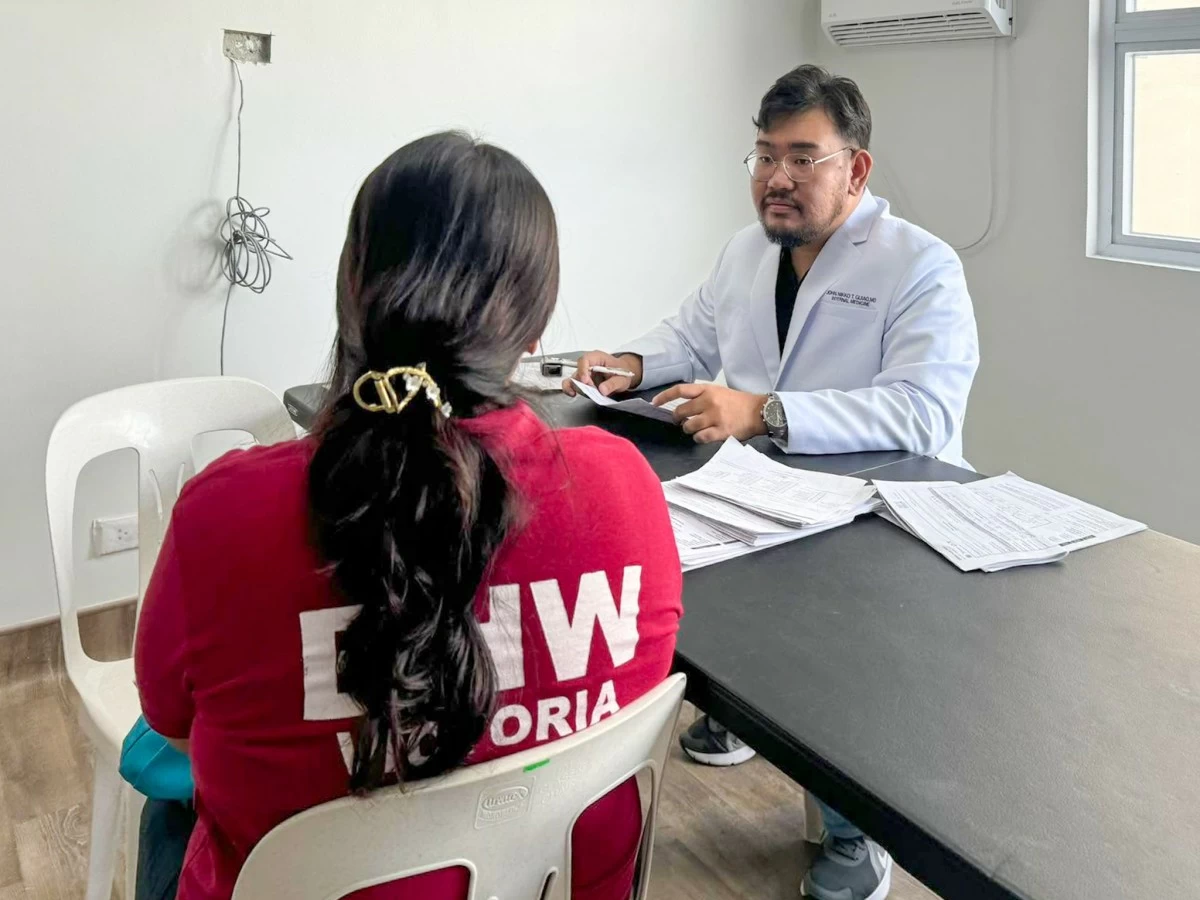
For millions of Filipinos living in rural areas, accessing care requires financial and time investment in traveling long hours to metropolitan specialty hospitals. (Photo: Tarlac Provincial Health Office)
Starting in 2027, the Philippine Health Insurance Corporation
(PhilHealth) plans to gradually include diagnostic blood testing panels and targeted therapies under its benefit packages to enable early detection of conditions affecting the kidney, liver, thyroid, and hepatitis B. Complemented by the broadened accreditation of clinics under the Yaman ng Kalusugan Program (YAKAP), these measures promise improved access to screening and consultation.
Furthermore, the
expansion of the Guaranteed and Accessible Medications for Outpatient Treatment (GAMOT) Program allows eligible PhilHealth members to receive up to ₱20,000 worth of essential outpatient medicines across more than 2,000 accredited providers. Together with the planned expansion of YAKAP benefits for hepatitis B, this financial relief can be life-changing for people living with chronic hepatitis B requiring long-term care.
However, continuous care management requires more than financial subsidies. For millions of Filipinos living in rural areas, accessing care currently means taking unpaid leave, spending limited savings on transportation, and traveling long hours to metropolitan specialty hospitals.
If we are to achieve true accessibility, we must decentralize services by moving from specialist to primary care settings. Integrating hepatitis screening and routine management into the national primary health protection system—making routine testing as common as checking blood pressure or blood glucose at local health centers—will help to strip away systemic friction, normalize screening, and detect infections early.
Proven strategies: Primary care delivers scalable results
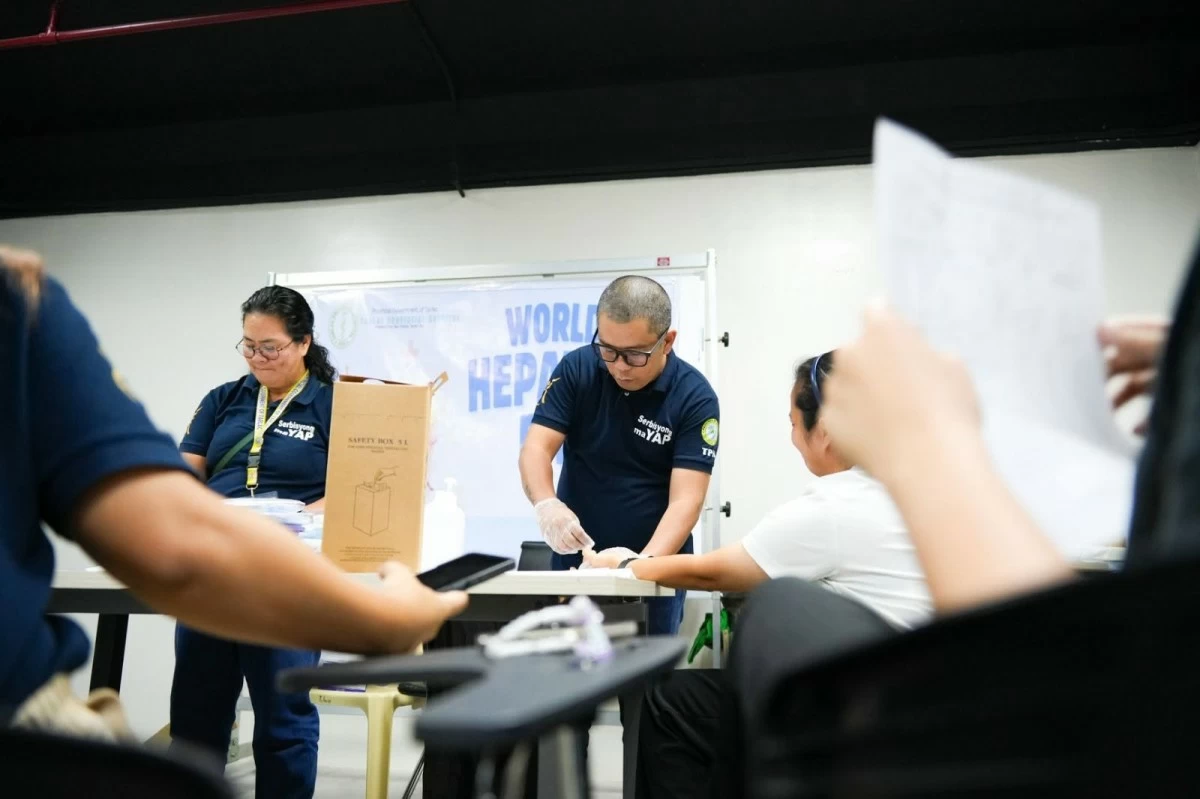
The StITCH project leverages a people-centred care model for people living with hepatitis in primary healthcare facilities in the Philippines and Vietnam. (Photo: Tarlac Provincial Health Office)
Skeptics may question whether primary care health centers and health workers can effectively manage a complex disease historically reserved for specialists. However, real-world evidence demonstrates that they not only can but do so with remarkable success.
A landmark proof-of-concept is the
Strengthening Integrated Treatment and Care for Hepatitis (StITCH Project), a collaborative initiative involving Gilead Sciences, Harvard Medical School, and the University of the Philippines Manila. Implemented across primary healthcare facilities in the Philippines and Vietnam, StITCH demonstrated the power of empowering trained primary care teams to manage hepatitis B care locally.
The results in the Philippines were compelling: Over 31,000 individuals were screened for hepatitis B virus (HBV) infection and 72 percent of those who tested positive returned for follow-up care, while 95 percent of patients eligible for treatment initiated it immediately. This people-centred, one-stop primary care approach streamlined the patient journey from blood screening to consultation, shortening the time to linkage to care from more than four months to less than one week.
The takeaway for health administrators and policymakers is undeniable: primary care-led management is not merely an alternative approach. Rather, it is the solution to screening and keeping those diagnosed with hepatitis B linked to long-term care.
Dismantling stigma: The final barrier to elimination

Imee (right), an ambassador for Gilead’s BehinD the SilenCe campaign, believes that her lived experience with hepatitis B gives her purpose to speak for the community to reduce stigma and get the support they need. (Photo: Gilead Sciences)
Even the best-funded, most decentralized health infrastructure will fall short if societal fear prevents those diagnosed with hepatitis B from walking through the clinic doors. Heavy social stigma, discrimination, and widespread misinformation continue to keep millions of Filipinos in the shadows, reluctant to seek testing, care, or disclose their status.
Overcoming this requires elevating the voices of those with lived experience. Volunteer leaders like Imee, a hepatitis B ambassador with the Yellow Warriors Society Philippines (YWSP), demonstrate the transformative impact of patient advocacy. After resigning from her job out of fear that her colleagues would learn about her hepatitis B diagnosis, Imee understands firsthand how crippling stigma can be. She has transformed that adversity into action, working tirelessly to demystify the disease and challenge cultural taboos. In addition to providing psychological counseling to empower those living with hepatitis, Imee’s work at YWSP also includes mapping local public health services to encourage more people to get screened and access continuous care.
Through public awareness initiatives like Gilead Sciences’
BehinD the SilenCe campaign, developed in collaboration with the World Hepatitis Alliance, advocates are shining a light on the unspoken emotional and social burdens of living with hepatitis. By fostering open, empathetic dialogue, we can replace fear with understanding, encouraging individuals to step forward for screening and care without shame.
The road ahead: A call for action
Viral hepatitis is a preventable and manageable condition. We possess effective strategies and intervention mechanisms on how to screen and deliver care efficiently. However, the roadmap to eliminating viral hepatitis by 2030 requires a unified, multi-sectoral strategy focused on three imperatives:
1. Decentralize services: Fully integrate HBV screening and care into primary care settings, ensuring seamless procurement and distribution of diagnostics and medicines to local health centers..
2. Capacity building: Train and equip primary care healthcare workers to screen, diagnose, counsel, and manage patients living with hepatitis B in community settings.
3. Community-led advocacy: Partner with patient organizations to normalize public discussions, combat stigma, and overcome barriers to testing and care
We stand at a pivotal crossroads. By moving hepatitis care out of specialized hospitals and into primary care community settings, we can transform national policy into saved lives. The time to act is now.
Author: Dr. Janus Ong, a gastroenterologist, transplant hepatologist, and associate professor at the University of the Philippines Manila.

 Naghahanap ka po ba ng puno na magandang itanim para sa bahay or sa ating bakanting lupain? Ito na ang sulotion magtanim na ng Pine tree , dahil itoy nagbibigay lamig sa lugar at matibay ito sa mga lupa para hindi magka landslide


