You plan to move to the Philippines? Wollen Sie auf den Philippinen leben?

There are REALLY TONS of websites telling us how, why, maybe why not and when you'll be able to move to the Philippines. I only love to tell and explain some things "between the lines". Enjoy reading, be informed, have fun and be entertained too!

Ja, es gibt tonnenweise Webseiten, die Ihnen sagen wie, warum, vielleicht warum nicht und wann Sie am besten auf die Philippinen auswandern kรถnnten. Ich mรถchte Ihnen in Zukunft "zwischen den Zeilen" einige zusรคtzlichen Dinge berichten und erzรคhlen. Viel Spass beim Lesen und Gute Unterhaltung!


Visitors of germanexpatinthephilippines/Besucher dieser Webseite.Ich liebe meine Flaggensammlung!

free counters

Total Pageviews

Friday, July 31, 2026

๐’๐ฎ๐ฌ๐ญ๐š๐ข๐ง๐š๐›๐ฅ๐ž ๐๐š๐ซ๐ญ๐ง๐ž๐ซ๐ฌ๐ก๐ข๐ฉ๐ฌ: ๐†๐ž๐ซ๐ฆ๐š๐ง ๐€๐ฆ๐›๐š๐ฌ๐ฌ๐š๐๐จ๐ซ ๐‡.๐„. ๐€๐ง๐๐ซ๐ž๐š๐ฌ ๐๐Ÿ๐š๐Ÿ๐Ÿ๐ž๐ซ๐ง๐จ๐ฌ๐ก๐ค๐ž ๐๐š๐ฒ๐ฌ ๐‚๐จ๐ฎ๐ซ๐ญ๐ž๐ฌ๐ฒ ๐‚๐š๐ฅ๐ฅ ๐“๐จ ๐Œ๐š๐ฒ๐จ๐ซ ๐’๐ž๐›๐š๐ฌ๐ญ๐ข๐š๐ง ๐™. ๐ƒ๐ฎ๐ญ๐ž๐ซ๐ญ๐ž

 ๐’๐ฎ๐ฌ๐ญ๐š๐ข๐ง๐š๐›๐ฅ๐ž ๐๐š๐ซ๐ญ๐ง๐ž๐ซ๐ฌ๐ก๐ข๐ฉ๐ฌ: ๐†๐ž๐ซ๐ฆ๐š๐ง ๐€๐ฆ๐›๐š๐ฌ๐ฌ๐š๐๐จ๐ซ ๐‡.๐„. ๐€๐ง๐๐ซ๐ž๐š๐ฌ ๐๐Ÿ๐š๐Ÿ๐Ÿ๐ž๐ซ๐ง๐จ๐ฌ๐ก๐ค๐ž ๐๐š๐ฒ๐ฌ ๐‚๐จ๐ฎ๐ซ๐ญ๐ž๐ฌ๐ฒ ๐‚๐š๐ฅ๐ฅ ๐“๐จ ๐Œ๐š๐ฒ๐จ๐ซ ๐’๐ž๐›๐š๐ฌ๐ญ๐ข๐š๐ง ๐™. ๐ƒ๐ฎ๐ญ๐ž๐ซ๐ญ๐ž

๐Ÿค
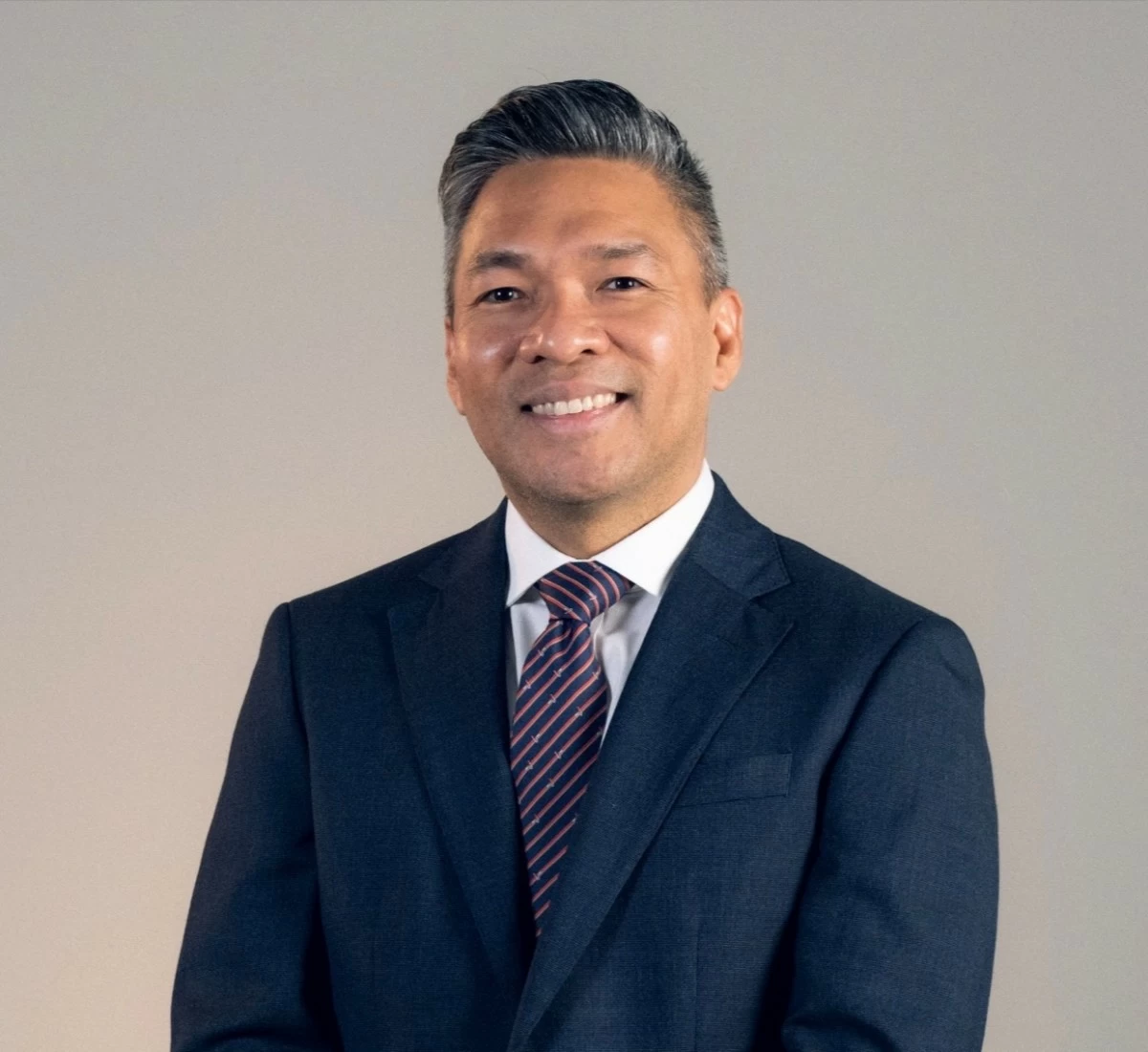
On July 30, 2026, the City Government of Davao, through the Davao City Investment Promotion Center (DCIPC), facilitated a high-level courtesy call between City Mayor Sebastian "Baste" Duterte and His Excellency Andreas Pfaffernoschke, Ambassador of Germany to the Philippines. Marking his first official visit to Davao City, Ambassador Pfaffernoschke praised the city's notable cleanliness, order, and overall high quality of life, emphasizing that fully understanding the Philippines requires engaging directly with regions outside Metro Manila.
Joining Mayor Duterte to welcome the German envoy were Councilor J. Melchor Quitain, Jr. and Councilor Ragde Niรฑo Ibuyan, alongside Mr. Harvey James Lanticse, Officer-in-Charge of the City Information Office (CIO), and Mr. Christian D. Cambaya, Acting Officer-in-Charge of the DCIPC. Representatives from the City Economic Enterprises Office (CEEO), City Tourism Operations Office (CTOO), and the City Environment and Natural Resources Office (CENRO) were also in attendance to support the bilateral discussions.
The diplomatic delegation visited the city primarily for the Davao leg of the Regional Green Investment Dialogue 2026 Forum at Dusit Thani. The forum brought together German and Philippine-based experts and businesses to connect regional stakeholders with international expertise in renewable energy, smart grids, energy storage, and industrial decarbonization. Ambassador Pfaffernoschke highlighted the crucial role of green energy, sustainability, and targeted investments in addressing local energy challenges, noting that "challenging times are a reason to stick together" as the European Union and the Philippines deepen their cooperation.
During the executive dialogue, Mayor Duterte shared key local priorities, pointing out Davao City's immense potential for tourism while outlining city efforts to strengthen education and establish a dedicated department for housing. Expressing his delight at his assignment to the Philippines, Ambassador Pfaffernoschke reaffirmed Germany's commitment to shared progress and sustainable development. The milestone meeting concluded with a traditional exchange of tokens of appreciation, cementing a strong foundation for future green investments and bilateral collaboration.
May be an image of text that says 'ฮฑฮฟ W * DLN SUSTAINABLE PARTNERSHIPS: GERMAN AMBASSADOR H.E. ANDREAS PFAFFERNOSHKE PAYS COURTESY CALL to MAYOR SEBASTIAN Z. DUTERTE R0 DABAWENYO D.C.PLINADO'

Police ready to secure Higala-ay Festival in Cagayan de Oro City


By Philippine News Agency

Published Jul 30, 2026 06:06 pm
CAGAYAN DE ORO CITY – The Cagayan de Oro City Police Office (COCPO) has alerted its personnel for the month-long Higala-ay Festival in August.
In a statement on Thursday, Police Col. Dexter Paje, COCPO director, said their deployment will ensure heightened police visibility as a key strategy for the safety and security of residents and visitors.
A 1,000-strong security force, including augmentation forces from the Philippine Army (PA) and Police Regional Office in Northern Mindanao (PRO-10), is being eyed for deployment during the month-long celebration.
Despite this, Paje said they will still follow the national directive in adopting an eight-hour working shift, with contingent placement from the PA and PRO-10 as force multipliers.
"Effective time management and proper deployment of police personnel are also being implemented to enable officers to perform their duties efficiently," Paje said.
Their deployment will also include maintaining security at schools across the city while conducting festival-related operations.
Mark Kenneth Jalapadan, the acting head of the City Tourism Office, said this year's festival will have 53 activities from nine core events, 12 major events, eight minor events, and 28 parallel events.
"We initially planned a modest preparation because of the economic impacts of the Middle East crisis, but more partners were willing to collaborate with us, so it's getting bigger each year," he said. (PNA)

The ABCs of Anti-Bullying Laws


Published Jul 31, 2026 08:00 am | Updated Jul 28, 2026 02:25 pm
Department of Justice Undersecretary Ian Norman E. Dato

As a parent myself, I know that nothing brings us more anxiety than a report that our child is being bullied. Are we helpless? Or do we simply not know the laws and support available to us? Through this article, I would like to walk parents through the laws on bullying and offer this assurance: neither anxious parents nor bullied children are without recourse. The law provides clear pathways to protect children and hold wrongdoers accountable.

What is bullying?

Under the Anti-Bullying Act of 2013, bullying is any severe or repeated physical, verbal, or electronic act by one or more students against another that causes fear of physical or emotional harm, damages property, or creates a hostile environment. Nowadays, this behavior is no longer confined to the classrooms but spills over even into recreational spaces and online platforms. 

How do we protect children and hold wrongdoers accountable? It begins with early detection at home. A strong parent-child relationship helps children feel safe sharing their struggles, allowing parents to notice behavioral changes and address issues before they escalate.

Beyond the home, parents should also actively attend Parent-Teacher Association (PTA) meetings to understand and support the school's preventive policies. To empower this collaboration, schools must also ensure that their anti-bullying policy is clearly published and accessible to everyone.

If a child reports being bullied, parents must make sure to gather evidence. The law requires proof to sustain a complaint. Given that minors interact heavily online, cyberbullying is often the most accessible to document. In such cases, parents should secure unedited screenshots or screen recordings of chat logs on messaging applications like Messenger or Viber, social media posts, and public threads targeting the child. While doing so, they must ensure that timestamps are visible to establish the repeated nature of the behavior required by law.

The law also evaluates the physical and psychological impact of the abuse. If the bullying involves physical contact, parents must secure a medical examination, as a physician’s certificate serves as proof of injury. Furthermore, because the Anti-Bullying Act of 2013 recognizes damage to a child’s emotional well-being, obtaining an evaluation from a guidance counselor, detailing trauma may be helpful for their case. This may be paired with other pieces of evidence like photographs of injuries, the child's own written statement for the school's Intake Sheet, witness testimonies from classmates, and a personal log of every incident. School records showing a drop in grades or high absenteeism also serve as circumstantial evidence that the bullying has disrupted the child's education.   

With this evidence, parents must initiate action within the school. A written report should be filed with the principal or guidance officer within 24 to 48 hours of the incident. Exercising their special parental authority, schools must act on their own initiative to enforce these protections, which includes the need to monitor learners who are vulnerable to committing targeted acts and identifying possible victims.

By law, every school in the Philippines must maintain a properly constituted Learner Formation Officer (LFO), which is required to launch an investigation upon report. It is the school’s duty to separate the students, ensure safety, and conduct private interviews, culminating in a resolution within 30 days that details sanctions ranging from counseling to expulsion.

The recourse available to parents is subject to strict timelines, with schools required to render a decision within thirty (30) days of a complaint being filed. If an incident escalates into potential criminal behavior under the Revised Penal Code, the school head is legally mandated to notify law enforcement agencies. For severe offenses resulting in serious physical injuries or death, the case must be handled according to the Juvenile Justice and Welfare Act (RA 9344). Parents can expect schools to coordinate with the Women and Children Protection Desks (WCPD) and the Local Social Welfare and Development Office (LSWDO) for child-sensitive investigations and referrals. Concurrently, parents are not required to wait for the school's administrative process to conclude; they can independently and immediately initiate a complaint with these authorities. The prescriptive period for these depends on the nature of the charge and the governing law.

While emotions understandably run high, parents must remember to always rely on these legal processes rather than confronting the offending child directly or immediately publicizing the incident on social media. Taking matters into your own hands can jeopardize your case and violate privacy laws. Bullying is not a rite of passage, and when it threatens our youth, the legal system stands ready to intervene.

(Ian Norman E. Dato is an Undersecretary of the Department of Justice. The views and opinions expressed in this article are those of the author in his personal capacity and do not necessarily represent the official views or position of the Department of Justice.)vv

AUGUST

 AUGUST

๐Ÿ™
May be an image of text
Lord, as we welcome the month of August, we place our hearts, families, plans, and dreams into Your loving hands. ๐Ÿ™
Teach us to adore You faithfully, remain united in Your Church, receive Your grace with gratitude, stay under the loving care of the Blessed Virgin Mary, serve others with humility, and trust in Your perfect will.
May this month bring us closer to You each day.
AUGUST isn't just the start of a new month—it's another opportunity to grow closer to God. ๐Ÿ™
May every day of this month remind us to choose Adoration, Unity, Grace, Under Mary's Care, Service, and Trust. As we begin August, let us entrust everything to the Lord and walk faithfully in His will.
"Commit to the Lord whatever you do, and He will establish your plans." — Proverbs 16:3 ✝️

If Beethoven was German, then why did he have the Dutch "van" Beethoven instead of the German "von" Beethoven?


For years, Beethoven let Austrian high society believe his Dutch "van" meant he was of noble birth. In reality, his surname roughly translates to "from the beet farm."

The prefix "van" simply means "from" or "of" in Dutch and Flemish—a common geographic preposition with no special status attached. "Beethoven" refers to the village of Bettenhoven (Bettincourt) in the Belgian province of Liรจge, or translates directly from betten (beets) and hoven (farms).

The name arrived in Germany via the composer's grandfather, Lodewijk van Beethoven. A musician born in the Flemish city of Mechelen, Lodewijk moved to Bonn at age 21 to serve as a singer at the court of the Elector of Cologne. When he settled in Germany, his first name was Germanized to "Ludwig," a name he would eventually pass down to his famous grandson.

In Germany and Austria, the Flemish "van" caused a historical misunderstanding. The German equivalent is "von," which was strictly used as a nobility particle to indicate aristocratic lineage (like Johann Wolfgang von Goethe). When Beethoven moved to Vienna in his early twenties, the Austrian aristocracy saw the "van" and naturally assumed it was a foreign equivalent of "von."

Beethoven, who had complex feelings about class and fiercely demanded respect from his aristocratic patrons, did nothing to correct the error. The misunderstanding made it easier to mingle in high society without being treated as a mere servant, which was the standard fate of musicians at the time.

This assumption eventually caught up with him during the bitter legal battle for custody of his nephew, Karl. Beethoven initially filed his case in the Landrechte, the special court reserved for the nobility. When the opposing lawyers demanded proof of his aristocratic status, Beethoven was forced to confess that the "van" was merely a Dutch preposition. He famously pointed to his head and heart, declaring, "My nobility is here and here." The court was unswayed, and his case was transferred to the commoners' magistrate.

A portrait of Ludwig van Beethoven painted by Joseph Karl Stieler in 1820. Source: Wikimedia Commons.