
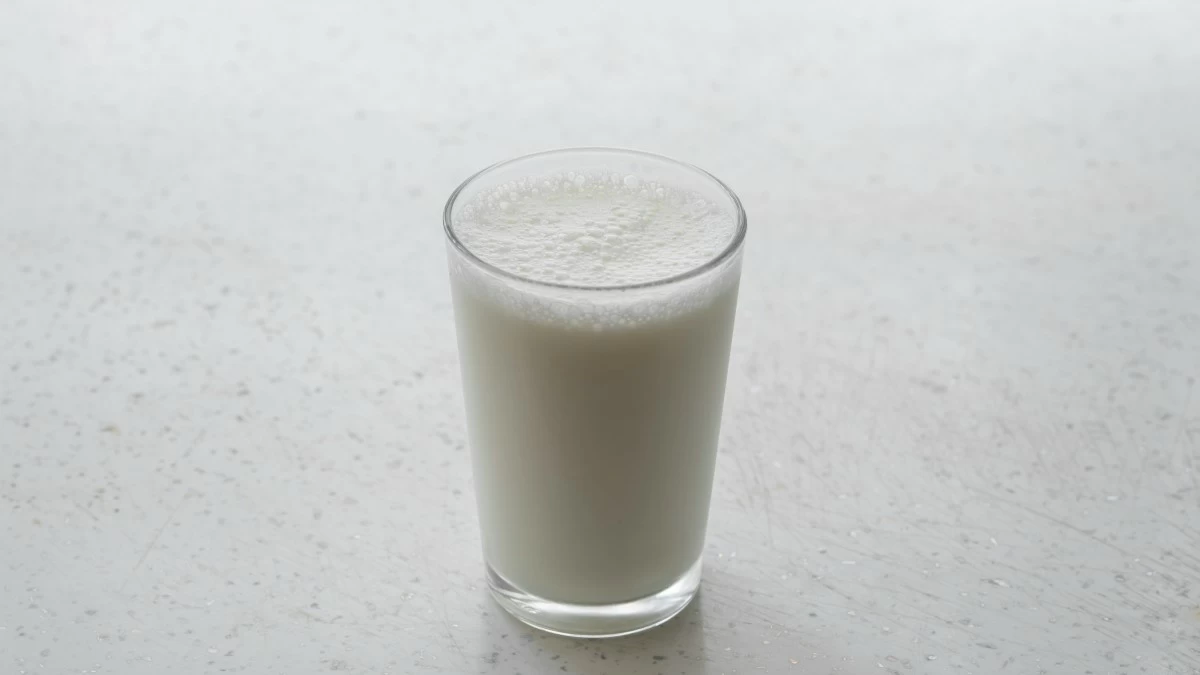
(Photo: Engin Akyurt/Unsplash)
What is the first thing that comes to your mind when you think of how to obtain stronger bones? Drink milk or consume dairy products, right? It has been ingrained in our minds that dairy, particularly cow’s milk, is the only rich source of calcium. Therefore, drinking milk every day from childhood until late adulthood is considered essential. This is a misconception—a big lie that has been told to shape our minds into making dairy products a staple in our daily diet, turning a blind eye to the health consequences brought about by excessive dairy consumption.
Walter Willett, a professor of epidemiology and nutrition at the Harvard T.H. Chan School of Public Health, explained that, based on previous clinical trials, adults and children with insufficient calcium intake were able to increase their bone density through the consumption of dairy products and supplements. However, the increase did not decrease the risk of bone fractures. This simply means that while dairy products and calcium supplements can increase calcium levels, they do not protect anyone from the risk of fractures.
According to Walter, “The idea that we need a lot of calcium is based primarily on very short-term studies looking at calcium balance over a few weeks.”
You do not need milk for stronger bones. In fact, high milk consumption has been shown by researchers to be associated with mortality and fractures among men and women. Swedish physician and medical researcher Karl Michaelsson and colleagues conducted two large cohort studies in three counties in central Sweden. One study had 61,433 female participants, and the other had 45,339 male participants. A mean follow-up was conducted 20.1 years after the study began. Their study concluded that “a higher consumption of milk in women and men is not accompanied by a lower risk of fracture and instead may be associated with a higher rate of death.”
Furthermore, their study, “Milk Intake and Risk of Mortality and Fractures in Women and Men: Cohort Studies,” published on Oct. 28, 2014, revealed that higher milk intake in men and women was associated with other conditions that are detrimental to health. Higher levels of oxidative stress and inflammatory biomarkers were observed with high milk consumption. However, this pattern was not observed with the intake of fermented milk products. Examples include yogurt, cheese, and kefir.
High oxidative stress and chronic inflammation in the body are associated with the risk of developing metabolic disorders, heart disease, cancer, autoimmune diseases, and more.
While we cannot totally avoid milk and other dairy products, especially when eating out or traveling, it is best to avoid them at home and consume very little when dining out. The less you consume, the better your chances of protecting your health.
How can you increase your bone strength without the detrimental effects of animal milk? The answer is to eat plant-based sources of calcium. Think about it. The cows and other animals that provide us with milk only eat plants. They don’t drink milk, nor do they eat animal products. They consume plants. Why don’t we get calcium from the same sources?
Did you know that you only get to absorb one-third of the calcium in one cup of milk (approximately 100 mg), while you absorb half, or 50 percent, of the calcium from one cup of leafy vegetables like bok choy (approximately 80 mg)? Moreover, getting calcium from plant sources has other added benefits, including fiber, antioxidants, and phytochemicals, or plant nutrients, that are all anti-inflammatory in nature. None of these can be obtained from animal milk.
To strengthen your bones, consume calcium-rich foods from plant sources like soy and soy products such as tofu, leafy greens, dark green vegetables such as broccoli, fortified plant milks like soy milk, oat milk, and more, fortified 100 percent orange juice, nuts, and seeds.
It is also important to avoid or keep the consumption of animal meats, such as pork, beef, eggs, chicken, lamb, and more, to a minimum. The breakdown of these animal meats increases the acid load in the body, thus causing bone resorption. This is the process of drawing calcium deposits from the bones into the blood to neutralize the acidity brought about by the consumption of animal protein.
Aside from food intake, sun exposure for at least 10 to 15 minutes a day is needed for vitamin D. This sunshine vitamin enhances the absorption of calcium from the food that we eat.
Lastly, strength and conditioning, bodyweight exercises, and exercise in general can stimulate osteoblasts, or bone-forming cells, to deposit calcium and build denser, stronger bones. Thus, these activities can decrease the risk of injuries and fractures.
Your first step toward stronger bones shouldn’t be drinking milk or taking calcium supplements. Increase your intake of calcium-rich plant sources, get sun exposure, and schedule exercise at least twice a week for strength training.
cheshireque@gmail.com

No comments:
Post a Comment