
By Rey Ilagan
 EDITORS DESKThere are many ways to welcome guests to a country. We can introduce them to our landmarks, take them to our best destinations, or offer them a taste of our cuisine. But perhaps one of the most meaningful ways is to let them experience the culture that makes us who we are.As the Philippines hosted ASEAN 2026, Filipino culture and the arts took center stage, becoming an integral part of how the country welcomed its regional neighbors. From the smallest details of the delegates' transportation to the grand gala dinner, there was a conscious effort to showcase Filipino creativity, craftsmanship, and identity.One of the more charming details during the opening ceremony was the use of custom-designed electric tricycles, or e-trikes, for ASEAN leaders and dignitaries, including President Ferdinand Marcos Jr. and First Lady Liza Marcos.Held at the Philippine International Convention Center (PICC) on November 15, the occasion offered a glimpse of how even an everyday Filipino mode of transportation could be transformed into a cultural statement.The e-trikes featured hand-painted floral motifs, ornamental scrollwork, and landscapes inspired by the country's iconic rice terraces. Inside, patterned upholstery drew inspiration from traditional Filipino textiles. A brightly illuminated "Mabuhay ASEAN" banner, Philippine flags, and a rear panel bearing the words "ASEAN 2026 Summit – Pilipinas" completed the look.
 State leaders pose for the cameras during the opening ceremony at the PICC on Nov. 15.The cultural expression continued at the gala dinner, where fashion, food, music, and the performing arts came together. One of the first things I noticed was how the national dress had become a common language among the guests. The barong Tagalog, terno, and baro't saya were not limited to Filipino officials. They were also embraced by visiting heads of state and international delegates.There was something particularly meaningful about seeing these garments worn by leaders from across Southeast Asia. Beyond the elegance of the silhouettes and the craftsmanship behind each piece, it was a gesture of appreciation for the host country's heritage.The President and First Lady wore custom creations by Francis Libiran, inspired by the Philippines as an archipelago, where the sea connects communities and sustains generations.National Artist for Design Patis Tesoro created the Barong Tagalog pieces worn by Sultan Haji Hassanal Bolkiah and Prince Abdul Mateen of Brunei Darussalam. Meanwhile, Indonesian President Prabowo Subianto, meanwhile, wore a bespoke piña silk barong by Kenny Ladaga, featuring intricate Batik Parang embroidery. I found this particularly interesting because it brought together two cultural traditions in one garment.
 Custom-designed, Filipino-inspired electric tricycles during the opening ceremony.Food, naturally, was another highlight. The menu reinterpreted regional Filipino specialties through contemporary techniques while retaining the familiar flavors and ingredients that give each dish its identity. The selections offered an enticing culinary journey across the country, featuring Cebu's sinugba, Mindanao's binaki, Bacolod's chicken inasal, Batangas-inspired suman, and Ilocos balikutsa, among others.What I appreciated was the decision to look beyond the usual representation of Filipino cuisine. Our culinary identity is diverse, shaped by geography, local traditions, and generations of food culture. Giving these regional specialties a place at the table was another way of introducing the country beyond the familiar.The evening's cultural presentation further brought this story together, with performances by the Ramon Obusan Folkloric Group, Aicelle Santos, Arman Ferrer, Morissette, Sofronio Vasquez, Alice Reyes Dance Philippines, and the Philippine Philharmonic Orchestra, among many other Filipino artists and ensembles.The whole ASEAN celebration culminated in a musical collaboration featuring Julie Anne San Jose, Gary Valenciano, and SB19, who performed "Together in Motion," the official theme song of ASEAN 2026, during the closing ceremony.Looking back, what made these moments memorable was not simply the scale of the production or the presence of international dignitaries. It was how Filipino culture was woven into the experience, from the artistry of a painted e-trike to the intricate details of a piña silk barong, from regional dishes to performances that celebrated our creative talent.Hosting an international gathering is an opportunity to show the world what a country can offer. But it is also an opportunity to remind its own people of what makes it distinctive.Rey Robes Ilagan is the editor of Manila Bulletin’s Lifestyle section.
EDITORS DESK
There are many ways to welcome guests to a country. We can introduce them to our landmarks, take them to our best destinations, or offer them a taste of our cuisine. But perhaps one of the most meaningful ways is to let them experience the culture that makes us who we are.
As the Philippines hosted ASEAN 2026, Filipino culture and the arts took center stage, becoming an integral part of how the country welcomed its regional neighbors. From the smallest details of the delegates' transportation to the grand gala dinner, there was a conscious effort to showcase Filipino creativity, craftsmanship, and identity.
One of the more charming details during the opening ceremony was the use of custom-designed electric tricycles, or e-trikes, for ASEAN leaders and dignitaries, including President Ferdinand Marcos Jr. and First Lady Liza Marcos.
Held at the Philippine International Convention Center (PICC) on November 15, the occasion offered a glimpse of how even an everyday Filipino mode of transportation could be transformed into a cultural statement.
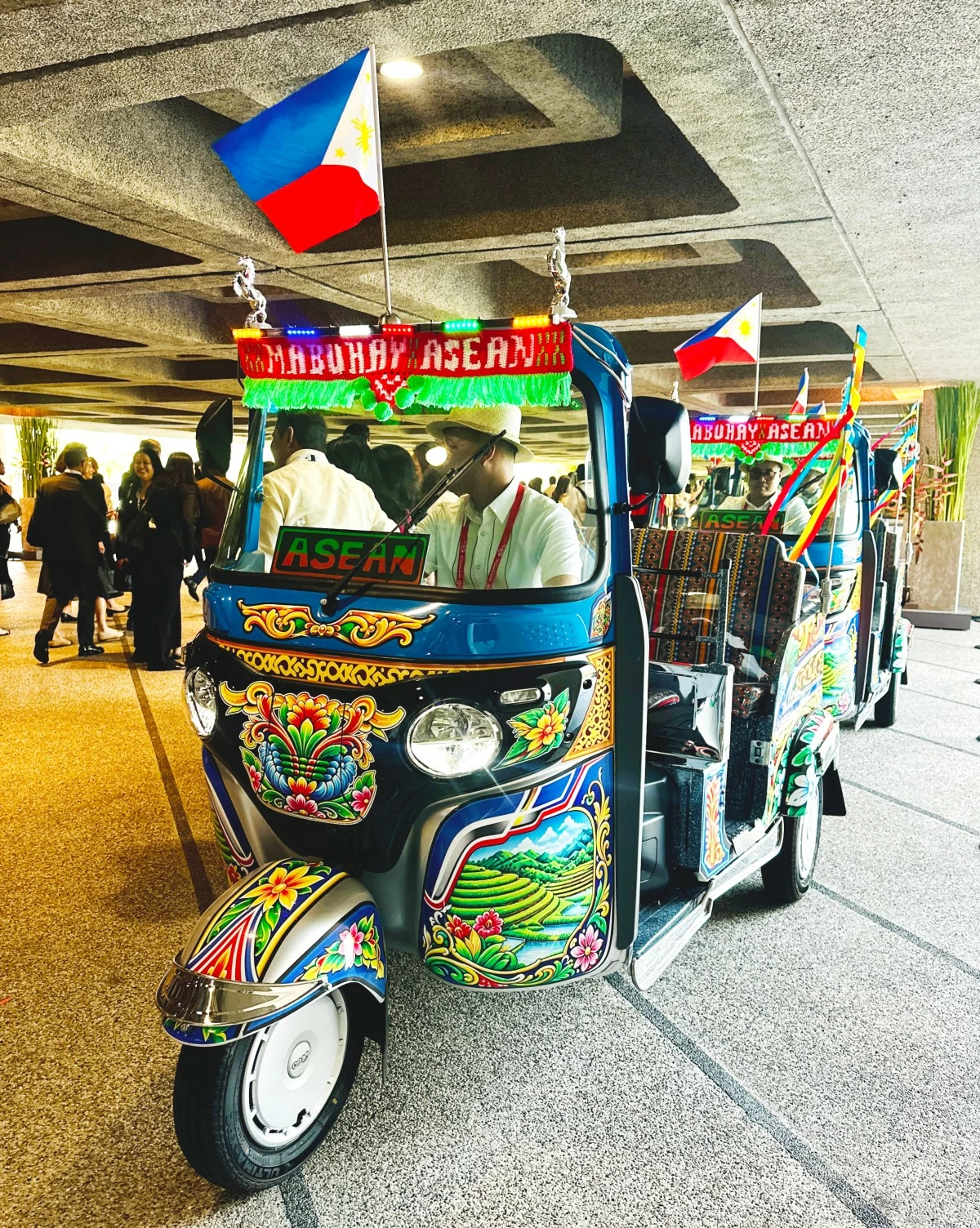
The e-trikes featured hand-painted floral motifs, ornamental scrollwork, and landscapes inspired by the country's iconic rice terraces. Inside, patterned upholstery drew inspiration from traditional Filipino textiles. A brightly illuminated "Mabuhay ASEAN" banner, Philippine flags, and a rear panel bearing the words "ASEAN 2026 Summit – Pilipinas" completed the look.
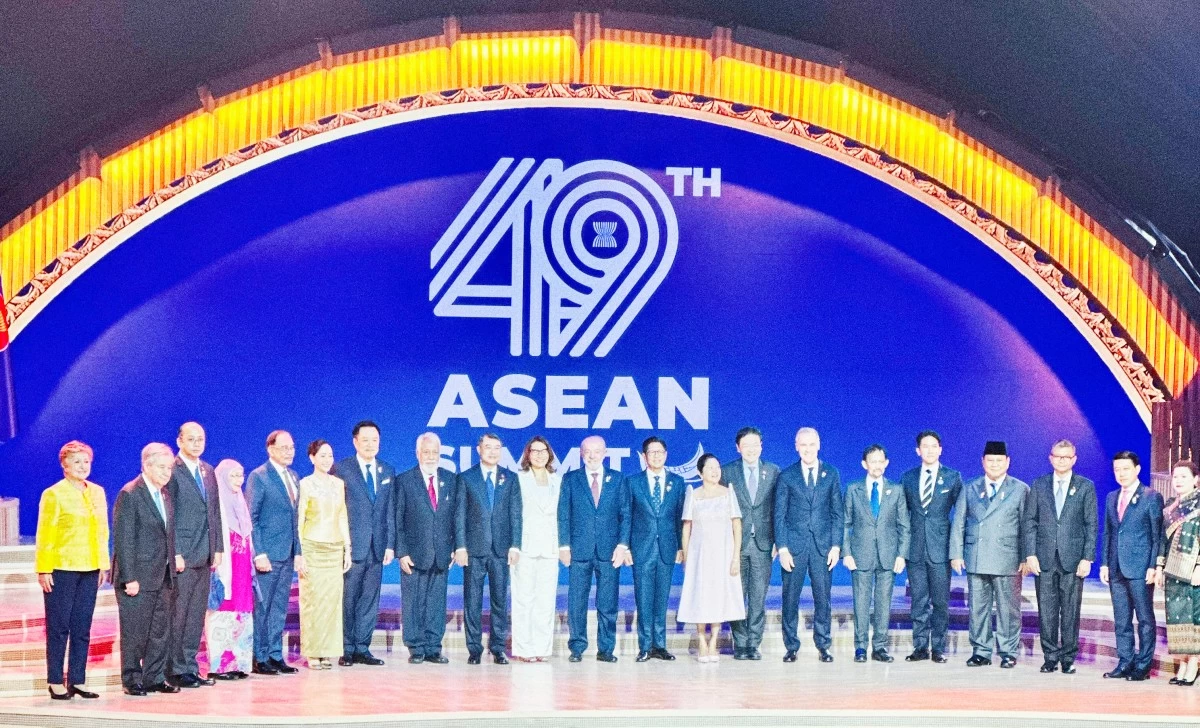
State leaders pose for the cameras during the opening ceremony at the PICC on Nov. 15.
The cultural expression continued at the gala dinner, where fashion, food, music, and the performing arts came together. One of the first things I noticed was how the national dress had become a common language among the guests. The barong Tagalog, terno, and baro't saya were not limited to Filipino officials. They were also embraced by visiting heads of state and international delegates.
There was something particularly meaningful about seeing these garments worn by leaders from across Southeast Asia. Beyond the elegance of the silhouettes and the craftsmanship behind each piece, it was a gesture of appreciation for the host country's heritage.
The President and First Lady wore custom creations by Francis Libiran, inspired by the Philippines as an archipelago, where the sea connects communities and sustains generations.
National Artist for Design Patis Tesoro created the Barong Tagalog pieces worn by Sultan Haji Hassanal Bolkiah and Prince Abdul Mateen of Brunei Darussalam. Meanwhile, Indonesian President Prabowo Subianto, meanwhile, wore a bespoke piña silk barong by Kenny Ladaga, featuring intricate Batik Parang embroidery. I found this particularly interesting because it brought together two cultural traditions in one garment.
Custom-designed, Filipino-inspired electric tricycles during the opening ceremony.
Food, naturally, was another highlight. The menu reinterpreted regional Filipino specialties through contemporary techniques while retaining the familiar flavors and ingredients that give each dish its identity. The selections offered an enticing culinary journey across the country, featuring Cebu's sinugba, Mindanao's binaki, Bacolod's chicken inasal, Batangas-inspired suman, and Ilocos balikutsa, among others.
What I appreciated was the decision to look beyond the usual representation of Filipino cuisine. Our culinary identity is diverse, shaped by geography, local traditions, and generations of food culture. Giving these regional specialties a place at the table was another way of introducing the country beyond the familiar.
The evening's cultural presentation further brought this story together, with performances by the Ramon Obusan Folkloric Group, Aicelle Santos, Arman Ferrer, Morissette, Sofronio Vasquez, Alice Reyes Dance Philippines, and the Philippine Philharmonic Orchestra, among many other Filipino artists and ensembles.
The whole ASEAN celebration culminated in a musical collaboration featuring Julie Anne San Jose, Gary Valenciano, and SB19, who performed "Together in Motion," the official theme song of ASEAN 2026, during the closing ceremony.
Looking back, what made these moments memorable was not simply the scale of the production or the presence of international dignitaries. It was how Filipino culture was woven into the experience, from the artistry of a painted e-trike to the intricate details of a piña silk barong, from regional dishes to performances that celebrated our creative talent.
Hosting an international gathering is an opportunity to show the world what a country can offer. But it is also an opportunity to remind its own people of what makes it distinctive.
Rey Robes Ilagan is the editor of Manila Bulletin’s Lifestyle section.

No comments:
Post a Comment