
Published Nov 7, 2026 12:05 am | 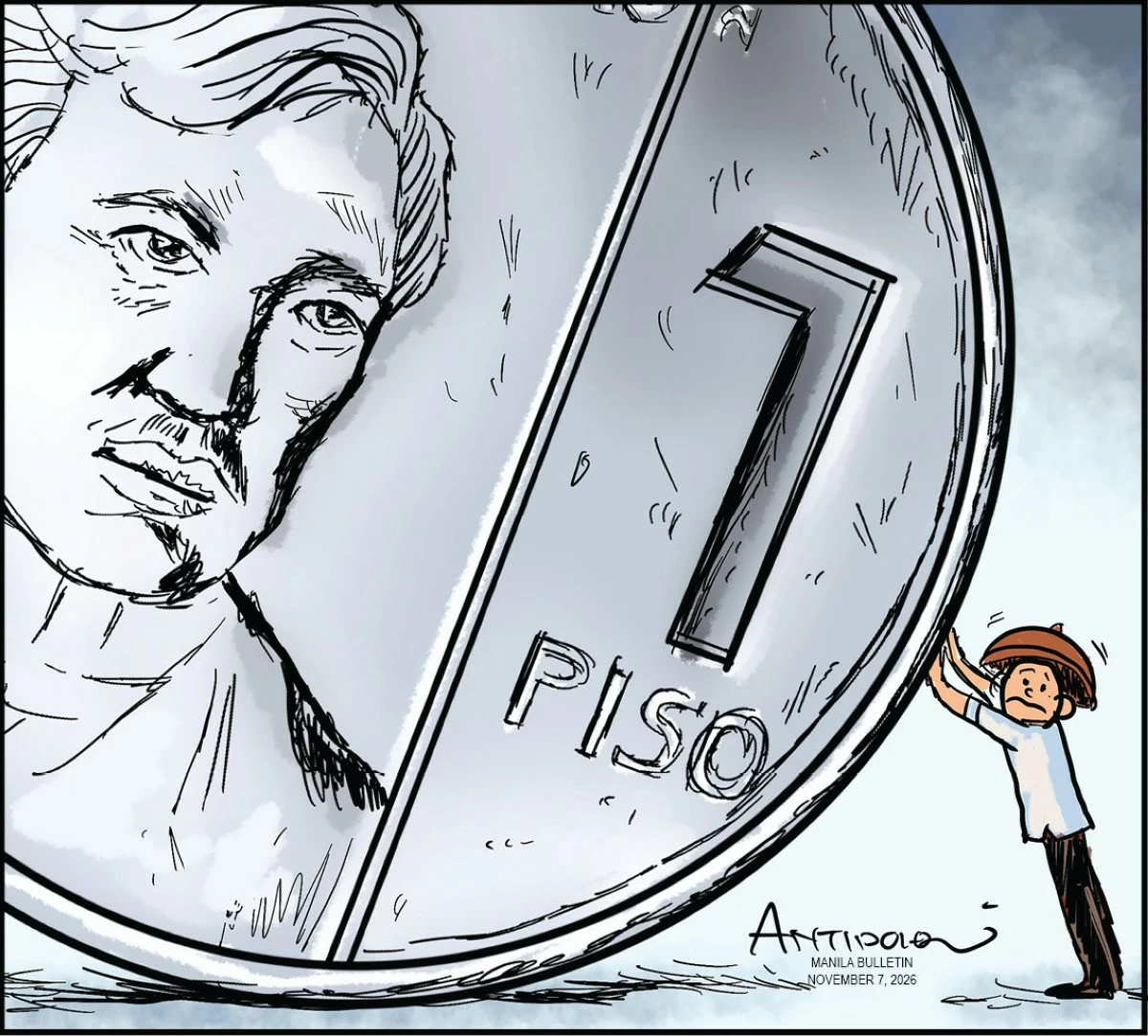 Updated Nov 6, 2026 06:11 pm


For a taxi driver who went to market with ₱100, the day’s arithmetic was painfully simple. A small carrot cost ₱60. Cabbage cost even more. He returned home without either, carrying the money but not the vegetables he had hoped to buy.
That small disappointment captures a national emergency unfolding quietly in kitchens, markets, and neighborhood stores. Inflation reached 7.8 percent last October, its highest in 44 months. More troubling, the purchasing power of the peso fell to a record low: ₱1 today buys only what 72 centavos could buy at 2018 prices.
For families already stretching every peso, this is not an abstract economic indicator. It means less food on the table, another postponed purchase, or a difficult choice between commuting to work and paying the electricity bill.
The burden falls most heavily on those least able to absorb it. Inflation among the country’s poorest households—the bottom 30 percent by income—reached 9.5 percent last month, much higher than the national headline rate. Rice prices for these households rose by nearly a fourth, while transport costs jumped by over a fifth. The essentials of daily survival are becoming increasingly expensive. Unlike better-off households, these families have little room to switch brands, cut discretionary spending, or draw on savings. When prices climb, the sacrifice is immediate and personal.
Nor is relief necessarily around the corner. Private-sector economists expect inflation to breach eight percent this month, with some also anticipating another substantial interest rate increase in December. The Bangko Sentral ng Pilipinas (BSP) has warned that elevated inflation could persist, keeping borrowing costs high and adding pressure on households as well as businesses alike.
Across social media, small entrepreneurs describe another painful calculation. Customers are buying less, operating costs keep climbing, while many business owners say taxes and compliance expenses are squeezing what little income remains. Reports of shops closing across the country should concern policymakers: every shuttered storefront can mean a family losing its livelihood and workers losing their wages.
Some businesses warn they can hold prices only until Christmas, with increases likely by January as they try to recover costs early next year. The holiday season may therefore offer little comfort to families already wondering how to afford a modest celebration.
The government has not been idle. Support for farmers, fuel subsidies, direct marketing programs, and efforts to stabilize electricity costs are important. But one-time assistance, especially when timed around Christmas, cannot substitute for a durable response to an erosion of purchasing power that has accumulated over years.
What is needed is a coordinated effort to make basic goods cheaper to produce and deliver. Agricultural productivity, reliable irrigation, affordable energy, better transport logistics, and faster movement of food from farms to markets deserve sustained attention. Price monitoring must be paired with action against supply bottlenecks, not merely announcements after prices have risen.
Small businesses also need breathing room: simpler compliance, accessible working capital, predictable rules, as well as practical support to manage energy and transport expenses. Assistance should help enterprises keep their doors open and preserve jobs, not leave them dependent on occasional relief.
The challenge is urgent but not beyond government action. Agencies must work together, measure whether interventions actually lower costs, and adjust quickly when they do not. Families need more than assurances that help is coming; they need to feel the difference at the market stall and the checkout counter.
A Christmas cash handout may buy a meal. A lasting policy response can help ensure that next Christmas, families can afford one without having to ask for help.

No comments:
Post a Comment