
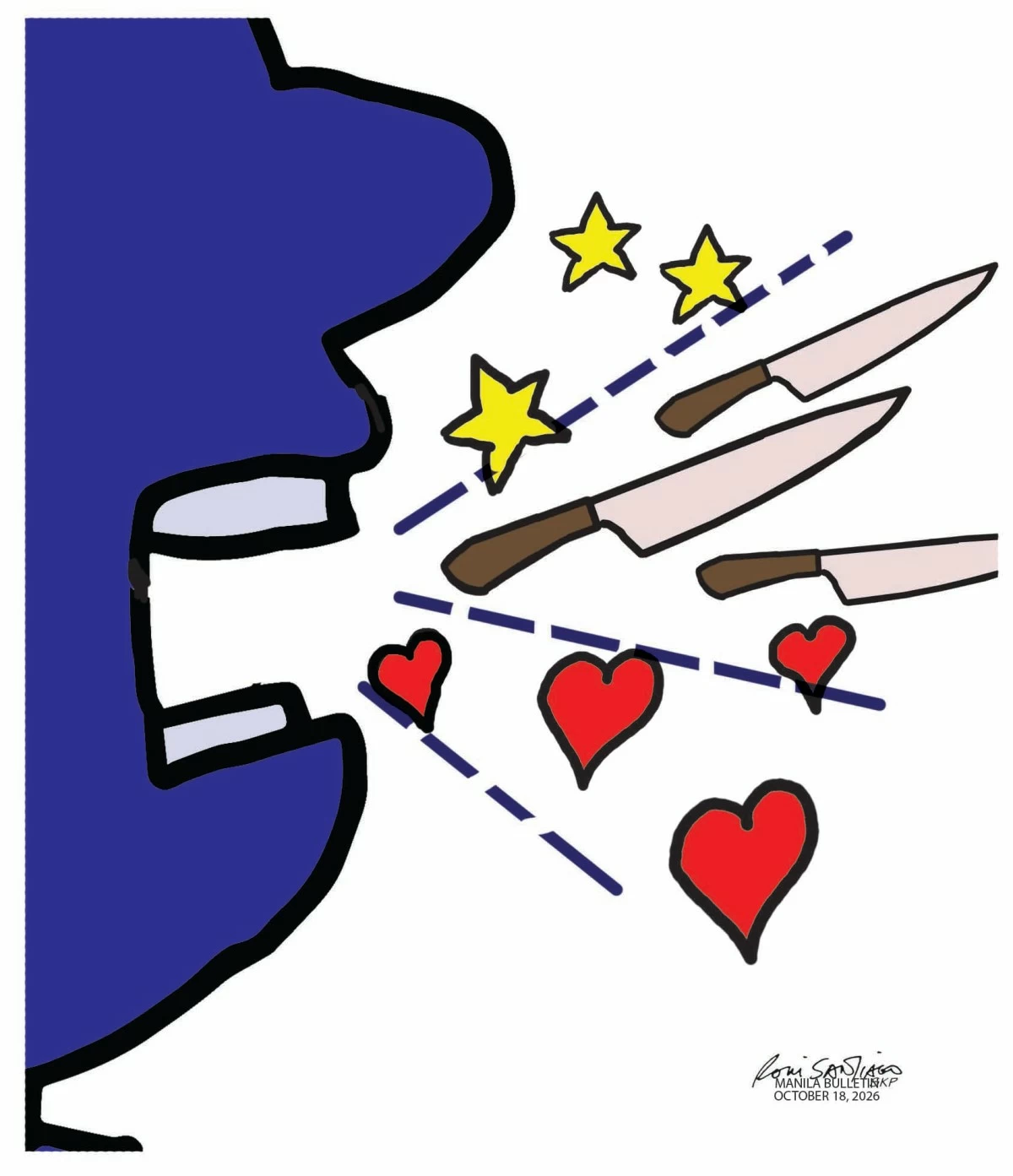
Words can heal, inspire, and bring people together. They can also wound, humiliate, and deepen divisions. Once spoken, especially before an audience, they cannot always be taken back. This is why freedom of expression, however fundamental, must be exercised with responsibility.
The responsibility becomes even greater for those who command a public following. In an age when a passing remark can travel across social media within minutes, what is dismissed as a joke by one person may be repeated, normalized, and accepted by thousands of others.
The controversy surrounding the podcast Machong Chismisan is a troubling reminder. Its hosts have come under scrutiny after offensive remarks were made about Josh Aquino, the eldest son of television personality Kris Aquino, who is on the autism spectrum. The National Bureau of Investigation has issued subpoenas to five hosts as it examines possible violations of laws protecting persons with disabilities, as well as possible cyberlibel.
The investigation must proceed fairly, with due process for everyone concerned. But whatever its legal outcome, the episode raises a moral question that cannot be brushed aside: Since when did a person's disability become acceptable material for public amusement?
Humor has a place in public discourse. Satire can expose hypocrisy, challenge authority, and help people confront uncomfortable truths. But ridiculing someone for a condition beyond that person's control accomplishes none of these things. It merely turns vulnerability into entertainment.
Nor can the words “just for fun” erase the hurt they cause. For persons with disabilities, such remarks can reinforce prejudices that have kept them excluded from schools, workplaces, and opportunities. For families who have spent years fighting for acceptance, they are reminders of how much further society must go.
Our laws recognize that dignity deserves protection. Republic Act No. 9442, which amended the Magna Carta for Persons with Disability, expressly prohibits public ridicule and vilification based on disability. Violations may carry fines or imprisonment, subject, of course, to the findings of the proper authorities and the courts.
Yet responsible speech should not depend solely on fear of punishment. Respect should be practiced even when no law is watching, no complaint is filed, and no outrage erupts online.
This is especially important for podcasters, entertainers, influencers, and other personalities whose words reach young audiences. They help shape what listeners consider funny, acceptable, or worth imitating. When ridicule becomes a source of laughter and applause, cruelty risks passing from one generation to the next.
The same responsibility belongs to ordinary citizens. We need not have millions of followers to hurt another person. A remark at home, a joke among friends, or a careless comment online can either challenge prejudice or perpetuate it.
As this Sunday invites reflection on the week that has passed, perhaps we should examine not only what we have said, but also whom our words may have hurt. We can defend free expression without surrendering compassion. We can disagree without demeaning. We can entertain without making someone else's dignity the price of admission.
Words carry weight. Let us use them to lift people up, not push them further to the margins. At a time when divisions already run deep, the least we can do is speak in ways that help build a more decent and inclusive society.
