You plan to move to the Philippines? Wollen Sie auf den Philippinen leben?

There are REALLY TONS of websites telling us how, why, maybe why not and when you'll be able to move to the Philippines. I only love to tell and explain some things "between the lines". Enjoy reading, be informed, have fun and be entertained too!

Ja, es gibt tonnenweise Webseiten, die Ihnen sagen wie, warum, vielleicht warum nicht und wann Sie am besten auf die Philippinen auswandern könnten. Ich möchte Ihnen in Zukunft "zwischen den Zeilen" einige zusätzlichen Dinge berichten und erzählen. Viel Spass beim Lesen und Gute Unterhaltung!


Visitors of germanexpatinthephilippines/Besucher dieser Webseite.Ich liebe meine Flaggensammlung!

free counters

Total Pageviews

Tuesday, July 7, 2026

Psychology needs a proper spirituality


By Fr. Roy Cimagala

Chaplain

Center for Industrial Technology and Enterprise (CITE)

Talamban, Cebu City

Email: roycimagala@gmail.com


FOR years, psychology has helped us understand the labyrinth of the human mind. It explains why we fear, why we love, why we break, and sometimes even why we heal. Yet amid its remarkable advances, one uncomfortable question persists: Is understanding the mind enough to understand the person?


The Christian tradition would answer with a firm no.


Psychology excels at describing human behavior. It identifies patterns, diagnoses disorders, and offers therapies that restore emotional balance. These are invaluable contributions. Mental health deserves serious attention, and the growing acceptance of psychological care is one of the healthier developments of modern society.


But emotional wellness is not the summit of human fulfillment.


This is where spirituality enters—not as psychology's rival but as its indispensable partner. It anchors psychology in its proper place.


We, of course, know that that the human person cannot be reduced to biological impulses, emotional reactions, or cognitive processes. We are created for communion with God. Every human experience—joy, work, suffering, success, even failure—finds its deepest meaning only when connected to that relationship. A purely psychological reading of life may explain our emotions, but it cannot answer the question of their real meaning and ultimate purpose.


Personal growth involves much more than emotional equilibrium. Authentic maturity includes the formation of virtues, the exercise of freedom, and the cultivation of one's relationship with God. Mental health is essential, but holiness remains the higher horizon.


The distinction matters. It should not be forgotten.


A person may be psychologically well-adjusted yet spiritually adrift. Another may carry emotional wounds while displaying extraordinary faith, hope, and charity. The two dimensions intersect, but they are not identical.


We have to be wary when we confuse feeling good with being good. Our modern culture tends to fall into this trap.


That confusion carries consequences. We increasingly evaluate decisions by asking, "Does this make me feel better?" rather than "Is this true?" or "Is this the right thing to do?" Comfort has quietly become the new moral compass.


Psychology, when detached from a sound understanding of the human person, can unintentionally reinforce this tendency. Therapy risks becoming an endless pursuit of self-satisfaction instead of a path toward genuine self-giving.


Christian spirituality proposes a radically different vision.


It teaches that the deepest fulfillment comes not from constant self-focus but from self-transcendence. Love demands sacrifice. Freedom requires responsibility. Peace grows from reconciliation—with God, with others, and with oneself. These realities cannot be measured on a psychological scale alone.


None of this diminishes the importance of professional mental health care. On the contrary, spiritual directors should know when psychological intervention is needed, just as therapists should recognize that many of life's deepest questions belong to the realm of meaning, conscience, and faith. The healthiest approach is not competition but collaboration between psychology and spirituality.


Perhaps the greatest lesson psychology and spirituality can teach each other is humility.


Psychology reminds believers that grace builds on nature. Emotional wounds deserve compassion, not simplistic moral judgments. Spirituality reminds psychology that human beings are more than the sum of their neurons, memories, and emotions. We possess a soul that longs for truth, goodness, beauty, and ultimately, God.


In an age fascinated by wellness, perhaps what we need is not merely better coping mechanisms but a fuller vision of the human person.


The mind deserves healing.


The heart deserves meaning.


And the soul deserves nothing less than God!


FISH AND OCEAN


Religion and music belong together like fishes and the ocean – like light and life, like a voice and ears… .

Fish are the backbone of ocean life. They range from tiny reef fish to giant predators. Fish keep the sea healthy by balancing food chains and maintaining habitats. Sadly, overfishing and warming waters threaten these vital creatures.

Why fish are important for the health of our planet.

Fish play important roles in the health of our ecosystem. Despite this, many people believe them to be boring, when the truth is fish are feeling, smart, and complicated beings.

Given their ability to feel both physical and emotional pain, it’s not a far stretch to say that fish suffer. Little causes so much suffering to so many fish as fishing, including the recreational variety.

We know that fish suffer when they’re caught because they try frantically to get away, a classic sign of pain. As they pull against the hook stabbing through the flesh of their mouth, the injury gets worse.

But the pain doesn’t end there. Eventually they’ll likely be reeled out of the water and into a boat where they immediately start to suffocate, unable to breath without water. Everything down to their organs and blood flow are impacted by the stress of being taken out of the water.

In the entire universe, we humans  are probably the only beings capable of creating and listening to music. The ability to hear is one of the specific gifts that our Creator gave us. Our fragile blue planet is surrounded by a thin layer of gases only a few kilometers high. Only this atmosphere is the reason why sound waves can spread through the air. Everything behind this atmosphere is ruled by the sheer endless vacuum of outer space, where galaxies and stars explode and implode in impenetrable silence. 

Politics(Right)

According to the biblical narrative, the world began when God broke through thies deadly quiet: “And God said: Let there be light!” (Genesis 1:1). God spoke – and light and life resulted from his audible voice. Because life was created by the word. That is why it is in the nature of every person to listen. Like a parabolic mirror, our souls are created to listen to the eternal space of the hereafter, to try and sense whether a word, a sound or a voice is trying to reach us from there, in order to fill us with a meaning.

It’s nothing new that I love music. And, I know that Filipinos also love big tunes with great words and beautiful melodies, especially when it comes to classical music.

The most down-to-earth book


By Klaus Döring

When tragedy strikes, it’s easy to harden our hearts and cry out, “God, why did you let this happen?” Maybe then, we started praying. Before, when everything went smoothly, we would not even think for a minute about praying.

The book is a student anthology of poetry, fiction, nonfiction, and drama. It was written to express concerns about global warming and environmental destruction. The book has two strands: The first warns about environmental destruction, and the second promotes a new awe of nature.

The title of “most famous book in the world” universally belongs to the Bible, which is both the most widely distributed and best-selling book of all time, with an estimated 5 billion to 7 billion copies sold or distributed worldwide.

“To be a Christian without prayer,” said Martin Luther, “is no more possible than to be alive without breathing.” Prayer is the only way of becoming what God wants us to be. This is the reason Jesus spent many hours praying.

Unquestionably, our needs bring us to a place of prayer. Confronted with danger or tragedies, as I mentioned earlier, we look for God’s help. Difficult times always cause the hearts of men to turn to God in prayer.

Let me ask you: How long has it been since you’ve brought your burdens to God? Since you asked His forgiveness for your shortcomings?

In his very interesting book “People in Prayer,” Dr. John White reminds us that prayer is a divine-human interaction, and it is always God who takes the initiative. The author takes 10 biblical prayers and expounds on them. Well-written, interesting, and quite thought-provoking. White writes: “God speaks and we respond. God is always speaking. To hear his voice is not usually a mystical experience. It consists merely of a willingness to pay heed to God who lays a claim to our lives.”

Yes, God always speaks. It is up to us whether we will listen and respond to Him. Many think we are the ones who initiate prayer. But prayers begin and end with God.

There was a time I wasn’t in the mood to pray anymore. It seemed that God didn’t listen to my prayer anymore. I didn’t get what I prayed for. Of course not! That’s not the meaning of praying to God. Will all my wishes be granted? Heaven forbid!

Sometimes, after we have prayed, God’s answers may puzzle us. But as time goes by and as events unfold, we see God’s purpose in his answers. We might get a larger vision of what HE likes. Not what WE like.

Think about it for a moment: How does the idea that prayer begins and ends with God affect me now? Do I have the habit of listening to God? How do I respond to Him? How do I usually pray?

I confess that a long time ago, I was trying to persuade God to change other people in my surroundings or circumstances. Nothing changed. Of course not — what a fatal attraction! I got confused because God never granted my requests. Meanwhile, I got God’s answers to my prayers. Maybe very simple: I was willing to let God change me. This is how each one of us should start. Happy endings. Because I prayed according to His will.

Talking about prayer, we also have to mention probably the most down-to-earth book in the Bible, which is Proverbs. Its education prepares you for the street and the marketplace, not the schoolroom. The book offers the warm advice you get by growing up in a good family. It covers small questions as well as large ones: talking too much, visiting neighbors too often, and being unbearably cheerful too early in the morning. Proverbs simply tells how life works most of the time.

I always love to quote proverbs, which express the truth about life in an elegant, witty kernel. You should not hunt through it for proverbs you might like. You should study the whole book to get its overall point of view. This takes time, for Proverbs covers dozens of subjects in subtle detail.

***

Email: doringklaus@gmail.com, follow me on Facebook, LinkedIn, or X, formerly Twitter, or visit www.germanexpatinthephilippines.blogspot.com or www.klausdoringsclassicalmusic.blogspot.com.

Monday, July 6, 2026

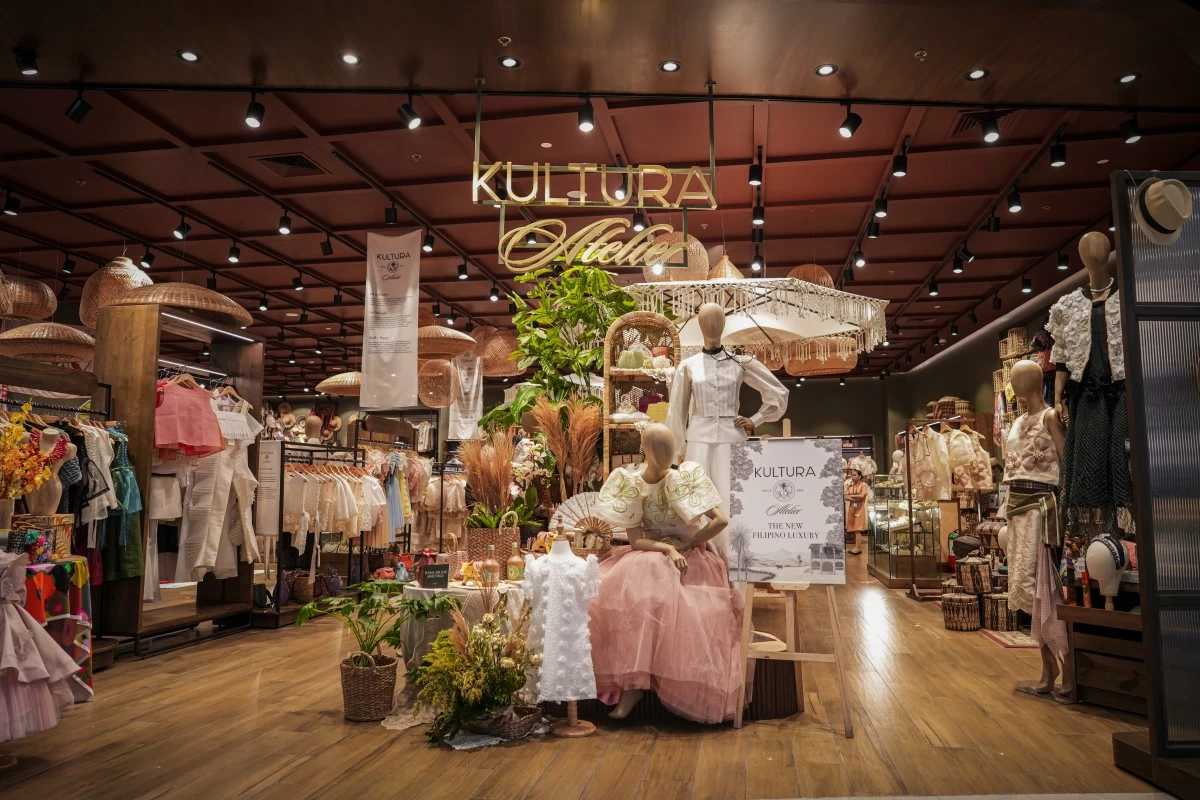
Kultura Atelier rewrites the modern Filipino wedding


By MBrand

Published Jul 6, 2026 08:57 pm         (Photos: Kultura)
A peek into the wedding scene of the Philippines often reveals Westernized ideals. The presence of ballgowns, corsets, strapless dresses, and veils that drag their way across the room, as well as extravagant reception halls, a large entourage, and bold palettes.
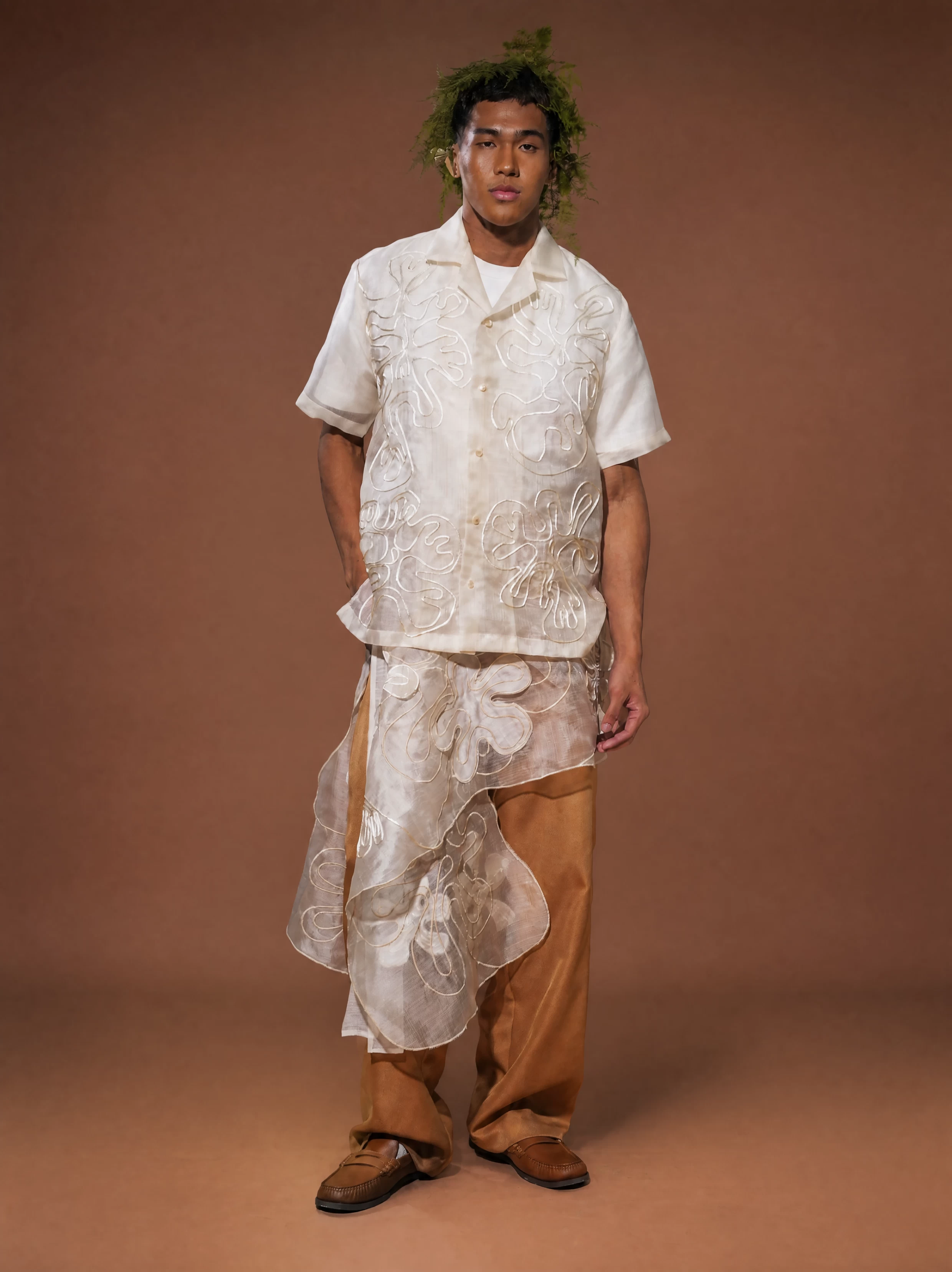
In 2026, however, more and more couples are choosing to celebrate their marriages based on their own heritage and identity. As such, Filipiniana, Barong Tagalog, in both traditional and modern variations, and Filipino-themed weddings have been exploding in popularity.
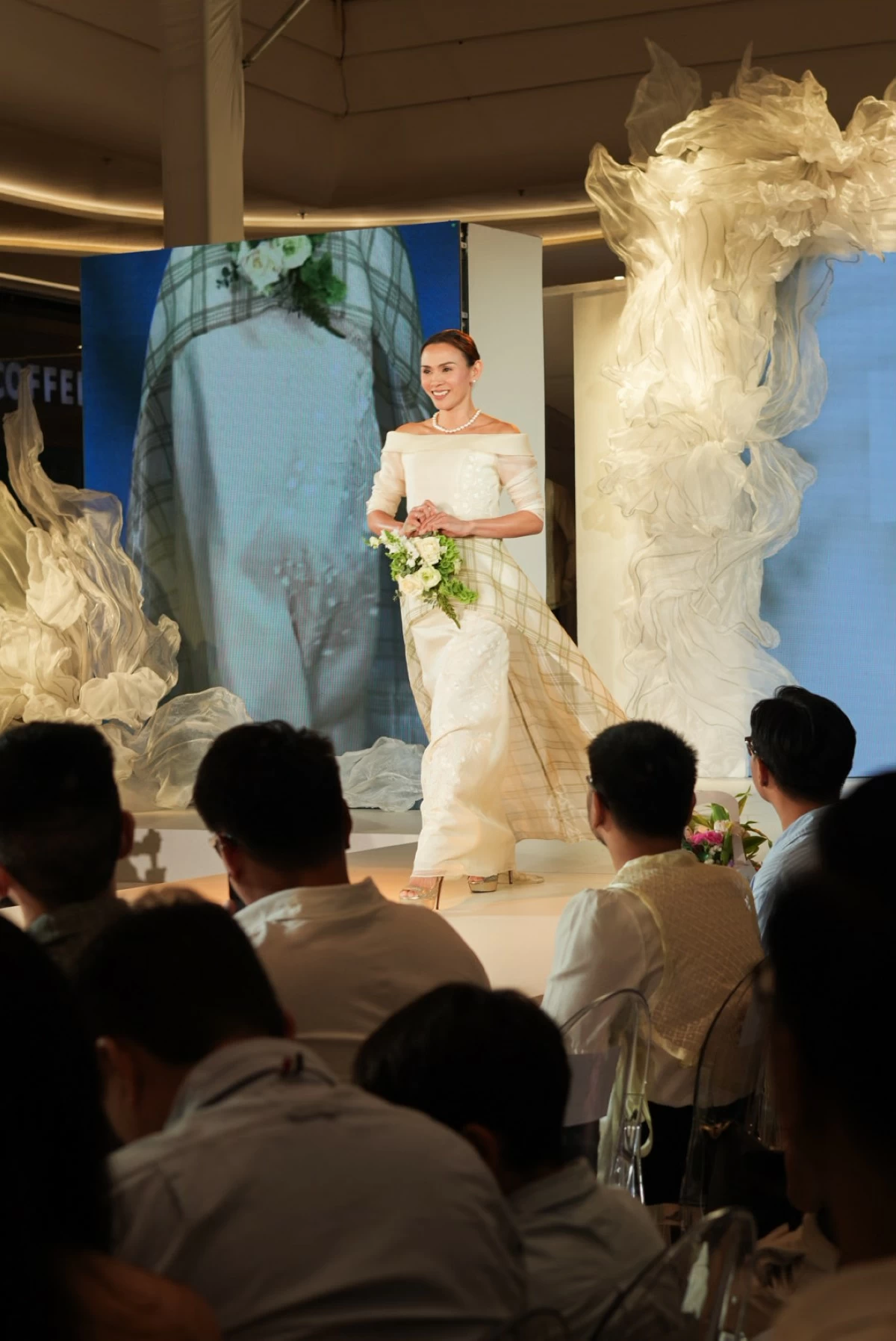
Due to this growing trend, Kultura Atelier was recently launched with the show “Kasal,” a conceptual fashion experience that allows their guests to immerse themselves in the world of Filipino weddings.
Thereby hangs a tale
Kultura Atelier
Kultura Atelier
Co-presented by Mastercard, hosted by SM Aura Premier and Sarsa, Kasal provided its guests with activities related to wedding festivities, such as a flower bar, photobooth, customized favors, and cake-pulling surprises. In any celebration, Filipinos always appreciate good food, and Kasal met this expectation through the culinary experience provided by Michelin Bib Gourmand awardee, Sarsa.
Prior to the fashion show itself, the space was already filled with essentials for a kasal. The tablescape set with capiz and mother-of-pearl, combined with sculptural centerpieces featuring driftwood, native fruits, and foliage, set the tone for the celebration, familiar yet elegantly innovative.
Two vignettes invited guests to take a peek into the bridal suite, where embroidered and embellished Filipiniana were displayed together with pearl jewelry and other handmade accessories. The Groom’s Lounge highlighted modern and classic Barong Tagalog options for both the groom and his groomsmen, together with gift ideas that the entourage would enjoy.
A stitch in time
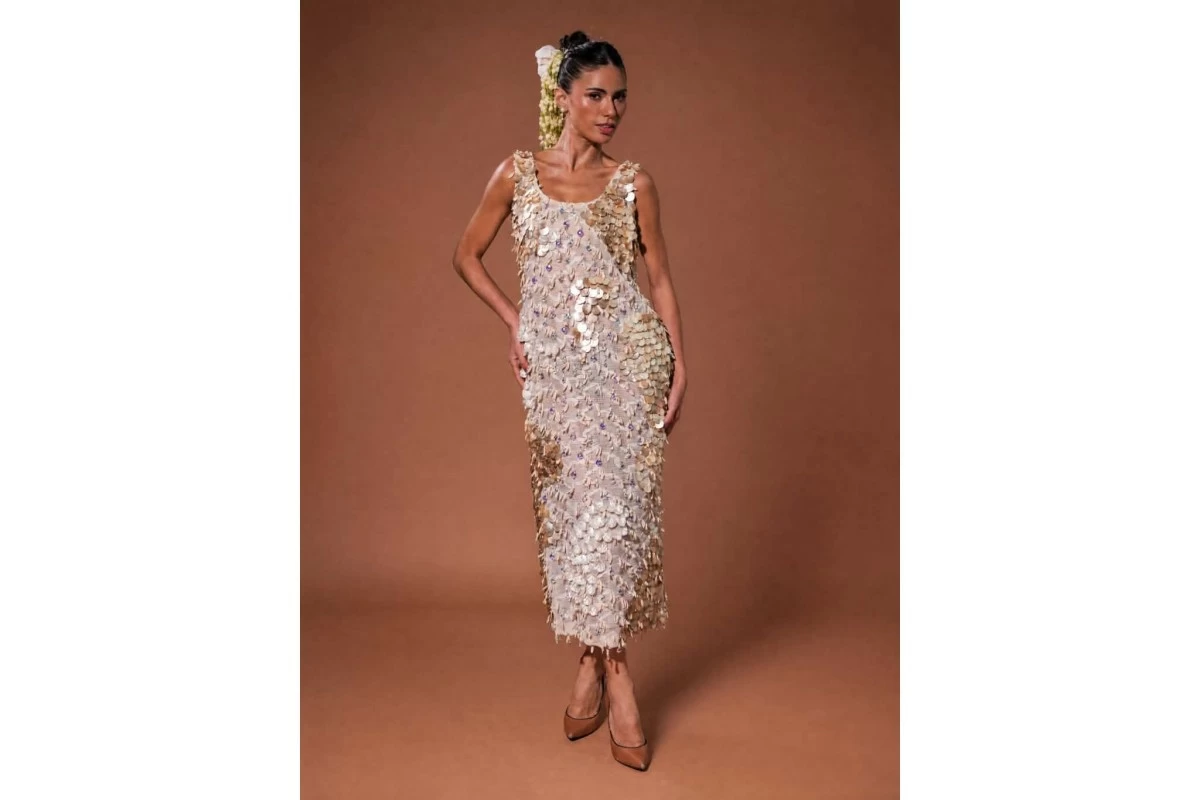
Kultura fosters emerging brands and advocates for local designers, strengthening Filipino pride by safeguarding their artists' creative freedom. “Kultura has never asked me to compromise those values. Instead, it has provided a platform where I can present my work in a way that remains true to its original intent. That freedom is invaluable because authenticity is ultimately what gives a brand its identity and longevity,” Ken Samudio says.
Ken Samudio
Ken Samudio
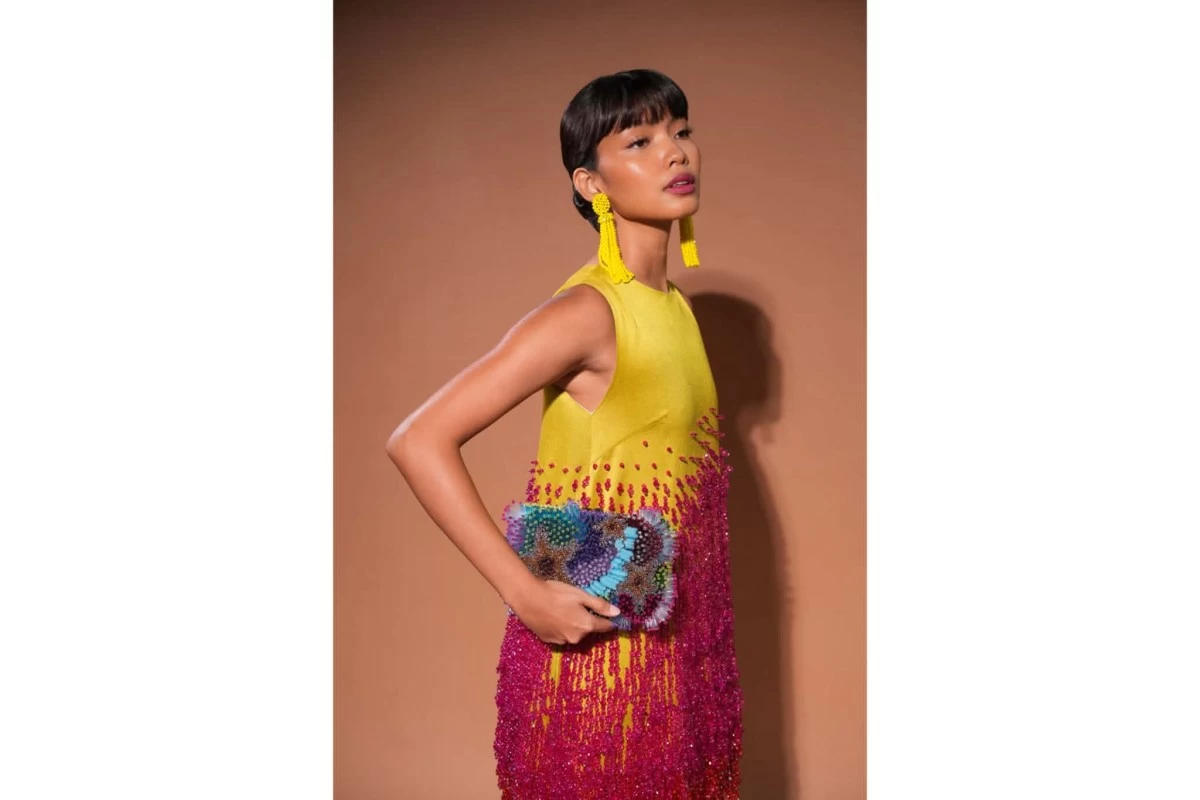
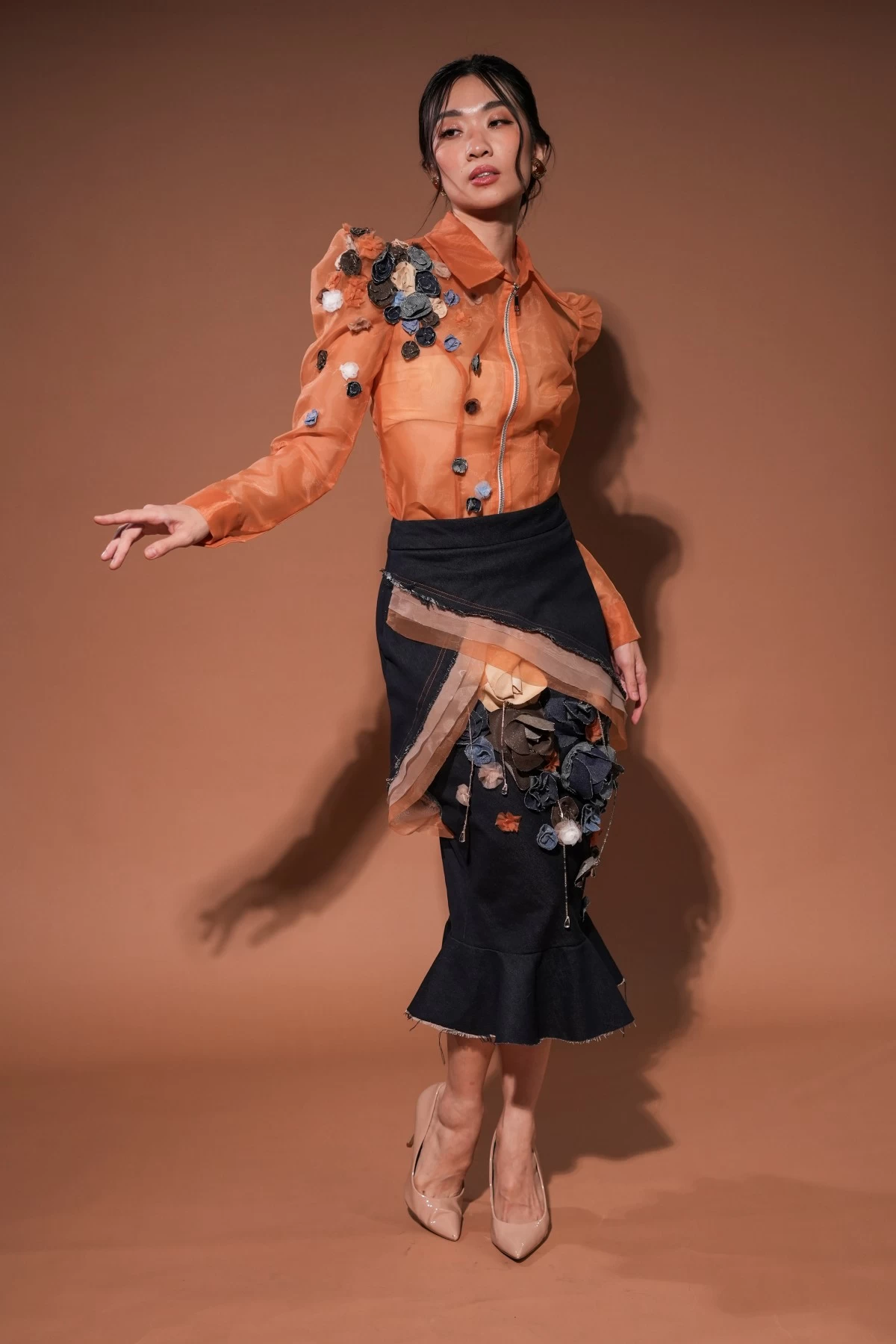
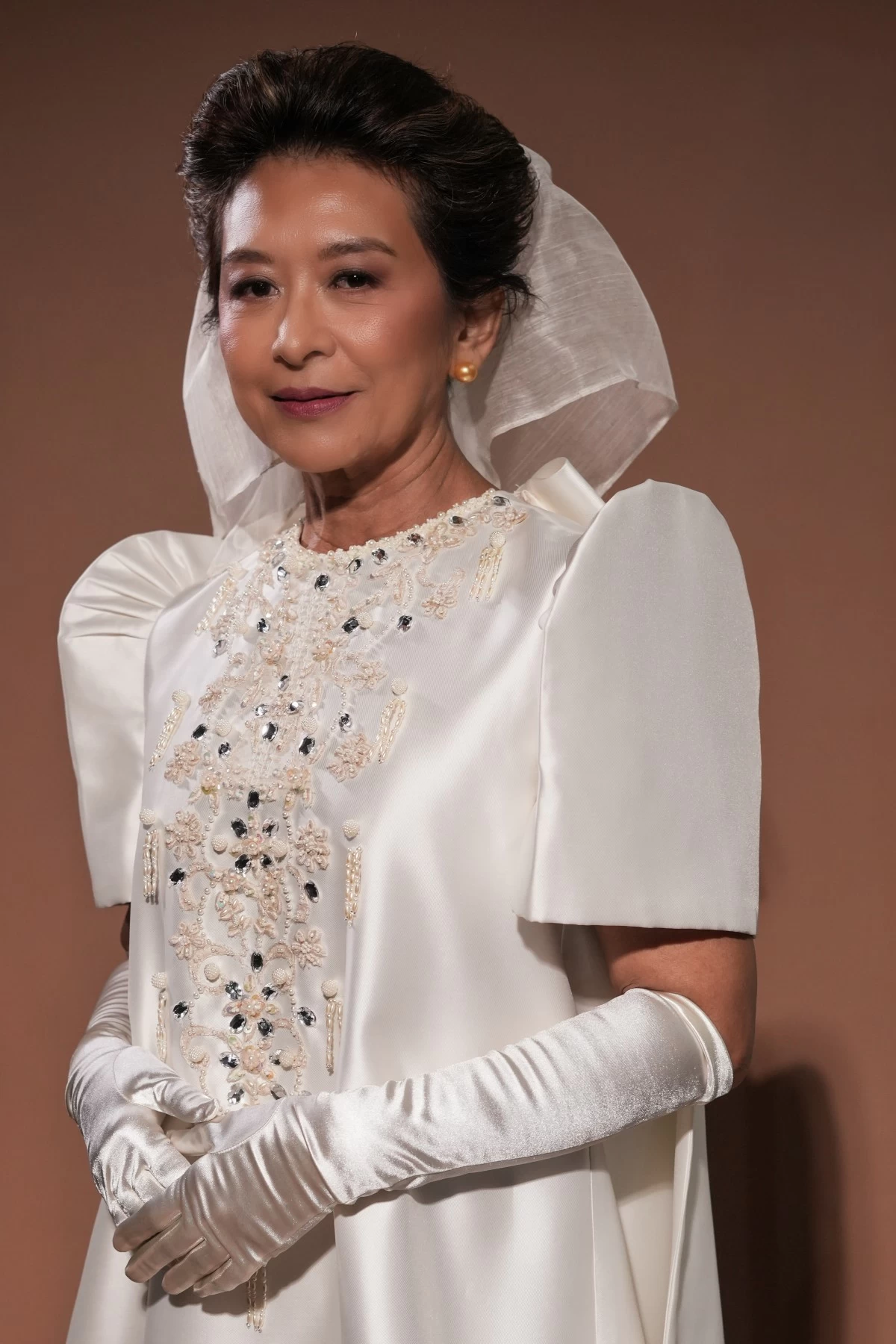
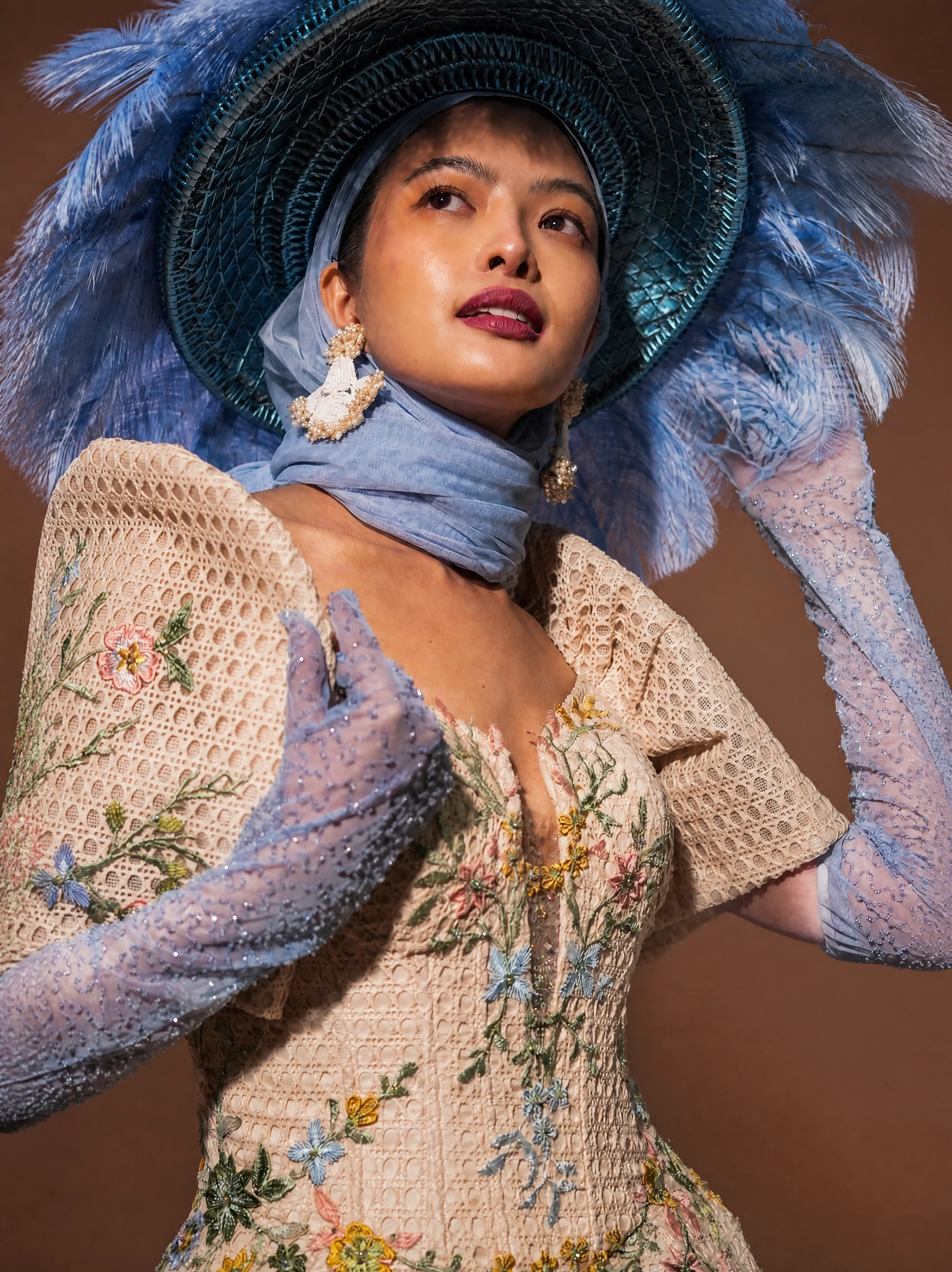
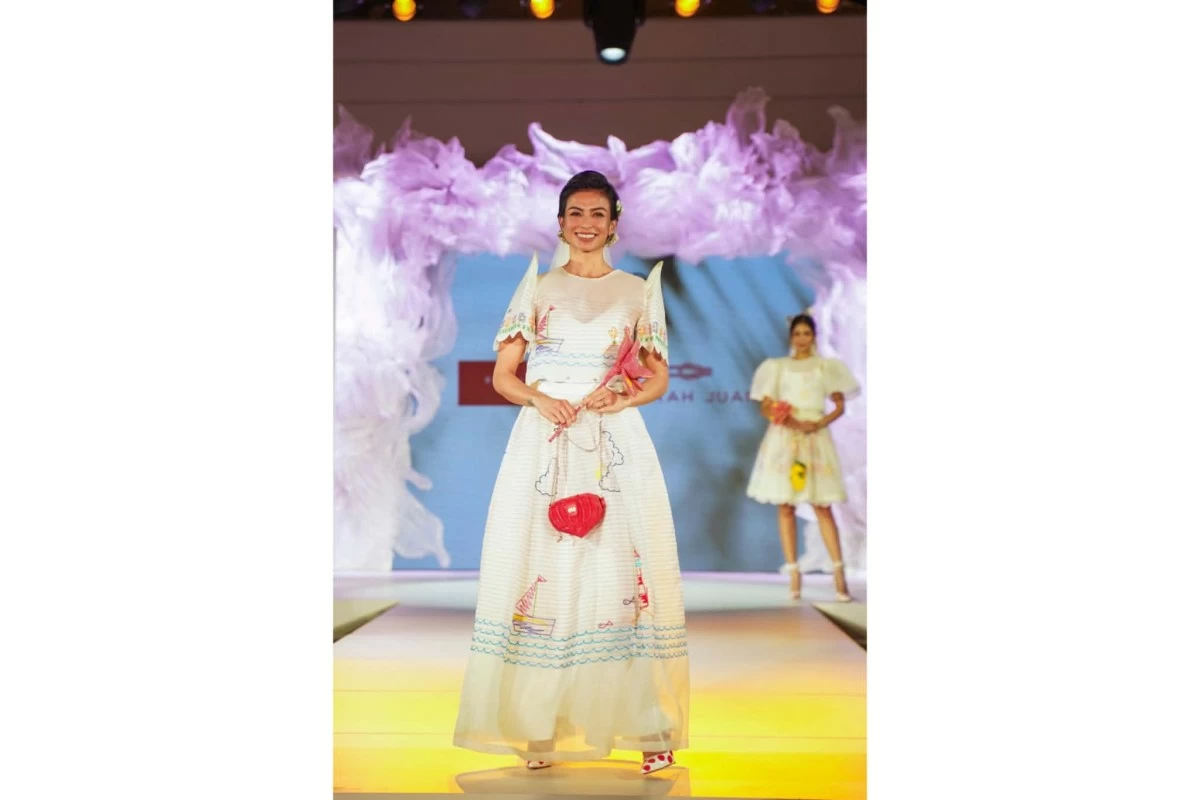
Kultura Atelier’s fashion show celebrated the evolution of local fashion which was evident in every piece of clothing presented: from the trendy yet nostalgic embroidery in Daryl Maat’s, refined monochromatic palette of Nuevo Ystilo, edginess in Good Luck, Humans, fusion of nature and hand-beaded designs in Ken Samudio’s, relaxed polished designs from Rodolfo by Puey Quinones, the fresh approach to piña silk by Harold + Harry, softness and sophistication in Jor-el Espina’s creations, bold appliqués of Martin Uy; there was also the touch of sultriness in Philip Rodriguez’s looks, the ethereal aura in Raffaella’s Maria Clara, modernity intertwining with tradition in EN Barong Filipino’s, and whimsical glam of Little Miss Lacey’s flower girl styles. This lineup of wedding entourage fashion is a walk of culture and time, providing Filipinos with a well-curated catalogue to weave their own heritage into their special day.
Martin Uy
Martin Uy
Raffaella
Raffaella
Nuevo Ystilo
Nuevo Ystilo
Harold + Harry
Harold + Harry
Nuevo Ystillo
Nuevo Ystillo
Little Miss Lacey
Little Miss Lacey
Isla
Isla
Beyond clothing, the show featured stunning South Sea pearl jewelry by Aurea, fanciful bags by Zarah Juan, and striking accessories from FAM Ph (Fashion Accessory Makers of the Philippines).
Vows of purpose
Kultura’s in-house brands and designers don’t just focus on their creativity; they provide livelihood to local communities that help bring their visions to life. From weavers and embroiderers who execute their designs, to local farmers who grow raw materials that brands use as textiles, to wives of prisoners who have learned the art of beadwork, designers of Kultura pave the way for local artistry to be recognized nationwide while supporting the well-being of artisans behind their work
Daryl Maat gathers his textiles from the provinces of Abra, Ilocos Sur, and Zamboanga. EN Barong Filipino and Raffaella use pinya (pineapple) fiber sourced from Aklan and Antique. Their brands and designers create a space for economic growth in these provinces.
Daryl Maat
Daryl Maat
Jor-el Espina hires artisan weavers from Aklan and embroiderers from Laguna. Little Miss Lacey works with sewers from Cavite. Ken Samudio co-creates with disadvantaged women from Muntinlupa, some of whom are single moms, wives, or partners of inmates, and teaches them beadwork.
Jor-el Espina
Jor-el Espina
Working with over 300 artisans across many provinces, from the Bagobo Tagabawa of Mindanao to the weavers of Abra, Zarah Juan grows her brand with these communities. Oel Designs supports leather workers from Marikina and works with mothers, out-of-school youth, and part-time students to aid in their financial needs. Palawan Pearls allies with local pearl farmers and assembles their pieces with the LGBTQIA+ in their community.
Celebrations are always beautiful, but what makes them more meaningful is the blend of the past, present, and future. Kultura Atelier pays tribute to classic and modern Filipino fashion, infusing heritage craftsmanship into contemporary wedding essentials, while honoring local artisans and the rich traditions behind every Filipino wedding.

When disaster strikes, protection should already be there


By Jaime Aristotle B. Alip, PhD

Published Jul 6, 2026 12:05 am | Updated Jul 5, 2026 03:37 pm
FROM THE MARGINS
Every year seems to bring a new reminder that the Philippines is one of the world's most disaster-prone countries.
This year alone, we experienced earthquakes in Mindanao and authorities have warned of the “Big One” that could affect Metro Manila and adjacent provinces. Prolonged dry spells associated with El Niño are threatening agricultural communities, while stronger typhoons underscore the threat of climate change. For millions of Filipinos — particularly farmers, fisherfolk, informal workers, and low-income families — these are no longer distant possibilities but recurring realities.
When disasters strike, humanitarian assistance is indispensable. Communities come together, governments mobilize, and relief organizations respond with remarkable generosity. Yet experience has taught us that recovery cannot depend on aid after the fact. True resilience begins long before disaster arrives.
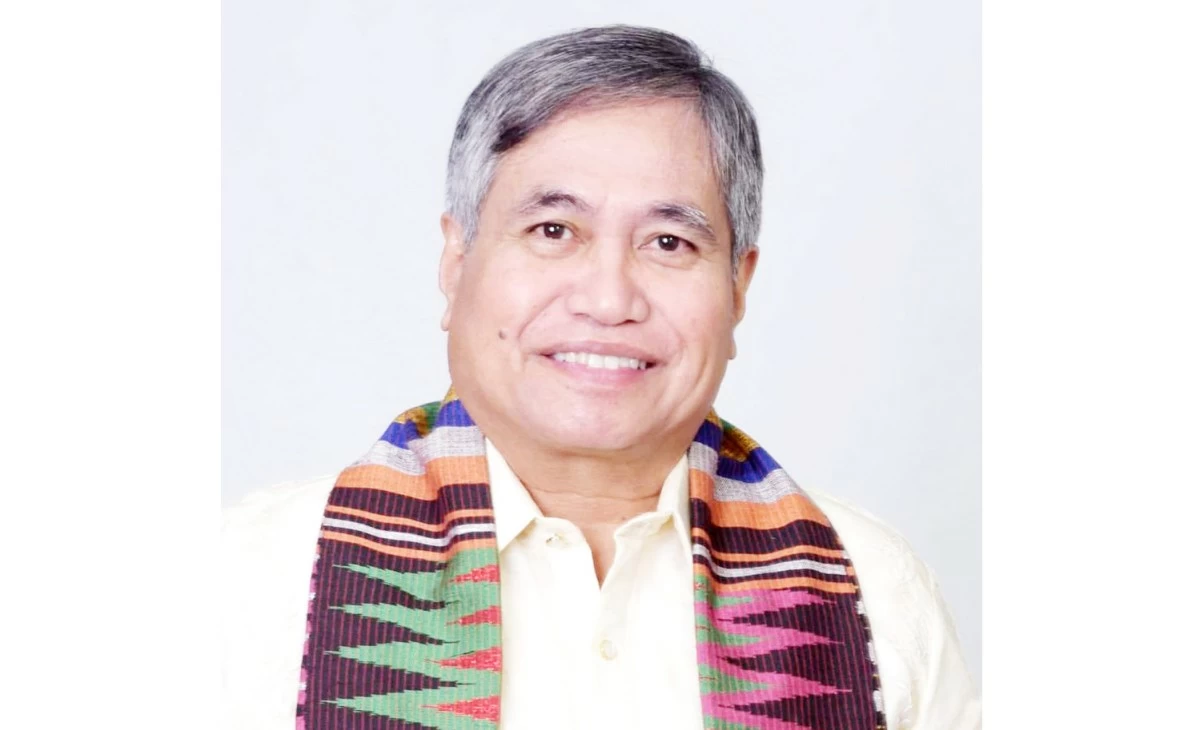
That is why I found the keynote message of Philippine Insurance Commissioner Reynaldo Regalado during the recently-held International Cooperative and Mutual Insurance Federation (ICMIF) Mutual Microinsurance Network Seminar especially timely.
His message was refreshingly simple: the Insurance Commission does not see itself merely as a regulator of microinsurance but as its collaborator.
That distinction matters.
The remarkable growth of microinsurance in the Philippines did not happen by accident. It resulted from years of collaboration among regulators, mutual benefit associations (MBAs) with their microfinance networks, and other insurers working toward one shared goal: making insurance accessible to those who need it most.
Commissioner Regalado illustrated this through stories that remind us why microinsurance exists in the first place.
He spoke of Enie Alsonado from Lanao del Norte, who lost his life while helping his family evacuate during the floods brought by Typhoon Sendong in 2011. Although the family lost almost everything, Enie’s microinsurance benefit became their foundation for rebuilding.
He also shared the story of farmer Teresita Fronda, whose microinsurance claim after a typhoon destroyed her crops enabled her family to recover and continue farming.
Microinsurance pays modest payouts, yet, for families with limited incomes, it can mean the difference between rebuilding and falling permanently into poverty.
The progress of the Philippine microinsurance sector reflects this vision. According to Commissioner Regalado, by the end of 2025, the Insurance Commission had recorded 49 active providers of microinsurance, including 26 MBAs, offering more than 250 approved products. Insurance penetration and premium collections continue to grow, showing that more Filipinos now recognize insurance as an essential component of financial security.
Equally encouraging is the Commission's support for innovations such as microtakaful, which extends financial protection to Muslim communities through products aligned with Islamic principles. Financial inclusion, after all, is most meaningful when it also respects the cultural and religious diversity of the people it serves.
Resilience is built through partnerships. The Insurance Commission's collaboration with the Cooperative Development Authority, its endorsement of the Cape Town Declaration on Inclusive Insurance, and its continuing engagement with international organizations like ICMIF all demonstrate that expanding financial protection requires government, the private sector, cooperatives, and development partners to work together.
This collaborative approach becomes even more urgent as climate risks continue to intensify. Beyond access to savings and credit, financial inclusion must also include protection.
Savings help families prepare. Credit helps them invest. Insurance helps them recover. Together, these three pillars create the financial resilience that allows vulnerable households not only to survive disasters but to rebuild their lives and livelihoods afterward.
Commissioner Regalado concluded his remarks by invoking the Filipino value of bayanihan -- neighbors coming together to carry a bahay-kubo to safer ground.
It is a fitting metaphor for microinsurance MBAs.
At its core, microinsurance MBAs embody shared responsibility. Members contribute not only for their own protection but also for the security of their co-members. More than a financial product, insurance becomes a community institution founded on solidarity, trust, and compassion.
As I wrote last week, this is precisely why the Philippine microinsurance MBA model continues to attract international attention. For many years, our MBAs have worked alongside the Insurance Commission and other stakeholders to demonstrate that insurance can successfully reach even the poorest households when products are affordable, claims are simple and processed quickly, and communities become active participants rather than passive beneficiaries.
As climate-related disasters become more frequent and more severe, the question is no longer whether they will occur. They will.
The more important question is whether vulnerable families will face them alone or with the financial protection needed to recover with dignity.
We can ensure preparedness not only with evacuation plans, stronger infrastructure, or early warning systems. We can ensure that families possess the financial resilience to begin again after the storm has passed.
That is the quiet but powerful promise of microinsurance. And in a country where disasters are an unfortunate certainty, it may well be one of the most meaningful expressions of bayanihan we can offer one another.
* * *
“The greatest danger to our future is our apathy.” – Jane Goodall
(Dr. Jaime Aristotle B. Alip is a poverty eradication advocate. He is the founder of the Center for Agriculture and Rural Development Mutually-Reinforcing Institutions (CARD MRI), a group of 23 organizations that provide social development services to 8 million economically-disadvantaged Filipinos and insure more than 27 million nationwide.)

ADVERTISEM