
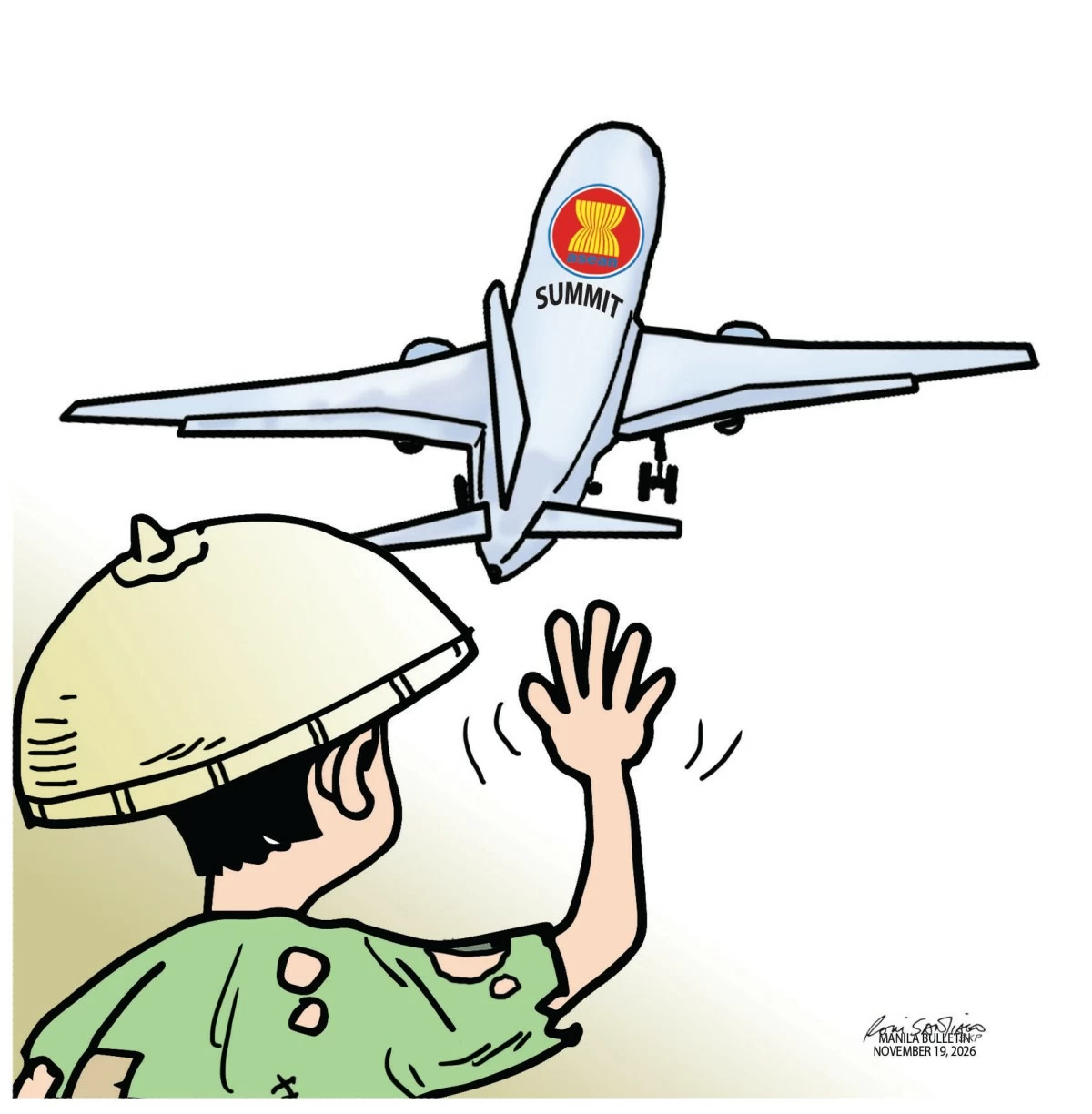
At the close of the 49th ASEAN Summit and Related Summits, which drew leaders not only from ASEAN but also allied nations such as Indian Prime Minister Narendra Modi, Japanese Prime Minister Sanae Takaichi, and US President Donald J. Trump, the Philippines could look back on a successful hosting that placed Filipino hospitality, talent, and diplomacy in the limelight.
In his closing remarks on Tuesday night, President Ferdinand R. Marcos Jr. said that the region had sought to give meaning to its theme, “Navigating Our Future, Together,” by strengthening peace and stability, bringing economies closer, and expanding opportunities for its people. The chairship was then formally handed over to Singapore for 2027.
One statement from the President deserves attention: “The true measure of this work will be weighed long after we leave these halls.”
That, perhaps, sums up what these gatherings should be all about.
After days of high-profile meetings, negotiations under the watchful eyes of the media or quietly behind closed doors, agreements, declarations, and countless handshakes, what tangible benefits can ordinary people expect? Will the gains be felt by a small business owner, a migrant worker, a farmer, or a family struggling with rising costs?
Among the summit’s significant developments was the signing of the ASEAN Digital Economy Framework Agreement, a long-standing aspiration to make digital transactions and cross-border trade more seamless across the 11-member regional bloc. This could strengthen ASEAN against external economic shocks and open markets for products and services.
But whether Filipino businesses will benefit remains to be seen. They must also be equipped to compete, meet standards, and take advantage of opportunities that a more integrated digital economy will bring. An agreement alone will not accomplish these things.
There were also commitments on several fronts. ASEAN leaders reaffirmed “ASEAN 2045: Our Shared Future,” which envisions an innovative and globally competitive region. They advanced cooperation in science and space technology, and adopted a declaration on AI-powered growth for micro, small, and medium enterprises. Related meetings addressed maritime security, climate resilience, energy, and the protection of people.
All these are worthy goals. The challenge is turning them into programs, and then into results that people can actually see and feel.
Even as ASEAN closed its summit, attention shifted to Shenzhen, China, where the Asia-Pacific Economic Cooperation (APEC) leaders will meet. President Marcos is now in China, carrying the country’s interests in trade, investment, and regional cooperation to a much wider forum.
There is also anticipation over the planned meeting among US President Trump, Chinese President Xi Jinping, and Russian President Vladimir Putin today. For a world facing conflicts, economic uncertainties, and tensions among powerful countries, the fact that leaders continue talking is already a positive development.
And there is plenty to talk about. Technology changes almost by the minute, reshaping jobs and industries. Wars and tensions disrupt trade and threaten peace. The climate crisis threatens food supplies, livelihoods, and the habitats of people, animals, and plants.
But talking, however necessary, is not the same as doing.
The summits of ASEAN and APEC can issue ambitious statements and announce cooperation in various fields. Yet these will mean little if implementation is slow, commitments are forgotten, and the citizens of the world see no improvement. Governments, including ours, must show how declarations translate into policies, budgets, and assistance reaching even the most remote communities, rather than remaining promises echoed in conference halls.
There is a familiar criticism that meetings often produce more meetings, with little accomplished in between. We hope these back-to-back summits will prove otherwise.
When the delegates leave, the ceremonies end, and the cameras are packed away, will the world truly benefit from all these talks, or will nations simply return to the status quo, prioritize their own interests, and ignore the common good? Time will tell.

No comments:
Post a Comment